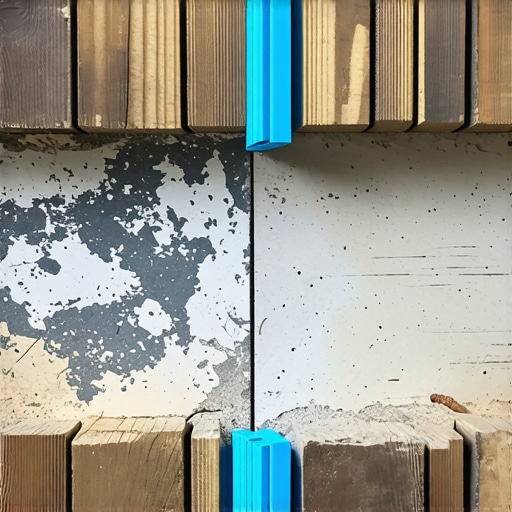
I was standing on a beautiful cedar deck in the middle of July, holding a burger in one hand and a cold drink in the other, when the entire world shifted about half an inch. It wasn’t an earthquake. It was the bottom of the stairs. I had used those ‘convenient’ little plastic shims to level out the stringers against a slightly uneven concrete pad. Big mistake. Huge. By the time the summer heat hit its peak, those shims had squeezed out like a grape in a vice. It was embarrassing, and frankly, it was dangerous. Today, I am sharing why those little pieces of plastic have no business being near your structural framing. We are going to solve that annoying ‘bouncy’ feeling once and for all and ensure your outdoor steps stay rock-solid for decades.
Plastic Shims Simply Can’t Handle the Heat or the Weight
Most DIYers—and even some pros who should know better—reach for those plastic shim packs because they are cheap and easy to snap. But here is the reality: stairs are a dynamic load. People don’t just stand on them; they jump, they run, and they haul heavy coolers up and down. When you combine that constant vibration with the expansion and contraction of modern composite decking materials, those plastic pieces become more of a lubricant than a stabilizer. When I first started out, I thought I was being clever by using ‘weatherproof’ plastic. I learned the hard way that weatherproof doesn’t mean structural. I actually had to rip apart a finished staircase because a measurement mistake that ruined the stride was actually caused by a shim that slipped out of place during a particularly hot week.
Is skipping shims altogether actually worth the extra effort?
I get the skepticism. You are tired, you have been working on the frame all day, and you just want the stringers to sit level. You think, ‘It is just a sixteenth of an inch, who cares?’ Well, I cared when my client called me back two months later because their high-end stairs felt like a trampoline. According to the American Wood Council’s DCA 6 – Prescriptive Residential Wood Deck Construction Guide, stair stringers require a solid, full bearing surface to safely transfer loads to the landing. Plastic shims rarely provide that full contact. Instead of shimming, I now focus on precision cutting and why I use structural screws instead of lag bolts to pull everything into a tight, permanent alignment. We want to design safe and stylish stairs that do not rely on temporary plastic crutches. Have you ever felt your stairs give way just a tiny bit when you stepped on them? If so, you might be dealing with the same shim failure I did years ago. Let’s look at how we can fix this the right way.To get those stringers to sit perfectly, you have to treat the bottom of your stairs like the foundation of the house itself. I remember a job in Reeds Spring where the homeowner had a ‘poured’ concrete pad that looked more like the surface of the moon than a landing. Instead of reaching for a shim, I used a compass to scribe the bottom of each individual stringer to match the specific undulations of the concrete. It took an extra forty minutes, but the result was a connection so tight you couldn’t slide a piece of paper under it. This is why why your deck stairs need a concrete landing pad at the bottom that is actually level and structural. If the pad is off, the stairs will be off, and no amount of plastic ‘help’ will save you from a callback.
Stop Chasing the Shims and Start Scribing
Think of your stair stringer like a custom-made suit; it needs to fit your specific body, not a generic mannequin. When the ground isn’t perfectly level—and it never is—you don’t add height with plastic; you subtract it from the wood. Using a simple carpenter’s scribe tool allows you to map the terrain of your landing directly onto the pressure-treated lumber. This ensures that 100% of the stringer’s ‘foot’ is in contact with the ground. When I was fixing that ‘trampoline’ staircase I mentioned earlier, I realized the builder had used seven shims under one stringer and zero under the other. By scribing the wood to the slab, I eliminated the pivot point entirely. This is one of the best ways to how to fix a bouncy deck without adding new posts or unnecessary hardware that eventually fails. 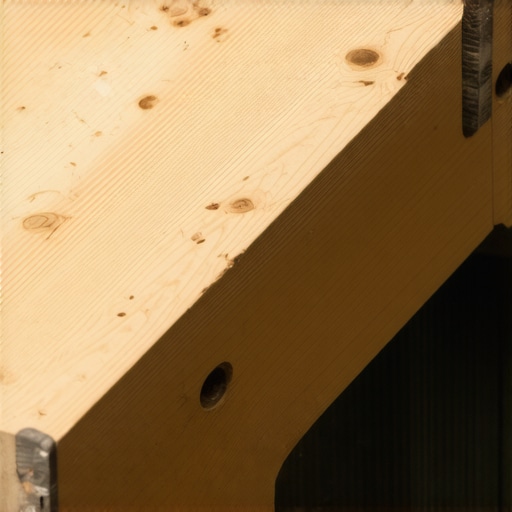
Level the Frame Before You Even Touch the Stairs
You can’t build a straight ladder against a crooked wall. Before you even think about cutting your first riser, you need to ensure the main deck frame is dead level. I’ve seen guys try to ‘calculate out’ a 1-inch dip in the deck frame by making the top stair taller. Don’t do it. It ruins the rhythm of the walk and creates a massive trip hazard. Use the best way to level an uneven deck frame before decking to make sure your starting point is perfect. Once the deck is level, the math for your stairs becomes a breeze, and you won’t be fighting the geometry of the house.
The Connection That Never Backs Down
Once the stringer is scribed and sitting flat, how you pin it down matters just as much as the cut. I’ve moved away from standard bolts because they tend to loosen as the wood dries and shrinks over the first few seasons. This is why I use structural screws instead of lag bolts for stairs. They bite into the wood and the header with a grip that doesn’t quit, even when the humidity swings and the wood moves. It’s like using a dental implant instead of a denture; one is a permanent part of the structure, the other is just waiting to slip out at an inconvenient time. When you pull that stringer tight against the frame with structural fasteners, you are creating a single, unified unit that doesn’t rely on friction or gravity alone to stay safe.
What most people get wrong about high-end deck building is the ‘more is better’ fallacy. I see it all the time: a homeowner or a novice builder adds a fifth or sixth stringer to a four-foot-wide staircase, thinking they are creating a fortress. But if those stringers aren’t synced perfectly to the landing, they actually fight each other. In my experience, over-building with poor precision is just as dangerous as under-building. When you have multiple stringers and one is even an eighth of an inch higher than the others, you create a pivot point. This leads to that annoying clicking sound and eventually causes you to stop your deck boards from creaking in the summer heat by ripping out the fasteners that have been stressed beyond their limit.
Why does your staircase feel solid in the morning but creaky by noon?
This is a nuance most people overlook: thermal expansion and wood hydration. Pressure-treated lumber is often sold ‘wet’ from the mill. As it sits in the sun, it shrinks. If you’ve used plastic shims, they don’t shrink; the wood does. This creates a ‘ghost gap’ where the stringer is no longer actually touching the shim during the hottest part of the day. According to data from the North American Deck and Railing Association (NADRA), stair failures are among the leading causes of deck-related injuries, often stemming from connection points that have loosened over time due to seasonal movement. This is why I advocate for scribing wood to the landing and using choosing the right composite decking for durable low-maintenance outdoor areas that won’t exacerbate the weight issues with unnecessary water absorption.
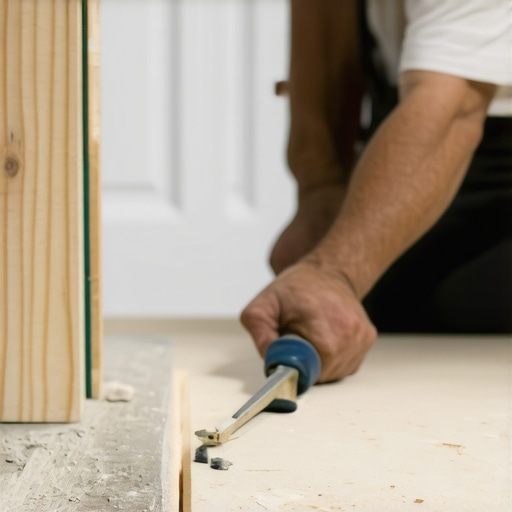
The ‘Oops’ factor I see most often—and I’ll admit I fell for this early in my career—is neglecting ‘stringer roll.’ Even if your bottom connection is solid, if the tops of the stringers aren’t laterally braced, they can slightly tilt under a heavy load. This is the hidden reason your deck stairs are pulling away from the frame over time. To prevent this, I install solid blocking between every single stringer at the midpoint of the run. This transforms individual boards into a rigid box beam. It’s the same principle as the joist spacing secret for a solid-feeling composite surface: rigidity isn’t just about the thickness of the material, it’s about preventing it from moving in any direction other than down.
We have to move past the ‘shim and hope’ mentality. If you want a staircase that lasts twenty years, you have to account for the fact that wood is a living, breathing material that wants to move. By scribing the base and blocking the middle, you are forcing the structure to stay put. Have you ever fallen into the trap of thinking a few extra screws would fix a structural wobble? Let me know in the comments. If you’re looking to take your project to the next level, I always recommend a expert deck builder tips for stunning outdoor living to ensure the foundation matches the beauty of the finish.
To get that surgical level of precision I’ve been talking about, you need to stop relying solely on a worn-out tape measure. When I’m setting up a complex set of stringers today, I won’t even start without my 360-degree green beam laser level. It allows me to project a perfectly level line across an entire uneven concrete pad, making it obvious exactly where the wood needs to be subtracted. This level of accuracy is how you ensure the best way to level an uneven deck frame before decking isn’t just a goal, but a reality. I personally use the Bosch GLL3-330CG because the green beam is visible even in the Ozark sun, and it saves me hours of manual string-line headache.
Stop Eyeballing Your Stringers with This Pro Tool
Precision isn’t just about the first day; it’s about how the wood behaves five years from now. I’ve started using a dedicated scribing tool with a brass thumb-nut that locks the width perfectly—no more ‘close enough’ marks with a pencil tucked behind my ear. When you combine this with the best way to seal the end cuts of pressure-treated lumber to prevent rot, you are building a staircase that won’t turn into mush at the base. I’ve seen too many builders skip the end-cut solution, only to have the stringer feet wick up moisture from the concrete like a sponge.
How do I keep my stairs solid over the years?
The secret isn’t a magic spray; it’s protecting the horizontal surfaces. Even the best-built stairs fail if water sits between the tread and the stringer. I never build a set of stairs now without applying a high-quality butyl joist tape. According to the Simpson Strong-Tie’s Deck Connection and Fastening Guide (F-DECKCODE22), preventing moisture entrapment at wood-to-wood or wood-to-composite interfaces is critical for preventing fungal decay. This simple addition prevents the hidden cost of skipping joist tape on a new build, which usually manifests as a complete tear-out within a decade. 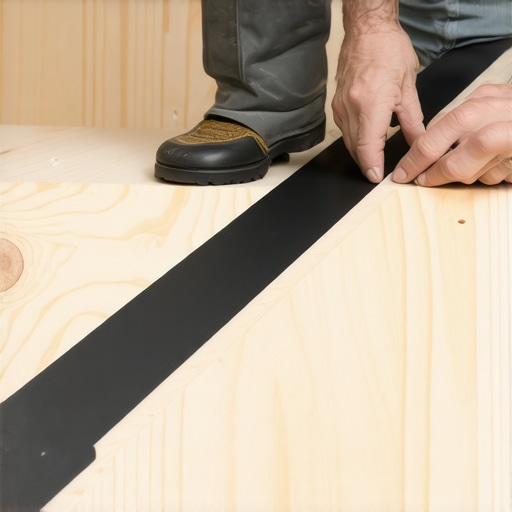
Will Wood Framing Become a Relic of the Past?
Looking at the industry trends for 2025 and beyond, I predict a massive shift toward light-gauge steel for stair substructures. While I love the feel of wood, steel doesn’t shrink, warp, or rot, and it eliminates the need for scribing to concrete because the systems are often adjustable. We are already seeing the hidden benefit of using steel deck framing instead of wood in high-end projects where owners want a lifetime guarantee. If you are sticking with wood for now, make sure you are using structural-grade fasteners that can be retightened if the wood eventually dries out and shrinks. I want you to go out and grab a roll of butyl joist tape for your next project—it is the single cheapest way to double the life of your frame. If you’re feeling overwhelmed by the technical specs, don’t hesitate to contact us to discuss how to future-proof your outdoor living area.
The Lessons I Learned the Hard Way Under the Summer Sun
Looking back at that burger-flip-gone-wrong on the bouncy stairs, the biggest lightbulb moment wasn’t just that plastic fails, but that wood is essentially a vertical sponge. I used to think a shim was a quick fix, but now I know it’s just a future callback waiting to happen. When you scribe a stringer, you aren’t just fitting wood to stone; you’re ensuring that every ounce of weight is distributed exactly where the engineers intended. This is the difference between a good enough project and deck builder insights for designing your dream outdoor space that survives decades of Ozark humidity. Another thing experts rarely mention is the sound of silence. A properly seated stringer doesn’t click, groan, or pop when the temperature drops at night. It stays silent because it’s part of the earth, not floating on a piece of brittle plastic.
The Tools I Trust to Get the Job Done Right
I don’t leave my shop without a few specific items if I’m building stairs. First, a high-quality compass or a dedicated scribing tool with a locking nut is non-negotiable for mapping those uneven concrete pads. Second, the Bosch GLL3-330CG laser level is my secret weapon for ensuring my starting point is perfect before I even make the first cut. Finally, I never skimp on butyl joist tape—it is the insurance policy that prevents inspiring deck and stair ideas for every budget from rotting out from the inside. These aren’t just gadgets; they are the bridge between a weekend DIY vibe and a professional-grade structure that adds real value to your property.
#IMAGE_PLACEHOLDER_E#
Build a Legacy Instead of a Temporary Fix
Stairs are more than just a way to get from the grass to the grill; they are the most heavily used part of your entire outdoor living area. By ditching the shortcuts and focusing on scribing and structural fasteners, you are creating a safe passage for your family that won’t require a total renovation in five years. We want to elevate your home with top stairs designs that feel as solid as the foundation of the house itself. Don’t be afraid to take that extra hour to get the scribe perfect—your future self and your knees will thank you every time you walk up those steps. Have you ever noticed a specific bounce or squeak in your stairs that you just can’t seem to track down? Let me know in the comments below.