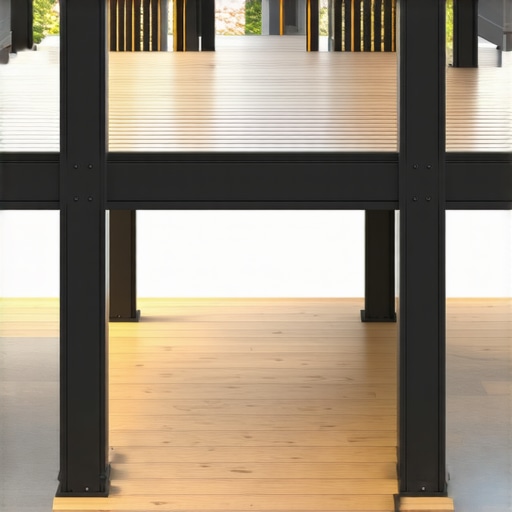
I was hosting my daughter’s graduation party when I felt it—that sickening, subtle ‘give’ under my left foot as I flipped burgers. I looked down, expecting a loose board, but found something much worse. My main support joist, which was barely six years old, had twisted so badly it was pulling the fasteners right out of the ledger. It was a classic case of wood doing what wood does: warping, rot-prone, and unpredictable. That afternoon, I realized I was tired of building structures that started dying the moment I finished them. If you’ve ever wondered about the structural reason your deck feels bouncy when you walk, you’re likely fighting the same battle I was. Today, I want to pull back the curtain on why I’ve completely abandoned pressure-treated lumber for steel framing. We’re going to look at how this one change eliminates the ‘deck sag’ forever and actually makes your high-end boards last longer. Have you ever noticed your deck boards starting to ‘wave’ or go uneven over the years? Let me know in the comments if you’ve seen that dreaded dip in your own backyard.
The Day I Realized Wood is Basically a Sponge
Early in my journey as an enthusiast, I made the mistake of thinking more chemical treatment meant more life. I dumped money into the ‘premium’ pressure-treated stuff, thinking it would stay straight. I was wrong. Wood is organic; it breathes, it holds moisture, and eventually, it decays. According to data from the American Wood Council, even pressure-treated wood is subject to significant ‘checking’ and dimensional instability as it dries, which leads to those annoying squeaks and uneven surfaces. When you are designing your dream outdoor space, you want a skeleton that doesn’t move. Steel provides a level of precision that wood simply can’t touch. Every piece is perfectly straight, meaning your composite decking stays flat and true for decades.
Won’t Steel Just Rust Away in the Rain?
I get this question all the time. The biggest fear folks have is that metal and water don’t mix. But modern light-gauge steel framing is heavily galvanized—specifically, most systems use a zinc coating that prevents corrosion for decades. It’s the same technology used in commercial high-rises and bridges. In fact, learning how to protect your deck frame from rot for thirty years usually starts by realizing that wood is the actual liability, not the metal. Steel is non-combustible, termite-proof, and won’t warp regardless of how many rainy seasons hit your zip code.
Ditch the Tape Measure for a Digital Blueprint
When I first transitioned from wood to steel, I had to completely re-learn how I approached the layout phase. With wood, you’re often fighting the material itself—trying to find the one straight board in a stack of warped lumber. With steel, every single piece is identical and perfectly straight. This is why why I never start a complex deck project without a digital 3d walkthrough first. Because the material is so precise, your planning has to be too. I remember my first steel job where I was off by just a quarter inch on my post placement. With wood, I could have ‘cheated’ it by shimming a joist. With steel, that quarter inch meant the joist hangers wouldn’t seat properly, forcing me to move the post. It was a frustrating lesson, but it taught me that precision from the start is what separates a DIY deck from a professional outdoor living space.
The Snap-Together Reality of Steel Joists
If you’ve ever wrestled with a wet, heavy 2×10 pressure-treated joist that’s twisting as you try to nail it, you’ll find steel a revelation. It is light, rigid, and surprisingly easy to handle. Think of it like building with heavy-duty construction sets rather than carving a sculpture. I’ve found that how to level a deck frame on uneven ground without using a laser is actually simpler with steel because the material doesn’t crown or bow, giving you a perfectly flat reference point across the entire span. 
Stop Your Stairs from Leaning Before You Even Start
Stairs are usually the first place a wood deck fails. Wood stringers are notoriously weak at the ‘throat’—the narrow section of wood left after you cut out the triangles for the steps. This structural weakness is exactly why your deck stair stringers are cracking at the throat. Steel stringers, however, are engineered as a single, non-combustible unit. When I installed my first set of steel stairs, I realized I could jump on the bottom tread and there was zero vibration. It felt like walking on a concrete foundation. To ensure they stay that way, you must use the bracket that makes your deck stairs feel rock solid to eliminate any side-to-side sway.
Give Your Composite Boards the Foundation They Deserve
We often spend thousands on premium boards, yet we pin them to a foundation that is guaranteed to move, rot, and shrink. If you want a floor that looks like an indoor hardwood room, you cannot have a substructure that expands and contracts with every rainstorm. This is the primary reason why we use double joists under every composite seam for a flat floor. Steel doesn’t grow when it gets wet, meaning those seams stay tight year-round. When you are choosing the right composite decking for durable low-maintenance outdoor areas, remember that most warranties don’t cover the failure of the wood joists beneath.
The Secret to a Silent Walkway
One of the most common complaints from homeowners is the ‘squeak.’ That noise isn’t usually the boards; it’s the wood joist rubbing against the fastener as the organic material shrinks. Since steel doesn’t shrink, the fasteners stay tight forever. If you’re already dealing with noise on an existing structure, you might want to look into why your deck stairs squeak and how to silence them forever. However, for a new build, steel is the ultimate preventative measure. I once built a 10×10 ‘test’ platform in my own backyard to see if the hype was real. Three harsh winters later, it hasn’t moved a single millimeter, and it’s as silent as the day I finished it.Most builders will tell you that a deck just needs to be ‘overbuilt’ to last. They think adding more wood or larger bolts is the answer to every structural problem. But after years in the trenches, I’ve realized that raw strength is useless without precision. In fact, overbuilding with wood can often accelerate failure because you’re just giving the moisture more places to hide. When we talk about choosing the right composite decking for durable low-maintenance outdoor areas, we have to talk about the physics of the frame.
Thermal Expansion is a Science Not a Suggestion
Here is the contrarian truth: most deck failures aren’t caused by weight; they are caused by movement. Standard pressure-treated wood moves as it dries, but composite moves as it heats up. If you don’t account for this, your beautiful floor will eventually buckle or shear its fasteners. This is the ‘oops’ factor I see most often—builders treating composite like it’s just ‘plastic wood.’ It’s not. It has a high coefficient of thermal expansion. According to the North American Deck and Railing Association (NADRA), improper gapping is one of the top reasons for consumer dissatisfaction and warranty denials. If you aren’t using the spacing secret for installing composite decking in winter, you are essentially building a ticking time bomb for the first 90-degree day of summer. Have you ever fallen into this trap and seen your boards ‘mountain peak’ in the heat? Let me know in the comments.
Why Do Most Composite Stairs Feel Like Trampolines?
Even a high-end deck builder can get this wrong. Many people assume that if a 16-inch joist span is good for the floor, it’s good for the stairs. It’s not. Composite boards are inherently more flexible than wood. When you put them on a standard stair stringer, they flex. This vibration is the structural reason your stairs feel like they are leaning or bouncing. To fix this, you must decrease your stringer spacing to 12 inches—or better yet, 9 inches. 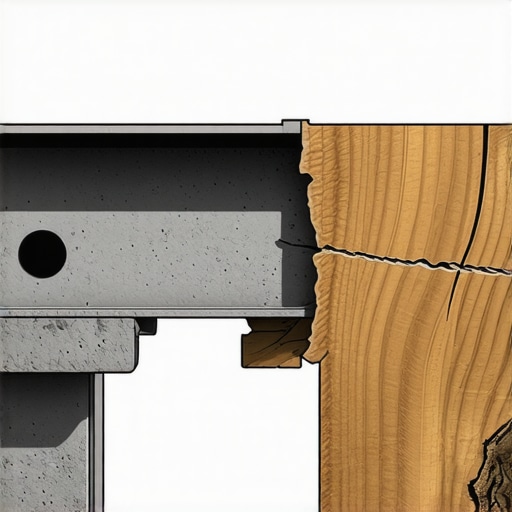
The Silent Danger of the Over-Cut Stringer
The biggest mistake in designing safe and stylish stairs for outdoor decks in 2025 is the ‘deep cut.’ To get a comfortable stair tread depth that feels safest for kids and the elderly, amateur builders often cut too deep into the wood stringer, leaving only a few inches of solid material. This is exactly why your deck stair stringers are cracking at the throat. Steel stringers solve this because they don’t rely on a ‘throat’ of wood for strength; they are engineered as a C-channel that cannot split or rot.
Protect Your Siding from Your Deck
Another nuance people miss is the interaction between the deck and the house. If you don’t leave a proper gap, you’ll find yourself looking for ways how to stop composite boards from expanding into your vinyl siding. When boards expand and have nowhere to go, they exert thousands of pounds of pressure. This can literally pull your ledger board away from the house, leading to catastrophic failure. It’s why why your composite boards are expanding more than expected is a topic every homeowner should study before the first board is laid. By switching to steel framing, you create a stable ‘skeleton’ that allows you to manage these movements with surgical precision, ensuring your custom composite decking ideas actually look as good in ten years as they do on day one.
Stop Fumbling with Lag Bolts and Grab a Structural Screw
When you finally stand on a frame that doesn’t vibrate under your weight, you realize the tools you use are just as critical as the steel itself. For years, I struggled with old-fashioned fasteners, pre-drilling every single hole and still splitting wood posts or stripping heads. Now, I’ve moved on. Honestly, the reason we use structural screws instead of old-fashioned lag bolts is about more than just speed—it’s about shear strength. According to the technical data sheets from Simpson Strong-Tie, their structural screws provide a higher lateral load capacity without the need for pre-drilling, which saves my wrists and my timeline. When you are acting as your own deck builder, these small equipment shifts are what prevent ‘pro fatigue’ halfway through the project.
How Do I Keep This Masterpiece Looking New After Five Years?
I get asked this constantly because people assume ‘low maintenance’ means ‘ignore it forever.’ If you want your custom composite decking ideas to stay vibrant, you need a routine. Dust and pollen can act like sandpaper over time. I’ve found that knowing the best way to clean bird droppings off dark brown composite boards is the difference between a five-minute task and a permanent ghosting mark on the finish. Stick to a pH-neutral cleaner and a soft-bristle brush. Avoid power washers at high PSI; you can actually ‘fuzz’ the protective cap of a composite board if you get too aggressive, leading to how to repair a hole in your composite decking becoming your next weekend project instead of relaxing with a beer.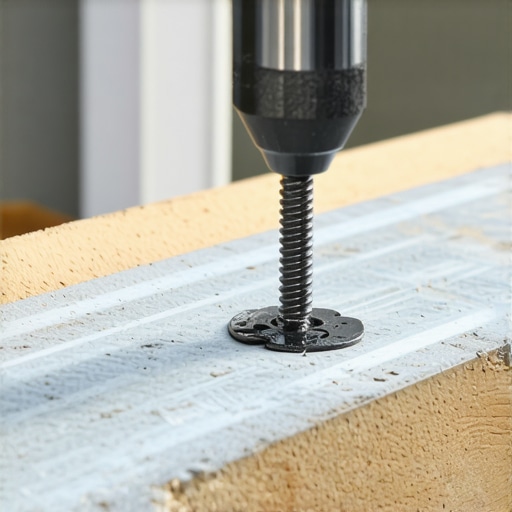
Why Smart Lighting is the Next Big Shift in Outdoor Living
Looking ahead at composite decking trends 2025, the ultimate guide for outdoor enthusiasts highlights that we are moving toward ‘smart decks.’ We aren’t just slapping a few solar caps on posts anymore. We are integrating low-voltage systems that sync with our phones. This is why you must learn how to choose the right deck lighting transformer early in the framing stage. I predict that within three years, we’ll see deck boards with built-in sensors to monitor moisture levels in the substructure. It sounds like science fiction, but the demand for innovative outdoor living ideas with composite decking in 2025 is pushing us toward a fully connected backyard experience.
My Advanced Tip for a Silent Staircase
If you really want to impress your neighbors, you have to kill the squeak. Even with steel stringers, the board-to-metal interface can occasionally rub. Here is my pro tip: apply a thin bead of exterior-grade construction adhesive to the top of the stringer before laying down your tread. It sounds like overkill, but why stair treads need more than just screws to stay quiet is a lesson in friction physics. That adhesive acts as a gasket, eliminating the micro-movements that create noise. When you pair this with innovative stairs solutions for safe outdoor deck access, you get a staircase that feels as solid as a mountain. I challenge you to try this adhesive method on your next set of steps—you’ll never go back to just screws again.
The Hardest Lesson I Learned About Joist Deflection and Pride
Building with steel for the first time was a humbling experience that changed how I view outdoor living forever. In the past, I relied on the ‘give’ of wood to hide my small measurement errors, but steel is a precision instrument that demands better from you. One lightbulb moment occurred when I realized that the spacing secret for installing composite decking in winter isn’t just a suggestion—it is a requirement because steel frames are so stable they won’t move with the boards. I also learned that ‘overbuilding’ with wood is often a mask for poor engineering; adding more organic material just creates more places for moisture to trap and rot to begin. Finally, I realized that the silence of a steel-framed deck is its greatest luxury. There is no wood-on-wood friction, meaning no squeaks, no groans, and no ‘bouncy’ feeling when the kids run across the surface.
Gear That Actually Makes the Job Easier
If you are moving away from traditional lumber, you need to update your toolbox to match the materials. I have completely phased out heavy, cumbersome fasteners in favor of more efficient technology. Honestly, the reason we use structural screws instead of old-fashioned lag bolts is because they offer superior shear strength and significantly less fatigue during installation. I also highly recommend using a dedicated design service before you buy your first joist; why a digital designer is the best move for planning a complex backyard deck becomes obvious the moment you realize your cut list is accurate to the sixteenth of an inch. For the finishing touches, always keep a pH-neutral cleaner on hand; knowing the best way to clean bird droppings off dark brown composite boards will keep your high-end finish looking like a showroom floor for years.
Build the Last Deck You Will Ever Need
Making the jump from wood to steel can feel like a massive shift, but it is the single best decision you can make for the longevity of your home. When you invest in custom composite decking ideas, you deserve a foundation that won’t fail before the boards do. By choosing a rot-proof, warp-proof, and fire-resistant skeleton, you are ensuring that your backyard oasis remains a place of relaxation rather than a never-ending maintenance project. Don’t be afraid to leave the old ways behind—the precision and peace of mind that come with modern framing are worth every penny. Your future self, standing on a perfectly level floor twenty years from now, will thank you. Are you still on the fence about switching to steel, or have you already seen the ‘rot reality’ in your own backyard? Let me know in the comments below.