I remember the moment clearly. I had finally saved enough to build that perfect deck I’d been dreaming about—only to realize I was totally unprepared. The plans I drafted looked nice but felt wrong once built. The space was awkward, and I wished I had known better from the start. It hit me hard—without proper insight, I was just throwing money and effort into something that could have been so much better.
If you’re like I was, staring at your backyard wondering how to turn it into a sanctuary, you’re not alone. This is a common struggle for many homeowners who want a beautiful and functional outdoor space but feel overwhelmed by choices and misinformation. Today, I’ll share how you can avoid my rookie mistakes and craft your perfect deck with confidence.
Why Most Deck Projects Fail to Meet Expectations
Many folks jump into building their dream outdoor space without thorough planning. They often skip crucial steps like understanding the best materials or how to optimize space. I made the mistake early on of rushing into decisions based on trendy designs I saw online, rather than considering how I actually used my yard. That led to a deck that looked good but was uncomfortable and impractical.
What I wish I’d known then is that a great outdoor space isn’t just about aesthetics. It’s about functionality, durability, and how well it fits your lifestyle. That’s why I’m here—to help you avoid my pitfalls and guide you through creating an outdoor area that truly elevates your home.
If you’re ready to transform your backyard into an inviting retreat, keep reading. We’ll explore key insights into deck design that will save you time, money, and frustration.
Is all the hype around custom decks justified
When I first started, I believed bigger was better. I thought more elaborate designs meant a more impressive backyard. Turns out, I overlooked the importance of tailored solutions that match your space and needs. One mistake I made was choosing a standard design without considering how my family uses the area, which ended up making the space less functional.
To get real value from your outdoor project, you need to focus on personalized ideas and smart design choices. That’s why I recommend checking out resources like [Transform Your Outdoor Living with Custom Composite Decking Ideas](#) and [Deck Builder Insights: Designing Your Dream Outdoor Space](#). They helped me see what’s possible when you plan carefully and think about how you’ll actually enjoy your deck.
Now, let’s dive into the steps that will help you design an outdoor space that’s beautiful, practical, and uniquely yours.
Map Out Your Space Carefully
Start by measuring your backyard precisely. Use a tape measure and sketch out the area on graph paper or a digital design app. I once tried to estimate my yard’s dimensions without measuring, which led to a deck that was too big for the space. When I finally took exact measurements, I realized I had room to add a cozy corner with built-in seating. This step might seem simple, but accurate measurements ensure your design fits perfectly and avoids costly mistakes.
Visualize with a Clear Layout
Create a scaled drawing to experiment with different layouts. Think of it like playing with building blocks—placing elements to see what fits best. I used a basic app to drag and drop deck sections, which helped me identify dead space and optimize flow. This approach saves time and prevents regrets after construction.
Select the Right Materials for Longevity and Style
Choosing durable materials like composite decking can make your project last decades. I initially picked untreated wood because it looked nice, but within a few years, it warped and required constant maintenance. Then I researched composite options, which resisted weather and pests. When selecting materials, consider your climate, maintenance willingness, and aesthetic preferences. Explore resources like [Transform Your Outdoor Living with Custom Composite Decking Ideas](#) to see the latest styles and innovations.
Compare Material Benefits
Look into pros and cons of wood, composite, and PVC. Think of it like choosing between a classic car and a modern electric vehicle—each has trade-offs. I chose composite for its low upkeep and modern look, which suited my busy lifestyle. This decision increased my deck’s durability and saved money in the long run.
Design with Functionality in Mind
Focus on how you will use your deck daily. Do you need space for grilling, lounging, or entertaining? I added a built-in bench and a small dining area to accommodate family dinners. Remember, a deck that looks good but doesn’t fit your routines can become a wasted space. Think about pathways, access points, and how furniture will fit.
Incorporate Practical Features
Features like stairs, lighting, and railings should enhance safety and usability. For stairs, I opted for [Innovative Stairs Solutions for Safe Outdoor Deck Access](#) to ensure easy and secure access from my yard to the deck. Proper lighting extends usability into the evening, creating a cozy ambiance. When planning, consider these details to avoid future upgrades or safety hazards.
Maximize Space with Creative Design
Use multi-level decks or built-in planters to add dimension without sacrificing space. I experimented with a raised section for a hot tub, which added luxury without taking up extra yard room. Modern designs like [Maximizing Space: Modern Designs for Composite Decks](#) offer ideas on how to create multi-layered decks that feel spacious and elegant. Think of your yard as a puzzle—adding height and layers makes it more interesting and functional.
Play with Visual Flow
Paths, color contrast, and material transitions guide the eye and create a harmonious look. I used a different decking pattern for the stairs and main deck, which visually separated zones and made the space feel bigger. These small touches make a significant difference in overall aesthetic.
Stay Updated on Trends
Deck trends evolve, so staying informed helps keep your space current. I checked out [Staircase Trends in Outdoor Living Enhancements](#) to add stylish steps that double as statement pieces. Incorporate trendy elements like integrated lighting, hidden fasteners, or eco-friendly materials to boost appeal and value. Keep a mood board or digital folder with inspiration images to refine your vision as you go.
Experiment and Refine
Don’t be afraid to try different ideas on paper or in virtual models. My first plan was too bulky, but adjusting it based on feedback from my family made it more functional. Small experiments can prevent costly mistakes and lead to a deck that truly fits your lifestyle. 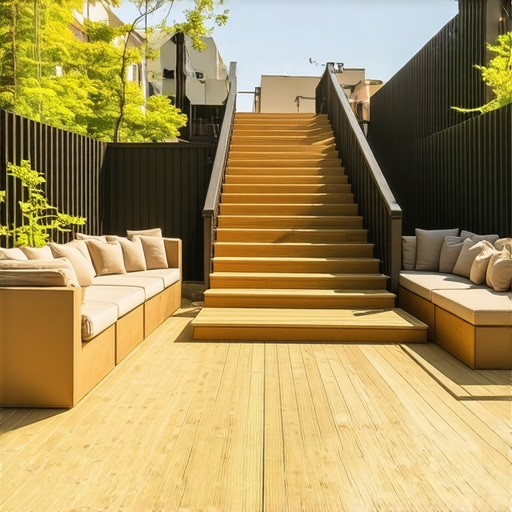 Many homeowners assume that following popular trends or relying solely on visuals from online inspiration will automatically lead to a successful deck project. However, this approach often overlooks critical nuances that can make or break your outdoor space. One common myth is that bigger, more elaborate decks are always better. In reality, overbuilt or overly complex designs can become impractical, especially if they don’t align with your actual usage patterns or site conditions. For example, I once designed a grand multi-level deck inspired by trendy Instagram posts, only to find it overwhelmed my small backyard and complicated maintenance.
Let’s dig deeper into why this mindset can lead to costly mistakes. First, designers and expert sources like [Deck Builder Insights: Designing Your Dream Outdoor Space](#) emphasize the importance of understanding your unique needs and site specifics before jumping into design. The truth is, many people get seduced by aesthetic appeal without considering long-term usability or environmental factors—leading to issues like poor drainage, structural instability, or furniture that doesn’t fit.
Another mistake is underestimating the importance of advanced planning around features like stairs and lighting. For instance, innovative stairs solutions not only enhance safety but can also serve as design statements that elevate the entire space—something overlooked by many amateurs. Incorporating these nuanced details from the start can prevent costly retrofits later. Check out [Innovative Stairs Solutions for Safe Outdoor Deck Access](#) for ideas.
Furthermore, there’s a misconception that choosing trendy materials or features is enough to guarantee a timeless design. Yet, materials like composite decking are most effective when paired with thoughtful layout and functionality. As I learned, a well-planned deck considers traffic flow, visual harmony, and future adaptability—elements often missed by beginners. Exploring [Maximizing Space: Modern Designs for Composite Decks](#) can provide insights for smarter choices.
Are you curious about how to refine your deck design with advanced strategies? Consider questions like, “How do I balance aesthetics with durability in a small yard?” or “What innovative features can increase safety without sacrificing style?” These are the kinds of considerations that separate amateur projects from truly professional outdoor spaces. Experts recommend approaching your project with a layered plan that accounts for both immediate appeal and long-term resilience.
In conclusion, avoiding the common pitfalls starts with understanding that successful deck design hinges on nuanced planning, site-specific customization, and attention to detail—far beyond surface-level trends. By leveraging expert insights and asking the right questions, you can craft a space that is both beautiful and enduring. Have you ever fallen into this trap? Let me know in the comments.Maintaining your deck over time requires the right tools and a bit of know-how to keep it looking great and functioning safely. I personally swear by a few key pieces of equipment that make routine maintenance manageable and effective. First, a good power washer is indispensable. I recommend the Karcher K5 Premium for its adjustable pressure settings, which let me clean deck surfaces thoroughly without risking damage to the material. Regular power washing removes dirt, mold, and old stain buildup, preventing long-term deterioration. For more delicate areas, soft-bristle brushes combined with eco-friendly cleaning solutions work wonders without harming the finish. When it comes to sealing or staining, I prefer using a sprayer like the Wagner Control Spray Max, which provides even coverage and saves time compared to brush application. This approach ensures my deck remains weather-resistant and vibrant year after year. I also keep a high-quality weatherproofing sealant on hand—reapplying it every couple of years is key to extending the lifespan of your investment. Staying on top of basic repairs, like tightening loose railings or replacing damaged boards, is simpler with a cordless drill and a set of quality screws. These tools allow me to fix issues quickly without needing to call in professionals for minor repairs. Looking ahead, the trend is moving toward more eco-friendly and automated maintenance solutions, such as robotic cleaners or solar-powered LED lighting that reduces energy costs and adds safety. I predict that as technology advances, we’ll see even smarter tools that integrate sensors to monitor your deck’s condition in real-time, alerting you when maintenance is needed or even scheduling it automatically. How do I keep my deck in top shape over time? The answer lies in a proactive maintenance routine—regular inspections, prompt repairs, and seasonal deep cleans. I advise setting a schedule—spring and fall are ideal times—to evaluate your deck’s condition comprehensively. Testing water repellency with simple drops of water can reveal if your sealant needs refreshing. Moreover, incorporating smart tools like moisture meters can help detect hidden rot or mold before it becomes costly. If you’re serious about extending your deck’s life and maintaining its beauty, try integrating a power washer with adjustable settings and a weatherproofing sprayer into your routine. These investments pay off by saving you money and hassle in the long run. Remember, consistent care keeps your outdoor space inviting and safe, making it more enjoyable for years to come. For detailed guidance on choosing the best tools and techniques, check out resources like [Transform Your Outdoor Living with Custom Composite Decking Ideas](#) and [Deck Builder Insights: Designing Your Dream Outdoor Space](#). Now, go ahead and pick one tool or tip from this list and make it part of your regular maintenance—your deck will thank you.
Lessons That Changed My Approach to Deck Building
- One of the biggest surprises was realizing how much site-specific factors—like slope, soil quality, and sunlight—can influence design choices. Ignoring these led to unstable structures or decks that faded quickly. Now, I always do a thorough site assessment before planning.
- I used to think that matching materials with the latest trends was enough, but I learned that durability and ease of maintenance are critical. My initial choice of untreated wood looked great at first but required constant upkeep. Switching to composite materials changed everything.
- Engaging with professionals early on saved me from costly mistakes. I once tried to DIY a complex staircase, only to realize I lacked the expertise. Consulting with experienced deck builders helped me design safer, more stylish stairs that became a focal point.
My Go-To Resources for Deck Success
- Transform Your Outdoor Living with Custom Composite Decking Ideas: This resource opened my eyes to innovative design options and material combinations that blend style with longevity. I trust it because it’s full of real-world examples and expert tips.
- Deck Builder Insights: Designing Your Dream Outdoor Space: A must-read for understanding construction fundamentals and how to tailor a deck to your specific needs. The insights from seasoned builders helped me avoid common pitfalls.
- Home Improvement Forums: Community-driven advice and shared experiences provided practical solutions and encouragement during my project. The collective wisdom is invaluable for troubleshooting and inspiration.
Your Next Step Toward a Beautiful Outdoor Space
Building a deck that truly enhances your home is an ongoing journey of learning and experimentation. Trust your instincts, seek out expert advice, and don’t be afraid to try new ideas. The outdoor space you create will be a reflection of your unique lifestyle and personality. Remember, every challenge you face is a step toward mastering the art of outdoor design. So, start planning today—your perfect deck awaits—and enjoy the process of turning your backyard into a personal retreat. What’s one feature you’re excited to incorporate into your deck? Share below and let’s discuss how to make it happen!