
I remember the first deck I ever built. I was so proud of those crisp lines and that fresh cedar smell. Then, my father-in-law came over for the inaugural BBQ. He’s a sturdy guy, but as he started down the stairs, he gripped the railing with a white-knuckled intensity that made my stomach drop. He wasn’t being dramatic. My stairs were built to the absolute minimum legal code, and for a man with size 12 shoes and slightly stiff knees, they felt like a ladder in disguise. I had made the classic mistake of thinking ‘legal’ meant ‘comfortable.’ It doesn’t. Today, I am going to show you how to move past the bare minimum and find the exact stair tread depth that makes your deck feel like a natural extension of your home rather than a parkour course for your toddlers and grandparents.
Stop the Stumble with a Few Extra Inches
Most local building codes allow for a 10-inch tread, but if you want your family to actually feel secure, you need to aim for 11 or 12 inches. When I was starting out as a professional deck builder, I used to prioritize saving material costs over foot-room. I learned the hard way that a narrow tread is the primary mistake that makes your deck stairs trip hazards. When your heel doesn’t have a solid place to land on the way down, your brain sends an immediate ‘danger’ signal. For kids whose depth perception is still developing, or for seniors with balance concerns, that signal is constant. By widening the landing area of each step, you provide what architects call ‘proprioceptive certainty.’ It’s a fancy way of saying your foot knows exactly where it’s going.
Is a deeper tread really worth the extra cost?
You might be worried that adding two inches to every step will push your staircase too far into your yard or blow your budget. It’s a fair concern. However, when you look at the innovative stairs solutions available today, the ‘extra’ cost is usually just a few more deck boards and slightly longer stringers. According to a study published in the Journal of Safety Research, stairs with consistent, deeper treads significantly reduce the frequency of ‘overstep’ falls among elderly populations. Have you ever felt that momentary panic when your foot hangs off the edge of a step? That is exactly what we are trying to kill off today. We aren’t just building a path to the grass; we are designing safe and stylish stairs that everyone from a three-year-old to a seventy-year-old can use without a second thought. Have you ever felt like your current deck stairs were just a little too steep for comfort?
Master the 7-11 Rule for a Natural Gait
To move away from that ‘ladder’ feel, you need to master the golden ratio of stair design: the 7-11 rule. This means a 7-inch riser and an 11-inch tread. This specific combination mimics the natural stride of a human walking on level ground. When you are planning your layout, deck builder insights suggest that even a half-inch deviation can break the rhythm of your descent. Think of your stairs like a piece of high-end furniture; if the seat height is off, you feel it immediately. In the world of innovative outdoor living ideas with composite decking in 2025, we are seeing a shift toward even deeper 12-inch treads to accommodate the thicker, more comfortable footwear people wear during backyard gatherings.
The Stringer Strategy That Eliminates Bounce
A deep tread is useless if the step beneath it flexes when you put your weight on it. This is exactly why your deck stairs need a middle-stringer for stability. Most DIYers think two stringers on the outside are enough, but for a staircase wider than 30 inches, you need that central spine to prevent the ‘diving board’ effect. Three years ago, I was working on a project in a high-wind area where the client wanted a staircase that felt as solid as a mountain. I cut my first set of stringers with a standard 10-inch tread, but when I test-walked them, I felt like a mountain goat instead of a homeowner. I realized that for an outdoor space, you have to account for heavy boots and winter gear. I threw those stringers in the scrap pile and recut them for a 12-inch tread. The extra lumber cost me sixty dollars, but the look of relief on the client’s face when they could walk down without looking at their feet was worth ten times that. 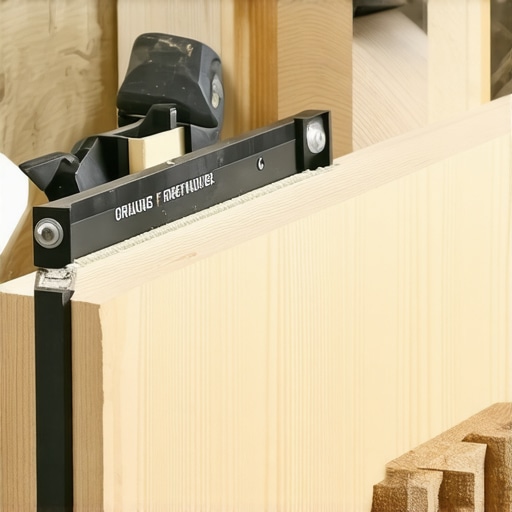
Ditch the Wood Stringers for Long-Term Safety
While pressure-treated lumber is the standard, why I stopped using wood for deck stair stringers in high-traffic areas is due to the inevitable warping that happens over five to ten years. Wood stringers are thin at the ‘throat’—the part of the board left after you cut the triangles out—and this is where they snap. If you must use wood, ensure you are using the trick to cutting perfect deck stringers on the first try by using a framing square with stair gauges to ensure every single cut is identical.
The Secret to a Silent Step
Nothing ruins a peaceful evening like a loud ‘creak’ every time someone goes to the cooler. Using a high-quality construction adhesive on the top of the stringer before laying down your boards is the simple way to stop deck stairs from squeaking when you step. This adhesive fills the micro-gaps between the board and the wood, preventing the friction that causes noise. Additionally, don’t just rely on toe-nailing screws; use the bracket that makes your deck stairs feel rock solid to ensure the connection between the stringer and the deck frame never shifts. When using the best composite decking for high-traffic entryways, remember that these boards require even tighter spacing on the stringers because they are more flexible than traditional wood. By narrowing the gap between stringers to 10 or 12 inches on center, you ensure that your extra-wide 12-inch tread feels as firm as a concrete sidewalk.
While most contractors will tell you that sticking to the local building code is the mark of a good job, I’m going to tell you something controversial: building to code is essentially building to a ‘D-minus’ grade. It is the absolute lowest level of safety allowed by law without the city shutting down your project. If you want a staircase that actually feels premium, you have to look at the hidden nuances that most DIYers—and even some pros—completely ignore. For instance, the truth about maintenance-free decking claims is that while the boards won’t rot, the stairs are still subject to the laws of physics. If your stringers are slightly off, those expensive composite boards will eventually cup or squeak, regardless of the brand name.
Why Bare Minimum Code is Actually a Failing Grade
In my years as a skilled deck builder, I have seen too many homeowners settle for a 10-inch tread because ‘that’s what the book says.’ But here is the nuance: the International Association of Certified Home Inspectors (InterNACHI) notes that most stair-related falls occur during the descent, and the primary culprit is a lack of adequate foot-room. When you account for a 1-inch nosing (the part of the step that hangs over the one below), a 10-inch tread effectively gives you only 9 inches of landing space for your heel. That is a recipe for a tumble. I always push for a 12-inch tread with a maximum 1-inch overhang. This creates a massive, stable platform that feels as solid as the floor in your living room.
Can you really mix different materials for the frame and the treads?
This is an advanced question I get from clients looking at choosing the right composite decking for durable areas. The answer is yes, but you must account for the different expansion rates. Wood frames move differently than PVC or capped-composite boards. If you don’t use the spacing secret for installing composite decking, you’ll find your stairs buckling when the summer heat hits. I’ve seen beautiful custom composite decking ideas ruined because the builder didn’t realize that a 12-foot stair run can expand by as much as half an inch. 
The Overhang Trap That Trips Up Every Pro
The ‘Oops’ factor most people miss is the nosing length. If your overhang is too long—say, over 1.5 inches—it becomes a trip hazard for people walking *up* the stairs, as their toes catch the underside of the board. If it’s too short, you lose the visual shadow line that helps the human eye distinguish where one step ends and the next begins. This is a critical part of designing safe and stylish stairs. To avoid this, I always use a 1-inch overhang and then incorporate the glare-free way to light your deck stairs. By placing low-voltage LEDs under that 1-inch lip, you define the edge of the step without blinding the person walking toward them. It’s these small, technical details that separate a ‘porch’ from a true outdoor masterpiece.
You also need to be obsessive about moisture management at the connection points. I’ve spent a lot of time analyzing why your deck stairs are the first thing to rot, and it almost always starts at the ‘throat’ of the stringer where water sits in the wood grain. To combat this, I recommend how to protect your deck frame from rot for thirty years by using joist tape on every cut surface of your stair stringers. Have you ever fallen into the trap of thinking code-minimum was ‘good enough’ only to regret it later? Let me know in the comments below.
Beyond the structural nuances, keeping your stairs in top condition requires a shift in how you think about your toolbox. When I’m in the thick of a build, the most common question I get isn’t about the wood—it’s about the gear. If you want stairs that look like they were installed by a robot and feel like they’re part of the house, you need to ditch the standard circular saw for your finish cuts. I personally use a track saw for every single stair tread. Why? Because a standard saw blade can deflect, especially when you are cutting through dense composite materials. A track saw ensures a perfectly straight, splinter-free edge every time, which is essential when you are trying to hide the end grain of your deck boards for that high-end finish. This level of precision is part of the deck builder insights that separate a weekend project from a legacy build. 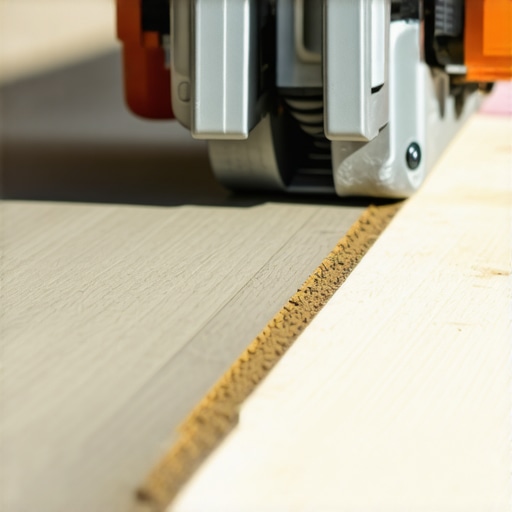
Why Your Circular Saw is Ruining Your Stair Lines
It’s not just about the saw, though. Before I even pick up a tool, I am living in the design phase. I’ve found that why I never start a complex deck project without a digital 3d walkthrough first is simply because stairs are three-dimensional puzzles. A digital model allows me to check the clearance for innovative stairs solutions before a single board is wasted. According to the American Wood Council’s Design for Code Acceptance (DCA) 6, even a 3/8-inch difference between the height of two adjacent steps is enough to cause a fall. Digital planning ensures that every riser is mathematically identical to the millimeter, preventing those micro-stumbles that ruin the experience of your backyard.
How do I keep my composite stairs looking new for decades?
Maintenance is the part of the truth about maintenance-free decking claims that most people ignore. While the boards won’t rot, they still face the elements daily. For starters, you should know why you should never power wash your composite deck; the high pressure can etch the surface and leave permanent marks. Instead, use a soft-bristle brush. If you’re hosting a summer party and someone drops a burger, knowing how to clean grease stains off composite without ruining the finish is vital—dish soap and warm water are usually your best friends. Don’t forget the gaps, either. I always tell my clients about the best way to clean pine needles out of deck gaps because trapped organic matter holds moisture against your frame, leading to premature rot.
The Digital Future of Backyard Design
Looking ahead to composite decking trends 2025, I predict we will see even more integration of smart technology into the stairs themselves. We are already moving toward the glare-free way to light your deck stairs using motion-activated sensors that only illuminate when someone approaches. This isn’t just ‘cool’ tech; it’s a massive leap in designing safe and stylish stairs. My biggest piece of advice for anyone tackling this themselves? Focus on the foundation. Use the trick to cutting perfect deck stringers on the first try and always prioritize how to protect your deck frame from rot for thirty years by using joist tape. It’s the one advanced tip I give every homeowner: that small roll of tape is the barrier between a deck that lasts ten years and one that lasts forty. Give it a try on your next project and see the difference it makes for your peace of mind.
Lessons Learned From a Decade of Defying Local Building Codes
Over the years, I’ve realized that the ‘White Shoe Test’ is more accurate than any tape measure. If a guest in size-12 sneakers has their heel hanging off the edge of your step, you’ve failed them. I’ve shifted my standard builds to a 12-inch tread because human feet and footwear have physically grown larger over the last fifty years, yet building codes haven’t changed. Another lightbulb moment came when I realized that the mistake that makes your deck stairs trip hazards is often a lack of visual contrast. If you don’t use a different colored board for the nosing, your brain struggles to find the edge in the high-noon sun. Finally, never underestimate the power of a ‘landing pad.’ Transitioning directly from a staircase onto soft grass can lead to twisted ankles; I always recommend the best way to transition from a composite deck to a green lawn is a solid stone or concrete pad at the base.
The Toolkit That Makes My Stairs Feel Solid as a Rock
If you want to move from ‘good enough’ to ‘premium,’ you need to upgrade your gear. I never step onto a job site without a dedicated track saw for my final tread cuts; it eliminates the splintering that ruins choosing the right composite decking for durable, low-maintenance outdoor areas. I also swear by G-Tape or high-quality joist tape. This is the only way to ensure your frame survives as long as your composite boards. For planning, I’ve found that why a digital designer is the best move for planning a complex backyard deck is because it catches math errors before you cut expensive lumber. Lastly, don’t forget the DCA 6 manual from the American Wood Council. It is the ‘bible’ of deck safety and provides the structural physics that your local code might gloss over.
Your Backyard Deserves a Safer Foundation
Building a set of stairs is about more than just moving from Point A to Point B. It’s about the peace of mind you feel when you watch your kids run outside without shouting ‘be careful!’ Every extra inch of tread and every piece of joist tape is an investment in your home’s legacy. Whether you are looking for innovative outdoor living ideas with composite decking in 2025 or just want a quiet place to drink your coffee, the foundation of that experience starts with the steps you take to get there. Don’t be afraid to go beyond the bare minimum; your future self (and your knees) will thank you. If you’re feeling overwhelmed by the technicalities, a skilled deck builder can help translate your vision into a structural reality that lasts for decades. Are you planning to stick with the 10-inch code minimum, or are you going for the luxury of a 12-inch tread? Let me know in the comments!