
It was a sweltering Tuesday in July, the kind where the air feels thick enough to chew. I was carrying a tray of ice-cold lemonade out to the patio, looking forward to a moment of silence. Then it happened. CREAK. It wasn’t just a small peep; it sounded like a haunted floorboard in a Victorian mansion. Every step I took across my supposedly relaxing outdoor space triggered a chorus of groans and snaps. It’s embarrassing, isn’t it? You spend all this time and money on your yard, only for it to announce your every move to the entire neighborhood. If you’ve ever felt like your deck was complaining about the heat just as much as you were, you aren’t alone.
The Summer Heat is Turning Your Deck Into a Giant Instrument
The truth is, your deck is a living, breathing thing—well, technically it’s expanding and contracting. When the sun beats down, those boards grow. If they don’t have anywhere to go, they rub against each other, the joists, or the fasteners. I’ve spent years as a professional deck builder seeing this exact scenario play out. We often think the noise is just ‘old wood,’ but even modern materials have their quirks. For instance, knowing why your composite boards are expanding more than expected is the first step in silencing that racket. Today, I’m going to show you exactly how to track down those friction points and stop the noise for good, without having to rip up your whole afternoon.
Is fixing a noisy deck actually possible without a total teardown?
I’ll be honest: early in my career, I made a massive mistake. I thought the solution to a squeaky board was to just drive more screws into it as hard as I could. I ended up with a deck that looked like a pincushion and—guess what?—it still squeaked. I didn’t realize that the noise was coming from the boards rubbing against the side of the joist, not the top. According to research from the USDA Forest Products Laboratory, wood and composite materials can exert significant pressure during thermal expansion, which often leads to the ‘popping’ sound as the material overcomes the friction of a fastener. It’s a physical reality, but it’s one we can manage with the right hardware and spacing. Whether you are dealing with stairs that squeak or a field of boards that pop, there is a systemic way to fix it. We might need to look at how to stop deck stairs from squeaking or perhaps adjust how your fascia boards are installed so they don’t buckle. Have you ever felt like your deck was literally screaming at you during a heatwave? I want to hear your most frustrating ‘noisy deck’ stories before we dive into the nuts and bolts of the fix.
Track Down the Friction Points First
You can’t fix what you haven’t found. Think of your deck like a giant stethoscope. Have someone walk on the noisy areas while you crawl underneath—safely, of course. You aren’t just looking for loose boards; you’re looking for ‘shiners.’ These are screws or nails that missed the joist and are now rubbing against the side of the wood like a violin bow. While you are down there, check for moisture traps. Knowing how to keep your deck joists from rotting under the boards is essential because soft wood doesn’t hold screws, leading to permanent wobbles and noise. I remember a project where the homeowner thought the whole frame was rotting. In reality, it was just three nails rubbing against a ledger board. Once we swapped those for high-quality fasteners, the silence was instant. Using the reason we use structural screws instead of old-fashioned lag bolts ensures that the frame stays rigid and doesn’t shift, which is often the root cause of that deep, structural groan.
Switch to Hidden Clips for a Quieter Floor
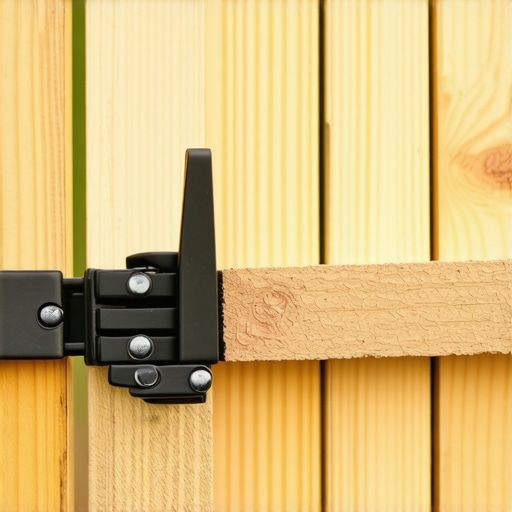
If your deck uses composite materials, the way you attach them determines how much noise they’ll make. Old-school face-screwing—driving screws through the top of the board—is a recipe for popping sounds. As the board heats up, it tries to expand, but the screw head acts like a fixed anchor. The board eventually ‘jumps’ past the screw, creating that sharp pop. This is why we use hidden clips for the field but screws for the perimeter. These clips allow the boards to slide microscopic amounts back and forth without grinding against a metal fastener. This lateral movement is the difference between a silent walk and a noisy afternoon.
Give Your Composite Boards Some Breathing Room
Thermal expansion is inevitable, especially with darker colors. I once visited a deck in a tight backyard where the boards had expanded so much they were actually pushing against the house siding, causing the whole structure to bow and pop like a drum. To fix it, I had to take a circular saw and carefully create a relief gap. You should always learn how to stop composite boards from expanding into your vinyl siding by leaving at least a 1/2-inch gap at the house line. Also, pay attention to the seasons; the spacing secret for installing composite decking in winter involves leaving wider gaps than you would in July because those boards are currently at their smallest footprint.
How to Kill the Creak in Your Outdoor Stairs
Stairs are the most common culprits for noise because they take the most concentrated force. A simple screw isn’t enough to handle the sheer weight of a person stepping down. This is why stair treads need more than just screws to stay quiet. You need to apply a bead of subfloor adhesive to the stringers before laying the tread down. This creates a rubber-like gasket that absorbs vibration. If the stringer itself feels flimsy, adding the bracket that makes your deck stairs feel rock solid can prevent the lateral sway that causes wood-on-wood friction. Finally, why we always double block the middle of a long stair run for stability is a trick I learned after a set of wide stairs started chirping like a field of crickets. Blocking stops the stringers from twisting, which is where nearly 90% of stair noise originates.
Why More Screws Might Be Ruining Your New Deck
Here is a piece of advice that usually shocks my clients: stop trying to pin your deck to the earth like you’re mounting a specimen in a museum. The most common mistake I see—even from seasoned DIYers—is the belief that ‘stiffer is better.’ In the world of high-end outdoor living, over-fastening is actually a death sentence for your peace and quiet. When you drive a screw into a composite board without allowing for its natural movement, you are essentially creating a pressure cooker. Eventually, that energy has to go somewhere, and it usually escapes in the form of a loud, jarring pop at 2:00 PM when the sun is at its peak. This is why transforming your outdoor living space requires an understanding of the ‘thermal dance’ these materials perform.
The Invisible Rot Trap Beneath Your Feet
We often get so distracted by the beauty of the top boards that we forget the skeleton underneath is still susceptible to the laws of biology. It is a heartbreaking nuance of my job: I’ve seen ten-year-old decks where the composite boards look brand new, but the frame is completely hollowed out by rot. If you don’t prioritize how to protect your deck frame from rot for thirty years, you are essentially building a mansion on quicksand. The noise you hear might not be a loose screw; it might be the sound of a joist failing to hold its grip. In fact, a study by the American Wood Council emphasizes that the connection between the ledger and the house is the most frequent point of structural failure. If that connection isn’t tight, the whole deck will shift and groan like an old wooden ship. This is also why we’ve seen a massive shift in the industry toward more durable skeletons; the hidden benefit of using steel deck framing instead of wood is that steel doesn’t shrink, warp, or rot, which eliminates about 95% of the creaks associated with timber frames.
Why does the frame rot even when the boards look brand new?
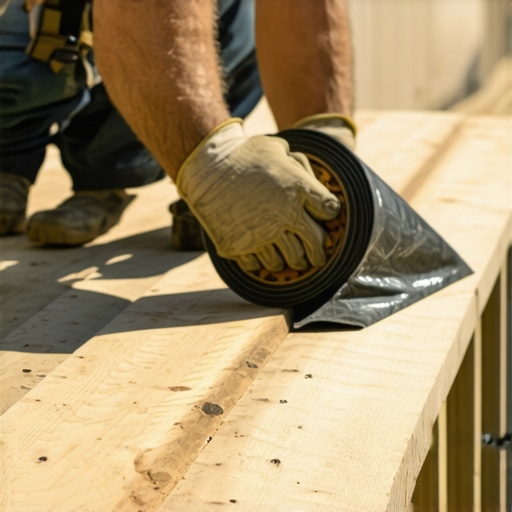
The answer lies in ‘moisture sandwiching.’ When rain falls on a deck, water gets trapped between the flat surface of the joist and the bottom of the deck board. Without airflow, that wood stays damp for days, even in the heat. It’s a silent killer. Have you ever fallen into this trap of focusing only on the aesthetics while the structural integrity suffered? Let me know in the comments below. To prevent this, always use joist tape to create a waterproof barrier. If you skip this $50 step, you’re essentially planning for a teardown in a decade.
The Structural Trap That Makes Stairs Crack Under Pressure
If your stairs aren’t just noisy but actually feel like they’re dipping, you might be a victim of the ‘over-cut’ stringer. When a builder cuts the triangular notches for the steps, they often go a fraction of an inch too deep. This creates a stress fracture point. Understanding why your deck stair stringers are cracking at the throat is the difference between a safe exit and a dangerous collapse. Beyond just the safety aspect, that tiny crack allows the wood to flex, which creates—you guessed it—that high-pitched squeak. Furthermore, many people forget the foundation. I’ve seen beautiful projects ruined by the post base mistake that causes modern decks to sink into the mud. If the post sinks even a quarter-inch, the entire geometry of the stairs is thrown off, leading to friction points that no amount of lubricant or extra screws can fix. True expertise isn’t in how you finish the deck, but in how you prepare the ground it stands on.
The Tech That Stops Design Errors Before They Happen
I’ve learned the hard way that a pencil and a prayer aren’t enough for complex layouts. These days, I rely on precision tools that bridge the gap between imagination and reality. This is exactly why I never start a complex deck project without a digital 3d walkthrough first. It allows us to catch those weird stair transitions or awkward railing corners before a single board is cut. When I’m on-site, my Bosch GLM laser measure is my best friend. It’s accurate to within 1/16th of an inch, which is vital when you are trying to align deck boards perfectly across a 40-foot wide span. If your measurements are off by even a fraction at the start, that error compounds until your last board looks like a wedge.
How do I maintain my composite deck so it looks new in 2035?
Most people think ‘low maintenance’ means ‘no maintenance.’ That is a myth that leads to stained boards and clogged drainage. For the long haul, you need a rhythm. Every spring, I tell my clients to perform a ‘gap check.’ Clear out the debris between the boards to ensure airflow and drainage. If you had a summer BBQ mishap, knowing how to clean grease stains off composite without ruining the finish is a lifesaver. According to the North American Deck and Railing Association (NADRA), a professional safety inspection should happen annually, focusing specifically on the ledger connection and joist integrity. Don’t ignore the small things either; even knowing the best way to clean bird droppings off dark brown composite boards keeps the aesthetic sharp without damaging the protective capping.
#IMAGE_PLACE_HOLDER_D#
Smart Lighting is the Future of Outdoor Living
Looking ahead, I predict we are moving away from simple ‘on/off’ switches toward fully integrated environments. By 2025, composite decking trends suggest that decks will function more like indoor living rooms, complete with automated climate and lighting zones. I’ve already started installing the best low-voltage transformers for large outdoor lighting projects that link directly to smartphone apps. This isn’t just about showing off; it’s about safety and longevity. When your lighting is programmed to dim at midnight, you’re saving energy and extending the life of your fixtures.
Build for the Long Haul Starting Today
If you want to stop the squeaks and guarantee your deck survives the next three decades, you have to prioritize the skeleton. I cannot stress enough how to protect your deck frame from rot for thirty years using joist tape and the reason we use structural screws instead of old-fashioned lag bolts. These aren’t just ‘pro tips’—they are the foundation of a silent, sturdy home. I challenge you to go out this weekend, grab a flashlight, and look at your ledger board. If you see even a tiny gap, it’s time to act. If you’re feeling overwhelmed by the technical side of your dream project, don’t hesitate to reach out to a professional deck builder to ensure your investment stays silent and safe for a lifetime.
What Years of Creaky Deck Calls Taught Me About Silence
Over the years, I’ve realized that a noisy deck is rarely just one thing; it’s a symphony of small stresses that finally boil over in the summer sun. First, never underestimate the power of a tiny gap; thermal expansion isn’t the enemy, but resistance is. When you are choosing the right composite decking for durable low-maintenance outdoor areas, you have to prioritize materials that allow for movement. Second, noise is often a warning sign of structural fatigue. If your frame is shifting, your boards will eventually scream about it. Finally, I’ve learned that silence isn’t a one-time fix—it’s the result of extreme precision during the initial build phase. A 1/16th inch difference can be the line between a ‘pop’ and true peace.
My Go-To Gear for a Noise-Free Outdoor Haven
To get the best results on my job sites, I always rely on a specific toolkit that eliminates noise at the source. I swear by high-quality joist tape because it creates a rubberized gasket between the wood and the board, which is essential when learning how to protect your deck frame from rot for thirty years. I also never head to a project without my Bosch laser measure; keeping your spans perfectly square is your best defense against ‘shiner’ screws. Lastly, the reason we use structural screws instead of old-fashioned lag bolts is because they provide a permanent, non-slip grip that won’t loosen or groan as the seasons change. Using these professional-grade fasteners ensures your outdoor living space remains a sanctuary rather than a soundboard.
#IMAGE_PLACEHOLDER_E#
Bring the Quiet Back to Your Backyard Sanctuary
Your deck should be a place for recovery and relaxation, not a source of constant irritation every time you take a step. By taking the time to track down friction points and focusing on the integrity of the skeleton beneath your feet, you can transform a noisy eyesore into a silent retreat. Whether you decide to tackle these fixes as a weekend project or look into the benefits of working with a professional deck builder, the goal is a deck that stays quiet so you can finally enjoy the silence of a summer evening. Have you ever found a ‘shiner’ screw or a hidden rub-point that was driving you crazy? Let me know your detective stories in the comments below!