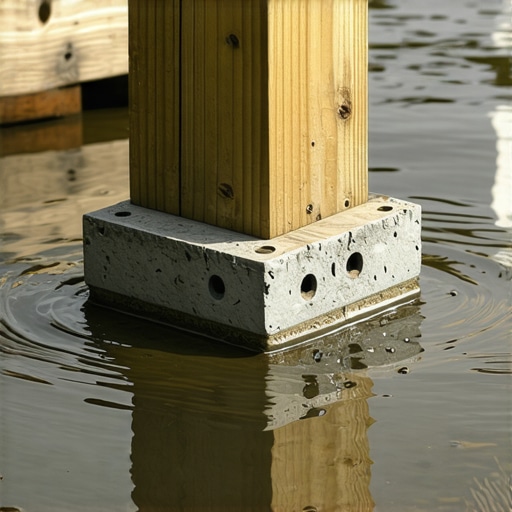
I’ll never forget the sound. It wasn’t a loud crack, but a slow, rhythmic groan coming from the corner of a project I’d finished just six months prior. I walked out with my coffee, looked at the ledger board, and my heart sank faster than the post I was looking at. The deck had shifted two inches down into the spring mud. I had done everything by the book for the top side, but I’d been lazy with the base. It was a rookie move that cost me a week of unpaid labor to jack up the frame and pour proper footings.
My Expensive Lesson in Soil Science
Early in my career, I thought those pre-cast concrete cookies or pier blocks were a gift from the construction gods. They’re cheap, easy to move, and they look official. But here’s the reality: they have the footprint of a ballerina. When you pile thousands of pounds of custom deck design elements on top of a 12-inch block, you’re basically asking the mud to swallow your hard work. This is the primary reason I see homeowners struggling with how to fix a deck that has started to pull away from the siding. If the foundation moves, the whole house-to-deck connection becomes a giant lever, prying itself apart.
Is digging deep footings actually worth the extra sweat?
I get it. Nobody likes digging three or four feet into rocky soil. You might wonder if you can just get away with a gravel pad or a few extra blocks. The short answer? No. Not if you want a deck that lasts. According to the Federal Emergency Management Agency (FEMA), soil saturation can reduce load-bearing capacity by over 50%, meaning that stable ground in July becomes a swamp in April. When your foundation isn’t set below the frost line or on a wide enough base, you end up with that annoying structural reason your deck feels bouncy when you walk. It’s not the wood flexing; it’s the entire structure oscillating on a soft mud pillow. Today, we’re going to fix this. I’m going to walk you through why we’ve moved away from old-school blocks and toward modern post-base systems that distribute weight properly. Whether you’re a DIYer or looking for the benefits of working with a professional deck builder, you need to know what’s happening underground before you spend a dime on the boards above. Have you noticed your railing looks slightly crooked after a heavy rain? Drop a comment below; I’ve probably seen and fixed exactly what you’re dealing with.
Get Below the Frost Line or Face the Consequences
You wouldn’t build a skyscraper on a stack of pancakes, yet I see people putting 4,000-pound decks on 12-inch patio stones every weekend. To get a deck that doesn’t groan every time you walk on it, you have to start with the ‘bell-bottom’ footing. I remember a job in Missouri where we were hitting 36 inches deep for a custom deck to a high-end Reeds Spring landscape. We hit a layer of shale that would have stopped most DIYers, but if we hadn’t pushed through, that frost-heave would have snapped the ledger bolts within two winters. The frost line is non-negotiable; as the ground freezes, moisture turns into ice lenses that expand and exert thousands of pounds of upward pressure. If your footing isn’t deep enough, the earth will literally spit your deck out. 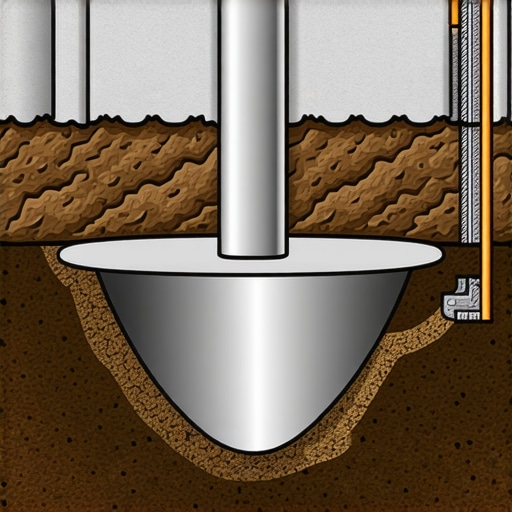
Why Your Frame Needs to Outlast Your Boards
Most people obsess over the color of their low-maintenance outdoor areas, but the real magic happens in the skeleton. If you’re investing in custom composite decking ideas, that material is going to last 25 to 30 years. If your pressure-treated frame rots in 15, you’ve just thrown away thousands of dollars. This is exactly why I’ve switched to the ‘belt and suspenders’ method. I always tell my crew that we have to protect your deck frame from rot for thirty years by using joist tape. It’s a small, inexpensive butyl tape that seals the top of the wood from standing water. Without it, every screw hole becomes a tiny straw that sucks moisture deep into the grain.
Stop the Sway with Structural Hardware
Have you ever stood on a deck and felt it move slightly to the left when you walked to the right? That’s lateral sway, and it’s a sign that your deck is slowly prying itself off the house. In the old days, we just hammered a few extra nails and called it a day. Now, we know better. I’ve seen firsthand why your deck ledger needs a tension tie to stay secure. These metal brackets connect the deck joists directly to the house floor joists, creating one continuous structural unit. It’s the difference between a table that wobbles and one that’s bolted to the floor.
Don’t Forget the Foundation Under Your Feet
Your stairs are the most high-traffic part of the entire build, yet they are often the most neglected structural element. If you don’t pour a solid concrete pad for the stairs to land on, the stringers will sink into the dirt, causing the structural reason your stairs feel like they are leaning. I once visited a homeowner who thought their stairs were ‘just settling,’ only to find the bottom three inches of the wood had turned into mush because it was sitting in a puddle. To prevent this, I always use the bracket that makes your deck stairs feel rock solid to keep the wood elevated slightly off the concrete. This ensures airflow and stops the ‘wicking’ effect that leads to premature failure.
The ‘Maintenance-Free’ Lie That Could Warp Your Project
Most homeowners choose composite materials because they are tired of the endless cycle of sanding and staining. However, the truth about maintenance-free decking claims is that ‘maintenance-free’ does not mean ‘physics-free.’ The biggest mistake I see involves thermal expansion. Wood grows when it’s wet; composite grows when it’s hot. If you butt your boards tight against the house trim in July, you’ll likely find your siding buckling by August because those boards have nowhere to go. Understanding why your composite boards are expanding more than expected is the difference between a flat floor and a wavy mess. If you are building in the colder months, you must use the spacing secret for installing composite decking in winter to account for the massive expansion that happens during the first 90-degree summer day. Have you ever noticed your boards ‘growing’ or shifting after a heatwave? Let me know in the comments; it’s a common trap that even some pros miss.
Your Stair Stringers Might Be One Heavy Load Away from Snapping
While we’ve talked about the importance of a concrete landing, the actual anatomy of the wood stringer is where the real danger hides. Why your deck stair stringers are cracking at the throat is almost always due to aggressive over-cutting. To get a deep, comfortable tread, many builders cut too far into the 2×12, leaving only a few inches of solid wood to carry the entire load. According to a study by the North American Deck and Railing Association (NADRA), stair failures are among the leading causes of deck-related injuries. To combat this, I never rely on the wood alone; why we always double block the middle of a long stair run for stability is a non-negotiable standard in my builds. This reinforcement prevents the stringers from spreading outward and provides the lateral stiffness needed for a truly safe climb. 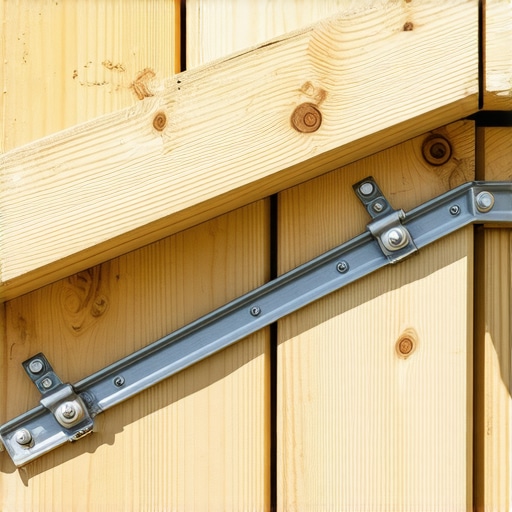
Can your current frame support the weight of modern composite?
This is the question that keeps me up at night when I see DIYers ‘refreshing’ an old deck. Many people assume they can just swap old cedar boards for new composite. But composite is significantly heavier and less rigid than natural wood. If your joists are spaced at 24 inches on center—which was common in the 90s—your new ‘high-end’ boards will feel like a trampoline. To get that rock-solid feel, you often need to add sister joists to bring that spacing down to 12 inches. Furthermore, I always explain why we use double joists under every composite seam for a flat floor. Without that extra wide landing for the fasteners, the ends of the boards eventually curl or ‘lip,’ creating a permanent trip hazard. This is where how a skilled deck builder can turn your garden into a private oasis involves more than just aesthetics; it’s about the invisible engineering that ensures your investment doesn’t sag under its own weight ten years from now.Building a deck that survives the seasons requires more than just muscle; it requires the right arsenal of tools. I’ve seen guys try to build a 500-square-foot masterpiece with a basic drill and a dream, but you’ll end up with stripped heads and uneven gaps. I personally swear by the Camo Marksman system for side-fastening. Why? Because it automatically sets the gap while hiding the screw head in the side of the board. This isn’t just about looks; it’s about how to stop your deck chair legs from catching in the board gaps. When those gaps are uniform and the fasteners are invisible, the deck feels like a high-end interior floor. For the structural side, I’ve permanently retired my old lag bolts. I now use structural screws like the Simpson Strong-Tie SDWS. They are heat-treated, zip right through the wood without pre-drilling, and have a higher shear strength than traditional bolts. This is the reason we use structural screws instead of old-fashioned lag bolts—it saves my wrists and ensures that ledger board isn’t going anywhere for thirty years. 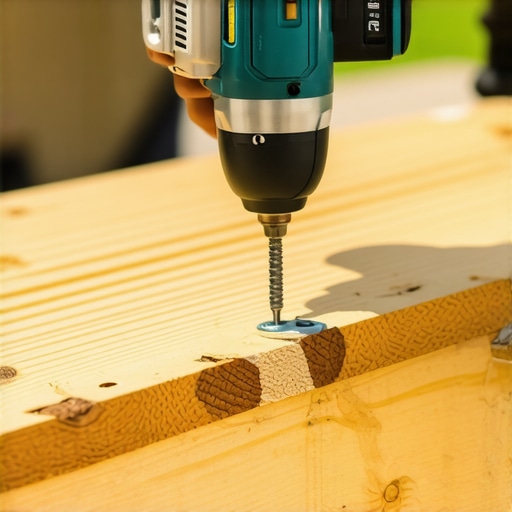
Why the Right Screws Outperform Traditional Lag Bolts
To get a truly professional finish, you have to stop thinking of the frame and the boards as separate entities. They need to be unified. I always use an impact driver with at least 2,000 inch-pounds of torque to ensure every connection is tight. If you are working in tight corners, especially around innovative stairs solutions for safe outdoor deck access, a right-angle attachment for your driver is a lifesaver. It allows you to drive fasteners into the stringers without mangling the wood.
How do I keep my composite deck looking new for decades?
Even though we call it low-maintenance, you can’t just ignore it. Dirt, pollen, and leaves can accumulate in the gaps, leading to drainage issues. I always recommend a semi-annual deep clean using a soft-bristle brush and a pH-neutral cleaner. If you have dark boards, you need to know the best way to clean bird droppings off dark brown composite boards because high-acidity messes can actually etch the surface if left in the baking sun. According to the North American Deck and Railing Association (NADRA), a yearly ‘Check Your Deck’ inspection is critical to ensure the hardware hasn’t loosened and the structural integrity remains intact as the house settles. Looking ahead, I suspect we’ll see more ‘smart’ decks by 2025. We are already seeing composite decking trends 2025 that include integrated sensors to monitor weight loads or moisture levels under the boards. For now, focus on the basics: how to keep your deck joists from rotting under the boards by ensuring proper airflow and using joist tape. If you want to really level up your build, I want you to try this one advanced move: use hidden clips for the field but screws for the perimeter. This gives you a seamless look in the middle where you walk, but the rock-solid stability of face-fastening on the edges where the boards are most likely to curl. It’s a pro secret that separates the amateurs from the masters. If you’re feeling overwhelmed by the technicalities of designing safe and stylish stairs for outdoor decks in 2025, don’t hesitate to reach out to us at contact us for a consultation.< h 2 > T h e H a r d e s t L e s s o n s f r o m a D e c a d e i n t h e M u d < / h 2 > < p > A f t e r y e a r s i n t h e f i e l d , I ’ v e r e a l i z e d t h a t a g r e a t d e c k i s n ‘ t b u i l t i n t h e l u m b e r y a r d ; i t ’ s b u i l t i n t h e p l a n n i n g s t a g e s . O n e o f t h e m o s t i m p o r t a n t l i g h t b u l b m o m e n t s I h a d w a s r e a l i z i n g t h a t < a h r e f = " h t t p s : / / d e c k d e s i g n b u i l d . c o m / t h e - t r u t h - a b o u t - c h e a p - c o m p o s i t e - d e c k i n g - f r o m - b i g - b o x - s t o r e s " > t h e t r u t h a b o u t c h e a p c o m p o s i t e d e c k i n g f r o m b i g b o x s t o r e s < / a > i s t h a t t h e y o f t e n l a c k t h e i n t e r n a l s t r u c t u r e n e e d e d t o r e s i s t w a r p i n g . I a l s o l e a r n e d t h a t y o u c a n ’ t i g n o r e t h e f l o w b e t w e e n y o u r h o u s e a n d t h e y a r d . U s i n g < a h r e f = " h t t p s : / / d e c k d e s i g n b u i l d . c o m / c r e a t i n g - s e a m l e s s - t r a n s i t i o n s - s t a i r s - a s - k e y - e l e m e n t s - i n - o u t d o o r - l i v i n g " > s t a i r s a s k e y e l e m e n t s i n o u t d o o r l i v i n g < / a > a l l o w s y o u t o b r i d g e t h a t g a p n a t u r a l l y r a t h e r t h a n j u s t h a v i n g a w o o d e n b o x a t t a c h e d t o y o u r s i d i n g . L a s t l y , n e v e r u n d e r e s t i m a t e t h e p o w e r o f a c l e a n s i t e — d e b r i s l e f t u n d e r t h e j o i s t s i s j u s t a n i n v i t a t i o n f o r p e s t s a n d r o t . < / p > # I M A G E _ P L A C E H O L D E R _ E # < h 2 > T h e S h o r t L i s t o f T o o l s I ’ d N e v e r S t a r t W i t h o u t < / h 2 > < p > I f y o u ’ r e s e r i o u s a b o u t t h i s b u i l d , p u t d o w n t h e b u d g e t d r i l l . I a l w a y s r e c o m m e n d a h i g h – t o r q u e i m p a c t d r i v e r a n d a d e d i c a t e d d i g i t a l l e v e l t o e n s u r e y o u r p i t c h i s p e r f e c t f o r d r a i n a g e . F o r c o m p l e x l a y o u t s , I ’ v e f o u n d t h a t < a h r e f = " h t t p s : / / d e c k d e s i g n b u i l d . c o m / w h y - i - n e v e r - s t a r t - a - c o m p l e x - d e c k - p r o j e c t - w i t h o u t - a - d i g i t a l - 3 d - w a l k t h r o u g h - f i r s t " > a d i g i t a l 3 d w a l k t h r o u g h < / a > i s t h e o n l y w a y t o c a t c h c l e a r a n c e i s s u e s b e f o r e t h e y b e c o m e e x p e n s i v e m i s t a k e s . I a l s o s w e a r b y a h i g h – q u a l i t y s t a i r j i g ; i t ’ s t h e o n l y w a y t o g e t t h o s e < a h r e f = " h t t p s : / / d e c k d e s i g n b u i l d . c o m / m a x i m i z i n g - o u t d o o r - s p a c e - i n s p i r i n g - d e c k - a n d - s t a i r - i d e a s - f o r - e v e r y - b u d g e t " > i n s p i r i n g d e c k a n d s t a i r i d e a s < / a > o u t o f y o u r h e a d a n d o n t o t h e c o n c r e t e p a d w i t h o u t w a s t i n g l u m b e r . < / p > < h 2 > S t o p D r e a m i n g a n d S t a r t D i g g i n g < / h 2 > < p > T h e p e r f e c t o u t d o o r s p a c e d o e s n ’ t h a p p e n b y a c c i d e n t , b u t i t a l s o d o e s n ’ t h a v e t o b e a n o v e r w h e l m i n g m y s t e r y . B y f o l l o w i n g t h e s e < a h r e f = " h t t p s : / / d e c k d e s i g n b u i l d . c o m / t r a n s f o r m - y o u r - s p a c e - e x p e r t - d e c k - b u i l d e r - t i p s - f o r - s t u n n i n g - o u t d o o r - l i v i n g " > e x p e r t d e c k b u i l d e r t i p s f o r s t u n n i n g o u t d o o r l i v i n g < / a > , y o u ’ r e s e t t i n g y o u r s e l f u p f o r a s p a c e t h a t p r o v i d e s v a l u e a n d r e l a x a t i o n f o r d e c a d e s . W h e t h e r y o u ’ r e l o o k i n g i n t o < a h r e f = " h t t p s : / / d e c k d e s i g n b u i l d . c o m / i n n o v a t i v - o u t d o o r - l i v i n g - i d e a s - w i t h - c o m p o s i t e - d e c k i n g - i n - 2 0 2 5 " > i n n o v a t i v o u t d o o r l i v i n g i d e a s w i t h c o m p o s i t e d e c k i n g i n 2 0 2 5 < / a > o r s t i c k i n g t o a c l a s s i c l o o k , t h e f o u n d a t i o n i s e v e r y t h i n g . Y o u r f u t u r e s e l f — t h e o n e s i t t i n g o n t h a t d e c k w i t h a c o l d d r i n k — w i l l t h a n k y o u f o r t h e e x t r a s w e a t y o u p u t i n t o d a y . H a v e y o u r u n i n t o a n y u n e x p e c t e d r o c k s o r u t i l i t y l i n e s w h i l e d i g g i n g y o u r f o o t i n g s ? L e t m e k n o w i n t h e c o m m e n t s b e l o w ! < / p >