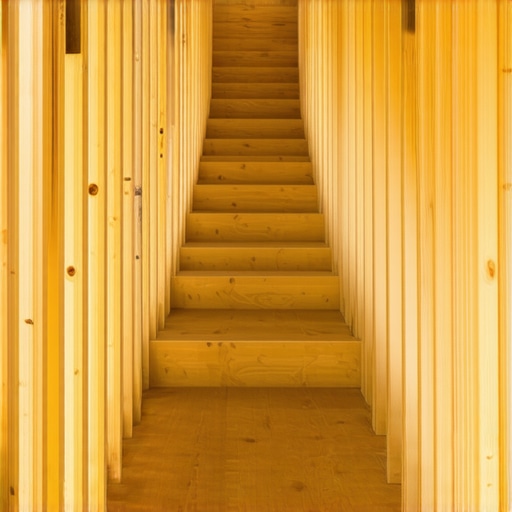
I’ll never forget the sound of my neighbor’s deck stairs shrieking as I walked up them with a tray of burgers. It wasn’t just the noise; it was that unsettling, side-to-side wobble that makes you grip the handrail like a lifeline. I felt like I was on a suspension bridge, not a backyard deck. Years ago, I made the same mistake on my first build. I figured if the stringers were thick and the treads were solid, I was golden. I was wrong. I skipped the internal bracing because I was in a rush to get the grill started, and within a single season, those stairs felt like they were trying to walk away from the house.
Stop the Bounce Before Your Stairs Start Swaying
When you’re dealing with a long run of stairs, gravity isn’t your only enemy. It’s lateral force. If you’ve noticed the structural reason your stairs feel like they are leaning, you’re likely seeing the result of skipped steps in the framing process. I’m here to tell you that double-blocking the middle of your run is the secret sauce to a rock-solid feel. It transforms a group of individual boards into a single, rigid unit. Today, we’re going to dive into why this specific framing move is the difference between a shaky DIY project and a professional-grade staircase. Have you ever felt your stairs ‘walk’ while you were carrying a heavy cooler? It’s a common fear, but the fix is simpler than you think.
Is this just extra work for nothing?
I get it. You’re looking at your pile of lumber and thinking, ‘Do I really need to cut twenty more blocks?’ You might even think your deck stairs need a middle stringer and that’s enough. It’s not. According to the American Wood Council’s DCA 6 guidelines, deck stairs need to handle significant live loads without excessive deflection. While wood is strong, it is also flexible. Over time, that flexibility leads to fasteners backing out and wood fibers compressing under pressure. Double-blocking isn’t just about supporting weight; it’s about stopping the ‘rack’ or the parallelogram effect where the bottom of the stairs wants to kick out. If you’ve ever felt a ‘bounce’ midway up, that is your stringers flexing independently because they aren’t tied together properly.
Double Blocks Create a Rigid Spine
Most people assume that if their treads are squeaking, they just need more screws. In reality, the simple way to stop deck stairs from squeaking usually involves fixing the movement deep inside the frame. When I first started as a professional deck builder, I used single blocks. I thought one row in the middle was plenty. But then I saw how wood twists as it seasons in the sun. By doubling those blocks—placing them back-to-back between every single stringer—you effectively create a solid beam that runs perpendicular to your stairs. This makes it virtually impossible for individual stringers to deflect at different rates, ensuring innovative stairs solutions stay safe for years. We want your staircase to feel like it was poured out of concrete, and that journey starts with the framing you’ll never see once the boards go down.
Lock Your Stringers Together for a Unified Frame
Before you even think about laying down those pretty composite boards, you need to turn those loose, independent stringers into a single, tank-like unit. I start by measuring the exact distance between each stringer at the midpoint of the staircase run. Accuracy here is everything. If your blocks are even an eighth of an inch too short, they won’t provide the lateral resistance needed to stop the sway. I learned this the hard way on a project in a soggy valley where I used single blocks and watched them twist into pretzels after just one wet winter. Now, I cut pairs of blocks for every gap. You want to install them so they are flush with the top edge of the stringer. This provides a massive surface area for your treads to bite into, which is one of the innovative stairs solutions that professional builders use to ensure long-term safety. When you double up the blocks, you’re creating a structural spine that prevents the ‘racking’ motion that makes stairs feel like they are leaning.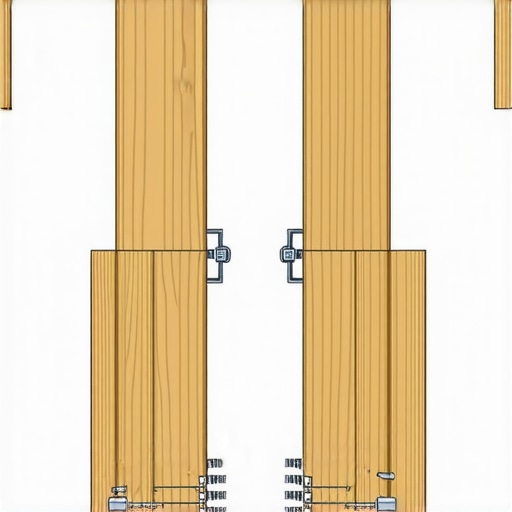
Drive Screws Like Your Reputation Depends on It
When it comes to fastening these blocks, put down the nail gun. Nails are fantastic for speed, but they eventually pull out as the wood breathes and seasons in the sun. Instead, the reason we use structural screws instead of old-fashioned lag bolts or nails is simple: shear strength and massive clamping force. I drive two 3-inch structural screws through the stringer into each end of the block. By doubling the blocks back-to-back, you aren’t just adding wood; you’re creating a ‘sistering’ effect that prevents the stringers from bowing outward under heavy loads. This is especially critical when you are choosing the right composite decking for durable low-maintenance outdoor areas, as composite material is significantly heavier and less structurally rigid than traditional wood treads.
Small Adjustments That Prevent a Total Teardown
One thing I always do is check for square after every third set of blocks. It’s incredibly easy to accidentally ‘fan’ the stairs out if your blocks are slightly too long on one side. I once built a twelve-step run that ended up three inches wider at the bottom than at the top because I didn’t stop to verify my measurements mid-process. It was a nightmare that required a complete teardown. Now, I use a string line to keep the stringers perfectly parallel. This level of precision reflects the benefits of working with a professional deck builder—we understand that the invisible frame is the most important part of the build. Once your blocks are locked in and the framing is rigid, you’ll notice the entire assembly stops feeling like a shaky ladder and starts feeling like a solid floor. This foundation is essential for designing safe and stylish stairs for outdoor decks in 2025 that won’t give your guests a heart attack when they walk up to the grill.Most builders will tell you that adding more stringers is the ultimate fix for a bouncy staircase. I used to think so too, until I realized that ten stringers won’t save a staircase if the connection point at the top is weak. People focus so much on the middle of the run that they forget the ‘shear point’ where the stairs meet the deck. If you aren’t using the bracket that makes your deck stairs feel rock solid, you’re just building a heavy ladder leaning against a wall. The truth about maintenance-free decking claims is that while the boards won’t rot, their extra weight puts immense strain on your fasteners. In my experience, using structural screws instead of old-fashioned lag bolts is the only way to combat this. I once saw a beautiful cedar deck where the stairs detached entirely during a graduation party because the builder used galvanized nails that couldn’t handle the tension of fifteen people standing on the steps at once. 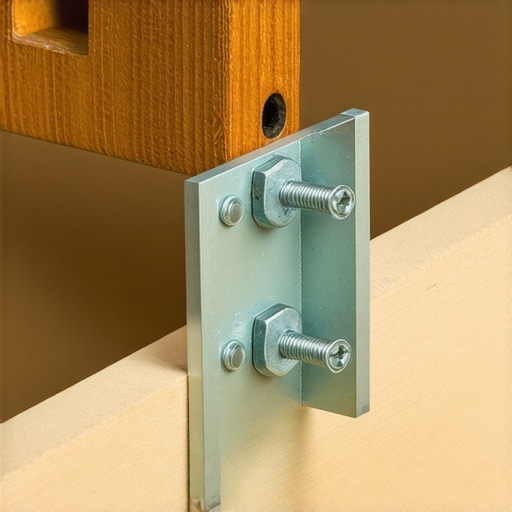
Why Your Bottom Step Is Shifting
The short answer usually comes down to the landing. One of the most common ‘oops’ factors in DIY projects is the landing surface. People think a few leveling stones are enough, but the American Wood Council’s DCA 6 guidelines emphasize that stairs need a frost-protected, solid footing. If that landing sinks even a quarter of an inch, your bottom riser height changes, which is the mistake that makes your deck stairs trip hazards. I always tell clients that designing safe and stylish stairs for outdoor decks in 2025 requires looking at the ground first.
Can you really trust maintenance-free labels?
Beyond the structure, you also need to watch for why your composite boards are expanding more than expected. If you pin the boards too tightly at the stairs without allowing for thermal movement, they will buckle. This nuance is why the benefits of working with a professional deck builder often come down to the physics of the materials rather than just the aesthetics. Have you ever fallen into this trap where your ‘solid’ stairs started to creak or shift after the first winter? Let me know in the comments below, and let’s figure out how to lock your frame down for good.
You can’t just set it and forget it. Even the most expensive composite boards are only as good as the skeleton they sit on. In my two decades of building, I’ve seen $50,000 decks start to fail within a decade because the homeowner—or the builder—ignored the invisible enemies: moisture and movement. If you want your stairs to outlast your mortgage, you have to think about the ‘soft spots’ where wood meets wood. This is why I religiously use butyl joist tape on every single surface where a board will be fastened. This small step is exactly how to keep your deck joists from rotting under the boards. Without it, water gets trapped between the tread and the stringer, turning your structural frame into mush while the composite on top looks brand new.
The Impact Driver is Your Best Friend
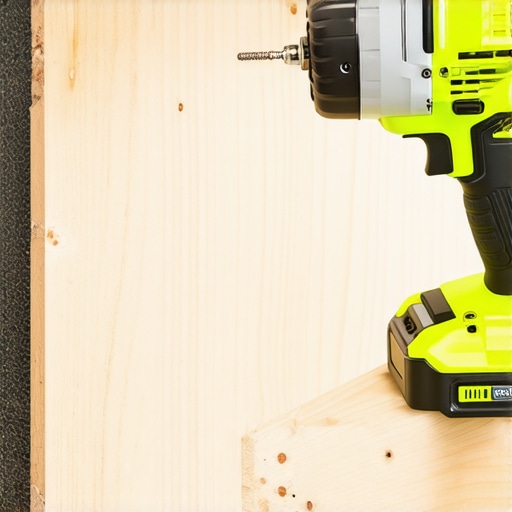
When you’re securing double-blocks or stringers, put your standard drill back in the box. I’ve seen too many DIYers strip out screws or burn up motors trying to force fasteners into pressure-treated lumber. For a rock-solid frame, I use a high-torque 18V impact driver. The rapid-fire hammering action of an impact driver ensures that the screw head seats perfectly without splitting the wood. This is especially vital because the reason we use structural screws instead of old-fashioned lag bolts is for that superior clamping force that only an impact driver can provide. If you aren’t feeling that ‘thump-thump-thump’ as the screw sinks, you aren’t getting the tension required to stop the stairs from swaying over time.
How do I keep my composite stairs from looking tired after five years?
Maintenance is a bit of a misnomer with modern materials; it’s more about prevention and ‘resetting.’ Even when choosing the right composite decking for durable low-maintenance outdoor areas, you still have to deal with the elements. Every spring, I tell my clients to do two things: check the end grains and scan for grease. First, ensure you know the best way to seal the cut ends of composite boards because those exposed edges are the only place moisture can truly penetrate the material. Second, if you had a summer full of BBQs, you need to know how to clean grease stains off composite without ruining the finish. A simple pH-neutral soap and a soft-bristle brush will do more for the longevity of your stairs’ aesthetics than any power washer ever could.
Technical Precision is Not Optional
As noted in the Simpson Strong-Tie Deck Connection and Fastening Guide (C-DECK-22), the integrity of the connection between the stringer and the rim joist is the most common point of structural failure. They recommend specific heavy-duty connectors because the sheer force on a staircase is astronomical compared to a flat floor. We’re moving toward a future where deck safety is integrated into the ‘smart home’ ecosystem. I’m already seeing trends where sensors are placed inside the frame to alert homeowners to moisture levels or structural shifts. In the meantime, the best technology you can add is the glare-free way to light your deck stairs for safety, which uses low-voltage LEDs to protect the wood while ensuring no one takes a tumble. My advanced tip for you today? Before you lay your next tread, grab a roll of butyl tape and seal every stringer edge—it’s the cheapest insurance policy you’ll ever buy.
What a Decade of Deck Building Taught Me About Gravity
I’ve built hundreds of staircases, and if there is one thing I’ve learned, it’s that the wood always wins if you don’t respect it. Here are a few lightbulb moments from my years on the job site that might save your shins and your wallet. First, the Bounce Test is non-negotiable. Before you ever screw down a tread, jump on the middle of your stringers. If they vibrate for more than a second, you haven’t used enough blocking. It’s much easier to add a few more scraps of pressure-treated lumber now than to listen to a rattle for the next twenty years. Second, remember that a staircase is a geometric puzzle. I’ve learned that the trick to cutting perfect deck stringers on the first try is usually just slowing down and measuring three times. If you are off by even a tiny fraction at the top, that error multiplies by the time you reach the ground, which is often why stairs feel like they are leaning. Finally, never underestimate moisture. I religiously use tape on every horizontal surface because knowing how to protect your deck frame from rot for thirty years is the hallmark of a true craftsman.
The Gear That Lives in My Tool Belt for Every Build
You don’t need a warehouse full of tools, but you do need the right ones if you want your project to look professional. I never step onto a job site without these three essentials. The DCA 6 Guide: This is essentially the deck builder’s Bible. It outlines the safety standards for residential wood decks and is a must-read for anyone doing a DIY build. Butyl Joist Tape: This is the cheapest insurance policy you can buy. It seals the wood around your fasteners and prevents water from sitting in the gaps. High-Torque Impact Driver: Forget your standard drill. To drive structural screws into dense, pressure-treated lumber, you need the hammering action of a quality impact driver to ensure the joints are tight. If you’re feeling overwhelmed by the technical side, why I never start a complex deck project without a digital 3D walkthrough first is a great resource to help you visualize the framing before you make your first cut.
Your Family Deserves a Staircase That Does Not Squeak
At the end of the day, building a deck isn’t just about square footage or the latest composite colors; it’s about creating a safe space where your family can make memories without worrying about a wobbling handrail. Taking the extra time to double-block your stringers and use structural fasteners means you are building a legacy that will last as long as your home. When you finally finish that last riser and step back to look at your work, you’ll know that the invisible frame is what truly makes it a masterpiece. For the best user experience, make sure you consider the stair tread depth that feels safest for kids and the elderly to round out your design. Now that you have the secrets to a rigid frame, you’re ready to be the best deck builder your backyard has ever seen. Have you ever encountered a staircase that felt like it was shifting under your feet? Let me know in the comments below!