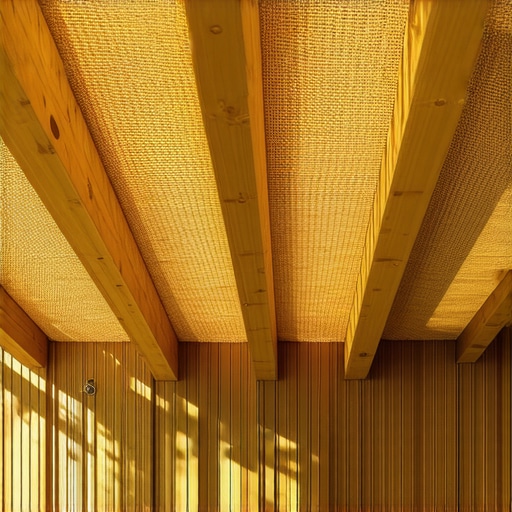
I was halfway through my morning coffee when a robin nearly took my ear off. I was sitting there, admiring the way the sun hit my fresh composite decking, when the bird flew straight past my head and disappeared into the dark gap where the stairs met the main frame. Within a week, my peaceful sanctuary smelled like a farm, and the constant scratching from beneath the boards was enough to drive anyone mad. I’m a professional deck builder, and yet, I was being outmaneuvered by a creature with a brain the size of a pea. It wasn’t just about the mess, although learning how to clean bird droppings off dark brown composite boards became a weekend ritual I never signed up for. The real issue was the noise and the risk of those nests attracting other pests like mites or even wood-boring insects. [IMAGE_PLACEHOLDER]
Those Uninvited Tenants Under Your Toes
When we think about outdoor living, we imagine wine and sunsets, not bird mites and aggressive nesting pairs. If you’ve found yourself dodging dive-bombing sparrows or wondering how to stop bird droppings from staining your composite deck, you aren’t alone. Today, I’m going to show you exactly how to fortify your deck’s support structure so birds decide the neighbor’s yard is a much better choice. We are going to look at solutions that actually last, moving beyond the cheap plastic owls and those sticky gels that just end up trapping leaves and dirt.
Is it actually possible to outsmart a bird?
You might be skeptical. After all, birds are persistent, and your deck joists offer the perfect protection from rain and predators. Early in my career, I made the classic mistake of thinking a single scarecrow device would do the trick. I bought a plastic owl, perched it on the railing, and felt pretty smug. Two days later, a sparrow was building a nest right at the owl’s feet. It was a humbling lesson in deck maintenance. According to the Cornell Lab of Ornithology, many birds quickly habituate to stationary decoys; if it doesn’t move or change, they stop fearing it within hours. To truly solve the problem, you have to change the physical environment of the support structure. It’s about making the ledgers, joists, and even the stairs designs physically inaccessible or extremely uncomfortable for a nest. Have you ever spent an afternoon cleaning up nesting debris only to find the birds back at work the very next morning? Drop a comment below if you’ve been in this frustrating battle! I’m going to walk you through the structural moves that work, from netting secrets to why finishing your fascia correctly is your best defense.
Why Heavy-Duty Netting Beats Every Plastic Owl
I treat a deck frame like a high-security vault. If there’s a gap larger than two inches, a determined sparrow will find it. The most effective method I’ve found isn’t flashy; it’s using heavy-duty bird netting or, even better, ¾-inch hardware cloth. Think of your deck joists like the rafters of a barn. While how to keep your deck joists from rotting under the boards is usually the primary concern for longevity, adding a physical mesh barrier prevents the ‘barn’ from becoming a ‘birdhouse.’ I once spent three days on a project in Reeds Spring trying to undo the damage of a family of starlings. They had packed so much damp nesting material against the ledger that the wood was starting to soften. We installed the mesh tight against the bottom of the joists using a heavy-duty stapler, and the problem vanished overnight.
Seal the Perimeter with Intelligent Fascia
A lot of homeowners view the perimeter of their deck as just a finishing touch, but it’s actually your first line of defense. This is why picture framing your deck is more than just a style choice; it creates a solid boundary that makes it much harder for birds to find an entry point. If you leave the ends of your joists exposed, you’re essentially putting out a ‘Vacancy’ sign. By wrapping the entire frame in a high-quality composite fascia, you eliminate the easy access points. Just make sure you aren’t leaving a gap between the top of the fascia and the bottom of the decking boards. If you’re worried about moisture buildup from sealing things too tight, you can use perforated soffit material. It provides the airflow you need to prevent rot while keeping the critters out. 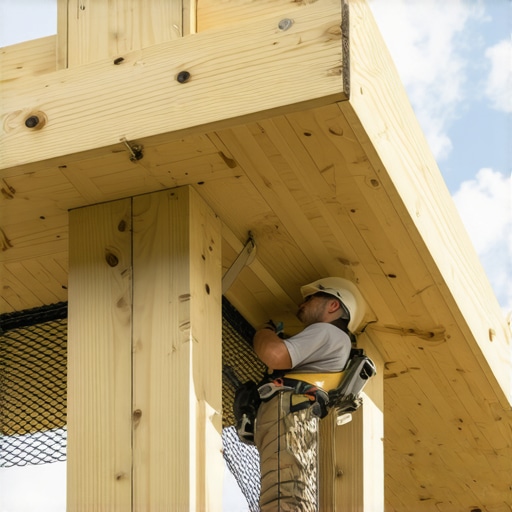
Your Stairs are the Secret Backdoor
Birds are smart. When I blocked off the main frame on that Reeds Spring job, the birds simply moved ten feet over to the innovative stairs solutions for safe outdoor deck access we had just finished. The underside of a stair stringer is like a luxury apartment for a robin—it’s slanted, covered, and usually tucked away from wind. To stop this, you need to ‘close’ your risers. Open-riser stairs are bird magnets. If you prefer the look of open stairs, you’ll need to run that same hardware cloth along the back of the stringers. While you are under there, it’s the perfect time to check your hardware. Using the bracket that makes your deck stairs feel rock solid ensures that while you’re making the space bird-proof, you’re also making it structurally superior. I’ve found that birds hate the vibration of a solid, well-built stairwell; if it doesn’t shake or rattle when you walk, it feels less like a natural tree limb and more like a solid, uninhabitable structure.The industry loves to sell the “maintenance-free” dream, but in my twenty years as a professional deck builder, I’ve realized that’s a dangerous half-truth. People assume that because they spent a premium on choosing the right composite decking, the entire structure is now immortal. The reality? The truth about maintenance-free decking claims is that while the boards won’t rot, the wood skeleton underneath is more vulnerable than ever. Since composite boards don’t breathe like wood, they can actually trap moisture against your joists, creating a humid micro-climate that birds and rot-fungi absolutely adore.
Is your deck substructure secretly rotting under those fancy boards?
It’s a question that keeps me up at night when I see DIY jobs. A common mistake is skipping joist tape or proper flashing. I’ve seen $30,000 decks that look perfect on top but are structurally compromised within seven years because the builder ignored the “sweat” factor. According to research from the USDA Forest Service’s Forest Products Laboratory, wood capped with a non-porous material—like a composite board—is significantly more likely to stay at a moisture content above 20%, which is the “danger zone” for fungal decay. This is exactly how to keep your deck joists from rotting under the boards: you must create a physical barrier between the board and the joist. If you don’t, you’re essentially building a luxury hotel for mold and winged pests.
The Hidden Danger of Winter Installations
Most homeowners want their innovative outdoor living ideas ready by the first warm day of spring, which means building in the winter. Here is the “oops” factor: the spacing secret for installing composite decking in winter is something many crews ignore. If you butt those boards tight in January, they will expand like a bellows in July. I’ve seen entire perimeters buckle and pop screws because the builder didn’t account for thermal expansion. This isn’t just an aesthetic issue; those gaps allow for proper ventilation. Without them, the underside of your deck stays damp, attracting the very birds we’re trying to keep out. Have you ever noticed your boards looking a bit “wavy” after a heatwave? Have you ever fallen into this trap? Let me know in the comments.
Stop Treating Your Stairs Like an Afterthought
Finally, let’s talk about the stairs. Most people think a squeak is just annoying, but why your deck stairs squeak and how to silence them forever usually points to a structural gap. If there’s a gap, a bird will find it. More importantly, if the stairs aren’t supported correctly, you’ll eventually see why your deck stair stringers are cracking at the throat. I always tell my clients that the structural reason your stairs feel like they are leaning is often because the landing wasn’t prepared for the weight of composite, which is much heavier than wood. 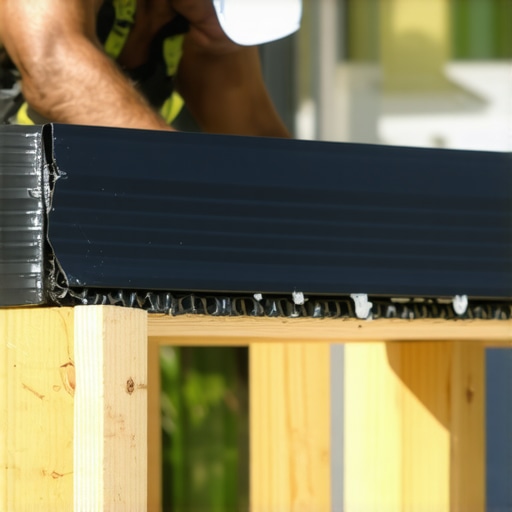 When we build designing safe and stylish stairs for outdoor decks in 2025, we don’t just look at the treads; we look at the seal. If you want to truly bird-proof your home, you have to think like a builder and a biologist at the same time.
The Gear That Actually Survives the Jobsite
After two decades in the mud and sawdust, I’ve learned that a deck builder is only as good as the hardware that stays hidden. While everyone focus on the pretty boards, my obsession is the fastener bucket. If you want a structure that doesn’t groan every time the wind blows, you need to ditch the hardware store specials. I’ve transitioned almost entirely to high-performance structural fasteners. Specifically, why I use structural screws instead of lag bolts for ledgers comes down to shear strength and the sheer time saved. Unlike old-school lags that require pre-drilling and a massive impact wrench, modern structural screws like the Simpson Strong-Tie SDWS zip right in and offer a verified connection that won’t pull out over time. According to the American Wood Council’s DCA 6 (Design for Code Acceptance), these types of fasteners are now the industry standard for meeting lateral load requirements, ensuring your deck stays attached to your house during a party or a storm.
Stop Relying on Your Tape Measure Alone
It sounds like heresy, but for expert deck builder tips for stunning outdoor living, I now lean heavily on digital precision. For complex layouts involving multi-level transitions or integrated seating, why I never start a complex deck project without a digital 3d walkthrough first is simply a matter of avoiding the ‘oops’ factor. This software allows me to calculate exact board counts and thermal expansion gaps before a single board is cut. When you are working with premium materials, a 5% waste factor because of a bad measurement can cost you thousands. I predict that within the next five years, augmented reality (AR) will be the standard on-site tool, allowing us to ‘project’ the frame onto the grass to spot utility interference before we even dig a hole. 
How do I keep the structural frame as healthy as the boards?
Long-term results are all about moisture management. Even if you’ve mastered choosing the right composite decking for durable low-maintenance outdoor areas, the wood frame beneath is the ticking clock. My go-to method for longevity is ‘joist taping’—applying a butyl-based flashing tape to the top of every single joist. It seals the screw holes and prevents water from sitting in the grain. If you want to know how to protect your deck frame from rot for thirty years, this is the single most important step. It’s a tedious afternoon of work, but it doubles the life of the pressure-treated lumber.
Fix it Before the Neighbors Notice
Maintenance isn’t just about cleaning; it’s about structural integrity. If you notice a wobble in your perimeter, you need to address it before the hardware fatigues. Learning how to fix a loose railing post without tearing up the deck boards can save you a full weekend of teardown. I usually look for ‘post-to-deck’ brackets that can be tensioned from below. This proactive approach keeps the safety of your designing safe and stylish stairs for outdoor decks in 2025 intact. My best advice? Next time you are under the deck checking for bird nests, take a 1/2-inch wrench with you and snug up every bolt you can reach. You’ll be amazed at how much ‘creep’ happens over a single season. I challenge you to go out this weekend and check your ledger bolts—if they aren’t structural screws, it might be time for a quick upgrade.
Hard-Won Lessons from the Reeds Spring Jobsite
After twenty years of building, I’ve realized that birds are simply opportunists looking for the same thing we are: a high-quality shelter. My biggest lightbulb moment was accepting that you can’t scare nature away; you can only design it out. I used to think a few extra screws were enough, but now I know that why we use double joists under every composite seam for a flat floor is just as important for pest control as it is for aesthetics. A gap-free structure is a bird-free structure. Additionally, never underestimate the power of a clean ledger board—moisture and nesting material are a lethal combination for your home’s rim joist. When we design for outdoor living, we must remember that the best defense is a physical barrier that leaves no room for uninvited guests.
The Toolkit That Keeps Me Sane on Every Build
If you’re tackling this yourself, don’t walk into the hardware store without a plan. I personally rely on butyl-based joist tape to seal every wooden surface that touches a composite board; it’s the only way to ensure 30 years of life. I also swear by the DCA 6 guide from the American Wood Council—it is the bible for safe deck construction and keeps your insurance company happy. For those tricky layouts, why I never start a complex deck project without a digital 3d walkthrough first is my secret weapon for avoiding costly material waste and spotting bird-friendly gaps before they are built. [IMAGE_PLACEHOLDER]
Take Back Your Outdoor Sanctuary
Building a deck that lasts isn’t just about following codes; it’s about creating a space where you can finally relax without the smell of a barnyard or the sound of scratching under your feet. Whether you are looking at composite decking trends 2025 the ultimate guide for outdoor enthusiasts or just trying to fix a leaning stairwell, remember that the details hidden beneath the surface are what define your home’s value. You have the tools and the knowledge now—don’t be afraid to pull up a few boards and make things right. Your journey as a deck builder is just beginning, and the peace of mind you gain is worth every extra staple and screw. Have you ever discovered a surprising tenant living under your deck boards during a spring cleaning session? Let me know what you found in the comments below!