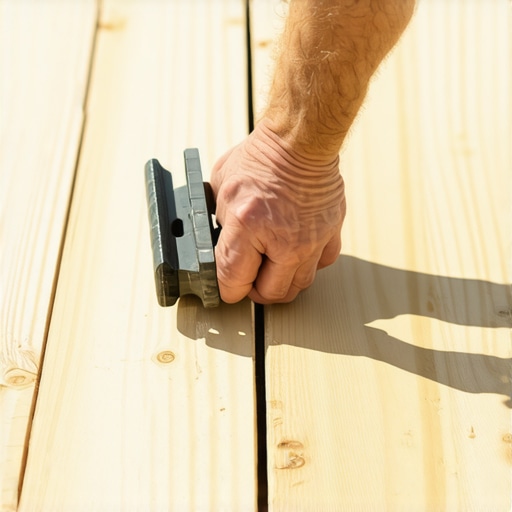
It was a sweltering 95-degree afternoon in July when I finally understood that I had been doing it all wrong. I stood there, wiping sweat from my forehead, staring at a brand-new $15,000 deck where the fascia board was waving back at me like a pool noodle. I had installed it tight, perfectly flush, and looked like a pro for about three days until the sun hit it. That was my ‘lightbulb moment’—composite and PVC fascia aren’t just pieces of trim; they are living, breathing elements that demand respect for thermal physics. If you have ever seen your beautiful trim work turn into a crooked mess after the first heatwave, you know exactly the sinking feeling I am talking about. Today, I am going to share the exact fastening techniques and spacing secrets I learned the hard way so your [outdoor living](https://deckdesignbuild.com/innovative-outdoor-living-ideas-with-composite-decking-in-2025) space stays crisp and straight for decades.
Stop Treating Your Fascia Like Regular Wood Trim
Most of us grew up nailing wood baseboards tight and calling it a day, but that approach is a death sentence for composite. I made the classic mistake of over-tightening my fasteners early in my career as a [deck builder](https://deckdesignbuild.com/how-a-skilled-deck-builder-can-turn-your-garden-into-a-private-oasis), thinking I was making the structure stronger. In reality, I was just building a trap. When the temperature rises, these boards need to grow. If they have nowhere to go because you pinned them down too hard, they will bow outward or ‘buckle.’ You have to understand [why your composite boards are expanding more than expected](https://deckdesignbuild.com/why-your-composite-boards-are-expanding-more-than-expected) before you ever pick up a drill. It is not just about the heat; it is about the coefficient of linear thermal expansion. According to building science data from organizations like the ICC-ES, some composite materials can expand as much as 1/32 of an inch for every 10 degrees of temperature change over a 20-foot span. That might sound small, but over a long run of [stairs](https://deckdesignbuild.com/designing-safe-and-stylish-stairs-for-outdoor-decks-in-2025) or a wide perimeter, it is enough to snap screws or warp the toughest boards.
Is perfect fascia actually worth the extra effort?
I get asked this a lot by homeowners who are trying to save a few bucks. The truth is, the fascia is the first thing people see when they walk into your backyard. It covers the ugly pressure-treated rim joists and provides that high-end, finished look. If you are [choosing the right composite decking](https://deckdesignbuild.com/choosing-the-right-composite-decking-for-durable-low-maintenance-outdoor-areas), skipping the proper fascia installation is like wearing a tuxedo with dirty sneakers. I once had to tear off 80 feet of trim because a client couldn’t stand the sight of the ‘wavy’ edges. It is a headache you do not want. Have you ever noticed your boards looking different in the morning versus the late afternoon? Drop a comment below if you’ve seen your deck ‘move’ throughout the day.
The Secret of Over-Sized Pilot Holes
The single biggest change I made in my process was the ‘oversize and float’ method. Instead of just driving a screw through the board, you need to create a hole that is slightly larger than the screw shank itself. This allows the board to slide back and forth under the screw head as it heats up and cools down. It’s a game-changer. When I’m working on [maximizing space for modern designs](https://deckdesignbuild.com/maximizing-space-modern-designs-for-composite-decks), I make sure every perimeter board is given this ‘room to breathe.’ This is especially critical when you are trying to [hide the end grain of your deck boards](https://deckdesignbuild.com/the-best-way-to-hide-the-end-grain-of-your-deck-boards) or wrapping complex corners. If you pin the corners but don’t allow the center to move, you’re just asking for a mid-summer buckle. We’re going to dive into the specific screw patterns and adhesive tricks that actually hold up under pressure next.
The Framing Skeleton Must Be Dead Flat
You cannot just slap a twelve-inch wide fascia board onto a single rim joist and expect it to stay flat over time. Think of the fascia as the skin of your deck; if the skeleton underneath is crooked, the skin will show every rib. I learned this the hard way on a multi-level project where I skipped the extra blocking. By August, the fascia was waving so badly it looked like a funhouse mirror. Now, I never start trimming until the perimeter is beefed up. When choosing the right composite decking for your project, remember that the fascia is often thinner and more flexible than the floorboards, making it even more susceptible to framing imperfections.
Why You Need Double Blocking for Every Seam
Whenever two pieces of fascia meet, they should never share a single joist. I always install double blocking at every joint to give each board its own dedicated landing zone. This allows you to place your fasteners about an inch back from the edge of the board, reducing the risk of the material splitting or mushrooming. This is especially critical on stairs, where the fascia often takes a beating from foot traffic. If you are trying to hide the cut edges of a wrap-around stair stringer, that extra wood behind the trim gives you the meat you need to drive a screw at a slight angle for a tighter fit.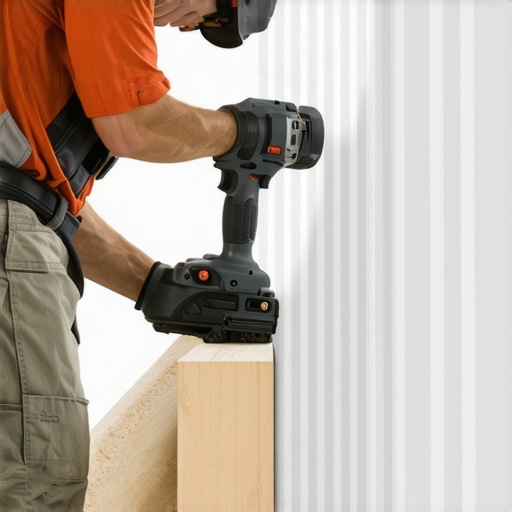
Stop Sinking Screws Too Deep
The biggest technical error I see is guys over-driving their screws. They think burying the head deep makes it more secure, but in the world of outdoor living materials, you are actually creating a pivot point for the board to warp. When you over-tighten, you pin the board so hard against the framing that it cannot expand. This is why your composite boards are expanding more than expected and buckling in the center. I use a depth-setting bit that leaves the screw head perfectly flush with the surface. If you are a deck builder who values a clean finish, consider using color-matched fascia screws with a slightly smaller head; they disappear into the grain but still provide the clamping force needed to keep the board flat.
Glue Those Miters Like Your Reputation Depends On It
Mechanical fasteners alone will not keep a miter joint tight over a ten-year span. I use a high-quality PVC cement or a specialized composite adhesive on every outside corner. I once had a client call me back two years after an install because their beautiful 45-degree corners had opened up into half-inch gaps. It was embarrassing. Now, I glue the joint and use a few ‘trim head’ screws to draw the miter together while the glue sets. This creates a chemical bond that treats the two boards like a single piece of material. This technique is also the simple way to stop deck stairs from squeaking, as it prevents the fascia from rubbing against the stringers as people walk up and down. Whether you are maximizing space for modern designs or just wrapping a simple rectangle, the corner integrity is what separates an amateur job from a professional one.I’ve spent years watching old-school trim guys struggle with composite. They want those hairline miters that look like fine furniture. But here is the contrarian truth: if your miter is perfectly tight in the winter, it’s going to explode in the summer. According to technical bulletins from the North American Decking and Railing Association (NADRA), thermoplastic expansion isn’t a suggestion—it’s a law of physics. When I am transforming your space with expert deck builder tips, I always insist on a ‘seasonal gap.’ This is the spacing secret for installing composite decking in winter that most people ignore. If you don’t account for the ambient temperature during the install, your board might move up to half an inch.
The Wet Framing Trap That Ruins Fascia
The ‘Oops’ factor often comes from the framing itself. If you slap high-end fascia onto ‘wet’ pressure-treated lumber—the kind that’s still dripping from the yard—you’re in for a world of hurt. As that wood dries, it shrinks and twists, pulling your expensive trim with it. This is why we use double joists under every composite seam for a flat floor; it provides a stable, dry landing that resists that twisting motion. One hidden nuance many people miss is ‘thermal memory.’ If a board has been sitting in the sun for four hours, it is at its maximum ‘stretched’ state. If you cut and install it then, it will shrink significantly once the sun goes down. I always tell my crew to let the boards acclimate in the shade for at least 24 hours. If you ignore this, you’ll see those gaps you carefully measured suddenly double in size by morning.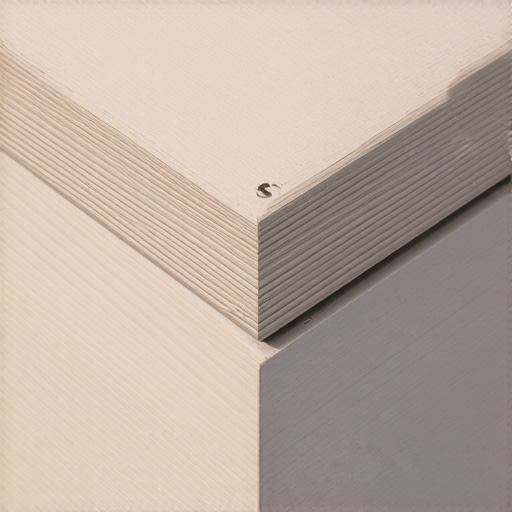
Does your deck feel like it’s fighting itself?
I’ve seen dozens of projects where the homeowner thinks more screws mean more stability. In reality, over-fastening creates internal stress. Have you ever fallen into this trap? Let me know in the comments. When you pin a board in too many places, the material can’t slide, so it buckles. This is especially dangerous on stairs where the fascia is often under tension. If you’re wondering why your deck stair stringers are cracking at the throat, it might be because the fascia was pinned so tightly it actually pulled the framing apart during a cold snap.
Give Your Stairs Room to Breathe
When choosing the right composite decking, remember that darker colors absorb more heat and expand even more. If you’re working on a west-facing deck in July, you might even need to pre-cool your boards in the shade before installing them. It sounds like overkill, but it’s the difference between a deck that lasts and one that looks like a roller coaster in three years. For those building for families, also consider the stair tread depth that feels safest for kids and the elderly when wrapping your stairs, as a thick fascia board can slightly alter your calculated run if you aren’t careful. It’s about finding the balance between ‘held’ and ‘pinioned,’ ensuring your outdoor living space remains as functional as it is beautiful.
Why the Right Tools Stop the ‘Wavy’ Nightmare
To get those results that stop neighbors in their tracks, you have to stop using a standard drill bit. I swear by the Starborn Deckfast Fascia System. It includes a specialized pre-drilling tool that creates an oversized hole for the screw while simultaneously countersinking for the head. This isn’t just about speed; it is about precision. If you are a deck builder who wants to sleep at night, this tool ensures every board has the 1/8-inch of ‘wiggle room’ it needs to expand and contract without binding. I’ve seen guys try to eyeball this with two different bits, but by the tenth board, they get lazy, and that is where the buckles start. This level of detail is essential for transforming your outdoor living with custom composite decking ideas that actually last for decades.
How can I keep my fascia looking brand new for ten years?
Maintenance on composite is low, but it isn’t zero. The biggest threat to your fascia isn’t the sun; it’s the debris that gets trapped behind it. Every spring, I take a garden hose and spray out the gap between the fascia and the rim joist to prevent organic buildup which can trap moisture against your framing. If you notice a spill from a summer BBQ, you need to know how to clean grease stains off composite without ruining the finish. Oil can sit on that vertical surface and bake in, leaving a permanent shadow if left untreated. For those in more wooded areas, knowing the best way to clean bird droppings off dark brown composite boards will save you from scrubbing away the protective UV layer in frustration. 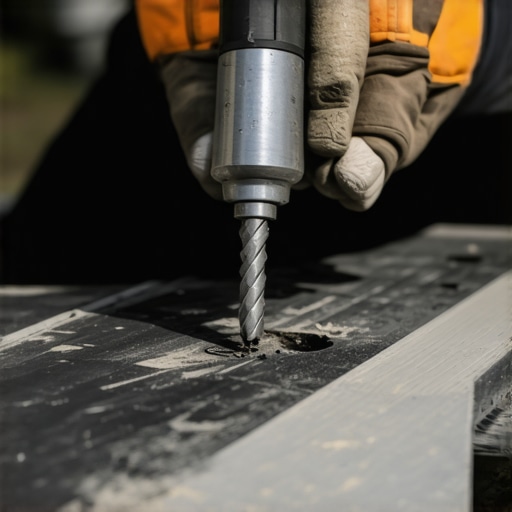
The Future is Made of Steel
If you want to know where the industry is going, look at the skeleton. While we spent years perfecting how we hang boards on wood, the next decade is all about metal. I am increasingly moving my clients toward the hidden benefit of using steel deck framing instead of wood. Steel doesn’t shrink, crown, or twist. When you screw a fascia board into a steel rim track, it stays dead-level forever. This eliminates the ‘oops’ factor of wet pressure-treated lumber entirely. According to the North American Decking and Railing Association (NADRA) technical briefings, the move toward non-combustible and dimensionally stable sub-structures is the single biggest shift in modern construction. Even if you are maximizing outdoor space for every budget, investing in a steel perimeter for your fascia is a move you won’t regret. My advice? Try using a scrap piece of fascia as a ‘story pole’ to mark every joist location before you start—it’s an advanced move that ensures your screw lines are laser-straight across the whole run.
Hard Lessons from My Most Expensive Do-Over
I remember looking at that $15,000 deck mentioned earlier and realizing that my ‘tight is right’ philosophy was actually my biggest enemy. The first lightbulb moment was acknowledging that thermodynamics doesn’t care about your aesthetics. If you are working with deep, rich tones, you have to realize why dark brown decking gets significantly hotter than light gray boards and adjust your gaps accordingly. Secondly, never trust a board that just came off a hot truck; let it acclimate so it reaches its ‘natural’ state before you lock it down. Lastly, remember that your house is also moving. If you don’t leave a buffer, you’ll eventually need to learn how to stop composite boards from expanding into your vinyl siding. It is a domino effect that starts at the fascia.
Three Tools I Won’t Step Onto a Job Site Without
Over the years, I have narrowed my kit down to the essentials that prevent callbacks. First, the Starborn Fascia System is non-negotiable for me because it handles the pre-drilling and countersinking in one motion, ensuring that ‘oversized’ hole we talked about. Second, I always rely on 3D modeling before the first board is cut; why I never start a complex deck project without a digital 3d walkthrough first is simply because it reveals potential fascia clashing points before they become physical problems. Finally, I’ve swapped all my old ledger and rim fasteners for high-torque options, as the reason we use structural screws instead of old fashioned lag bolts is the incredible drawing power they have when pulling a rim joist dead-straight for the trim.
#IMAGE_PLACEHOLDER_E#
Build It Once and Forget It
Creating a perimeter that looks as good in year ten as it does on day one isn’t about working harder; it’s about working with the physics of the material. When you respect the expansion rates and give your boards the room they need to breathe, you are doing more than just building a deck—you are creating a legacy piece for your home. As you follow these composite decking trends for 2025, keep in mind that the smallest details often yield the biggest visual rewards. With a little patience and the right fastening strategy, you can ensure your outdoor living space remains a source of pride rather than a source of maintenance stress. Have you ever seen a fascia board bow out or buckle on a hot summer afternoon? Let me know your experiences in the comments below!