I remember the heat of that July afternoon like it was yesterday. I was standing on a brand-new, slate-grey deck that had cost my client a small fortune. From the curb, it looked like a million bucks—the kind of project that makes it into the composite decking trends 2025 lookbooks. But the second I walked across it to hand the homeowner their keys, my heart sank. Every step felt like I was walking on a thin sheet of rubber. There was this unsettling, spongy flex that screamed ‘cheap,’ even though the materials were top-tier. I had followed the standard rules for wood, and in doing so, I had failed my client. If you have ever walked across a deck and felt that weird, bouncy vibration in your knees, you know exactly what I am talking about. Today, I am going to show you how to avoid that ‘diving board’ effect once and for all. [IMAGE_PLACEHOLDER]
The 16-Inch Trap That Ruins Modern Decks
Early in my career, I assumed that if 16-inch joist spacing was good enough for a heavy pressure-treated pine deck, it was definitely good enough for composite. I was wrong. The structural reason your deck feels bouncy when you walk usually boils down to the simple physics of the material. Unlike natural wood, which has long, continuous organic fibers that provide inherent stiffness, composite is a blend of plastic and wood flour. It is durable and beautiful, but it is also much more flexible. Mechanical testing published in the Journal of Materials in Civil Engineering indicates that many wood-plastic composites have a significantly lower modulus of elasticity compared to solid timber. This means if you don’t adjust your framing, the boards will sag under their own weight—and definitely under yours. This is a common pitfall when choosing the right composite decking; people look at the color and the warranty but forget to look at the framing requirements. Have you ever felt your deck ‘give’ more than it should when you’re just walking to your grill?
Is 12-Inch Spacing Actually Worth the Extra Lumber?
You might be thinking that adding more joists sounds like a way for contractors to pad the bill, but it is the single most important factor in a professional-feeling finish. When I moved to 12-inch on-center spacing for all my composite projects, the difference was night and day. It transforms the surface from a trampoline into a rock-solid floor. If you are struggling with a finished deck that already feels soft, don’t panic—there is why your deck feels bouncy and the affordable fix to stiffen it up without tearing the whole thing down. But if you are in the planning stages, trust me: do not skimp here. The extra few hundred dollars in lumber will save you a decade of annoyance.Even with tight 12-inch spacing, you are not out of the woods yet. If you think of your deck frame like a ribcage, blocking is the connective tissue that keeps those ribs from twisting under pressure. Without it, your joists will eventually ‘roll’ or lean slightly to one side, which is exactly how you end up with those annoying pops and squeaks.
Stop the Side-to-Side Sway with Mid-Span Blocking
I once built a 20-foot long run for a client near Reeds Spring. On paper, the spacing was perfect. But when the homeowner’s Great Dane did a victory lap across the boards, you could actually feel the deck vibrate laterally. We had to crawl back under and install staggered blocking every 4 feet. The difference was immediate—the frame went from a vibrating tuning fork to a solid fortress. When you install these short pieces of wood between your joists, you are essentially creating a continuous beam effect that shares the load across the entire structure. This is one of those deck builder insights that separates a DIY weekend project from a professional-grade living space. 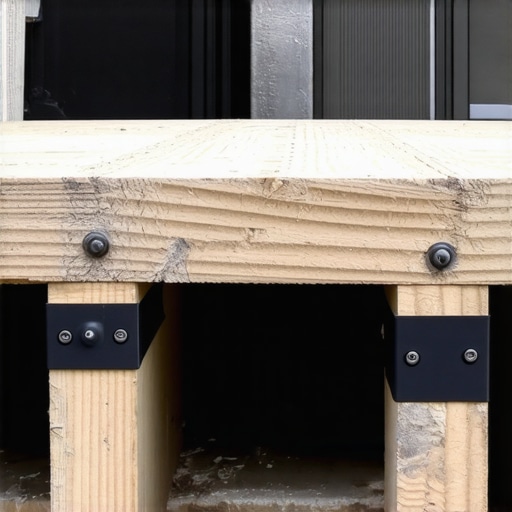
Why We Use Double Joists Under Every Composite Seam
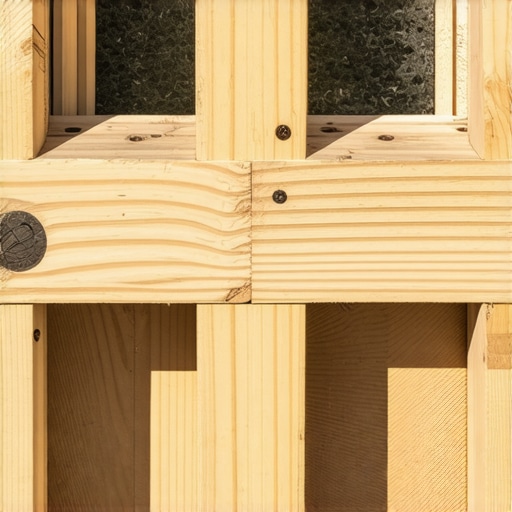
One of the biggest mistakes I see on modern decks is trying to land two composite boards on a single 1.5-inch joist. It is a recipe for disaster. Composite boards expand and contract more than wood, and if they are fighting for space on the same narrow joist, one of them is going to lose its grip. This is why we use double joists under every composite seam. By sistering two joists together where the boards meet, you give each board a full 1.5-inch landing zone. This ensures your fasteners stay secure and prevents the ends of the boards from dipping, which creates a trip hazard and looks amateurish. It also helps you align deck boards perfectly across a 40-foot wide span without having to shim or shave every single connection point.
Make Your Stairs Feel Rock Solid with the Right Brackets
Stairs are the first thing people notice when they walk onto your property, and they are usually the first thing to fail. If you have ever felt a stair tread ‘squish’ under your foot, it is likely because the stringer was cut too thin or was not properly reinforced. I have seen too many projects where deck stair stringers are cracking at the throat because they were bearing too much weight without support. Now, I never build a set of steps without using the bracket that makes your deck stairs feel rock solid. These specialized steel connectors tie the stringer to the frame in a way that screws never could. To keep things looking sharp and lasting decades, protect your deck frame from rot for thirty years by applying joist tape to every horizontal surface. I also like to take it a step further: I paint the tops of my joists black before installing composite so the bright pressure-treated wood doesn’t peek through the gaps, giving the whole project a high-end, shadowy finish.But even with a perfect finish, I’ve seen veterans trip over the ‘more-is-better’ fallacy when it comes to fasteners. There is a prevailing myth that driving more screws into a board makes it more stable. In reality, over-fastening composite boards without accounting for thermal expansion is the fastest way to cause buckling. Unlike wood, composite moves significantly along its length. If you pin it down too tightly, the internal pressure has nowhere to go but up, resulting in warped boards that pull right off the frame. A professional deck builder knows that the frame needs to breathe.
Why Your Picture Frame Miters Keep Opening Up
The ‘picture frame’ border is the hallmark of high-end custom composite decking ideas, yet it’s where most ‘oops’ factors occur. I’ve seen countless decks where the 45-degree miter joints look like wide-open mouths after just one season. This is because why your composite boards are expanding more than expected isn’t just about heat; it’s about the material’s memory. Why picture framing your deck is more than just a style choice involves structural blocking at the corners to lock those miters in place. If you are building in the cold, you must use the spacing secret for installing composite decking in winter: leaving a specific gap at the butt joints to prevent the boards from crushing each other when the summer sun hits them. 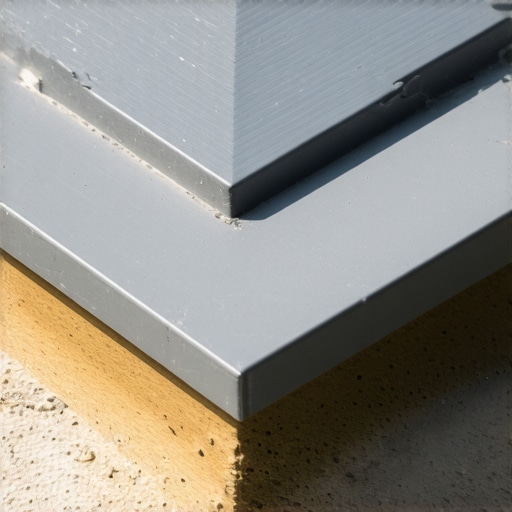
Does a Deeper Stair Tread Actually Improve Safety?
Many homeowners assume that a deeper step is always safer, but the International Residential Code (IRC) notes in section R311.7 that consistency is more important than raw depth for preventing falls. When you design safe and stylish stairs for outdoor decks, you have to watch out for the stair stringer measurement mistake that ruins your stride. If one tread is 11 inches and the next is 13, your brain’s ‘autopilot’ fails. The stair tread depth that feels safest for kids and the elderly is typically 11 inches with a 1-inch nosing. Let’s dig deeper into the noise issue. If your steps sound like a creaky floorboard in a horror movie, it’s usually because of wood-on-wood friction. Why stair treads need more than just screws to stay quiet is a matter of mechanics; fasteners alone can’t stop the micro-movements. I always apply a bead of high-quality construction adhesive to the stringers. It’s a small step that makes a massive difference in how ‘expensive’ the deck feels underfoot. Have you ever fallen into this trap where a ‘simple’ DIY fix made things worse? Let me know in the comments. Whether you are maximizing outdoor space or just refreshing a porch, these nuances are what keep a deck standing—and silent—for decades.
Beyond the skeletal structure of the joists, the physical act of cutting and fastening composite requires a specific toolkit and a different mindset than traditional carpentry. I have seen guys try to use a standard 24-tooth framing blade on high-end capped polymer boards, only to end up with melted plastic and jagged edges that look like they were chewed by a beaver. To get those surgical miters, I swear by a dedicated tracksaw with a high-count carbide blade. It allows me to snap a line across the entire deck and cut the board ends in one continuous, perfectly straight pass. This is the only way to ensure that when you are learning how to install deck fascia boards so they dont buckle in the heat, your joints actually stay tight and flush.
The Gear That Separates Pros from Amateurs
I also stopped using a standard impact driver for railing posts years ago. If you want to eliminate the dreaded ‘deck wobble,’ you need a high-torque structural screw system. Using the bolt pattern that finally stops railing post wobble for good requires precision, and I personally use a specialized drill guide to ensure every pilot hole is perfectly plumb. According to the American Wood Council’s DCA 6 (Prescriptive Residential Wood Deck Construction Guide), the integrity of these connections is the most critical safety point of the entire build. Skimping on the hardware here isn’t just a stylistic mistake; it is a structural liability. 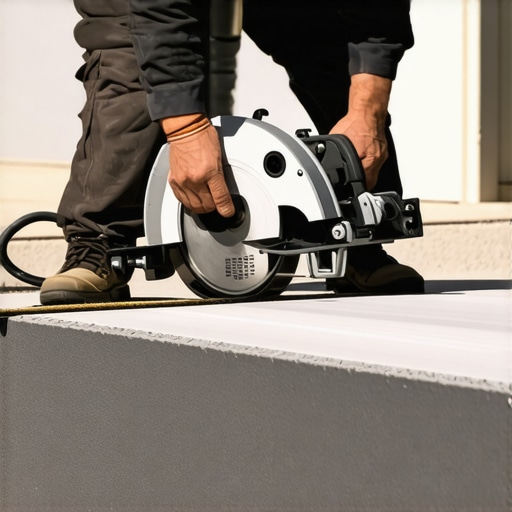
How do I maintain my composite deck’s finish over the long haul?
People often buy composite because they think ‘low maintenance’ means ‘no maintenance.’ That is a dangerous myth. While you will never have to sand or stain it, you do have to protect the surface from environmental stressors. I always tell my clients that the number one rule is to put the power washer away. I have seen the high-pressure stream etch permanent scars into the grain of expensive boards, which is why you should never use a pressure washer on composite decks. Instead, use a soft-bristle brush and a pH-neutral cleaner once a season. For smaller issues, like during barbecue season, knowing the best way to clean bird droppings off dark brown composite boards or grease spills early will prevent permanent ghosting on the material’s surface.
Why 3D Modeling is the Next Big Leap
Looking toward the future, I predict that the era of ‘sketching it out on a napkin’ is officially dead. The industry is moving rapidly toward augmented reality and 3D site scanning. Using a LIDAR-equipped tablet allows us to map the exact contours of your yard before we even buy a single piece of lumber. This precision is why a digital designer is the best move for planning a complex backyard deck, as it eliminates the guesswork that usually leads to costly material waste. If you are planning a build this year, I strongly recommend you try the ‘double-blocking’ method I mentioned earlier—it is the single fastest way to take a deck from ‘okay’ to ‘architectural masterpiece.’ Don’t just build a platform; build a foundation that feels as solid as the house it is attached to.
I have spent years fixing decks that looked beautiful on the surface but were failing from the inside out. If there is one thing I want you to take away from this guide, it is that your deck is only as good as the frame it sits on. Beyond the technical specs, it is the peace of mind you build into the structure that truly matters.
The Hardest Lesson I Learned About Building Quiet Decks
For the longest time, I thought that if a deck met the minimum building code, it was ‘good enough.’ I was wrong. I once had to go back to a project three months later because the homeowner could hear a clicking sound every time they walked to their hot tub. It turns out, even with the right spacing, the lack of joist tape was allowing moisture to sit between the composite and the wood, creating a sticky, noisy friction. I learned that silence is a feature you have to build in. Now, I never skip the small details like protecting the frame from rot with high-quality flashing. Another lightbulb moment was realizing that choosing the right composite decking is only half the battle; the other half is respecting the physics of thermal expansion. If you don’t give those boards room to breathe, they will eventually find a way to move, usually by warping your beautiful miters. Finally, I’ve realized that a skilled deck builder doesn’t just build a floor; they build a foundation for memories, and that requires thinking twenty years ahead, not just until the end of the weekend.
[IMAGE_PLACEHOLDER]
The Gear That Changed My Construction Game
If you are serious about getting these results, you need more than just a hammer and a saw. I always keep a copy of the DCA 6 Prescriptive Residential Wood Deck Construction Guide in my truck; it is the ultimate authority on safety and load requirements. For the actual build, I rely on high-torque structural screws—specifically the ones designed for ledger connections—because they provide a level of ‘bite’ that standard bolts just can’t match. I also recommend looking into innovative stairs solutions like pre-engineered steel stringers if you want to eliminate the risk of wood rot in your steps. And for the planning phase, using a digital designer is no longer optional in my book; it is the best way to visualize how to maximize your space with modern designs before you cut a single joist.
Bring Your Dream Outdoor Space to Life
Building a high-end composite deck can feel like a daunting mountain to climb, but when you break it down into these structural ‘wins,’ the path becomes much clearer. You have the knowledge now to avoid the bouncy floors, the squeaky stairs, and the warped boards that plague so many outdoor projects. Whether you decide to tackle this yourself or hire a professional deck builder to handle the heavy lifting, keep these standards high. Your home deserves an outdoor living area that is as safe as it is stunning. If you ever feel stuck, don’t hesitate to reach out or check our expert deck builder tips for more inspiration. It’s time to stop dreaming about that perfect backyard and start building it. What is the one structural detail that surprised you the most about composite decking? Let me know in the comments below!