
I remember the summer of 2018 like it was yesterday because that was the year I almost gave up on my backyard entirely. I was sitting on my new custom composite decking with a cold lemonade, feeling proud of the work I’d put in, when I heard it. A low, rhythmic thrumming that seemed to vibrate right through my chair. I thought it was a neighbor’s mower at first, but then I saw a giant carpenter bee hover near my ankle, zip under the rim joist, and disappear. Within ten minutes, I counted six more. My peaceful sanctuary had become a high-traffic airport for stinging insects, and I felt like a prisoner in my own home. I made the huge mistake of trying to spray everything with a garden hose, which did exactly nothing except make the wood wet and the bees annoyed. Today, I’m going to share the low-effort, budget-friendly method I finally discovered that actually keeps them away for good without turning your yard into a chemical wasteland.
Stop Hosting a Bee Hotel Under Your Joists
It is easy to ignore a few bees when you are busy planning your innovative outdoor living ideas, but these little guys are more than just a nuisance. They are incredibly persistent. When I first started out, I thought I could just plug a few holes and call it a day. That was a disaster. I actually ended up trapping a few inside, and they simply bored new holes to get out, damaging the wood even further. You need a strategy that prevents them from wanting to land in the first place. Whether you have traditional pressure-treated lumber or you’ve invested in low-maintenance outdoor areas, the dark, dry void beneath your deck is like a five-star resort for nesting insects. If you don’t address the environment, they will keep coming back every single spring.
Will these DIY methods actually work as well as an exterminator?
This is the question I get most often from neighbors who see me lounging peacefully while they are swinging fly swatters. The answer is a resounding yes, provided you understand how a bee’s nose works. Many people don’t realize that carpenter bees are actually solitary, but they are attracted to the pheromones left behind by previous generations. According to the University of Kentucky College of Agriculture, these bees don’t actually eat the wood—they just tunnel into it to create galleries for their eggs, which means traditional poison often fails because they aren’t ingesting it. You have to change the ‘vibe’ of the space. I’ve found that combining a few physical barriers, like the stainless mesh trick usually used for rodents, with specific natural scents is the gold standard. Have you ever felt like you were losing the battle against nature on your own property? It’s a frustrating spot to be in, especially when you just want to enjoy the fresh air. By focusing on prevention rather than warfare, we can keep the structural integrity of your stairs and deck intact while keeping the stingers at bay. Let’s look at exactly how to prep that dark space under the boards before the first warm day of spring hits.
Scrub Away the Pheromone Trail
Cleaning the underside of a deck is about as much fun as a root canal, but it is the single most important step in your prevention plan. Think of it like clearing your browser history after visiting a shady site; you need to wipe the pheromone trail that tells every bee in the county that your joists are open for business. I use a mix of citrus-infused soap and water. I remember one spring I got lazy and only cleaned the easy-to-reach parts. It was a massive mistake. Within two days, the bees had set up shop right in the dirty corners I skipped. You want to focus heavily on the rim joists and the dark undersides of your low-maintenance outdoor areas. If you leave even a small patch of old nesting scent, you are essentially leaving a porch light on for them.
Seal Every Entry Gap
Next, you have to create a physical no-fly zone. This is where the stainless mesh trick comes in handy. While it is usually reserved for rodents, a fine enough mesh prevents bees from getting that perfect, secluded angle they need to start drilling. You aren’t trying to wrap the whole deck like a giant gift, just the key entry points. Focus on the gaps where the boards meet the house or where the stair stringer connects to the landing. Those 90-degree angles are bee magnets because they offer protection from the wind while they work. 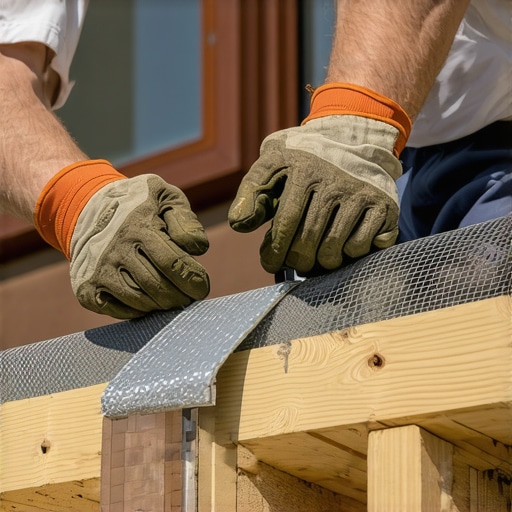
Paint or Seal Your Vulnerable Wood
Raw wood is an open invitation. If you speak to a skilled deck builder, they will tell you that paint is almost always better than stain for deterring boring insects. Bees don’t like the ‘mouthfeel’ of a thick layer of paint. I once had a small section of railing that I left unfinished because I ran out of time before a weekend trip to the lake. When I came back, there was already a hole the size of a dime in it. Now, I make sure even the hidden parts, like the underside of the stairs, get a solid coat of sealant or exterior paint. This creates a hard shell that most bees simply won’t bother trying to penetrate.
Deploy Your Scent-Based Defense System
Bees have a sense of smell that puts bloodhounds to shame. They absolutely hate peppermint, eucalyptus, and citrus. But here is the trick: you cannot just spray it once and walk away. You need a delivery system. I have found that soaking cotton balls in peppermint oil and tucking them into small mesh bags hung under the deck works wonders. It is like an air freshener from hell for insects. One summer, I hung these bags every four feet along my safe and stylish stairs, and for the first time in a decade, I didn’t see a single driller. You have to refresh these every few weeks, especially after a heavy rain, but it is a small price to pay for a sting-free zone.
Check Your Structural Hotspots
Finally, do a thorough walk-through of your support structure. Often, bees find their way into the gaps caused by sinking post bases or shifting frames. If your frame has pulled away from the house even a quarter-inch, it’s a gateway for queens looking for a home. Take a look at the process for checking your deck ledger to ensure there are no new gaps. A tight, well-maintained deck is inherently less attractive to pests because it lacks the easy pockets they need to hide their galleries from predators.
While securing the perimeter against bees is a great start, I’ve seen homeowners get so focused on the pests that they ignore the very thing the bees are attacking: the structural integrity of the wood itself. Everyone tells you that the key to a long-lasting deck is adding as many support posts as possible, but in my years of trial and error, I’ve found that over-engineering your foundation can actually backfire. When you have too many footings, you increase the chance of uneven settling, especially in rocky terrain. Instead, I focus on how to fix a bouncy deck without adding new posts by using better joist reinforcement. This keeps the underside cleaner and easier to inspect for those pesky carpenter bees.
Throw Away the ‘More Posts is Better’ Myth
The common belief is that more lumber equals more strength. However, according to the North American Deck and Railing Association (NADRA), the real strength lies in the connection points, not just the quantity of posts. I once watched a neighbor install double the required posts for his custom composite decking, only to have the middle section heave during a frost because he didn’t account for soil drainage. This creates gaps that are perfect for bees to enter. By using the drainage move that saves your footings, you ensure a level surface that stays tight against the house, leaving no room for nests.
Why do my expensive composite boards still buckle and wave?
This is the ‘Oops’ factor that breaks my heart. People spend thousands on top-tier materials only to have them warp. The secret isn’t the board itself; it’s the temperature. If you don’t account for thermal expansion, your deck will fight itself. I’ve seen many DIYers fall victim to the hidden clip mistake that leads to buckling. These boards can expand significantly in the summer sun, and if they are pinned too tight, they have nowhere to go but up. I personally prefer to choose mineral core decking because it is far more stable than traditional PVC-capped wood-plastic composites. 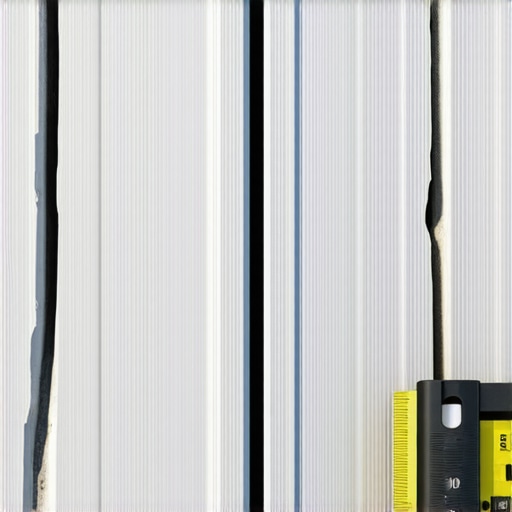
Stop Using Standard Fasteners for High-End Materials
Another nuance beginners miss is the chemical reaction between hardware and wood. If you are still using zinc-plated screws because they are cheaper, you are inviting rot and structural failure. This is why the screw advantage is so important; you need stainless steel or high-quality coated fasteners that won’t corrode. This is especially true when building innovative stairs solutions where the structural load is highest. A single rusted screw can create a micro-crack that a carpenter bee will happily expand into a gallery. Have you ever fallen into this trap of saving a few dollars on hardware only to pay for it later? Let me know in the comments below.
The Secret to a Modern and Safe Staircase
Finally, don’t overlook the aesthetics of your transitions. Most people build stairs that feel like a ladder, which is a massive safety risk. You want to avoid the stair stringer measurement mistake that ruins your natural stride. By choosing to use closed risers for a modern look, you not only improve the visual appeal but you also block off one of the most popular entry points for rodents and bees alike. It turns your deck into a solid, impenetrable fortress that looks as good as it performs.
One thing most people overlook while they are focused on the surface is what is happening underneath. If you are building a new structure, you absolutely cannot skip butyl joist tape. I have seen decks only ten years old where the joists were like mush because water sat in the screw holes; this is the hidden cost of skipping joist tape on a new build. When you invest in choosing the right composite decking for durable, low-maintenance outdoor areas, the boards will outlast the frame if you are not careful. I also swear by a high-quality impact driver with a depth-setting bit because it allows you to master the screw depth trick for a perfectly smooth deck surface. It prevents those annoying little burrs on the board edges that catch your socks and ruin the finish. According to the American Wood Protection Association (AWPA), the standard for ground-contact pressure-treated lumber (UC4A) is non-negotiable for any part of the frame touching the earth. If you ignore this, you are looking at why your deck post footings keep sinking into the soil within five to seven years.
Stop the rot with a simple tape trick
Protecting the skeleton of your deck is just as important as the skin. I personally use a butyl-based tape rather than asphalt because it seals better around the fastener. It is a small step that prevents the wood from splitting over time. Even if you are working with a skilled deck builder, double-check that they are flashing the ledger and taping the joists. It is the difference between a 15-year deck and a 40-year deck.
How do I keep my composite deck looking brand new for decades?
The biggest threat isn’t rain; it’s you trying to clean it. I have watched so many homeowners ruin a perfectly good transformative outdoor living space by getting too aggressive. Understanding why you should never use a pressure washer on composite decks is a lesson I learned the hard way after etching a permanent zig-zag pattern into a client’s expensive PVC boards. Instead, use a soft-bristle brush and a dedicated composite cleaner every spring to lift the pollen and dust. To avoid the grime buildup in the first place, I always recommend why I always use hidden fasteners for high-traffic entryways because they eliminate the holes where dirt and organic matter love to collect and rot. 
Smart tech is the future of your backyard
I predict we are moving toward a future where outdoor living is not just a deck—it is a fully integrated extension of the home’s smart system. We are already seeing a massive shift toward composite decking trends in 2025, where built-in sensors and low-voltage lighting are standard. If you want to stay ahead of the curve, start thinking about how to install deck lighting under the handrail or even adding solar cap lights over hardwired for those hard-to-reach distant posts. The goal is to move from a build-and-forget mindset to a maintain-and-upgrade philosophy. When you see the benefits of working with a professional deck builder, you are not just paying for labor; you are paying for a system that survives the elements. If you really want to level up your space this weekend, I challenge you to go out and check your fasteners. Use the best tool for removing a single stripped deck screw if you find any rusted ones and replace them with 305-grade stainless steel to protect your safe and stylish stairs.
Lessons from My Hard-Won Peace with the Bees
After years of trial and error, I’ve realized that carpenter bees are more like creatures of habit than random invaders. One of the biggest lightbulb moments I had was discovering that the hidden clip mistake that leads to buckling deck boards often creates the exact kind of shadowed gaps these bees use to hide. Another insight? Woodpeckers are actually your alarm system; if you see them pecking at your joists, the bees have already moved in. I also learned that the simple way to check if your deck ledger is pulling away from the house is something you should do every single spring, as shifting wood creates new entry points you might have missed in the fall. Finally, don’t underestimate the power of paint; even the innovative stairs solutions I build now get back-painted to ensure there is no raw wood surface left exposed to a hungry queen.
The Tools That Saved My Backyard Sanity
If you want to move beyond the spray-and-pray method, you need a specific kit. I highly recommend keeping a stock of high-potency peppermint oil and small mesh bags—it’s the only natural deterrent that actually holds its scent for more than a few days. For structural work, I never go without the screw depth trick for a perfectly smooth deck surface; it ensures your boards stay tight and flat, removing the pockets where moisture and pests congregate. I also suggest reading up on the benefits of working with a professional deck builder if you’re tackling a larger renovation, as they have access to commercial-grade sealants that DIYers often can’t buy at the big-box stores.
Time to Claim Your Private Sanctuary
Your backyard shouldn’t be a source of stress or a combat zone. By focusing on the structural details and the sensory environment, you can enjoy your outdoor living space without the constant hum of unwanted guests. Whether you are choosing the right composite decking for durable, low-maintenance outdoor areas or just reinforcing what you already have, the effort you put in now pays off in decades of peace. Go take a walk under your deck this afternoon—you might be surprised at what you find before it becomes a problem. Have you ever found a carpenter bee hole in a place you totally ignored? Let me know in the comments below!