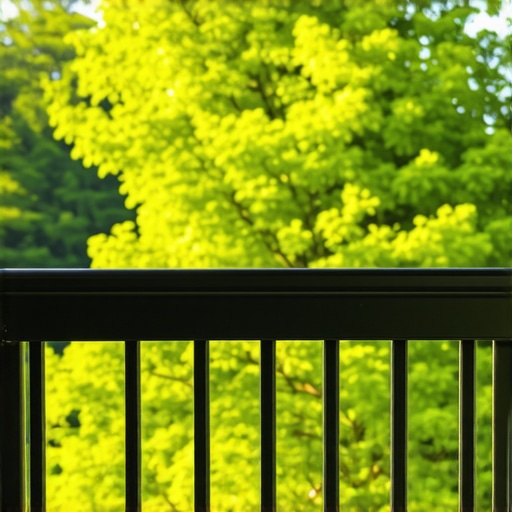
I’ll never forget the sound of that first loud pop. It wasn’t the sound of a cold beverage opening; it was the sound of a cheap vinyl bracket snapping under the weight of a heavy February snowfall. I had spent all weekend installing what I thought was the ultimate set it and forget it solution for my back deck. Fast forward three years, and that once-pristine white fence looked like a piece of vintage Tupperware left in the sun—yellowed, brittle, and frankly, a bit embarrassing. If you’ve ever felt your heart sink watching your maintenance-free investment literally crumble, I’m right there with you.
Stop Settling for Railings That Sag and Yellow
When you’re building a beautiful outdoor living space, the railing is the frame for your view. It is the handshake of your home. For years, vinyl was the go-to because it was affordable and didn’t need paint. But there’s a massive difference between low maintenance and no maintenance. I’ve spent more time cleaning and worrying about vinyl expansion than I ever did with wood. That’s why I moved over to powder-coated aluminum. It’s thinner, stronger, and actually stays the color you bought. Whether you’re working with a professional deck builder or tackling a DIY weekend, you want your outdoor stairs and railings to last as long as your boards. Today, I’m going to show you why making the switch to aluminum is the best move you can make for your property value and your sanity.
Is Aluminum Really Worth the Extra Cash Upfront?
I get this question all the time. People see the price tag on a box of aluminum balusters compared to a vinyl kit and flinch. It’s a fair concern. But consider this: powder coating isn’t just paint. According to the Fenestration and Glazing Industry Alliance, high-grade powder coatings provide superior resistance to weather, chemicals, and industrial pollutants compared to liquid finishes or raw plastics. When you factor in that vinyl often needs replacing in seven to ten years while aluminum can look new for twenty, the expensive option is actually the bargain.
The Day I Finally Quit Vinyl for Good
My turning point came when I was trying to elevate my home with some modern stair designs. I realized that vinyl just couldn’t provide the slim profile I wanted without wobbling. I made the mistake of thinking all plastic-wrapped products were the same. I was wrong. If you’ve ever had to scrub green mold out of the textured grain of a white vinyl post, you know the pain I’m talking about. I shifted my focus to choosing the right composite decking and pairing it with materials that actually hold up to the elements. Aluminum gives you those crisp lines that pair perfectly with modern composite decking ideas without the chunky plastic look. Have you ever leaned on your deck railing only to feel it flex uncomfortably under your weight? Drop a comment or reach out to me—I’d love to hear your stories. Now, let’s get into the nitty-gritty of why the chemistry of powder coating beats the physics of PVC every single time.
Get the Post Connection Right the First Time
It starts with the foundation of the post. With vinyl, you’re usually sliding a sleeve over a pressure-treated 4×4. The problem? Wood shrinks, and that sleeve eventually gets the ‘death wiggle.’ When I moved to aluminum, I started using surface mounts that bolt directly into the framing. I learned the hard way that if you don’t have solid blocking underneath, you’re just bolting into a thin board that will eventually crack. I once spent four hours backing out lag bolts because I forgot to double up my joists where the railing met the house. It was a miserable, sweaty afternoon in July, and the wood had already started to swell around the threads. This is why I always use the bracket that keeps your railing from wobbling forever.
Double Up Your Joists for Zero Wiggle
Think of your deck frame like the chassis of a car. You wouldn’t mount a heavy bumper to a piece of plastic trim. Before you even think about the railing, you need to ensure the joist spacing secret for a solid-feeling composite surface is followed. Adding extra blocking between the joists where the posts sit distributes the load. It makes the entire structure feel like one solid piece of steel rather than a collection of bouncy boards. I also make sure to use why I always use a double rim joist for picture frame borders. This provides a beefy surface to mount those aluminum posts to, ensuring they never budge. 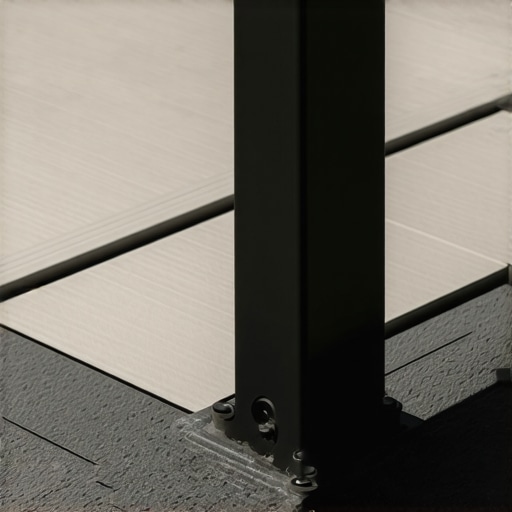
Make Your Stairs Safer for Nighttime Use
Most people treat stairs as an afterthought, but they are the most dangerous part of your deck. I remember a rainy Tuesday when my neighbor slipped on her old wooden steps because the rise was inconsistent. If you’ve noticed why your deck stairs feel like a ladder and how to fix the rise, you know that even a half-inch difference can trip someone up. When switching to aluminum railings for your stairs, you get the benefit of thinner balusters that don’t block your view of the treads. It’s a huge reason why I never use standard wood for deck railings anymore.
Why Closed Risers Change Everything
For a truly modern look that increases safety, why your deck stairs should have closed risers for a modern look is a conversation worth having. It prevents feet from sliding through the gaps and makes the staircase feel substantial. I also recommend why I use structural screws instead of lag bolts for stairs. Structural screws have higher shear strength and won’t split the wood like those massive old-school lags. When you pair this with elevate your home top stairs designs for modern outdoor spaces, you aren’t just building a way to get down to the yard; you’re building a feature piece.
Manage the Heat and the View
One thing people forget about dark aluminum is the heat. While it’s more durable than vinyl, it can get toasty in the direct sun. However, it still outperforms vinyl which can warp under extreme temperature swings. If you’re worried about the temperature of the walking surface itself, you can learn how to keep your deck cool enough for bare feet in July. Pairing cool-touch boards with sleek aluminum rails creates a space you can actually use at noon in August. Plus, since aluminum is so much stronger, the profiles are thinner. This is huge if you’re trying to avoid why your deck railing height might be blocking your best view. You want to see the sunset, not a chunky white plastic rail. For high-traffic areas, why I always use hidden fasteners for high-traffic entryways keeps the floor smooth and the focus on your premium railing installation.While those sleek aluminum rails protect your view, what’s happening beneath your feet is often the real reason a project fails after five short years. Everyone says that choosing the right brand of board is the most important decision you’ll make, but in my experience, the frame is where the battle is actually won or lost. I’ve seen homeowners drop fifteen thousand dollars on top-tier capped polymer boards only to have the entire structure feel like a trampoline because they skimped on the skeleton. If you’re following composite decking trends 2025, you know that aesthetics are shifting toward thinner, sleeker looks, but those looks require a rock-solid foundation that doesn’t move.
Why Your Premium Boards Can’t Save a Cheap Frame
The biggest myth in outdoor living is that ‘Ground Contact’ lumber is immortal. It’s not. Even the best pressure-treated wood will eventually rot where the screws enter the joists. According to research by the USDA Forest Service’s Forest Products Laboratory, the area where fasteners penetrate wood is the most vulnerable to moisture-induced decay, creating a ‘trap’ for water that treatment can’t always reach. This is the hidden cost of skipping joist tape on a new build. I learned this the hard way when I had to pull up a three-year-old deck because the joist tops had turned to mush while the expensive composite boards on top were still pristine. If you want a skilled deck builder to give you a twenty-year warranty, they’ll insist on protecting that frame.
Will Joist Tape Actually Double Your Deck’s Lifespan?
I get asked this by the ‘pro-sumer’ DIYers all the time. The answer is a resounding yes, but only if applied correctly. Some people think it’s just an extra expense, but it creates a waterproof seal around every single screw. I also take it a step further: why i paint the tops of my joists black before installing composite isn’t just about rot; it’s about the ‘shadow line.’ If you use a light-colored wood frame under dark boards, you’ll see that ugly pressure-treated green through the gaps. Blacking out the joists makes the frame disappear, giving you that high-end, professional finish. 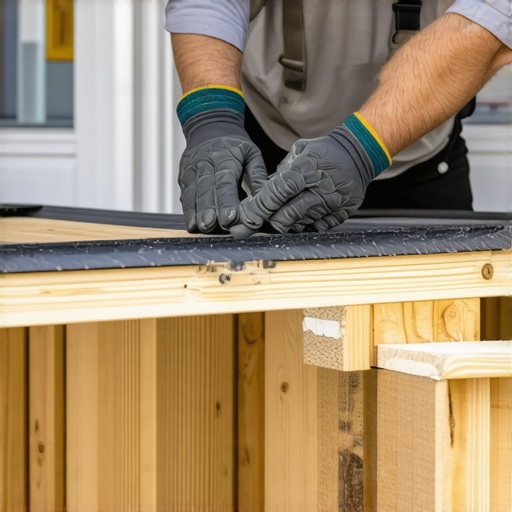
The Hidden Danger of ‘Universal’ Stair Solutions
Another trap I see people fall into is trusting the hidden flaw in pre-built deck stairs from big box stores. These one-size-fits-all stringers almost never meet the specific geometry of your yard. When the rise and run are off by even a fraction, your brain notices, and that’s when trips happen. Plus, many of these pre-cut solutions use narrow 2x10s that aren’t beefy enough to handle the weight of heavy composite treads. You need custom-cut stringers and proper blocking. I’ve spent countless hours retrofitting ‘easy’ stair kits that started to sag after a single season of heavy use. If you’ve ever felt your stairs bounce when you walk down them, you know exactly the lack of stability I’m talking about. Don’t let a ‘fast’ solution ruin your safety. Have you ever fallen into this trap where the frame failed before the boards? Let me know—I’d love to help you avoid these common pitfalls on your next project. It’s the nuances, like the hidden clip mistake that leads to buckling deck boards, that separate a deck that lasts from one that needs constant repair.
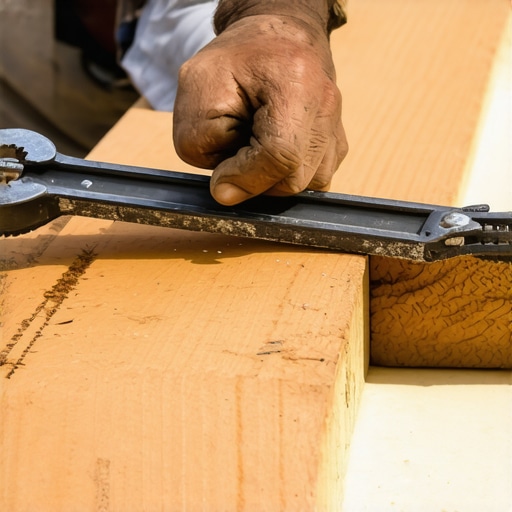
Once the dust settles and you’re sitting back with your first burger on the new grill, the real work begins. You didn’t build a monument; you built a living structure. I’ve learned that the ‘set it and forget it’ mantra of composite is a bit of a marketing myth. While it won’t rot, it still needs a little love to stay looking like the day it was installed. One tool I never leave home without is a specialized deck board straightener. If you’re working with long composite runs, they will bow. I’ve seen guys try to use a crowbar and a block of wood, but you end up marring the finish. I use the Bowwrench. It’s a simple lever that locks onto the joist and forces that board into a perfect gap. When you combine this with the screw depth trick for a perfectly smooth deck surface, your floor will look like a piece of high-end indoor flooring.
The Bowwrench Is My Secret Weapon for Straight Lines
Using the right tools is the difference between a project that looks DIY and one that looks like it was done by a expert deck builder. For example, I’ve stopped using standard drills for hidden fasteners. I use a dedicated impact driver with a depth-setting nosepiece. This ensures that every single clip is driven to the exact same PSI. If you over-torque, you risk snapping the head, and then you’re stuck looking for the best tool for removing a single stripped deck screw in the middle of a groove. It’s a nightmare. I also keep a small bottle of black exterior paint in my kit. I’ve found that painting the cut ends of pressure-treated lumber is the only way to prevent the specific type of end-grain rot that plagues stairs and railing posts. It takes ten extra seconds but adds ten years to the build.
How Can I Keep My Deck Safe for the Next Decade?
Maintenance isn’t just about sweeping; it’s about monitoring the structural integrity of your hardware. The North American Deck and Railing Association (NADRA) reports that the vast majority of deck failures occur because of failed ledger connections or corroded fasteners. This is exactly why you should never use indoor-rated screws for an outdoor deck. The chemistry of pressure-treated wood literally eats through standard zinc coatings. Every spring, I tell my clients to do a ‘walk-around.’ Check the landing zone. If you skipped out on why your deck stairs need a concrete landing pad at the bottom, look for settling or wood-to-earth contact. If your stairs are pulling away, it’s usually the hidden reason your deck stairs are pulling away from the frame—improper tension ties.
Don’t Let Summer BBQ Grease Ruin Your Investment
Composite is resistant to stains, but it isn’t bulletproof. I once had a client host a massive 4th of July party, and a dropped bratwurst left a shadow on their grey boards for months. If you find yourself in that spot, knowing how to get grease stains off your composite deck immediately is vital. Use a degreaser, not a power washer. High pressure can actually ‘fuzz’ the wood fibers in the composite mix, ruining the texture forever. For the evening hours, I recommend looking into the lighting trick that highlights the grain of your wood. It uses low-angle LED strips to create depth, making even older boards look premium. Looking ahead at composite decking trends 2025, I predict we will see more ‘smart’ integration, with sensors embedded in the joists to alert homeowners of moisture buildup before it becomes rot. For now, your best bet is a good set of eyes and a commitment to quality hardware. I strongly suggest you try the ‘shadow line’ trick on your next build—paint the tops of your joists black and see how the frame completely disappears from view.
The Hardest Lessons My First Broken Bracket Taught Me
Looking back at that snapped vinyl bracket, I realize now that I was trying to save pennies while risking the structural integrity of my family’s favorite gathering spot. The biggest lightbulb moment for me wasn’t about the color or the brand, but about the invisible skeleton. I used to think joist tape was a ‘pro-only’ upsell, but after seeing the rot underneath my first build, I realized the hidden cost of skipping joist tape on a new build is a complete teardown just five years later. I’ve also learned that precision on your steps is non-negotiable; designing safe and stylish stairs for outdoor decks in 2025 requires more than just eyeballing the rise and run. And finally, never underestimate the power of the small stuff. I now spend the extra twenty minutes painting the cut ends of pressure-treated lumber because moisture doesn’t care about your warranty—it only cares about that exposed grain.
Tools That Turn a Weekend Project into a Professional Masterpiece
You don’t need a truck full of equipment, but there are three things I never step onto a job site without. First is a high-quality board straightener to ensure those long composite runs stay perfectly parallel. Second, I swear by a dedicated impact driver for your fasteners; using the screw depth trick for a perfectly smooth deck surface ensures you never have a screw head catching on a barefoot. Lastly, for the planning phase, I always reference professional-grade checklists to ensure I am transforming my space with expert tips that satisfy both code and aesthetics. Having the right tools avoids the need for the best tool for removing a single stripped deck screw—because the goal is to never strip one in the first place.
#IMAGE_PLACEHOLDER_E#
Your Backyard Legacy Starts Today
At the end of the day, building a deck is about more than just square footage; it is about creating an atmosphere where memories are made. Whether you are maximizing space with modern designs or just trying to get a safe set of steps down to the lawn, every choice you make today affects how you will feel five years from now. Don’t be afraid to reach out and ask for help if a project feels too big. Modern innovative outdoor living ideas are within reach if you prioritize the foundation and use materials that actually hold up to the elements. Go out there and build something that lasts. Have you ever struggled with a wobbly railing or an inconsistent stair rise? Let me know in the comments below!