
It happened last July, right around 2:00 PM. I had just finished a beautiful install with some of the darkest, richest boards on the market. I stepped out with a cold glass of tea, took two steps, and immediately performed a frantic, uncoordinated tap dance back to the sliding door. My soles were screaming. Even my golden retriever took one look at the shimmering heat rising off those boards and turned right back toward the air conditioning. I had spent thousands on a premium outdoor living space, only to realize I’d essentially built a giant frying pan in my own backyard. We often obsess over aesthetics when we hire a professional deck builder, but we forget the physics of a Missouri summer. Today, I’m going to show you exactly how to drop those surface temperatures so you can actually enjoy your space without wearing combat boots.
Pick a Material That Doesn’t Soak Up the Sun
If you are still in the planning stages, the biggest mistake you can make is choosing a dark chocolate or charcoal grey board because it looks ‘modern.’ I made that exact error on a personal project years ago, thinking I could just ‘tough it out.’ Trust me, you can’t. When choosing the right composite decking, you have to look at the Heat Build-Up (HBU) rating. Some modern boards are specifically engineered with cooling technology that reflects infrared light. For any project near a pool or in direct sun, I choose mineral core decking because it doesn’t have the same thermal mass as traditional wood-plastic composites. Research from the Florida Solar Energy Center has shown that dark horizontal surfaces can reach temperatures exceeding 150 degrees Fahrenheit, which is more than enough to cause second-degree burns on tender feet in seconds. If you already have a dark deck, don’t worry—we have fixes for that too, but for the new builds, how to pick a deck color that stays cool is a balance of science and style.
Is “cool-touch” decking actually worth the extra money?
The short answer is a resounding yes, but with a caveat. No surface left in the 100-degree sun will feel like an ice cube. However, the difference between a board that is 160 degrees and one that is 120 degrees is the difference between a trip to the ER and a comfortable afternoon. When you are looking at composite decking trends for 2025, you’ll notice a massive shift toward lighter ‘driftwood’ tones and variegated tans. These aren’t just fashion choices; they are survival strategies for your feet. Have you ever had to run across your own deck like the floor was literal lava? I’d love to hear your ‘barefoot fail’ stories in the comments below. Let’s look at how we can mitigate the heat on the deck you already have.
Block the Sun Before It Hits the Boards
If your surface is already reaching blistering temperatures, your best defense is a strategic offense. Think of your deck like a dark car parked in a grocery store lot; it’s an energy sponge. I once worked on a massive western-facing build in Branson where the homeowner wanted to host afternoon parties, but the surface was literally untouchable by 4:00 PM. We didn’t just add a patio umbrella and call it a day. We installed high-tension shade sails that spanned the entire high-traffic zone. The trick is to prevent the UV rays from ever reaching the boards. This simple move can drop the surface temperature by 20 to 30 degrees instantly. When you work with a professional deck builder, they can help you integrate these structures into the actual frame of the deck so they don’t look like an afterthought flapping in the wind. 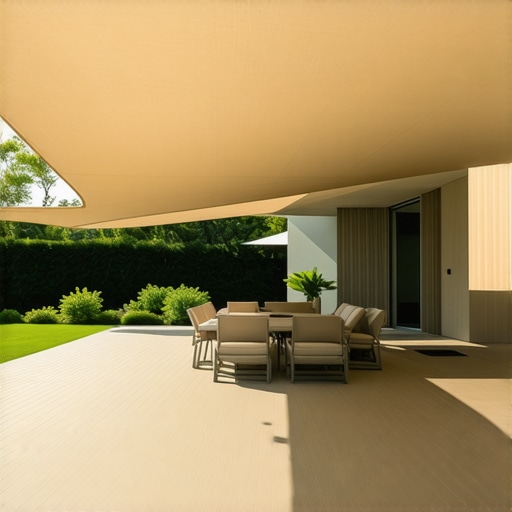
Let Your Deck Breathe from Underneath
Airflow is the unsung hero of thermal management. A deck that is built too low to the ground or is completely boxed in by solid skirting will trap hot air like an oven. I remember a project where we had to troubleshoot a ‘creaking’ deck that was popping every time the sun hit it. The issue wasn’t just the heat; it was the lack of ventilation causing the boards to expand unevenly. To fix this, we replaced the solid skirting with decorative, breathable panels. If you have a second-story deck, you have a massive advantage. You can install the best under-joist drainage systems for a dry patio below, which creates a shaded, cool pocket of air that naturally rises and circulates. This cross-ventilation pulls heat away from the bottom of the composite boards, acting like a natural radiator for your outdoor living space.
Use Rugs to Create Safe Footpaths
You don’t have to cover the entire deck to save your feet. I often suggest ‘thermal corridors’—pathways made of outdoor-rated rugs that lead from the back door to the grill or the seating area. However, there is a right and a wrong way to do this. I once saw a DIYer use a heavy rubber-backed mat on a brand-new PVC deck; within a month, the chemicals in the rubber had permanently discolored the boards. It was a heartbreaker. You must learn how to keep your outdoor rug from staining your deck boards by choosing breathable, woven materials like polypropylene that don’t trap moisture or heat. These rugs act as an insulator, providing a soft, cool surface for kids and pets to walk on while still letting the composite material underneath breathe.
Why Your Cooking Zone Needs Extra Protection
The grill is usually the hottest spot on the deck, and not just because of the sun. When you’re searing steaks, you’re adding focused heat to an already warm surface. I’ve seen boards slightly warp or ‘ghost’ (lose their texture) because a hot grill was sitting too close to the surface without protection. This is why knowing the best way to protect your deck from hot bbq embers and radiant heat is vital. Use a non-rubber-backed grill mat or, even better, create a dedicated ‘grill bump-out’ using non-combustible materials. If you’re building new, creating seamless transitions stairs as key elements in outdoor living can allow you to place the cooking station on a slightly lower, separate landing made of stone or concrete, keeping the high-heat appliances away from your primary composite lounging area.
While we’ve covered the surface heat, there is a much deeper nuance that many homeowners—and even some general contractors—miss entirely. Everyone tells you that composite is ‘maintenance-free,’ but in my experience, that is the most dangerous myth in the industry. It leads to a ‘set it and forget it’ mentality that ignores the physical reality of how these materials behave under stress. Composite boards are more flexible than traditional wood, and when you add 100-degree Missouri sun to the mix, they become even more pliable. This is where the ‘oops’ factor usually kicks in: the dreaded trampoline effect. If your builder used the standard 16-inch on-center joist spacing common for wood, your deck will eventually feel bouncy or even start to sag in high-heat areas. When I’m designing your dream outdoor space, I insist on 12-inch spacing. It costs a bit more in lumber, but the joist spacing secret for a solid feeling composite surface is the only way to prevent that cheap, spongey feel five years down the road.
Another nuance involves how the boards are actually held down. I’ve seen countless DIY jobs ruined by the hidden clip mistake that leads to buckling deck boards. Because composite expands and contracts significantly along its length, you cannot simply pin it in place like a piece of oak. It needs to ‘breathe.’ A study by the Forest Products Laboratory on the viscoelastic properties of Wood-Plastic Composites confirms that restricted thermal expansion leads to internal stresses that can cause warping or even fastener failure. This is why the benefits of working with a professional deck builder become clear during the hottest months of the year—we know exactly where to leave the gaps and which fasteners allow for that movement without sacrificing stability. Have you ever noticed your deck boards ‘creaking’ or popping when the sun hits them? That is the sound of physics fighting your fasteners. Have you ever fallen into this trap? Let me know in the comments.
Why do your deck stairs feel more like a ladder than a walkway?
This is the most common advanced mistake I see in custom composite decking ideas. People focus on the deck surface but treat the stairs as an afterthought. Most ‘off-the-shelf’ stair stringers have a rise that is too steep for a comfortable transition. If you’ve ever felt like you were climbing a mountain just to get to your backyard, why your deck stairs feel like a ladder and how to fix the rise is usually a matter of adjusting the math for a deeper tread. Furthermore, many builders skip a solid foundation for the steps, leading to the stairs pulling away from the main frame. Always ensure your deck stairs need a concrete landing pad at the bottom to prevent sinking and shifting. When you are designing safe and stylish stairs for outdoor decks in 2025, remember that the most beautiful stairs in the world are useless if they feel rickety. To truly transform your space, you have to look past the color of the boards and focus on the structural integrity that keeps those boards flat, cool, and safe for decades.
Once those boards are down and the heat management strategy is in place, the real work of longevity begins. I have seen million-dollar builds fall apart in five years because the owner treated it like a stone patio instead of a high-tech floor. To keep your surface looking pristine, you need to be surgical about your tools. For instance, I never start a job without a depth-setting drive tool. If you drive a screw even an eighth of an inch too deep into a composite board, you create a tiny crater that collects water and dirt. Mastering the screw depth trick for a perfecty smooth deck surface is the difference between a floor that looks like a luxury resort and one that looks like a DIY disaster. If you do happen to mangle a fastener, don’t panic and pry it out with a hammer; I always keep the best tool for removing a single stripped deck screw in my pocket to avoid scarring the surrounding grain.
Stop the Rot Before It Starts Under the Surface
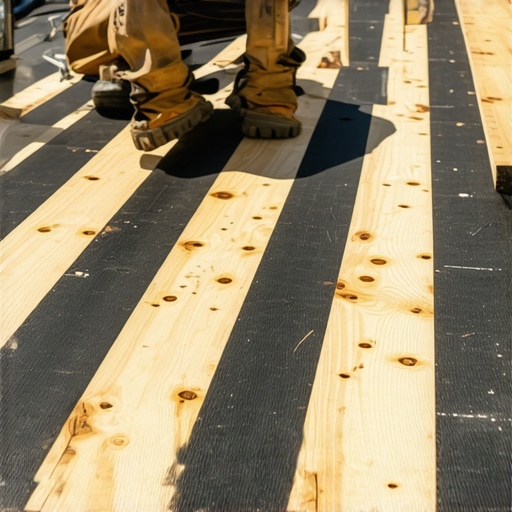
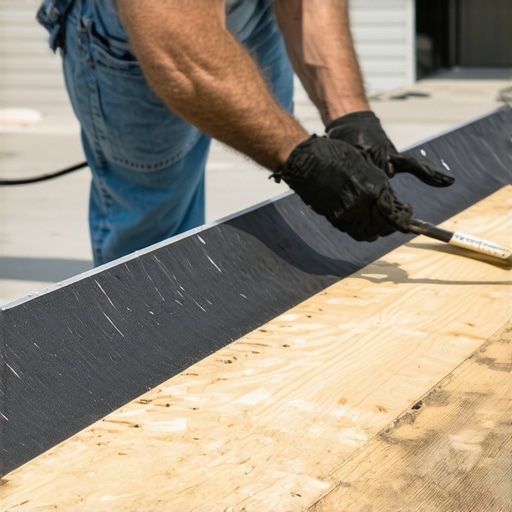
The biggest threat to your outdoor living space isn’t actually the sun—it is the moisture trapped between the board and the joist. This is the ‘hidden killer’ of Missouri decks. Even if you are using premium composite, your frame is likely pressure-treated lumber. When I build, I take the extra hour to prep the frame. This is why I paint the tops of my joists black before installing composite and apply a high-quality butyl joist tape. It creates a waterproof seal so the screws don’t pull moisture into the wood fibers. According to the North American Deck and Railing Association (NADRA), structural failure often begins at the fastener connection point due to localized rot. Ignoring the hidden cost of skipping joist tape on a new build is a gamble you will lose when the humidity kicks in. Don’t forget the exposed edges, either; the best way to seal the end cuts of pressure treated lumber to prevent rot is a simple wax-based sealer that keeps the wood from checking and splitting over time.
How do I maintain my composite deck without ruining the warranty?
The most common phone call I get involves someone who tried to ‘deep clean’ their deck with a 3000 PSI pressure washer. Please, for the love of your investment, put the power washer away. You will literally strip the ‘skin’ off the composite, voiding your warranty and leaving the core exposed to the elements. This is why you should never use a pressure washer on composite decks. Instead, use a soft-bristle brush and a pH-neutral cleaner. Looking ahead to 2026, we are seeing a massive trend toward ‘smart decks’ with integrated sensors that can alert you to moisture build-up under the frame. Until that becomes standard, your best bet is a semi-annual visual inspection. If you’re ready to stop guessing and start building a space that lasts, I highly recommend you contact us to discuss a frame-up protection plan. Try applying a bit of end-cut sealer to any exposed wood this weekend—it is the easiest pro-level maintenance move you can make.
Hard-Won Lessons from a Decade in the Missouri Sun
After building hundreds of structures, I’ve realized that thermal mass is the silent enemy of the weekend barbecue. A darker board isn’t just hot to the touch; it acts like a battery, storing heat and radiating it back at you long after the sun goes down. If you’re looking into innovative outdoor living ideas with composite decking in 2025, prioritize the ‘barefoot test’ during the hottest part of the day before you sign off on a color. Another lightbulb moment for me was discovering that chemical overspray from aerosol sunscreens can actually etch the surface of some high-end boards—always apply your SPF on the grass, not the deck. Finally, remember that expansion gaps are not optional suggestions; I’ve seen boards buckle with enough force to pop heavy-duty screws when they weren’t given room to breathe in the 100-degree heat.
Gear That Makes Maintenance Suck Less
You don’t need a garage full of tools to keep your space in top shape, but a few specific items are non-negotiable for me. I always recommend a high-quality infrared thermometer; it’s the only way to truly know if the surface is safe for toddlers or pets. For those high-traffic zones, I swear by breathable polypropylene rugs—just make sure you know how to stop your outdoor rug from staining your pvc boards by avoiding rubber backings. For the frame itself, never skip the butyl joist tape; it’s the cheapest insurance policy you’ll ever buy to prevent structural rot. If you want a truly professional finish, invest in a depth-setting driver bit to ensure every fastener is perfectly flush without creating water-trapping craters.
Take Back Your Summer Afternoons
Your backyard shouldn’t be a ‘no-go zone’ just because the sun is out. By combining smart material choices with strategic shade and airflow, you can transform your space into a comfortable sanctuary regardless of the temperature. Whether you are retrofitting an existing build or starting fresh with a professional deck builder, focusing on these thermal details ensures your investment remains a place of relaxation rather than a heat hazard. Don’t let the physics of summer keep you indoors. If you’re ready to design a deck that stays cool under pressure, feel free to contact us today to start planning. Have you ever had a specific board color that turned out to be way hotter than you expected?