
I’ll never forget the smell of melting polymer on a Tuesday night. I was searing a ribeye, feeling like the king of the cul-de-sac on my freshly finished composite decking. Then, a single, glowing coal took a leap of faith from my charcoal chimney. It didn’t just land; it hissed. By the time I kicked it off, there was a permanent, pea-sized divot in my expensive floor. It felt like a punch to the gut. I’d spent months planning this space with a skilled deck builder, only to mar it in seconds because I was reckless. Today, I’m going to show you exactly how to avoid that heartache and keep your outdoor area looking brand new, even if you’re a weekend BBQ warrior like me.
Keep the Heat in the Grill and Off Your Boards
When we talk about designing your dream outdoor space, we usually focus on the layout or the lighting. We rarely talk about the physics of a 1,200-degree coal meeting a surface designed for bare feet. I made the classic rookie mistake: I thought a heavy-duty rug from a big-box store would be enough. It wasn’t. Those rugs often trap heat against the boards, which is especially dangerous if you have dark brown decking that’s already soaking up the afternoon sun. I’ve seen homeowners try to save a few bucks by using scraps of plywood or even old carpet, but that is a recipe for a disaster that no insurance agent wants to hear about.
Is a specialized grill mat actually worth the investment?
You might be thinking that a piece of rubber is just a piece of rubber, but that skepticism can cost you a few thousand dollars in board replacements. Real protection isn’t just about catching grease; it’s about thermal resistance. According to the National Fire Protection Association (NFPA), grilling equipment is involved in roughly 10,200 home fires annually. A significant portion of those begin with embers or heat igniting exterior balconies or porches. Have you ever noticed a small burn mark or a stubborn grease stain under your grill and wondered if you were one stray spark away from a total loss? Let’s dive into why standard solutions fail and what actually works to keep your deck fire-safe while you’re flipping burgers.
Grab a Mat That Actually Handles the Heat
Think of a professional-grade grill mat like a fire suit for your floor. Most people grab a cheap PVC mat and call it a day, but that’s a dangerous game. In the summer of 2019, I bought a budget ‘heavy-duty’ mat that I thought was the bargain of the century. After a long weekend of slow-smoking a brisket, I went to move the grill and found the mat had literally fused into the grain of my boards. I spent four hours with a plastic scraper and a heat gun trying to save the finish. To avoid my misery, look for mats made of heavy-duty silicone or fiberglass-infused rubber. These materials act as a thermal break, ensuring that the radiant heat from the bottom of your grill doesn’t reach the critical temperature where composite decking begins to soften or discolor.
Watch Out for Plastic Fusion
If you’re using an area rug to define your space, you need to know how to keep your outdoor rug from staining your deck boards. Many rubber-backed rugs use chemicals that react with the UV inhibitors in composite materials. Over time, this creates a permanent yellow or brown stain that no amount of scrubbing will remove. Always check the manufacturer’s label for ‘colorfast’ or ‘non-staining’ guarantees before you lay anything down near your cooking station. It is a small detail that saves the visual integrity of your floor for years. 
Keep Your Exit Routes Clear
Safety isn’t just about preventing a fire; it’s about having a way out if one starts. I see too many setups where the grill is blocking the only set of designing safe and stylish stairs for outdoor decks in 2025 requires keeping the landing zone clear of obstructions. If a grease fire flares up, you don’t want to be trapped between a wall of flame and a twenty-foot drop. Maintain a ten-foot clearance from any combustible siding or overhanging eaves. This isn’t just a suggestion; it’s a standard safety practice that keeps your home from becoming part of the BBQ. Furthermore, you need to store propane tanks under your deck without violating fire codes. Storing them in enclosed spaces or near heat sources is an invitation for disaster; they must be kept in well-ventilated, upright positions away from the main structure and any potential sparks.
Don’t Let Your Heavy Smoker Sink the Substructure
If you’ve upgraded to a massive offset smoker or a ceramic kamado-style grill, your deck frame is feeling the pressure. These units can weigh upwards of 500 pounds, and that weight is concentrated on four tiny casters. This can lead to board deflection or even structural failure if the joists aren’t properly reinforced. If you’re planning a high-end setup, you need to know how to frame a deck for a heavy pizza oven or a large smoker. Adding double joists or solid blocking directly under the grill’s footprint will distribute that load across multiple structural members, preventing those unsightly dips in your floor. I once saw a deck where the homeowner ignored this, and after one snowy winter, the smoker had literally punched through the surface because the wood underneath had softened from trapped moisture. Reinforcement is the only way to ensure your outdoor kitchen doesn’t become a structural liability.We often obsess over the aesthetics of composite decking trends 2025, but let me tell you a secret: your expensive boards are only as good as the skeleton underneath them. The most common myth I encounter is that choosing custom composite decking makes your entire project immortal. That is a dangerous misconception. While the boards won’t rot, the pressure-treated lumber frame absolutely will if it isn’t protected. In fact, because composite is so dense and holds heat, it can actually create a microclimate of trapped moisture between the board and the joist. This is exactly why the hidden cost of skipping joist tape on a new build is one of the most expensive mistakes you can make. Without that protective barrier, your screw holes act like tiny funnels, directing rainwater straight into the heart of your joists.
The Hidden Killer Lurking Under Your New Boards
According to the North American Deck and Railing Association (NADRA), the majority of deck failures occur not because the surface failed, but because the structural connections or the wood frame rotted away prematurely. To prevent this, I always insist on using a high-quality butyl tape over every single joist and beam. 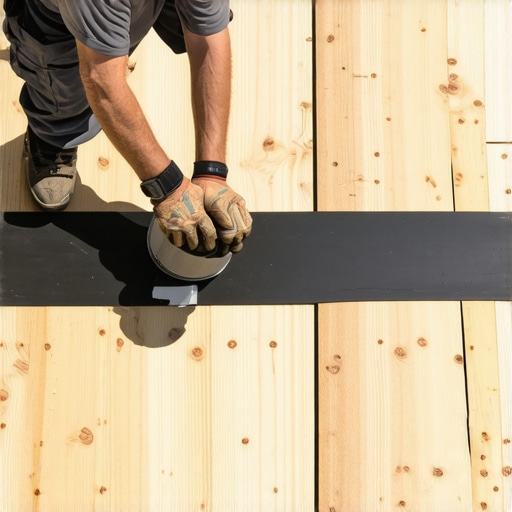 Another ‘oops’ factor involves the feeling of the deck under your feet. Many builders stick to the standard 16-inch on-center spacing for joists, but if you want that premium, rock-solid feel, you need to understand the joist spacing secret for a solid feeling composite surface. Moving those joists to 12 inches on-center eliminates the slight ‘bounce’ or ‘sponginess’ that often plagues composite decks in the peak of summer heat when the material is at its most flexible.
Why do my stairs feel like a ladder even after a pro build?
Most contractors build to the minimum residential code, which allows for a fairly steep climb. However, there is a massive difference between a ‘legal’ set of stairs and a comfortable one. If your builder didn’t calculate the geometry correctly, why your deck stairs feel like a ladder and how to fix the rise becomes your primary concern the first time you carry a tray of burgers up to the house. You should always advocate for a 7-inch rise and an 11-inch tread for maximum safety and comfort. Furthermore, keep an eye on your stringers; why your deck stair stringers are cracking at the throat is usually the result of over-notching, which leaves too little wood to support the weight of multiple guests.
Fix the Squeak Before It Starts
Stairs are the most complex part of innovative stairs solutions for safe outdoor deck access, and they are also the most likely to squeak. To avoid that annoying chirp every time you step, look into the bracket that makes your deck stairs feel rock solid. These mechanical connectors ensure the stairs stay fused to the frame regardless of wood shrinkage. I also recommend the simple way to stop deck stairs from squeaking when you step: applying a bead of exterior-grade subfloor adhesive to the stringer before screwing down your treads. Finally, always ask your builder about the fasteners; why I use structural screws instead of lag bolts for stairs comes down to the superior pull-through resistance and shear strength they offer compared to old-school bolts. Have you ever fallen into this trap of focusing only on the color of your boards while ignoring the skeleton? Let me know in the comments.
Stop Scrubbing and Start Rinsing Smart
Maintenance for composite decking is a bit of a double-edged sword. People often claim it is ‘maintenance-free,’ but that is a marketing stretch. It is low-maintenance, not ‘no-maintenance.’ I learned this the hard way when I tried to blast away some spring pollen with a high-PSI industrial cleaner. Big mistake. You need to understand why you should never use a pressure washer on composite decks because the intense water pressure can actually etch the surface and leave permanent, ugly scars in the finish. Instead, I rely on a soft-bristle brush and a specialized cleaner like 30 Seconds Outdoor Cleaner. Even for the tricky stuff, like knowing the best way to clean bird droppings off dark brown composite boards, a gentle touch and the right pH-neutral soap are your best friends. If you treat your boards like a delicate car finish rather than a concrete driveway, they will look pristine for decades.
How do I maintain my deck’s appearance over the long haul?
Beyond seasonal cleaning, maintenance is about checking your connections. Once a year, usually in the spring, I get under my deck with a high-lumen flashlight. I am looking for any signs of movement or hardware corrosion. According to the American Wood Council’s (AWC) DCA 6 – Prescriptive Residential Wood Deck Construction Guide, the ledger-to-house connection is the most frequent cause of deck failures. I personally check for any gaps between the house and the structure because the simple way to check if your deck ledger is pulling away from the house is to look for daylight where there should be none.
Why I Never Start a Build Without a 3D Model
In the old days, we sketched ideas on the back of a napkin. Today, I won’t buy a single box of screws until I’ve seen the project in a digital 3D environment. This is exactly why a digital designer is the best move for planning a complex backyard deck. It allows you to visualize how shadows will fall across your custom composite decking and helps you spot structural conflicts before they cost you a dime in material waste. For example, you can see if your railing posts will interfere with your innovative stairs solutions. I’ve shifted my personal preference for aesthetics too; lately, why I choose powder-coated steel over wood for modern deck railings is because the digital renders show how much cleaner the sightlines are compared to bulky timber posts. 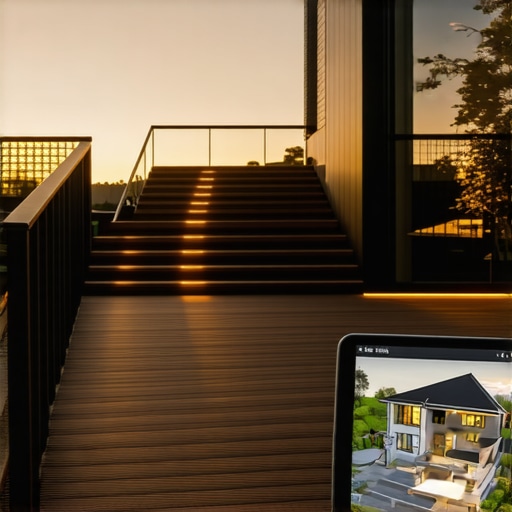
The Future of Decks is Smarter Than Your Living Room
Looking ahead to composite decking trends 2025, I predict we will see a massive surge in ‘active’ deck systems. We are moving away from static wooden platforms to spaces integrated with smart technology—think automated pergolas and integrated sound systems. If you want to stay ahead of the curve, I highly recommend looking into innovative outdoor living ideas with composite decking in 2025 that include built-in low-voltage lighting and weather-sensing covers. My pro tip for you today: before you finish your next project with a professional deck builder, install a dedicated conduit for future wiring. Even if you do not want a 4K TV out there today, your future self will thank you for the foresight. Try downloading a 3D modeling app this weekend and just play with the layout of your stairs and landings—it is the best way to catch design flaws before they become permanent headaches.
What No One Tells You About the Lifetime of Your Substructure
After years of seeing decks fail from the inside out, I have realized that the flashy surface is just the tip of the iceberg. One of the most vital lightbulb moments I ever had was realizing that composite decking boards are essentially bulletproof, but the wood beneath them is vulnerable. If you are starting a project, remember that the hidden cost of skipping joist tape on a new build isn’t just a few dollars in materials; it is the potential loss of your entire structure in a decade. I also learned that the joist spacing secret for a solid feeling composite surface involves tightening those spans to 12 inches on-center to eliminate the summer ‘bounce.’ Lastly, never underestimate the power of hardware—why I use structural screws instead of lag bolts for stairs comes down to the simple fact that screws won’t loosen or strip the way old-school bolts do over time.
My Must-Have Resources for a Professional Finish
If you want your project to stand out from the neighborhood standard, you need more than just a hammer. I personally rely on these three resources for every build. First, I always advocate for why a digital designer is the best move for planning a complex backyard deck because it eliminates the ‘I wish I had done that’ moments after the wood is already cut. Second, for keeping everything clean, I swear by pH-neutral cleaners over high-pressure water; knowing why you should never use a pressure washer on composite decks will save your finish from permanent etching. Finally, I recommend the NADRA (North American Deck and Railing Association) safety checklists—they are the gold standard for ensuring your structure remains a safe haven for your family.
The Future of Your Backyard Is Waiting
Building or upgrading your outdoor space is about more than just square footage; it is about creating a sanctuary for those Tuesday night ribeyes and Saturday afternoon laughs. Whether you are working with a professional deck builder or tackling the framing yourself, keep your focus on the details that matter most. When you invest in custom composite decking and a rock-solid frame, you are building a legacy that your family will enjoy for decades to come. Don’t be afraid to take that first step toward your dream layout today. Have you ever noticed your deck boards feeling a bit ‘spongy’ during a hot summer day? Let me know in the comments below!