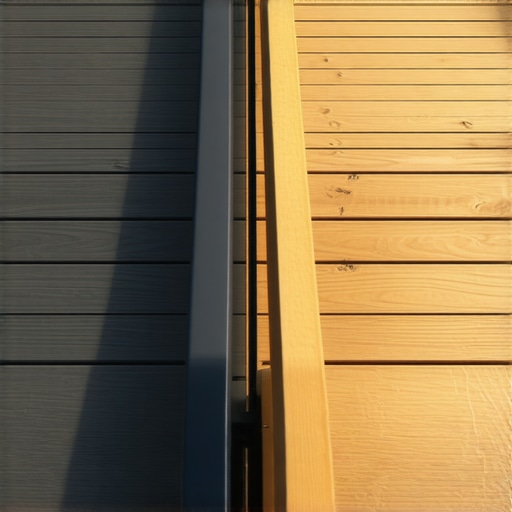
I was on my knees, sweat dripping off my nose, trying to shove a foam brush into the 1/4-inch gap between two splintering cedar balusters. My back ached, the sun was relentless, and I realized I had spent the last three Saturdays ‘maintaining’ a deck I was supposed to be ‘enjoying.’ That was the moment I swore off wood railings for good. If you’ve ever felt like your outdoor space is a demanding landlord rather than a retreat, you aren’t alone. Today, I’m showing you why making the jump to powder-coated steel isn’t just a design choice—it’s a lifestyle upgrade that saves your sanity. I remember thinking that wood was the only way to get a ‘warm’ feel, but after seeing my third set of railings turn a ghostly gray and start to warp, I knew there had to be a better way. [IMAGE_PLACEHOLDER]
Stop Sanding Your Weekends Away with Outdated Materials
Years ago, when I first started as a professional deck builder, I used wood for everything. I thought it was ‘authentic.’ But honestly? I made a massive mistake by prioritizing that initial look over long-term durability. I once built a stunning wrap-around for a friend using the best cedar money could buy, only to have him call me three years later asking why the balusters were wobbly and the handrail was full of splinters. It was embarrassing. I realized that choosing the right materials for durable outdoor areas isn’t just about the floorboards; it’s about the entire structural envelope. That experience is exactly why I stopped using cedar for modern deck railings entirely. Steel doesn’t twist. It doesn’t check. It doesn’t require a hazmat suit and a respirator every two years just to keep it from looking like a shipwreck. When you pair it with a custom composite decking layout, you’re building a space that stays beautiful with nothing more than a quick rinse from a garden hose.
Is metal really worth the extra cost up front?
I get this question all the time from neighbors peering over my fence. The skepticism is real—steel costs more than a bundle of pressure-treated 2x2s from the big box store. You’re looking at that price tag and thinking, ‘I could buy a whole new grill for the difference.’ However, when you factor in the cost of high-quality stains, the brushes, the cleaners, and the sheer value of your own time, the steel pays for itself by the time you’d be doing your second round of maintenance. According to the Powder Coating Institute, the electrostatic application process creates a finish that is significantly tougher than conventional paint, providing a ‘near-indestructible’ shield against UV rays and moisture that liquid coatings simply cannot match. Have you ever started a deck project only to realize the maintenance was going to be way more than you bargained for? Drop a comment and tell me your horror story. We’re going to dive into how these steel systems actually install—including how to avoid that infamous railing post wobble—and why they won’t block your view like bulky wood posts do.
Kill the Post Wobble with Better Hardware
Precision is the name of the game here. When you are working with wood, you can usually ‘convince’ a 2×4 to sit straight with a few extra nails or a heavy mallet. Steel does not negotiate. If your post is off by even an eighth of an inch at the base, it looks like the Leaning Tower of Pisa by the time it reaches the handrail. I learned this the hard way on a project a few years back while trying to implement innovative stairs solutions for a client with a steep backyard. I skipped the mounting template and just ‘eyeballed’ the bracket placement on the first three posts. By lunchtime, I had a handrail that would not click into the brackets and a gate that dragged across the composite boards. I spent three hours backing out fasteners and patching holes. That is why I now insist on using a mounting jig and the bolt pattern that finally stops railing post wobble for good. The real secret to a rock-solid feel is not just the metal; it is the connection to the structural frame underneath. You have to understand the reason we use structural screws instead of old-fashioned lag bolts. These specialized screws bite into the pressure-treated lumber with a grip that prevents the ‘pivot’ effect that makes wood railings feel flimsy. 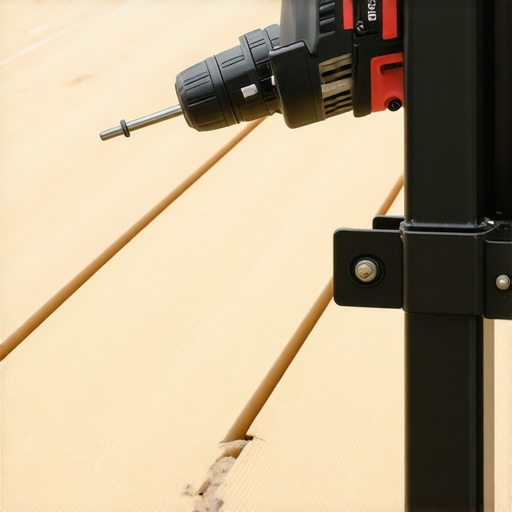
Precision Over Brute Force
Think of steel railing as a giant Lego set for adults. If the foundation is level, the pieces snap together with a satisfying ‘thunk.’ If it is not, you are in for a long weekend of frustration. This is where the benefits of working with a professional deck builder really shine—they know that the railing is only as strong as the blocking inside the rim joist. If you are a DIYer, do not just screw the post into the deck boards. You must add solid 2×8 or 2×10 wood blocking underneath the surface so your screws have six inches of ‘meat’ to grab onto. This is especially critical when you are choosing the right materials for durable outdoor areas, as composite boards alone cannot support the lateral load of a person leaning against a railing. If you have already finished your floor and realize you missed this step, do not panic; you can still learn how to fix a loose railing post without tearing up the deck boards by accessing the frame from below.
Safe Stairs That Actually Stay Quiet
When you transition to the steps, the complexity of metal railings jumps significantly. A common stair stringer measurement mistake is amplified with steel because the railing sections come at fixed angles (usually 32 to 36 degrees). If your stair rise and run do not match those angles perfectly, the bottom of the balusters will not sit flush. Unlike wood, where you can shave a fraction off a wooden baluster to hide an uneven step, metal requires your framing to be spot-on. This is why we often use the bracket that makes your deck stairs feel rock solid to ensure the connection points are immovable. When everything is aligned, you avoid that annoying ‘clatter’ that happens when metal components vibrate against each other. It is the difference between a deck that feels like a temporary structure and one that feels like a permanent extension of your home’s architecture.While it is easy to focus on the aesthetics of a new deck, the biggest myth I see in the industry is that composite decking is a ‘set-and-forget’ material. Many homeowners assume that once they have moved away from wood, the physical properties of the material no longer matter. But here is the contrarian truth: composite decking is actually more temperamental than wood when it comes to the laws of physics. Wood shrinks as it dries out over years, but composite expands and contracts daily with the temperature. I have seen countless $30,000 decks look like a funhouse mirror because the installer failed to account for why your composite boards are expanding more than expected. If you butt those boards tight on a cool morning, they will have nowhere to go when the summer sun hits except upward.
Why do high-end composite boards still warp and buckle?
The secret to a flat floor is not just the quality of the board; it is the mastery of the thermal expansion gap. A technical study by the North American Deck and Railing Association (NADRA) confirms that thermal movement is the leading cause of structural aesthetic failure in modern outdoor living spaces. On a 20-foot run, a dark composite board can grow by a significant fraction of an inch in direct sunlight. If you do not understand the spacing secret for installing composite decking in winter, you are essentially building a ticking time bomb for your curb appeal. This is exactly why picture framing your deck is more than just a style choice; it creates a fixed border that allows the ‘field’ boards to grow and shrink without exposing the raw cut ends. 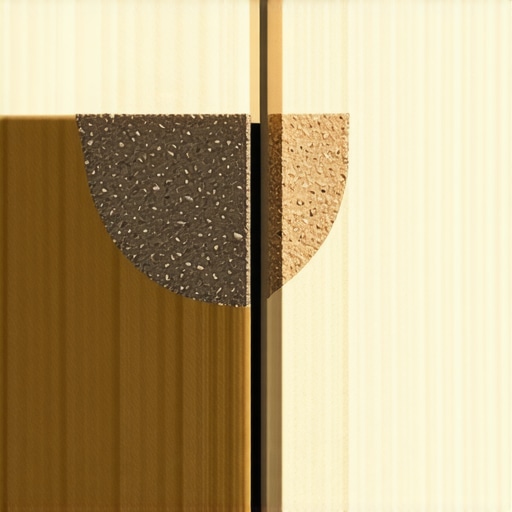 The ‘Oops’ factor that catches even seasoned pros involves the fascia boards. Because fascia is thinner than standard decking but much wider, it absorbs heat rapidly and ripples if it is pinned too tightly to the frame. Learning how to install deck fascia boards so they don’t buckle in the heat involves using oversized pilot holes and specific fastening patterns that allow the material to ‘slide’ rather than bend. You should also be wary of the truth about cheap composite decking from big box stores, as lower-quality boards often have higher plastic-to-wood ratios, leading to even more dramatic movement. A professional deck builder knows that a deck is a living, moving machine. Have you ever fallen into this trap and seen your boards buckle after a hot day? Let me know in the comments.
If you think your job is done once the last screw is driven into the composite, you are missing the most critical part of the long game: the structural frame. I have seen ten-year-old decks where the expensive boards look brand new, but the frame underneath is literally crumbling into mulch because of moisture trapped between the board and the joist. This is exactly why I never, ever skip joist tape. It is a simple peel-and-stick bitumen or butyl barrier that stops water from sitting on top of the wood and rotting out your screw holes. When you learn how to keep your deck joists from rotting under the boards, you are essentially doubling the lifespan of your investment. According to the American Wood Protection Association (AWPA) Standard U1, even pressure-treated lumber used for decking is susceptible to ‘decay fungi’ if organic debris and water are allowed to accumulate in tight gaps. By sealing those joists, you are creating a permanent umbrella for your structure. 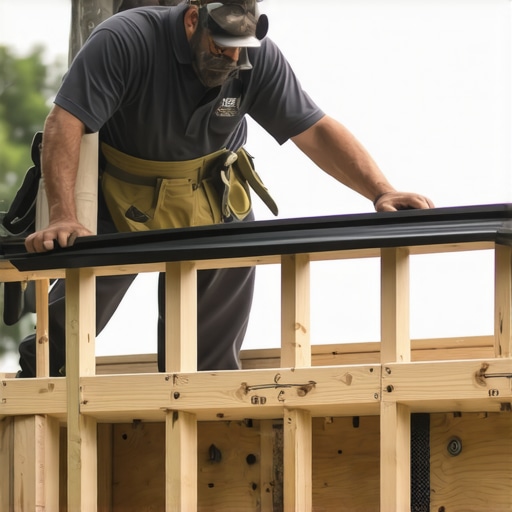
Why I obsess over joist tape more than the boards
In the world of professional building, we often talk about ‘water-shedding’ versus ‘water-trapping’ designs. A wood frame with composite on top is a classic water trap. The gap between the boards allows water in, but the tight surface of the joist prevents it from drying out quickly. This is how to protect your deck frame from rot for thirty years without having to rebuild the entire thing when the wood fails. I have moved toward recommending the hidden benefit of using steel deck framing instead of wood for clients who want a truly lifetime solution. Steel does not rot, it does not warp, and it stays perfectly flat forever. While the upfront cost is higher, you never have to worry about the ‘bones’ of your outdoor living space failing before the decking does.
The gear that saves your back and your budget
People always ask me what the ‘secret’ tool is for a perfect finish. It is not some high-tech laser—it is a high-quality impact driver and the right fasteners. Stop using a standard drill for deck screws; you will strip heads and lose your mind. You need the consistent torque of an impact driver combined with the reason we use structural screws instead of old-fashioned lag bolts. These fasteners are heat-treated and engineered to pull wood together with incredible force without needing a massive pilot hole. Also, do not underestimate the power of the digital age. I have found that why a digital designer is the best move for planning a complex backyard deck is because it identifies clearance issues with windows and doors before you even buy a single piece of lumber. Looking ahead, I predict that augmented reality (AR) will become the standard for DIYers, allowing you to ‘see’ your stairs and railings in your yard via your phone before you dig a single hole.
How do I maintain my composite deck frame over time?
Maintenance for a modern deck is mostly about cleanliness. Once a year, you should clear the gaps between your boards with a putty knife or a focused stream of water. If leaves and pine needles sit in those gaps, they turn into a wet ‘compost’ that holds moisture against your joists, bypassing even the best treatments. Check your ledger board—the part that connects the deck to your house—to ensure the flashing is still diverting water away from your siding. If you see any signs of wood softening, it is time to intervene. My challenge to you: Before you start your next project, spend an extra hour on your design phase using a 3D tool; it is the only way to catch layout disasters like stairs hitting a basement window before they happen. Let’s keep building spaces that last longer than the mortgage.
What Most Builders Forget About the Ground Beneath Your Feet
After decades of swinging a hammer, I’ve realized that the most expensive mistakes aren’t made with a saw—they’re made with a lack of foresight. One major “lightbulb moment” was finally accepting that why your composite boards are expanding more than expected isn’t a product defect; it’s simply physics. If you don’t respect the gap, the deck will eventually force you to. Another hard-earned lesson: never trust a stair stringer that hasn’t been double-checked for the structural reason your stairs feel like they are leaning. It’s almost always a framing issue, not a material one. Lastly, remember that your outdoor space is an ecosystem; if you ignore the grading trick that saves landscaping from runoff, your beautiful new structure will be sitting in a damp swamp within three seasons.
[IMAGE_PLACEHOLDER]
The Gear That Lives in My Truck Every Single Day
If you want professional results, you need a professional-grade approach to your kit. First, I never step onto a job site without a high-quality impact driver and a box of structural screws—I’ve explained the reason we use structural screws instead of old-fashioned lag bolts many times, and it comes down to sheer holding power and speed. Second, I swear by butyl joist tape; it is the single most cost-effective way to ensure you are how to protect your deck frame from rot for thirty years. Finally, before I even buy the first 2×8, I use 3D modeling software. This is why I never start a complex deck project without a digital 3d walkthrough first—it saves your budget from the “oops” moments that happen when stairs don’t clear windows or doors.
Time to Build Your Last Deck Ever
Building a high-end outdoor space is about more than just aesthetics; it’s about reclaiming your weekends from the endless cycle of sanding and staining. Transitioning to modern materials like powder-coated steel and composite decking isn’t just a trend—it’s a commitment to a better quality of life. You now have the insider wisdom, the tool list, and the structural secrets to do this right the first time. Don’t be afraid to take that first step; your future self will thank you for every Saturday you spend relaxing instead of working. Have you ever had a railing post start to wobble after just one season, or did you find a “surprise” under your old deck boards when you tore them up? Let me know in the comments below!