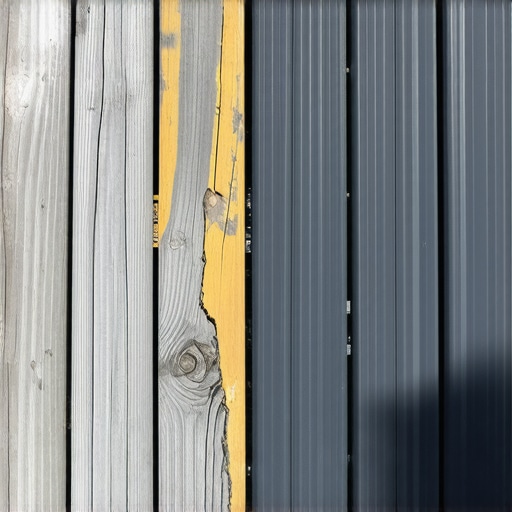
I stood on my back porch with a cold drink in my hand, staring at a railing that looked more like a funhouse mirror than a safety barrier. I’d spent three grueling weekends the year before staining every single 2×2 pressure-treated picket. I thought I was doing everything right. But the Ozark humidity had other plans. By the second summer, those pickets were warped, twisted, and shedding splinters like a stray cat sheds fur. It was my first big mistake as a homeowner, and honestly, it’s the reason I’ve spent the last decade telling anyone who will listen to put the wood pickets back on the shelf. If you’ve ever felt that ‘wobble’ when you lean against your rail, you know exactly the sinking feeling I’m talking about. Today, I want to show you why standard lumber is the hidden enemy of a long-lasting outdoor space and how shifting your mindset can save your weekends for decades to come.
The Summer My Deck Railings Turned Into Pretzels
We all love the smell of fresh cedar, right? Early in my journey as a professional deck builder, I swore by it. I thought that as long as you kept it stained, wood was king. I was wrong. I once built a gorgeous wrap-around porch for a neighbor, only to have them call me back two years later because the handrails felt ‘fuzzy’ and the pickets were popping out of the tracks. It was embarrassing. Standard wood, especially the stuff you find at big-box stores today, just doesn’t have the density it used to. It’s grown fast, harvested young, and it wants to move the moment the sun hits it.
When you are planning your outdoor living area for 2025, the railing shouldn’t be an afterthought. It’s the visual frame of your entire yard. If the frame is crooked, the whole picture looks cheap. This is why I eventually realized why I stopped using cedar for modern deck railings entirely. It wasn’t about being fancy; it was about being tired of fixing things that should have lasted. According to data from the International Association of Certified Home Inspectors (InterNACHI), railings are among the most frequent points of failure in residential deck inspections, often due to the natural degradation of wood fasteners and fibers over time.
Is skipping wood actually worth the extra cost?
I get it. Your budget is tight, and a stack of 2x4s looks a lot friendlier to your wallet than a box of powder-coated aluminum or high-end composite. But here is the reality: wood is a subscription service. You pay for it every two years in stain, sandpaper, and sweat. When I design stairs and safety systems now, I prioritize materials that don’t fight the weather. Have you ever spent a Saturday morning scrubbing mold off a railing just so your guests wouldn’t get their sleeves dirty? If so, you’re the person I wrote this for. We need to talk about the ‘forever’ materials that actually stay straight and true.
Beyond the maintenance, there is the safety factor. A wood railing post that isn’t reinforced properly will eventually rot from the inside out where it meets the frame. I’ve seen posts that looked fine on the outside but snapped like a toothpick because water sat in the bolt holes. I found that using the right bracket to stop railing wobble is a game-changer, but even the best bracket can’t save a piece of wood that’s determined to decompose. Let’s look at what actually works when the humidity spikes and the snow starts to pile up.
Stop the wobble before you install a single picket
If you want a railing that doesn’t feel like a loose tooth every time you lean on it, you have to stop thinking about the surface and start looking at the frame. I remember a job in Reeds Spring where the client insisted on a simple wood rail to save money. I warned them about the inevitable movement. Sure enough, by the following July, the gaps between the posts and the rim joist were wide enough to slide a credit card through. That was the last time I built a safety system without structural reinforcement. The problem isn’t just the wood; it’s the physics of a lever. A 36-inch post acts like a crowbar on your deck’s rim joist every time someone leans against it.
Swap out your lag bolts for structural screws
The old-school way of using 1/2-inch lag bolts is actually part of the problem. As wood dries and shrinks, those bolts lose their tension, and you’re left with a rattling mess. This is exactly [why I use structural screws instead of lag bolts for stairs](https://deckdesignbuild.com/why-i-use-structural-screws-instead-of-lag-bolts-for-stairs) and railing posts. Structural screws have higher shear strength and a thinner shank that won’t split the wood grain as easily. Think of them as the ‘glue’ that keeps your deck from vibrating apart over time.
Lock the post to the frame with specialized hardware
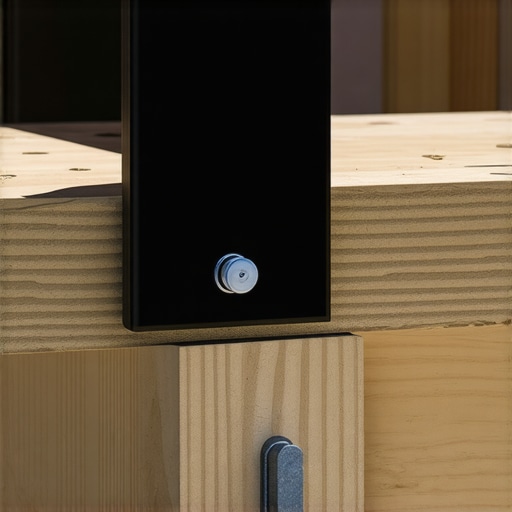
Even the best screws can’t stop the rim joist from twisting. To fix this, you need to tie the railing post back into the actual floor joists. Using [the bracket that keeps your railing from wobbling forever](https://deckdesignbuild.com/the-bracket-that-keeps-your-railing-from-wobbling-forever) is the only way to ensure that post never budges. It creates a ‘sandwich’ effect, gripping the post and the joist together so they move as a single unit. It’s the difference between a railing that feels like a temporary fence and one that feels like a part of the house foundation.
Choose materials that survive the Ozark humidity
Once your skeleton is solid, you have to decide what the ‘skin’ of your railing will be. If you’ve been following the trends, you know that [why I choose powder-coated steel over wood for modern deck railings](https://deckdesignbuild.com/why-i-choose-powder-coated-steel-over-wood-for-modern-deck-railings) isn’t just about the looks. Steel doesn’t care about the humidity. While your neighbor’s wood pickets are busy turning into pretzels, steel stays perfectly plumb. Analogous to a car’s frame, you want your safety barriers to be rigid and predictable.
Keep your handrails touchable in the summer heat
One mistake I see people make when they switch to modern materials is ignoring the sun’s orientation. I learned this the hard way on a west-facing build. We installed a beautiful dark railing, only to realize [why we stopped using black railings for west-facing decks in the summer](https://deckdesignbuild.com/why-we-stopped-using-black-railings-for-west-facing-decks-in-the-summer) when the client couldn’t even touch the handrail by 4:00 PM. If your deck gets direct afternoon sun, opt for lighter grays or bronze finishes that won’t turn into a stovetop burner.
Design for safety on the stairs
The railing shouldn’t just stop at the landing. When you transition to the stairs, ergonomics become the priority. I always double-check [the stair tread depth that feels safest for kids and the elderly](https://deckdesignbuild.com/the-stair-tread-depth-that-feels-safest-for-kids-and-the-elderly) to ensure the rhythm of the walk feels natural. To complement the modern look of a steel or composite rail, I also recommend [why your deck stairs should have closed risers for a modern look](https://deckdesignbuild.com/why-your-deck-stairs-should-have-closed-risers-for-a-modern-look). It hides the ugly pressure-treated framing underneath and provides a solid, high-end finish that ties the whole project together.
Most folks think that once they’ve picked their favorite color of composite from a catalog, the hard work is done. But here’s where I get a bit controversial: your choice of decking boards matters significantly less than the skeleton hiding beneath them. I’ve seen twenty-thousand dollars worth of premium boards look like a roller coaster within three years because the builder stuck to the standard sixteen-inch on-center joist spacing. For a truly high-end feel, you have to tighten that up. Using the joist spacing secret for a solid feeling composite surface isn’t just a suggestion; it’s the difference between a floor that feels like concrete and one that feels like a trampoline. When the sun hits those boards, they want to expand. If the support isn’t rigid, they will find the path of least resistance, which usually means an unsightly wave across your beautiful porch.
The expensive trap of the tuxedo on a pig
The biggest ‘oops’ I see in the Ozarks is the ‘New Boards, Old Frame’ trap. It’s incredibly tempting to strip off the old, splintering cedar and slap on new composite to save five or six thousand dollars on framing. But composite is heavy and it traps heat and moisture differently than natural wood. If you don’t address the framing, you’re essentially putting a tuxedo on a pig. I always warn my clients about the hidden cost of skipping joist tape on a new build. Without that protective butyl layer, water sits trapped between the composite board and the wood joist, rotting your structure from the top down while the expensive boards look perfectly fine. It’s a silent killer that can cut the life of your deck in half.

Should you trust your existing frame for a composite upgrade?
The answer is almost always a cautious ‘no’ unless you’ve performed a surgical inspection. According to the North American Deck and Railing Association (NADRA), over forty million decks in the U.S. are over twenty years old and likely past their safe useful life. If you’re following composite decking trends 2025, you’ll notice the shift toward total system longevity. This is why why I paint the tops of my joists black before installing composite isn’t just for aesthetics; it protects the wood and hides the bright green pressure-treated lumber from peeking through the gaps between boards. It’s these tiny, expert-level nuances that separate a DIY weekend project from a professional installation that stays level for thirty years.
Working with a professional deck builder means someone is looking for the ‘throats’ of your stair stringers or the depth of your footings—the stuff that isn’t pretty but keeps the deck from sinking into the mud. Have you ever fallen into this trap of prioritizing the ‘pretty’ parts over the structural ones? Let me know in the comments.
The gear that separates pros from the weekend warriors
After years of building, I’ve realized that a standard drill and a box of hardware store screws just won’t cut it if you want that high-end, seamless look. My truck is always loaded with a dedicated hidden fastening system, like the Camo Marksman tool. It allows me to drive screws into the side of the board rather than the face, which means no visible holes to collect water or snag your socks. This is exactly why we use hidden clips for the field but screws for the perimeter. It’s about managing the expansion and contraction of the material. For the heavy lifting, I’ve moved away from standard lags entirely. According to the Simpson Strong-Tie Deck Connection and Fastening Guide, structural-grade screws provide significantly higher shear strength and easier installation in tight corners, which is a lifesaver when you are installing the bracket that makes your deck stairs feel rock solid.
How do I keep my composite deck looking fresh for twenty years?
The biggest misconception is that ‘low maintenance’ means ‘no maintenance.’ If you ignore your deck, the Ozark pollen and dust will eventually create a layer of grime that can actually host surface mold. However, there is a right way and a very wrong way to clean it. I tell everyone: why you should never use a pressure washer on composite decks is because the high PSI can actually etch the surface of the boards, making them more porous and prone to staining. Instead, a simple bucket of warm water, mild dish soap, and a soft-bristle brush is all you need. For those stubborn spots, I’ve found that the best way to clean bird droppings off dark brown composite boards is to soak them first rather than scrubbing dry, which protects the UV-resistant cap layer of the board.
The future of backyards involves more than just better boards
Looking ahead, the next big shift in composite decking trends 2025 will be the integration of smart technology directly into the frame. We are already seeing prototypes for built-in moisture sensors and integrated heating elements to clear snow. Imagine a deck that tells you when the space under the joists needs more airflow. Until then, you have to be proactive. If you live in an area with heavy winters, pay attention to how the TimberTech Fulton rail performs against harsh winters; its powder-coated finish is designed specifically to resist the salt and ice melt that usually eats through cheaper aluminum systems. My best advice for any homeowner is to do a ‘ledger check’ every spring. It takes five minutes to look for the simple way to check if your deck ledger is pulling away from the house, and it could save your life. My challenge to you: before you lay your next board, buy a few rolls of joist tape and apply them to the top of every single framing member. It is the cheapest insurance policy you can buy for your home.
Hard Lessons from a Decade in the Ozark Mud
I’ve spent thousands of hours on my knees driving screws, and if there is one thing I’ve learned, it’s that the smallest details provide the biggest ROI. First, never ignore the ‘crown’ of your joists; if you don’t point them all the same way, your floor will never be flat. Second, always over-engineer your stairs. I’ve seen many DIY projects fail because they didn’t realize the bracket that makes your deck stairs feel rock solid is worth its weight in gold when you have a crowd over for a holiday party. Finally, remember that light is your best friend. A deck without proper illumination is just a dark platform after sunset; subtle rail lighting changes the entire mood of your outdoor living area and keeps your guests safe.
#IMAGE_PLACEHOLDER_E#
The Short List of Gear That Never Leaves My Truck
If you are tackling this yourself, don’t settle for the basic hardware store bargain bin. I personally swear by the Camo Edge Fastening system because it preserves the top of the board, preventing water from entering the core and causing premature rot in the substructure. For the heavy lifting, I exclusively use Simpson Strong-Tie structural screws; they bite faster and hold tighter than any lag bolt I’ve ever used in the field. I also highly recommend checking the NADRA (North American Deck and Railing Association) website for updated safety codes. It will help you understand why maintaining a specific stair tread depth that feels safest for kids and the elderly is non-negotiable for any modern build. These aren’t just tools; they are the insurance policy for your home’s exterior.
Build Your Legacy One Board at a Time
At the end of the day, a deck isn’t just a collection of wood and plastic. It is the place where you’ll watch your kids grow, host the neighborhood barbecue, and finally finish that book you’ve been carrying around. Whether you decide to hire a professional deck builder or take on the challenge yourself, focus on building something that lasts. When you follow the latest composite decking trends 2025, you aren’t just following fashion—you are investing in thirty years of maintenance-free peace for your family. Go out there and create a space that makes you want to stay outside just five minutes longer. Have you ever started a deck project and realized the frame was in worse shape than you thought? Let me know in the comments below.