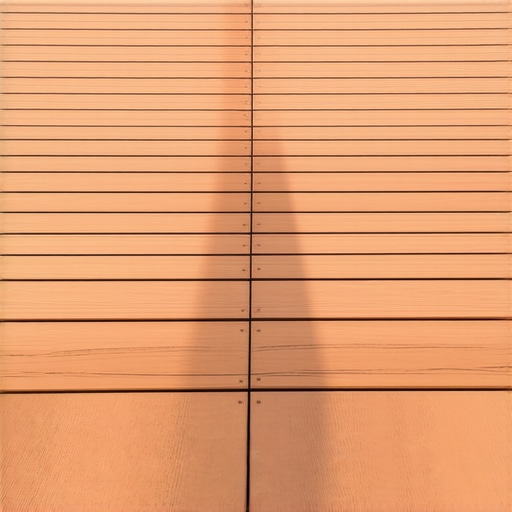
The morning sun hit my brand-new, deep espresso deck just right, and instead of feeling proud, I felt defeated. Every single paw print from my golden retriever, every smudge from my kid’s sneakers, and even the trail of a lone squirrel looked like it had been highlighted in neon. I’d spent weeks working with a professional deck builder to get the structural details perfect, yet I completely blew it on the one thing I have to look at every single day: the color. I chose the darkest, most “luxurious” brown available, thinking it would look like a high-end interior floor. It did—for about ten minutes.
Stop Chasing Dust and Start Enjoying Your Backyard
Choosing a color based on a tiny 2-inch sample in a bright showroom is the most common mistake I see homeowners make. I made it too! When you’re dreaming of innovative outdoor living, you rarely think about the local dust profile of your backyard. If you live in an area with light-colored clay or sandy soil, that dark board is going to act like a chalkboard for every step you take. I learned the hard way that dark brown decking gets significantly hotter and shows salt, pollen, and dust much more aggressively than mid-tones. It’s not just about the dirt, though. It’s about the mental load of maintenance. I used to think I’d just hose it off, but I quickly realized that you should never use a pressure washer to blast away daily grime because it can actually damage the surface. Today, we’re going to solve this. I’m going to show you how to pick a shade that hides the “lived-in” look of a busy family home without sacrificing style. We’re looking for that “Goldilocks” zone—not too light, not too dark, but just right for your specific environment.
Does the “Perfect” Low-Maintenance Color Actually Exist?
You might be thinking that any color will eventually look dirty, so why does it matter? It’s a fair point. According to the Architectural Woodwork Institute, the way light reflects off a surface—its Light Reflectance Value—dictates how easily the human eye perceives contrast. When you have a high-contrast situation, like light-colored dust on a dark board, the “dirt” is all you see. By matching your decking to the natural debris of your yard, you’re not making the dirt disappear; you’re just making it invisible to the casual observer. When I finally swapped my boards for a variegated gray-tan mix, my cleaning time dropped by 70%. Have you ever felt like a slave to your deck’s appearance, scrubbing away footprints just to have the dog ruin it five minutes later? You aren’t alone. If you are currently choosing the right composite decking for a new build, let’s make sure you don’t repeat my espresso nightmare.
Take Your Samples for a Test Drive in the Dirt
The first thing you need to do is stop looking at those tiny plastic swatches inside the hardware store. Interior lighting is a liar. To get a real sense of how your choosing the right composite decking will actually look, you have to bring those samples into your own backyard. When I was helping my neighbor, Dave, pick his boards, we performed what I call the ‘Torture Test.’ We took five samples—ranging from a pale driftwood to a deep charcoal—and left them in the middle of his yard for a full week. We didn’t just let them sit there; we actually rubbed his Golden Retriever’s shedding hair into them and tossed a handful of the local red clay on top. By day four, the charcoal board looked like it had been through a dust storm, while the variegated ‘warm gray’ board looked like it had just been installed. Dave was shocked. That 20-minute experiment saved him ten years of weekend scrubbing. If you are working with a professional deck builder, ask them for larger scraps rather than the tiny 2-inch marketing samples. You want to see how the grain captures the specific dust of your zip code.
The Hidden Science of Light Reflectance Values
Most people choose a color based on ‘vibes,’ but there is actual math involved in why some decks look dirtier than others. This is where Light Reflectance Value (LRV) comes in. Think of it like this: a mirror has an LRV near 100, and a black hole has an LRV of 0. When you choose a dark espresso board (low LRV), it absorbs light, making every speck of light-colored pollen or dried mud stand out like a flare. Conversely, extremely light boards can be blinding in the midday sun. The ‘Goldilocks Zone’ for composite decking trends in 2025 is a medium-toned, variegated board. These boards use multi-tonal streaks—mimicking natural wood—which act as a built-in camouflage for debris. 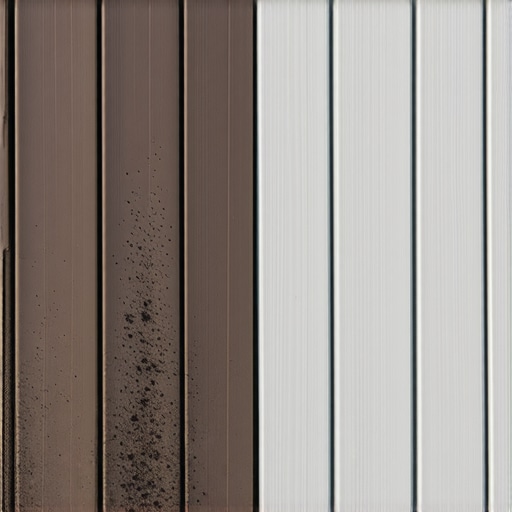
Keep Your Toes from Burning on Summer Afternoons
It is not just about the look; it is about the physical comfort of your innovative outdoor living space. I’ve seen gorgeous dark mahogany decks that become literal no-go zones in July because dark brown decking gets significantly hotter than lighter shades. If your deck faces west and gets blasted by the afternoon sun, your color choice dictates whether you can walk out there barefoot or if you’ll need combat boots. For high-heat areas, look for ‘cool deck’ technology in lighter tans or grays. These colors reflect the heat away rather than soaking it up like a sponge.
Make Your Stairs Pop for Safety and Style
When you move from the main floor to the ground, color becomes a safety feature. I always recommend using a slightly different shade for the stair treads or at least a high-contrast ‘picture frame’ border. Designing safe and stylish stairs involves creating a visual break so the human eye can easily distinguish where one step ends and the next begins. When I built my current deck, I used a slate gray for the main body but switched to a lighter silver for the stairs. Not only did it look like a high-end architectural choice, but it also meant my kids weren’t tripping during twilight games of tag. You can even enhance this effect with a clever lighting layout that grazes the surface of the boards, highlighting the texture and further masking any minor scuffs. For a truly finished look, consider innovative stairs solutions like closed risers in a contrasting color, which hides the ‘ugly’ structural lumber underneath and keeps the focus on your beautiful, low-maintenance surface.Building on that idea of innovation, I need to let you in on a secret that most salespeople won’t tell you: your expensive composite boards are only as good as the skeleton underneath. Everyone says composite is ‘set it and forget it,’ but in my experience, the mismatch between 30-year boards and a 15-year frame is the biggest disaster waiting to happen in your backyard.
Stop Obsessing Over Boards and Look at Your Joists
The ‘Oops’ factor here is the moisture trap. Because composite boards are so dense, they can actually trap water against the top of your wooden joists longer than traditional wood would. This leads to accelerated rot that you won’t see until a board literally gives way. If you are currently choosing the right composite decking, you absolutely must account for the hidden cost of skipping joist tape on a new build. This simple butyl tape creates a waterproof barrier that ensures your frame lasts as long as your premium surface. For those looking for the ultimate longevity, I often recommend the hidden benefit of using steel deck framing instead of wood. It won’t warp, rot, or sag, which is the only way to truly achieve ‘maintenance-free’ innovative outdoor living.
The 16-Inch Mistake That Makes New Decks Feel Cheap
Another common nuance involves the structural ‘feel’ of the deck. Most local codes allow for joists to be 16 inches apart, but if you want that rock-solid interior floor feel, that is a mistake. Composite material is naturally more flexible than cedar or pressure-treated pine. I’ve stepped on many brand-new decks that felt like walking on a trampoline because the joist spacing secret for a solid-feeling composite surface is to tighten that gap to 12 inches on-center. This prevents the ‘bounce’ and makes the whole structure feel like a high-end extension of your home. If you already have a deck and it feels a bit soft, check out why your deck feels bouncy and the affordable fix to stiffen it up. 
Why Are Your Stair Stringers Cracking at the Throat?
This is a question I get from savvy DIYers and even some pros who have seen their work fail after a few seasons. The ‘throat’ is the uncut part of the stringer that carries all the structural weight. If you make a stair stringer measurement mistake that ruins your stride, you might over-cut into that wood, leaving it too thin to support a heavy family. A study by the North American Deck and Railing Association (NADRA) suggests that nearly half of the 60 million decks in the U.S. are past their useful life, often due to hidden structural decay or poor stair design that homeowners ignore while focusing on aesthetics. To combat this, understanding why your deck stair stringers are cracking at the throat usually comes down to over-notching. I’ve switched to using structural screws for everything—why I use structural screws instead of lag bolts for stairs is simple: they offer better shear strength and won’t split the wood over time. Have you ever noticed your stairs feeling a bit ‘crunchy’ or loose when you walk on them? Have you ever fallen into this trap? Let me know in the comments.
Why Your ‘Maintenance-Free’ Deck Still Needs an Occasional Scrub
While salespeople love to use the term ‘maintenance-free,’ the reality of innovative outdoor living is that everything exposed to the elements needs a little love. I’ve found that even the highest-end boards can lose their luster if you let pollen and tannins from fallen leaves sit too long. Instead of reaching for a pressure washer—which we already know is a mistake—I rely on a soft-bristle deck brush and a simple solution of warm water and mild dish soap. This is particularly important for those ‘Goldilocks’ mid-tones we talked about earlier. If you ignore it, you’ll eventually find yourself searching for the best way to clean bird droppings off dark brown composite boards because the organic acids can actually etch into the cap layer if left for months in the baking sun.
Stop Fighting Your Boards and Use a Bender
If you are attempting a DIY install or even just checking the work of your professional deck builder, look at the lines. Composite boards are notorious for arriving with a slight ‘crown’ or bow. If you try to force them into place with just your hands, you’ll end up with uneven gaps that scream ‘amateur hour.’ I never step onto a job site without a dedicated board-bending tool. It allows you to lock the board in a perfectly straight position while you drive your hidden fasteners. This ensures that your ‘picture frame’ border stays square and your simple pivot move for carrying long composite boards alone doesn’t result in a warped finish once the boards are secured. 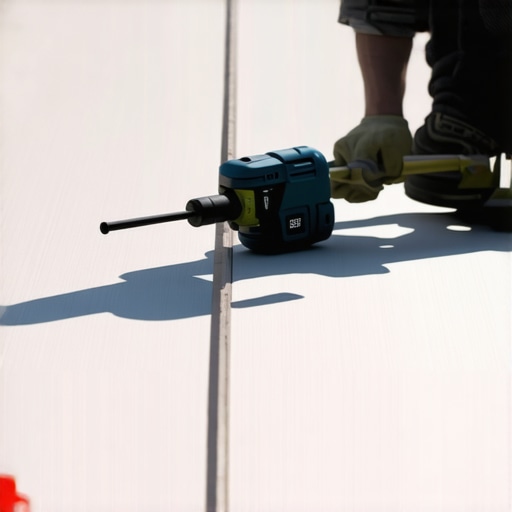
How do I maintain my composite deck over the next twenty years?
The secret to a multi-decade lifespan isn’t just cleaning the surface; it is the annual inspection of the ‘critical connections.’ According to the American Wood Council’s DCA 6 (Design for Code Acceptance), the ledger board connection—where the deck meets the house—is the most common point of structural failure. Every spring, I take a flashlight and look for any signs of the ledger pulling away or water streaking behind the flashing. You can learn the simple way to check if your deck ledger is pulling away from the house in about five minutes. If you catch a loose bolt or a failing seal early, you save yourself a $20,000 replacement bill down the road.
Smart Tech is Moving Into the Backyard
Looking ahead, the biggest shift I see in composite decking trends for 2025 and beyond is the integration of smart sensors and high-end aesthetics. We are moving away from simple floodlights and toward nuanced zones. I’m currently experimenting with integrated heat-sensing lighting that changes hue based on the surface temperature of the boards, helping guests know when it’s safe to go barefoot. Understanding how to pick the right deck lighting color temperature for a cozy feel is the first step toward this high-tech future. If you want to take your deck to the next level right now, I highly recommend you try one specific pro trick: why I paint the tops of my joists black before installing composite. This small move makes the structural wood ‘disappear’ into the shadows between your deck boards, giving your floor a seamless, professional look that truly elevates the entire space.
Looking back at my own journey from a dusty dark-brown mess to a high-performance sanctuary, it is clear that success lies in the details that most people overlook until it is too late. Building a deck is an investment in your lifestyle, and getting the foundation right is just as important as picking the perfect shade of gray.
The Hard-Earned Truths I Learned Under the Summer Sun
- Sample boards are liars until they hit your yard. Never commit to a full pallet of decking until you have seen it in your specific light, covered it in your local dirt, and stepped on it with bare feet in the middle of a July afternoon.
- The gaps between boards are visual anchors. If you want that high-end look, remember why I paint the tops of my joists black before installing composite. It hides the raw lumber and creates a shadow line that makes your deck look professionally finished.
- Maintenance is a rhythm, not a chore. You do not need a pressure washer; you just need a soft brush and a sunny Saturday once a quarter to keep the tannins from staining your surface.
- Structure is the real hero. A deck is only as good as the frame. Always account for the hidden cost of skipping joist tape on a new build to ensure your sub-structure lasts as long as your premium boards.
My Personal Toolkit for a Lasting Outdoor Space
If you are getting ready to start your project, there are a few resources and tools that I personally swear by. First, I always consult the NADRA Deck Safety Checklists; they are the gold standard for ensuring your structure won’t fail when the party gets crowded. For design inspiration that balances aesthetics with budget, I recommend reading through deck builder insights on designing your dream outdoor space. Finally, never underestimate the power of a dedicated Board-Bending Tool like the Bowrench. It is the only way to get those perfectly straight lines in composite material without losing your mind.
Your Backyard Oasis is Finally Within Reach
The transition from a high-maintenance wooden platform to a truly innovative outdoor living area is a game-changer for any homeowner. It is about more than just the square footage; it is about creating a place where you can relax without seeing a list of chores every time you look down. Don’t be afraid to take the slow route, test your materials, and invest in the structural details that provide peace of mind. Your future self, sitting on a cool, clean deck with a cold drink, will thank you. Have you ever regretted a deck color choice or found a structural surprise halfway through a build? Let me know your story in the comments below.