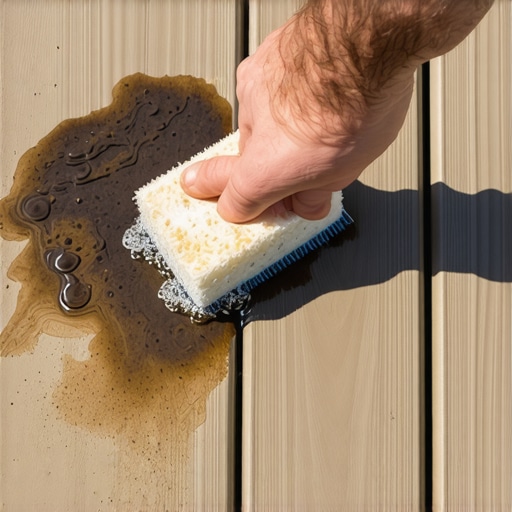
I’ll never forget the sinking feeling in my stomach last July. I was hosting a neighborhood cookout, flipping some particularly juicy burgers on my high-end composite surface. I’d spent weeks choosing the right composite decking for durable low-maintenance outdoor areas, thinking it was basically bulletproof. Then, the spatula slipped. A hot, shimmering glob of grease landed right in the center of the walkway. My first instinct? Panic. I grabbed a stiff wire brush and started scrubbing like a man possessed. That was my first big mistake. Instead of lifting the oil, I was just pushing it deeper into the wood-grain texture and, worse, I was starting to scuff the protective cap. I almost ruined a five-figure investment over a five-cent burger. We’ve all been there, right? Whether it’s a rogue piece of bacon or a leaky grill, grease feels like a permanent death sentence for your outdoor aesthetic. But today, I’m going to walk you through the exact steps I use to lift those stubborn spots without harming the material. We’re going to talk about why that ‘low maintenance’ label doesn’t mean ‘no maintenance,’ and how a little household chemistry can save your Saturday. [image]
Stop Scrubbing and Step Away from the Pressure Washer
If you’re anything like me, your first thought is to bring out the big guns. You see a stain and you want to blast it into the next county. But here is some deck builder insights for you: aggression is your enemy here. I learned the hard way that why you should never use a pressure washer on composite decks is the most important lesson a deck owner can learn. High pressure can actually delaminate the surface or leave permanent ‘wand marks’ that look worse than the grease itself. According to the North American Decking and Railing Association (NADRA), improper cleaning techniques are responsible for a significant portion of preventable deck damage reports. Instead of raw power, we need the right solution. Have you ever tried to scrub a stain only to realize you were making it ten times wider? I’d love to hear your most frustrating ‘clean-up gone wrong’ stories.
Will My Deck Ever Look the Same Again?
It’s the question that keeps you up at night after a spill. You worry the oil has bonded with the plastic and changed the color forever. If you chose mineral core decking for every poolside build, you’re in a great spot because of the density, but even standard boards are incredibly resilient. The ‘secret’ isn’t some expensive chemical; it’s often sitting right under your kitchen sink. Before you run out and buy a ‘magic’ restorer, realize that most grease stains are just surface-level issues if you catch them within the first 24 hours. The real danger is the sun ‘baking’ that oil into the polymers, which can lead to permanent discoloration. This is why I always emphasize the best way to protect your deck from hot bbq embers and drippings before the party even starts. We aren’t just cleaning; we’re performing a bit of rescue surgery on your favorite outdoor space.
Grab the Paper Towels and Blot Like Your Deck Depends on It
The moment that grease hits the board, time is your most valuable resource. Last summer, after my burger mishap, I spent the first five minutes trying to find a scrub brush, which was exactly what I shouldn’t have done. If I could go back, I’d tell myself to grab the bulk pack of paper towels instead. You want to blot, never wipe. Wiping is just spreading the problem across more square inches of your beautiful composite decking trends 2025. Think of the grease like a tiny puddle of ink; if you swipe it, you’ve just created a bigger canvas of mess.
The Blotting Technique You Probably Aren’t Using
Gently press the paper towel directly onto the glob. Let it sit for a few seconds to ‘wick’ the oil out of the texture. I once watched a neighbor try to use a beach towel, which just pushed the grease into the grooves of his stairs. It’s better to use something disposable and highly absorbent. If you’re still in the planning phase, how to pick a deck color that doesn’t show every footprint is a great resource to minimize the visual impact of these little accidents. 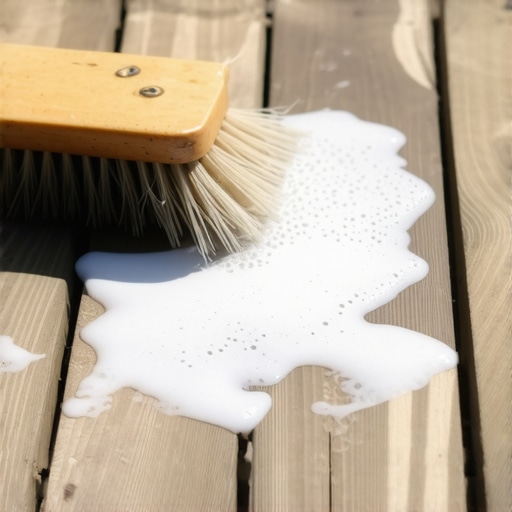
The One Liquid That Actually Breaks Down Grill Grease
You don’t need an industrial-grade solvent to save your deck. In fact, most pros who understand the benefits of working with a professional deck builder in your outdoor projects will tell you that simple Dawn dish soap is the gold standard. It’s designed to break the molecular bond of animal fats without eating through the protective cap of your composite material. I once tried a ‘heavy duty’ driveway cleaner on a small oil spot in the corner of my deck. Within minutes, the color started to look slightly bleached. I panicked and rinsed it, but the lesson stuck: your deck isn’t a parking lot. Stick to the mild surfactants.
Why Warm Water Makes the Difference
Cold water and grease are like oil and… well, oil. They don’t mix, and cold water actually causes the grease to solidify and ‘grip’ the texture of the board. I learned this the hard way during a chilly October tailgate. I threw a bucket of hose water on a bratwurst drip, and it turned into a waxy white film that was a nightmare to remove. Always use warm (not boiling) water. It softens the oil, allowing the soap to surround the particles and lift them away. This is especially true if you have complex designs like why your deck stairs should have closed risers for a modern look, where grease can hide in the corners.
Keep the Surface Smooth with Soft Bristles
Once you’ve applied your soapy water, the temptation is to use a stiff brush. Don’t do it. A soft-bristled nylon brush, the kind you’d use to wash a car, is all you need. Scrub in the direction of the grain. This is a subtle move, but it prevents the bristles from jumping across the ‘hills’ and ‘valleys’ of the wood texture, which can create micro-scratches. If you’re worried about future maintenance, consider how to keep your outdoor rug from staining your deck boards as a way to create a ‘splash zone’ under your grill. I eventually put a specialized grill mat down after my third ’emergency cleaning’ session, and it’s been a lifesaver for my composite decking trends 2025 layout.
While the scrubbing and soaping we discussed earlier will handle the surface, true expertise in outdoor living means looking at what’s happening beneath your feet. Let’s dig deeper into the nuances that separate a DIY weekend project from a professional-grade build. A common myth I see in many forums is that once you’ve finished choosing the right composite decking for durable low-maintenance outdoor areas, the hard part is over. In reality, the most expensive boards in the world will fail if you ignore the thermal dynamics of the material. Have you ever fallen into the trap of thinking all-weather means indestructible? Let me know in the comments.
The Hidden Trap of Hidden Fasteners
Everyone loves the look of a clean, fastener-free surface, but there is a specific ‘oops’ factor here that can ruin your aesthetic. If you don’t account for the fact that composite material expands and contracts significantly more than wood, you’re headed for trouble. I’ve seen beautiful decks turn into rollercoasters because the installer didn’t understand the hidden clip mistake that leads to buckling deck boards. These clips need a precise amount of breathing room to allow the boards to slide as temperatures shift. If you lock them down too tight, the internal pressure has nowhere to go but up, resulting in unsightly humps in your walkway.
Why Your Deck Stairs Feel Like a Ladder and How to Fix the Rise
When I talk to homeowners, the number one complaint isn’t actually the deck surface; it’s the transition. If you’ve ever felt like you’re climbing a vertical cliff just to get to your grill, it’s likely a geometry error. Many people assume standard indoor stair measurements work outside, but why your deck stairs feel like a ladder and how to fix the rise is a critical lesson in ergonomics. According to the International Association of Certified Home Inspectors (InterNACHI), a variance of as little as 3/8 of an inch between steps can cause a trip hazard. This is why I always insist that why your deck stairs need a concrete landing pad at the bottom is non-negotiable; you need a perfectly level starting point to ensure every step remains consistent for the life of the structure.
Stop Rot from the Top Down with Joist Protection
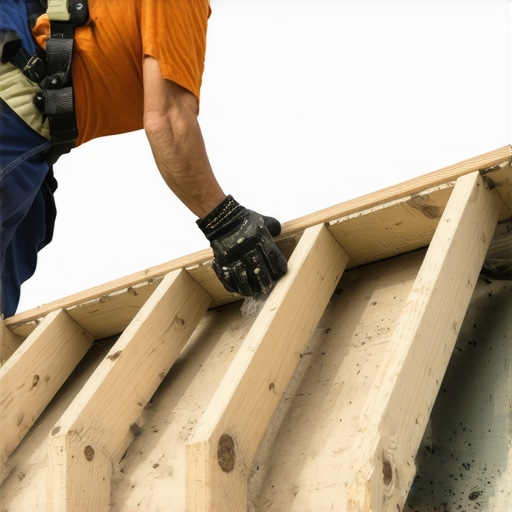
Here is a contrarian view for you: the durability of your composite deck has almost nothing to do with the boards themselves. It has everything to do with the frame. I’ve seen homeowners drop twenty thousand dollars on high-end boards only to have the pressure-treated frame rot out from underneath them in ten years. This is usually because they ignored the hidden cost of skipping joist tape on a new build. When you drive a screw through your board into the joist, you’re creating a tiny well where water sits. Over time, that water eats the wood from the inside out. When you are planning to transform your outdoor living with custom composite decking ideas, you must protect those joist tops. Additionally, if your deck feels ‘bouncy,’ it’s likely because you missed the joist spacing secret for a solid-feeling composite surface. Most composite brands require 12-inch or 16-inch centers to prevent the ‘spongy’ walk that gives composite a bad reputation. Don’t let a minor shortcut in the framing ruin a major investment in your home’s value.
The Impact Driver Secret for Professional Results
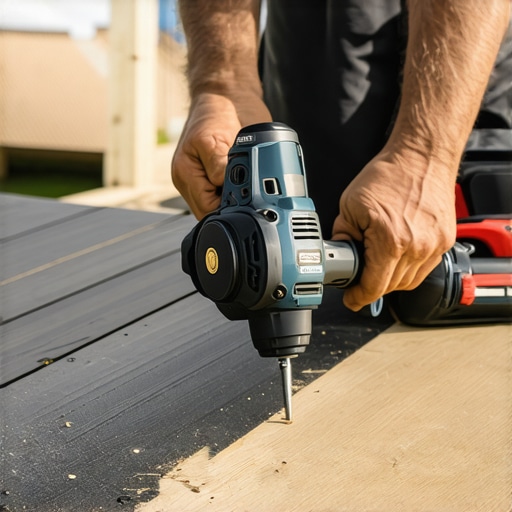
I’ve learned the hard way that a standard drill just doesn’t cut it when you’re working with dense composite materials. If you want that high-end finish, you need an 18V impact driver with a dedicated depth-setting bit. This is my go-to move because it ensures every single screw is driven to the exact same depth, preventing those tiny shadows that scream ‘amateur hour.’ It’s the core of the screw depth trick for a perfectly smooth deck surface. I also keep a specialized extractor in my pocket at all times; knowing the best tool for removing a single stripped deck screw has saved me from more than one meltdown when a bit slips at 4:00 PM on a Friday.
How Do I Keep My Composite Deck Looking Brand New for Decades?
Maintenance isn’t just about cleaning spills; it’s about preventing the structure from aging faster than the surface. One of my favorite ‘pro-only’ tips is an aesthetic and functional double-win: why I paint the tops of my joists black before installing composite. It masks the light-colored pressure-treated wood that normally peeks through the gaps, but more importantly, it provides an extra layer of moisture protection. I always refer back to the American Wood Protection Association (AWPA) standards, specifically the U1 standard for Use Category 4, which reminds us that while the boards won’t rot, the frame absolutely will if the cuts aren’t sealed properly. If you are aiming to transform your outdoor living with custom composite decking ideas, don’t ignore these tiny details.
Look for Modern Tech to Take Over Your Backyard in 2025
As we look toward the future, I predict we are going to see a massive shift toward fully integrated smart decks. We are already seeing the beginning of this in the composite decking trends 2025 reports. It’s no longer just about the boards; it’s about automated environmental controls. Imagine your deck lighting automatically shifting its color temperature as the sun sets to minimize bug attraction, or built-in sensors that alert your phone if moisture is trapped under the fascia. I’m already experimenting with the lighting layout that makes a small deck look twice as big by using app-controlled zones that create depth through contrast. This level of sophistication is exactly why the benefits of working with a professional deck builder in your outdoor projects are becoming more apparent—the technical complexity of a modern deck is skyrocketing. If you really want to level up your space this weekend, I challenge you to try painting your joist tops black before your next board replacement; the visual difference will blow your mind.
What a Decade of Spilled Burger Grease Taught Me About Outdoor Living
After years of hosting, I’ve realized that the ‘ghost’ of a stain is usually just a reminder that we haven’t mastered our tools yet. Here are the realizations that changed my approach to maintenance: First, the sun is a secondary ‘cook.’ If you leave grease on the boards during a summer heatwave, you aren’t just dealing with oil; you’re dealing with a baked-in polymer bond. Second, the most valuable expert deck builder tips for stunning outdoor living always focus on the skeleton of the deck. If the frame is rotting, no amount of soap will save your investment. Finally, remember that your deck is an extension of your home—treat the composite material with the same respect you would give your indoor hardwood.
The Gear I Trust When Things Get Messy
I don’t believe in ‘magic’ cleaners, but I do believe in the right chemistry. My go-to kit includes Original Blue Dawn dish soap because its grease-cutting surfactants are unmatched for animal fats. I also never start a new project without a roll of butyl joist tape to stop rot before it starts. For actual construction or board replacement, an 18V impact driver is non-negotiable for a perfectly flush finish. If you are looking for more aesthetic inspiration, these ideas for designing safe and stylish stairs for outdoor decks in 2025 are perfect for combining safety with high-end looks.
Your Backyard Legacy Starts with a Single Clean Board
Building a space for your family to gather is one of the most rewarding projects you can undertake. Don’t let the fear of a little grease or a complex layout stop you from creating something beautiful. Whether you are choosing the right composite decking for durable low-maintenance outdoor areas or refining an existing structure, the key is to stay curious and proactive. Your outdoor living area is meant to be enjoyed, spills and all. Have you ever managed to save your deck from a ‘permanent’ stain or a construction mishap? Let me know your best recovery stories in the comments below!