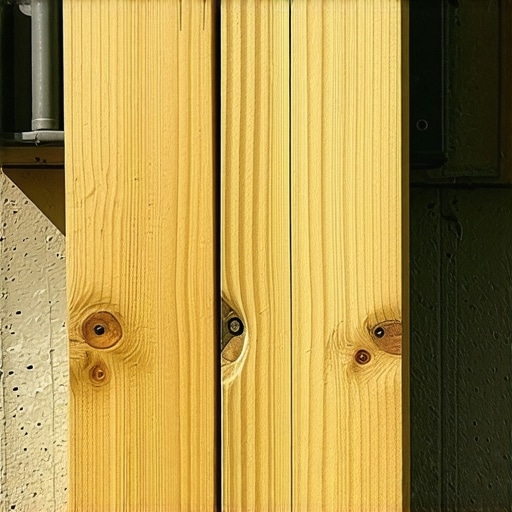
I’ll never forget the sound of that sickening crunch when I stepped onto my neighbor’s three-year-old stairs. I was helping him move a heavy grill, and the bottom post just… gave up. It looked perfectly solid from a distance, but right where the wood met the concrete landing, the timber had turned into something resembling wet oatmeal. I felt terrible because, as a local enthusiast who loves a good DIY project, I should have warned him. That failure was a visceral reminder that the most dangerous part of any build isn’t the height or the load; it is the invisible moisture trap at ground level. Whether you are working with a professional deck builder or tackling a weekend project, ignoring the concrete-to-wood connection is a recipe for disaster. Today, I am going to show you the one ‘magic’ adjustment—a simple post-base trick—that keeps your lumber high and dry, ensuring your stairs and supports outlast the house itself.
Your Concrete Footings Are Secretly Killing Your Wood
Early in my career, I fell for the ‘anchor it deep’ myth. I thought that burying a post 24 inches into a wet concrete pour made it more stable. It felt solid, sure, but I was actually creating a permanent bathtub for the wood. Even pressure-treated lumber has a breaking point. When you bury wood in concrete, water seeps into the microscopic gap between the two materials, and because concrete is porous, it holds that moisture against the grain indefinitely. According to research from the USDA Forest Products Laboratory, wood-decay fungi thrive in the exact moisture-rich environment found at the ground-contact line. This is often why your deck post footings keep sinking or rotting out long before the deck boards themselves start to gray. I learned the hard way that a post should never touch the dirt, and it should barely even touch the concrete.
Wait, isn’t pressure-treated wood supposed to be rot-proof?
Many folks believe the green tint of treated lumber is a shield of invincibility. It’s not. It is a delay tactic. Especially if you are using low-maintenance outdoor materials on top, you want a foundation that matches that longevity. Have you ever noticed a dark, soft ring at the bottom of your deck posts after a heavy rain that stays wet for days? That is the warning sign I ignored years ago. If you want a truly dream outdoor space, we have to talk about the physical break—the ‘trick’ that involves a specific type of standoff bracket. By lifting the wood just one inch off the concrete surface, you allow air to circulate and water to drain away. It’s a simple pivot that separates the pros from the amateurs.
Use a Standoff Bracket to Break the Moisture Chain
The trick I mentioned earlier is the use of a G90 galvanized standoff post base. Think of this as a specialized chair for your structural lumber. Instead of the wood sitting in a puddle or directly on a porous concrete slab, the bracket features a built-in one-inch rise. This small gap is the difference between a 30-year lifespan and a 5-year failure. When I am acting as a deck builder, I never skip this step because air circulation is the only thing that allows wood to breathe after a storm. If you do not have that gap, capillary action pulls water up into the end-grain—the most vulnerable part of the board—and rots it from the inside out. This protection is vital even if you are planning innovative outdoor living ideas that use heavy beams; the heavier the load, the more the wood grain compresses and traps water.
Give Your Stairs a Dedicated Concrete Landing Pad
I cannot stress enough why your deck stairs need a concrete landing pad at the bottom rather than just resting on dirt or gravel. I once took a service call for a home in the Ozarks where the stairs had shifted so much the handrail was hitting the siding. The builder had rested the stringers on simple paver stones that had vanished into the mud over two seasons. We had to excavate, pour a proper 4-inch pad, and use adjustable anchors. This instability is the hidden reason your deck stairs are pulling away from the frame; the ground moves, but a concrete pad tied to the house stays put. It creates a stable, dry environment for your staircase to land on, preventing that spongy feeling every time you walk down.
Seal the Cut Ends to Prevent Internal Decay
Every time you make a cut with your miter saw, you are exposing the raw, untreated heartwood. Many DIYers assume the chemical treatment goes all the way through the wood, but it rarely does. Treating these ends is like putting a bandage on an open wound. If you skip it, the wood will suck up moisture through those open fibers like a straw. I always keep a small can of copper naphthenate on my workbench to brush onto every single cut end. It is the best way to seal the end cuts of pressure-treated lumber to prevent rot and ensures your foundation is as durable as the low-maintenance outdoor boards you might be installing on top. If you are investing in composite decking trends 2025, you want a frame that will not require a total teardown in a decade because of a few cents worth of sealer.
Master the Drainage Move for Heavy Footings
When you are pouring footings for a large project, the shape of the concrete matters just as much as the depth. I like to dome the top of the concrete so that it slopes slightly away from the center anchor. This is the drainage move that saves your deck footings from sinking or cracking due to ice expansion. By directing water away from the metal post base, you eliminate the possibility of a pool forming at the most critical structural point of your build. This small effort ensures your dream outdoor space remains level and safe for the long haul.
While we’re talking about long-term stability, there’s a massive misconception I see every single season: the idea that composite decking is ‘set it and forget it’ structural magic. Most people spend weeks picking the perfect shade of gray but spend zero minutes thinking about what’s happening underneath. If you want to truly transform your space with expert deck builder tips, you have to realize that the frame is actually more important than the boards you walk on. I’ve seen thousands of dollars worth of high-end composite look like a cheap roller coaster within three years because the builder stuck to ‘standard’ wood-decking rules.
Is 16-Inch Joist Spacing Actually Sabotaging Your Composite Investment?
In the world of traditional lumber, 16 inches on center is the industry gold standard for joists. However, if you are choosing the right composite decking, that standard is often a trap. Composite is naturally more flexible than wood. When it gets hot in the summer, those boards want to move and sag. This is the joist spacing secret for a solid-feeling composite surface: go 12 inches on center. It adds a bit to your lumber bill, but it eliminates that ‘spongy’ feel that plagues so many DIY builds. According to structural guidelines from the North American Deck and Railing Association (NADRA), proper joist support is the single most common failure point in residential deck inspections. If you skip this, no amount of expensive finish will save the feel of your deck.
Stop the Hidden Buckling Before It Starts
Another nuance that separates a DIY job from a professional deck builder is how the fasteners are managed. People love hidden clips because they look clean, but there is a specific ‘oops’ factor here. If you don’t leave the proper expansion gaps at the butt joints, the boards will eventually push against each other and bow upward when they heat up. This is the hidden clip mistake that leads to buckling deck boards. I’ve had to go back to dozens of jobs where homeowners installed their boards tight in the cool morning, only to have them pop like a pressure cooker by mid-afternoon in the sun.
The Railing Trap That Makes Expensive Builds Feel Cheap
There is nothing that ruins the premium feel of innovative outdoor living ideas quite like a shaky handrail. Most people just bolt their 4×4 posts to the rim joist and call it a day. In my experience, that is a recipe for a wobbly rail within two seasons as the wood fibers naturally compress and the bolts lose their grip. You need to use the bracket that keeps your railing from wobbling forever—specifically structural tension ties that connect the post back to the primary joists, not just the perimeter beam. This isn’t just about ‘feeling’ safe; it’s about meeting the strict lateral load requirements that most DIYers completely ignore.
Why Do Most Deck Stairs Feel Like a Ladder?
Finally, let’s talk about the ergonomics of your stairs. If your knees hurt or you find yourself stumbling, it’s likely because the ‘rise’ and ‘run’ are inconsistent. This is why your deck stairs feel like a ladder and how to fix the rise. Standard pre-cut stringers from big-box stores are the ultimate amateur trap; they are designed for a ‘perfect’ world where your ground height never varies. For a truly high-end feel, you need innovative stairs solutions that calculate the exact total rise of your unique site to ensure every single step is identical. Have you ever fallen into this trap or noticed your outdoor stairs feel ‘off’ compared to the ones inside your home? Let me know in the comments below, and let’s troubleshoot your build!
To keep that staircase from becoming a liability, I’ve retired my old lag bolts. I only use structural screws now because they have a higher shear strength and a coating that won’t react with the chemicals in the wood. When I’m acting as a professional deck builder, I rely on the technical specs from the American Wood Protection Association (AWPA), specifically looking for UC4A ratings on any wood touching my landing pads. Why I use structural screws instead of lag bolts for stairs comes down to the integrity of the connection; structural screws don’t require the massive pre-drilling that can often split a 2×12 stringer right down the middle. Grab a high-torque impact driver and some T40 star-drive structural screws; they bite better and won’t strip when you’re three inches deep into a header.
Ditch the Lag Bolts for Structural Screws
Speaking of stripping, every DIYer knows the panic of a mangled screw head right when you’re finishing the last board. I always keep the best tool for removing a single stripped deck screw—a high-quality Vise-Grip or a dedicated screw extractor—within reach. But the real pro move is prevention. Using a dedicated depth-setting bit ensures you never over-drive a screw into the composite, which creates a ‘mushroom’ of plastic that catches dirt and ruins the finish. If you want to transform your space with expert deck builder tips, you have to realize that the difference between a ‘deck’ and a ‘masterpiece’ is about 1/16th of an inch in fastener depth.
How do I keep my composite deck looking brand new for decades?
The most common question I get is about cleaning, and my answer usually shocks people: put the pressure washer away. I’ve seen more composite boards ruined by high-pressure water than by sun and rain combined. Why you should never use a pressure washer on composite decks is simple—it etches the surface and opens up pores that were never meant to be exposed. Instead, a simple soft-bristle brush and a pH-neutral soap like Dawn or a dedicated composite cleaner are all you need. For the framing underneath, the hidden cost of skipping joist tape on a new build becomes apparent during your five-year inspection. Without that butyl tape protecting the top of the joists, your screws are sitting in wet wood every time it rains. It’s a small investment that doubles the life of your subframe.
Smart Tech and Subtle Glows are the Next Big Thing
Looking toward the future, the composite decking trends 2025 are moving toward heavy integration of smart technology. We are moving away from clunky post-cap lights and toward installing deck lighting under the handrail for a subtle glow. This trend prioritizes ‘dark-sky’ friendly designs that reduce light pollution while making innovative stairs solutions safer at night. I predict that within two years, motion-activated stair lighting will be a standard requirement for high-end builds, allowing the deck to ‘wake up’ as you step onto it. If you’re building now, run the low-voltage wire today—even if you don’t install the fixtures yet—so you’re ready for the next wave of innovative outdoor living ideas. I challenge you to try one advanced tip from this guide on your next project: go buy a roll of joist tape and see how much more confidence it gives you in the longevity of your build.
The One Mistake That Taught Me Everything About Longevity
After two decades in the field, I’ve realized that a great deck builder doesn’t just build for the housewarming party; they build for the twenty-year anniversary. One lightbulb moment for me was realizing that movement is inevitable. Wood shrinks, composite expands, and the earth breathes. If you fight this movement with rigid, brittle connections, something is going to snap. Why I never nail deck boards is a lesson learned from watching thousands of nails ‘pop’ after a single harsh winter. Screws provide the clamping force needed to keep the structure unified when the seasons shift.
Another realization? Vertical strength is easy, but lateral stability is where most DIY projects fail. The reason I stopped using 4×4 posts for tall decks is that they simply cannot provide the same sway resistance as a 6×6. Don’t be afraid to over-engineer the parts you can’t see. Your future self will thank you when the deck doesn’t shimmy during a summer storm.
The Gear That Lives in My Truck Every Single Day
I’m often asked what’s in my essential toolkit for creating high-end outdoor living spaces. First is a high-quality butyl joist tape; it’s the cheapest ‘insurance policy’ you can buy for your frame. Second, I never start a stair project without a dedicated framing square and a set of stair gauges—guessing the rise is the fastest way to a building code violation. Finally, I swear by structural screws like GRK or Spax. They don’t require pre-drilling and have a shear strength that puts standard lag bolts to shame.
Time to Build Your Legacy Out Back
Building a deck is about more than just square footage; it is about creating a stage for your life’s best moments. Whether you are drinking coffee at sunrise or hosting a family BBQ, the peace of mind that comes from a solid foundation is priceless. Now that you have the blueprints for success, don’t let analysis paralysis stop you. Start small, focus on the details, and watch your vision for outdoor living come to life. Have you ever encountered a surprise rot issue that changed how you approach a project? Let me know in the comments below!