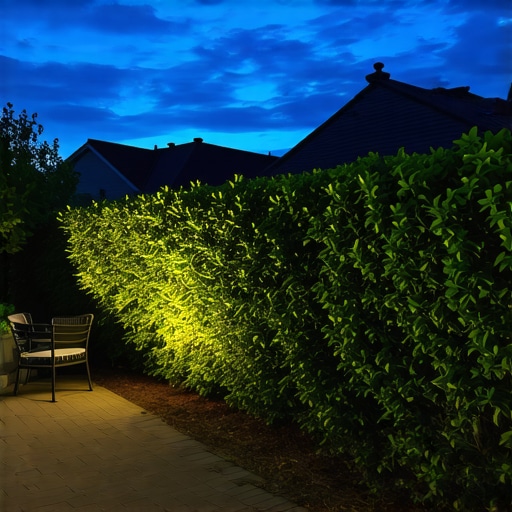
I was sitting on my back deck last July, trying to enjoy a quiet glass of wine, when I realized I could see my neighbor, Gary, perfectly through his kitchen window. The realization hit me like a bucket of ice water: if I could see him, he could definitely see me. It felt like being on stage under a spotlight. I had spent thousands on composite decking and a beautiful outdoor living setup, only to feel like a goldfish in a glass bowl. My first instinct was a total disaster. I blasted the perimeter with massive floodlights, thinking a bright yard meant a private yard. I ended up illuminating myself even more while creating deep, creepy shadows for everyone else to look out from. Today, I am going to show you the lighting move—a strategy that uses strategically placed, low-voltage fixtures to build a visual barrier between you and the folks next door.
The Night I Realized My Floodlights Were Helping the Neighbors Spy
It sounds counterintuitive, right? You want privacy, so you add light. But most people do it completely wrong. I certainly did. I remember thinking that if I just made the yard brighter, it would feel more secure. Instead, I created a stadium effect that highlighted my custom composite decking ideas but stripped away every ounce of intimacy. The trick isn’t about more light; it’s about directional light and contrast. By picking the right deck lighting color temperature, you can create a warm glow that makes it hard for someone in the dark to see past the light wall into your space. Have you ever felt like your backyard was a little too exposed once the sun went down?
Will adding more lights actually make my privacy worse?
This is the number one fear I hear from homeowners. They worry that lighting up the deck is like putting a Look at Me sign on the house. But the science of optics suggests otherwise. According to the Illuminating Engineering Society (IES), the human eye naturally adjusts to the brightest point in a field of vision. When you place subtle, outward-facing lights on your deck stairs or around the perimeter, you create a glare-free boundary that draws the eye to the perimeter rather than the person sitting on the chair. I have learned the hard way that a lighting layout can make a small deck look twice as big, but if you do not account for neighborly sightlines, you are just building a bigger stage. My biggest blunder early on was mounting a massive LED bar on the siding that washed out the grain of my boards and made me a beacon for the whole cul-de-sac. Now, I focus on lighting under the handrail for a subtle glow that keeps the focus inside while obscuring the view from the outside.
Turn Your Backyard into a One-Way Mirror
Think of your outdoor space like a stage in a theater. If the stage is bright and the audience is in the dark, the actors can’t see a single face in the crowd. By focusing your light on the perimeter and keeping the center of your deck in a softer glow, you turn your yard into that stage—and your neighbors into the audience who can’t see past the footlights. I realized this when I stopped using my overhead floodlight and instead started installing deck lighting under the handrail for a subtle glow. This creates a vertical plane of light that acts as a visual barrier. To someone standing in a dark yard fifty feet away, that illuminated railing is the brightest thing they see, making the people sitting behind it appear as soft, indistinct shadows.
Hide the Bulbs to Kill the Glare
The most common mistake I see when folks try to DIY their custom composite decking ideas is leaving the light source exposed. If you can see the actual bulb, you’ve failed. Exposed bulbs create ‘hot spots’ that ruin your night vision and make you feel more exposed. I remember a particularly frustrating Saturday when I tried to mount small puck lights on my deck posts. I thought I was being clever, but the glare was so piercing I couldn’t even see my wine glass. I eventually swapped them for downward-facing cap lights. By keeping the light directed toward the composite decking boards, you illuminate the texture of the material without beaming your presence to the cul-de-sac. 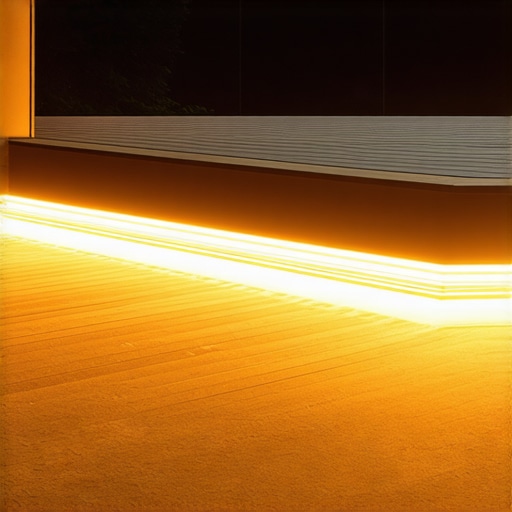
Light the Path Instead of the People
Your stairs are a prime opportunity for both safety and privacy. Most people think they need a bright light shining down on the steps, but that just illuminates everyone walking up them. Instead, use recessed riser lights. When I was working on a project last fall, we found that lighting stairs for safety without creating a glare involves placing small LEDs directly into the risers. Because your deck stairs should have closed risers for a modern look, these lights stay hidden until they hit the tread below. It creates a beautiful cascading effect that keeps the focus on the ground. When the transition between levels is clear, your outdoor living space feels more intentional and much harder to peer into from a distance.
The Perimeter Trick That Blocks the View
If you really want to shut out the world, move your light away from the house and toward the edge of your property. I started placing low-voltage up-lights at the base of my perimeter shrubs. This creates a ‘wall of light’ at the boundary of the yard. This technique, which many a professional deck builder uses to add depth, serves a dual purpose: it highlights your landscaping and makes it impossible for someone on the street to see past those lit-up bushes into your private seating area. It’s about controlling where the eye stops, and by making the edge of your yard the brightest point, you effectively vanish into the shadows of your own home.
The Great Dark Decking Delusion
A common mistake I see is the belief that ‘more expensive means more private.’ People often choose the most premium, dark-grained boards because they look luxurious and feel substantial. However, if you haven’t considered how the lighting trick that highlights the grain also highlights your silhouette, you’ve missed the mark. If the background is dark and you are standing on a dimly lit, dark surface, you actually become easier to track from the street due to the high-contrast outline. When choosing the right composite decking for durable, low-maintenance outdoor areas, I always suggest a mid-tone board that diffuses light better, helping you blend into the mid-ground rather than popping against the foreground like a silhouette on a stage.
Stop the squeak before it kills the vibe
Privacy isn’t just about what people see; it’s about what they hear. If you want a private sanctuary, you cannot have your 2025 composite decking sounding like a haunted house every time you step out for a late-night breath of air. The biggest ‘oops’ factor I encounter is the hidden cost of skipping joist tape on a new build. Without it, the friction between the wood framing and the composite boards creates a rhythmic squeak that announces your every move to the neighbors. I have personally seen decks where the owner spent twenty thousand dollars on boards but saved two hundred on tape, only to have the structure groan with every footstep within a year. To avoid this, you must also master the joist spacing secret for a solid-feeling composite surface, ensuring that the substructure is as quiet as it is strong. 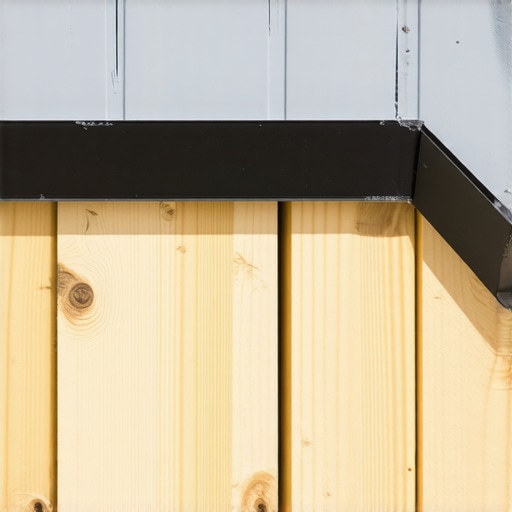
Why does your high-end railing wobble even after you tightened the bolts?
This is a sophisticated question that separates the DIYers from those seeking expert deck builder tips for stunning outdoor living. Usually, the wobble occurs because the builder used standard wood posts behind a composite sleeve. Wood shrinks as it seasons; composite does not. When the wood inside the sleeve dries out, the bolts lose their tension, and you get that ‘drunk railing’ feel. According to a study by the Forest Products Laboratory, pressure-treated lumber can shrink up to 6% in width as it reaches equilibrium moisture content. This gap-creation is why I choose powder-coated steel over wood for modern deck railings. It stays rigid regardless of the humidity, ensuring your ‘visual barrier’ doesn’t literally start to lean.
The nuanced choice for perimeter protection
When it comes to the edge of your property, many pros will tell you hardwired lighting is the only professional way to go. I’m going to challenge that. I prefer solar cap lights over hardwired for distant deck posts and boundary fences. Why? Because the goal of privacy lighting is a consistent, low-intensity glow that creates a ‘light wall’ at the perimeter. Solar technology has reached a point where the lumen output is perfect for this specific task without requiring you to trench five hundred feet of wire that eventually gets hit by a shovel. It’s an advanced move that saves budget for high-impact areas like the stairs, where using structural screws instead of lag bolts for stairs ensures safety that lasts for decades. Have you ever fallen into the trap of prioritizing the ‘look’ only to have the ‘sound’ or the ‘wobble’ of your deck ruin the sense of privacy? Let me know in the comments.
The gear that actually lives in my truck
After years of being a deck builder, I have learned that the difference between a deck that lasts and one that requires a weekend of labor every month is the precision of the initial install. I never step onto a job site without my Kreg Deck Jig. It is the only way I ensure those hidden fasteners for high-traffic entryways are perfectly spaced. If you are doing this yourself, don’t guess at the gaps. Composite expands and contracts; if you don’t account for that with the right spacers, your boards will buckle the first time the Missouri humidity hits 90%. I also swear by a dedicated impact driver over a standard drill. The torque control prevents you from over-driving screws, which is the screw depth trick for a perfectly smooth deck surface that won’t catch on your bare feet or snag your outdoor rug.
How do I keep this sanctuary from falling apart over time?
Maintenance is the part no one wants to talk about during the ‘honeymoon phase’ of a new build, but choosing the right composite decking for durable low-maintenance outdoor areas is only half the battle. You have to be smart about cleaning. I’ve seen too many homeowners ruin a ten-thousand-dollar investment in ten minutes because they thought a high-psi blast was the answer. You must realize why you should never use a pressure washer on composite decks. The force can actually delaminate the protective cap or drive moisture into the core. Instead, I use a simple soft-bristle brush and a pH-neutral cleaner. According to technical bulletins from the North American Deck and Railing Association (NADRA), an annual ‘Check Your Deck’ inspection is vital. I look specifically for any signs that the deck ledger is pulling away from the house, which is a leading cause of structural failure. 
Smart decks are the next big thing
Looking ahead to 2025 and beyond, I predict we are going to see a massive shift toward integrated ‘smart’ outdoor environments. We aren’t just talking about a speaker on a post anymore. I am starting to install systems where the low-voltage transformers for large outdoor lighting projects are linked directly to your phone’s GPS. As you pull into the driveway, your perimeter ‘privacy wall’ of light automatically activates, and the stairs light up for safety without creating a glare. This level of automation is becoming a standard part of innovative outdoor living ideas with composite decking. The goal is a space that anticipates your needs, so you can spend less time fiddling with switches and more time enjoying the seclusion you worked so hard to build. If you want to take your space to the next level right now, I challenge you to swap out your standard transformer for a Wi-Fi-enabled model this weekend—it is the single easiest tech upgrade that completely changes how you use your deck at night.
The invisible mistakes that make a deck feel like a stage
After building dozens of these spaces, I’ve realized that privacy is a multi-sensory experience. It isn’t just about what people see; it’s about how the space feels and sounds. Here are a few ‘lightbulb moments’ from my years in the field:
- Silence is the ultimate privacy: If your deck creaks, you’ll never feel truly alone. I cannot stress enough how much the hidden cost of skipping joist tape on a new build impacts your peace of mind. That tape prevents the wood-on-composite friction that announces your presence to the world.
- The eye follows the light: Your goal is to give the neighbor’s eyes a ‘resting place’ that isn’t you. By lighting a tree or a fence line, you redirect the visual focus away from your seating area, making you nearly invisible in the softer glow.
- Stability breeds confidence: A wobbly railing makes a space feel temporary and exposed. Using the bracket that keeps your railing from wobbling forever ensures that your visual barriers stay plumb and professional, rather than leaning into your neighbor’s line of sight.
#IMAGE_PLACE_HOLDER_E#
Professional tools for a DIY sanctuary
If you’re ready to tackle this, don’t go in under-equipped. These are the items I rely on to get the job done right the first time:
- Kreg Deck Jig: This is my secret weapon for ensuring the joist spacing secret for a solid-feeling composite surface is executed with precision. It hides fasteners and keeps gaps uniform, which is essential for a clean, private look.
- Smart Transformers: I always recommend the best low-voltage transformers for large outdoor lighting projects—specifically models with Wi-Fi control so you can dim your ‘privacy wall’ from your phone as the night progresses.
- Structural Screws: I’ve stopped using standard nails for anything structural. These bite harder and hold longer, preventing the shifts that cause gaps in your privacy screens.
Take back your backyard
Creating a private oasis isn’t about building a fortress; it’s about using light and smart design to reclaim your peace. Whether you are looking at composite decking trends for 2025 or just trying to fix a glare issue, remember that small, intentional changes make the biggest difference. You deserve an outdoor space where you can actually relax without feeling like a goldfish in a bowl. If you’re feeling overwhelmed by the technical details, don’t hesitate to reach out to a professional deck builder to help map out your sanctuary. Have you ever had a lighting project go south and accidentally highlight your neighbors instead of yourself? Let me know in the comments below!