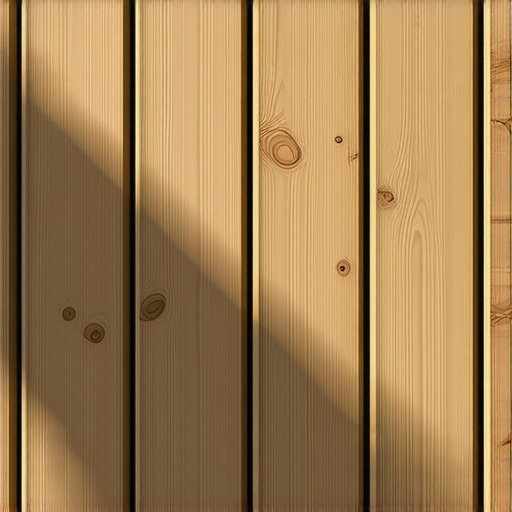
I stepped out onto my brand-new ‘Midnight Mahogany’ deck with a cup of coffee, expecting that perfect outdoor living vibe. Instead, I squinted. The deep, rich brown I had fallen in love with was already starting to look like an old piece of driftwood. It was heart-wrenching. After spending weeks as a professional deck builder crafting what I thought was a masterpiece, I realized the high desert doesn’t play by the same rules as the suburbs of Ohio. If you live in a place where the sun feels like a personal attack, you know exactly what I’m talking about. Today, I’m going to pull back the curtain on what really happens to those boards when the UV hits them at 5,000 feet. We’re going to look at why choosing the right composite decking is the only way to avoid that ‘washed out’ look within two years. Have you noticed your deck boards losing their luster after just one season? Drop a comment below; I’d love to hear which colors are giving you the most grief. [image placeholder]
The High Desert Sun is a Different Kind of Beast
When I first started building, I made the classic mistake of assuming all ‘capped’ composites were created equal. I was wrong. In the high desert, we aren’t just dealing with heat; we are dealing with extreme UV radiation. According to the World Health Organization, UV levels increase by about 10% to 12% with every 1,000 meters of altitude. This means if you are at 4,000 or 5,000 feet, your deck is taking a beating that would melt a standard plastic lawn chair. The intense radiation breaks down the pigments in the capping material, leading to that chalky, faded appearance that makes a deck look decades older than it actually is. It’s also why dark brown decking gets significantly hotter than light gray boards, sometimes reaching temperatures that can actually blister bare feet. I learned the hard way that you can’t just pick a color from a catalog and hope for the best; you have to plan for the altitude.
Does Composite Decking Actually Live Up to the Hype?
You’ve probably seen the advertisements promising ‘zero maintenance’ and ‘perfect color forever.’ I’m here to tell you as your neighbor that those claims need a giant asterisk next to them. While modern materials are vastly superior to the stuff we used ten years ago—especially if you follow the latest composite decking trends for 2025—nothing is truly permanent under a desert sun. The skepticism is healthy. If you’re worried that your investment will fade into a sad, grey shadow of its former self, you aren’t being paranoid; you’re being smart. The secret isn’t finding a ‘fade-proof’ board—because those don’t exist—it’s finding the ones that fade gracefully and choosing colors that don’t highlight the change. Let’s get into the nitty-gritty of how these materials actually behave once the contractor drives away.
Demand a Premium Cap for High UV
The first thing you need to do is look past the color and investigate the chemistry of the “cap.” In the high desert, a standard polyethylene cap is going to struggle. I recommend looking for mineral-core or PVC-based products that have enhanced UV inhibitors baked into the outer shell. When I’m acting as a professional deck builder, I tell my clients that the cap is like high-SPF sunscreen that never wears off. If you choose the wrong material, you’ll see “chalking”—that white powdery residue—within three summers. This is why choosing mineral core decking is often the smartest move for areas with intense exposure; it stays stable when the temperature swings from 40 degrees at night to 95 degrees by noon.
#IMAGE_PLACE_HOLDER_B#
Don’t Let Your Boards Fight the Siding
Thermal expansion is the silent killer of desert decks. I remember a project in Santa Fe where I installed the boards tight against the house on a cool, 55-degree morning. By 2 PM, the sun was hitting that wall, and the boards expanded nearly half an inch. They actually bowed upward and snapped the vinyl J-channel right off the house. It was a mess. Now, I always leave a significant gap and learn how to stop composite boards from expanding into your vinyl siding by using specific spacers. You also need to be careful with the perimeter. If you don’t know how to install deck fascia boards correctly, they will “oil-can” or buckle under the heat, making your high-end project look like a DIY disaster.
Why Steel Framing Wins the War Against Heat
If you’re building at altitude, your biggest enemy isn’t just the boards; it’s the wood frame underneath. Pressure-treated lumber is full of moisture. In a dry, high-desert climate, that wood dries out rapidly and starts to twist, pull, and crown. This makes your perfectly flat composite floor look like a rolling sea. This is why many pros are realizing the hidden benefit of using steel deck framing instead of wood. Steel doesn’t care about the humidity or the heat; it stays dead level. If steel isn’t in the budget, at the very least, you should be using hidden clips correctly to allow the boards to slide along the joists as they grow and shrink throughout the day.
Build Stairs That Won’t Squeak or Sag
Stairs are usually the first thing to fail on a desert deck because they take the most structural stress while being exposed to the sun from multiple angles. I’ve seen countless stringers crack because they weren’t reinforced for the dry air. I always suggest using the bracket that makes your deck stairs feel rock solid. These metal connectors prevent the wood from splitting at the throat. Also, pay attention to the treads. Using the stair tread depth that feels safest ensures that even if there is minor seasonal movement, the steps remain a predictable and safe transition for your family.
Let’s dig deeper into the nuances that separate a ‘nice deck’ from a legacy structure that withstands the high desert for twenty years. Everyone tells you that hidden clips are the gold standard for high-end projects. They provide that clean, screw-free aesthetic that every homeowner craves. However, in my experience, relying solely on them is a rookie mistake. If you use hidden fasteners on the perimeter boards, you’re asking for a maintenance nightmare. Because composite expands and contracts so much in our climate, those edge boards need the structural ‘bite’ of a face-screw to stay in place. That is why we use hidden clips for the field but screws for the perimeter. It’s a nuance that many DIYers—and even some pros—ignore until they see their boards shifting out of alignment after the first winter.
Stop Using Sixteen-Inch Joist Spacing for Composite
The most common myth in the industry is that 16-inch joist spacing is ‘good enough’ for composite. It’s not. While it might meet the minimum code for wood, composite boards are more flexible. If you stick to the standard, your deck will eventually feel like a trampoline. I always insist on the joist spacing secret for a solid-feeling composite surface, which usually involves dropping down to 12 inches on center. This extra support prevents the ‘bouncy’ feel and ensures your high-end investment feels as solid as a concrete patio. Have you ever walked on a deck that felt a little too springy? Have you ever fallen into this trap? Let me know in the comments.
Can You Actually Over-Build Your Deck Frame?
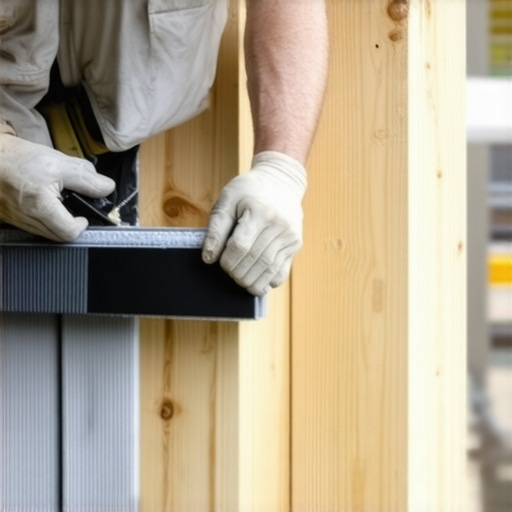
An advanced question I often get is whether adding more lumber increases the risk of rot. The answer is yes, if you don’t manage the moisture. When you place composite directly onto wood joists, water gets trapped in the tight gap where the two materials meet. According to the North American Deck and Railing Association (NADRA), moisture trapped at the joist-to-board interface is the leading cause of internal frame rot. This is the hidden cost of skipping joist tape. By applying a butyl-based tape to the top of every joist, you create a waterproof barrier that protects the wood. Without it, you might have ‘maintenance-free’ boards sitting on top of a crumbling, rotten frame within a decade. Learning how to keep your deck joists from rotting is the difference between a 10-year deck and a 30-year deck.
The Secret to Stability in Long Stair Runs
Finally, let’s talk about the ‘oops’ factor in stair construction. People often assume that three stringers are enough for a standard staircase. But if you are designing safe and stylish stairs for modern outdoor spaces, you need to account for the lateral shift that happens over time. This is why we always double block the middle of a long stair run for stability. Without that mid-point blocking, the stringers can slightly ‘roll’ under heavy foot traffic, causing those annoying squeaks or, worse, structural failure. Working with a professional deck builder means these invisible structural reinforcements are baked into the plan, ensuring your deck remains as quiet and sturdy as the day it was built.
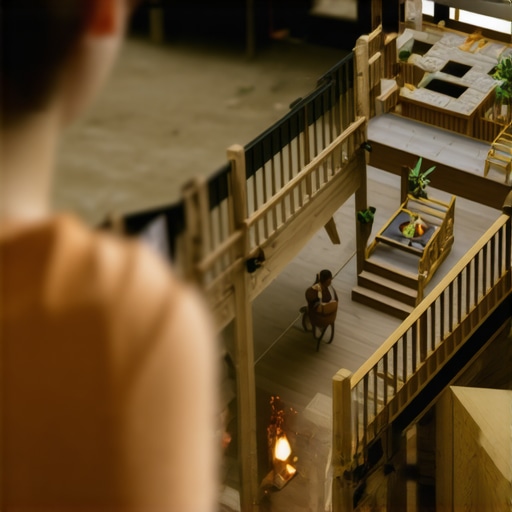
If you are moving beyond a simple platform, stop sketching on the back of an envelope. I transitioned my entire workflow to 3D modeling because it catches errors before I ever fire up the miter saw. This is why a digital designer is the best move for planning a complex backyard deck; it allows you to see how shadows will hit your boards at 4 PM in July. When you can visualize the project in three dimensions, you avoid the ‘field audibles’ that usually lead to wasted material and compromised structural integrity. Using software ensures that every joist and beam is accounted for before the first delivery truck arrives.
Why You Should Toss Your Pressure Washer
The biggest mistake I see homeowners make is trying to deep-clean their composite with high-pressure water. I have seen clients shred the surface of expensive boards because they wanted to blast away a year of desert dust. You should never use a pressure washer on composite decks because the intense stream can permanently scar the protective cap and void your warranty. Instead, stick to a soft-bristle brush and a mild detergent. For those stubborn spots, like when nature leaves its mark, I have found a specific best way to clean bird droppings off dark brown composite boards without leaving a faded ring behind.
How do I keep my composite deck looking new for decades?
The answer isn’t a miracle chemical; it is regular, low-impact maintenance and annual inspections. According to the North American Deck and Railing Association (NADRA), the majority of deck failures are due to neglected hardware and ledger issues rather than the boards themselves. You should perform a simple way to check if your deck ledger is pulling away from the house every spring. If you catch a gap early, it is a quick fix; if you wait, it is a structural catastrophe. Additionally, keep an eye on your railings. If you notice a wobble, you can often learn how to fix a loose railing post without tearing up the deck boards by accessing the framing from beneath.
The Future of High-Exposure Decking
As we head toward 2025, I predict a massive shift toward “cool-touch” technology becoming the industry standard. Manufacturers are finally prioritizing heat-reflective pigments that keep dark colors walkable even in the peak of summer. We are also seeing a move away from wood-based internal structures entirely. I expect to see more homeowners working with a professional deck builder to integrate steel frames and aluminum rail systems that offer a true 50-year lifespan. If you want a deck that truly lasts, you have to stop thinking about the surface and start obsessing over what’s underneath. I highly recommend you try my screw depth trick for a perfectly smooth deck surface on your next perimeter board—it is the subtle detail that makes the whole project feel premium.
Hard Truths from the High Desert Build Site
After years of trial and error under the scorching sun, I’ve realized that even the most expensive materials can still fail if you ignore local physics. First, always assume your boards will move more than the manufacturer says; in our dry air, that expansion isn’t a suggestion, it’s a guarantee. Second, if you’re building stairs, don’t skimp on the skeleton; the hidden reason your deck stairs are pulling away is usually heat-related stress on the stringers. Finally, remember that your deck is an ecosystem. If you don’t account for specific framing moves that stop carpenter ants, even the best composite surface won’t save a compromised wood frame.
The Blueprint for Your Next Backyard Project
I don’t expect you to memorize every local building code, but I do recommend arming yourself with the right knowledge before you break ground. I personally swear by 3D modeling because a digital designer is the best move to prevent costly field errors. I also suggest checking the North American Deck and Railing Association (NADRA) for their safety checklists—they are the gold standard for structural integrity. If you’re feeling overwhelmed, looking into expert deck builder tips can provide that extra layer of confidence you need to tackle a high-stakes project like a multi-level build.
Build for the Future of Your Family
Your backyard shouldn’t be a source of stress or a constant maintenance project. By choosing the right materials and respecting the power of the sun, you are creating a space for memories that will outlast the seasons. Whether you are hosting a summer BBQ or enjoying a quiet morning coffee, a well-built deck is the heart of your outdoor living experience. Take your time, plan for the heat, and don’t be afraid to ask for help from a professional deck builder when the design gets complex. Are you planning to build a new deck this year, or are you currently fighting the fading effects of the sun on an older one? Let me know in the comments below!