
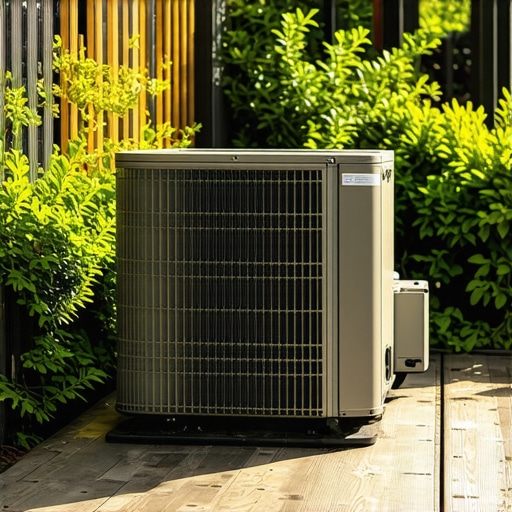
Clim Installation Prix: Expert Guide to 2026 Reversible AC & Deck Integration
As we approach the mid-way point of the decade, the concept of “home comfort” has undergone a radical transformation. In 2026, the distinction between our indoor sanctuaries and our outdoor living spaces is more blurred than ever. As a technical expert in climate and energy engineering, I have spent years as a SAV manager at Expert Clim, witnessing first-hand how homeowners struggle to balance high-performance cooling with aesthetic outdoor design. My name is Victor Lami, and today I am bridging the gap between the mechanical world of HVAC and the structural world of deck construction.
The integration of climate control systems into modern residential architecture is no longer an afterthought. With the 2026 market shifts and the tightening of environmental regulations, understanding the clim installation prix is only half the battle. The other half is ensuring your outdoor infrastructure – specifically your deck – is technically prepared to host these sophisticated machines. Whether you are planning a new build or a major renovation, this guide will provide the data-driven insights you need to navigate the costs, regulations, and structural requirements of the 2026 HVAC landscape.
Section 1: The 2026 Market for Reversible AC, Understanding the Costs
The year 2026 has brought a stabilized but sophisticated market for reversible air conditioning. When homeowners search for clim installation prix, they are often surprised by the range of variables that influence the final quote. We have moved past the era of simple “window units.” Today, the standard is the high-efficiency reversible heat pump, a system that provides both cooling in the summer and carbon-efficient heating in the winter.
Based on current market data, the clim installation prix for labor alone typically ranges from €800 to €2,500. However, when we look at the total project cost – including high-end equipment, structural modifications, and smart-grid integration – homeowners should budget between €4,000 and €18,000. The discrepancy lies in the complexity of the system. For instance, a basic Mono-Split installation currently carries a service rate of approximately €790, while a Bi-Split system, requiring more complex refrigerant lines and outdoor unit positioning, starts at €1,290.
The clim reversible prix is also influenced by the rising cost of specialized refrigerants and the high-efficiency compressors required to meet 2026 energy standards. While the initial investment might seem steep, the 2026 models offer a Seasonal Energy Efficiency Ratio (SEER) that was unimaginable five years ago. This means the “Total Cost of Ownership” is lower than ever, provided the installation is handled by a professional who understands the synergy between the unit and its environment. In 2026, we aren’t just selling a box; we are selling a long-term energy solution that must be perfectly integrated into your home’s exterior footprint.
Section 2: RE2020 Regulations & The May 2026 Shift
The regulatory environment in 2026 is dominated by the full implementation of the RE2020 standards. While these regulations began with new builds, the May 1, 2026, extension has brought significant changes to how we approach renovations and equipment replacements. The primary focus of RE2020 is “summer comfort,” a response to the increasing frequency of heatwaves across Europe and North America.
A critical technical metric introduced by RE2020 is the “350 DH” (Degree-Hours) threshold. This standard measures the level of thermal discomfort within a building. If a home exceeds 350 degree-hours of overheating, the installation of an active cooling system becomes almost mandatory to maintain habitability and property value. This has shifted the clim installation prix discussion from a luxury upgrade to a regulatory necessity. Furthermore, by 2027, all newly installed systems must feature advanced programmable thermostats and AI-driven energy management interfaces to ensure they do not strain the local electrical grid during peak demand.
For deck owners, these regulations mean that the placement of the outdoor unit is now subject to stricter “acoustic pollution” and “thermal rejection” rules. You cannot simply tuck a unit into a corner where it will recycle its own hot air or vibrate against a shared wall. The RE2020 standards demand high airflow efficiency, which directly impacts how we design deck screens and enclosures. As an expert, I always advise my clients that compliance with these May 2026 standards is the best way to future-proof their investment and ensure their home remains eligible for energy-efficiency subsidies.
Section 3: Structural Synergy: Is Your Deck Ready?
One of the most overlooked aspects of HVAC installation is the physical interaction between the outdoor unit and the deck structure. A modern reversible unit can weigh anywhere from 40kg to over 100kg. Placing this on a standard deck without proper reinforcement is a recipe for structural failure and mechanical inefficiency. This is where Why Your 2026 Deck Builder Must Use Double-Rim Joists becomes a vital consideration. Without that extra structural support, the weight of the unit can cause joist sagging over time, leading to refrigerant leaks as the copper lines are pulled out of alignment.
Vibration control is the second technical hurdle. All compressors generate mechanical resonance. If a unit is mounted directly to a deck frame, the wood or composite material can act as a sounding board, amplifying the hum throughout your outdoor living area. To mitigate this, we utilize industrial-grade rubber isolation pads and, in some cases, separate the unit’s foundation from the deck entirely using helical piles. If you are experiencing noise issues, you might want to look into Stop Deck Stair Vibration: 4 Quick Structural Fixes [2026], as many of the same dampening principles apply to HVAC mounting.
Finally, airflow is the lifeblood of your AC system. A reversible unit works by exchanging heat with the outside air. If the unit is placed in a tight crawlspace under a deck without proper ventilation, it will “choke,” causing the compressor to work harder, increasing your energy bills, and shortening the lifespan of the equipment. We must ensure at least 3 feet of clear space above the fan and 2 feet around the perimeter. This requirement often dictates the height and layout of the deck itself, necessitating a design that accounts for both human traffic and mechanical respiration.
Section 4: Aesthetic Integration & Stealth Design
No one wants a bulky, industrial-looking metal box to be the centerpiece of their beautiful new composite deck. In 2026, the trend is “Stealth Design” – hiding the unit in plain sight without compromising its performance. This involves a delicate balance of carpentry and engineering. One of the most effective methods I’ve seen is the use of custom-built louvered screens that match the deck’s material. These screens allow for the high airflow required by RE2020 standards while masking the unit from view.
Maintenance access is another critical factor. Too often, builders “wall in” the AC unit, making it impossible for a technician like me to perform annual servicing. This is Why I’m Using Hidden Access Panels for 2026 Under-Deck Storage solutions as a template for HVAC enclosures. By using magnetic or hinged panels, we can provide immediate access to the service valves and electrical components while keeping the aesthetic lines of the deck clean and uninterrupted.
Furthermore, we must consider the management of condensate. In cooling mode, an AC unit produces a significant amount of water. If this water is allowed to drip onto the deck framing, it can lead to rot, mold, and structural decay. Integrating 3 Waterproof Under-Deck Systems for 2026 Outdoor Living allows us to channel this water away from the house and the deck’s foundation, protecting the clim installation prix investment by ensuring the surrounding wood stays dry and durable for decades.
Section 5: Maintenance, Longevity, and ROI
The Return on Investment (ROI) for a high-end reversible system is intrinsically linked to how well it is maintained. In 2026, with the increased cost of parts and labor, “preventative” is the keyword. Environmental factors such as salt spray in coastal regions or heavy pollen in wooded areas can reduce a unit’s efficiency by 30% in just a few seasons. When the unit is integrated into a deck, it is often more exposed to debris than a unit mounted high on a wall.
Homeowners should establish a routine of cleaning the coils and checking for obstructions. Because the unit is near the ground (or deck level), it is also susceptible to pet hair and garden mulch. Protecting the investment means choosing materials that don’t contribute to the problem. For example, using high-quality fasteners around the HVAC enclosure is essential; if you use cheap hardware, rust can bleed onto the unit’s casing. I recommend checking out guides on hardware longevity to ensure your enclosure stays as pristine as the machine it protects.
Ultimately, a professional deck builder who coordinates with an HVAC expert provides the highest ROI. By ensuring the unit has the correct airflow, structural support, and drainage, you extend the life of the compressor by years. In the world of clim reversible prix, the cheapest installation is often the most expensive in the long run due to premature failures and high energy consumption. A well-integrated system adds tangible value to your property, making it a “smart home” that is ready for the climate challenges of the late 2020s.
Conclusion & CTA
Integrating a reversible air conditioning system into your deck design is a complex task that requires a marriage of mechanical expertise and structural craftsmanship. As we move through 2026, the clim installation prix will continue to reflect the value of high-efficiency, RE2020-compliant technology. Don’t let your HVAC system be an eyesore or a structural liability. By planning for weight, vibration, and airflow today, you ensure a cooler, quieter, and more valuable home tomorrow.
If you are planning a deck project this year, make sure your builder is asking the right questions. Consult my checklist of 5 New Questions to Ask Your 2026 Deck Builder [Verified] to ensure they are prepared for the technical demands of modern HVAC integration. For a precision climate installation that respects the aesthetics of your outdoor living space, always trust a certified expert who understands the 2026 regulatory landscape. Your comfort is an investment – build it on a solid foundation.