
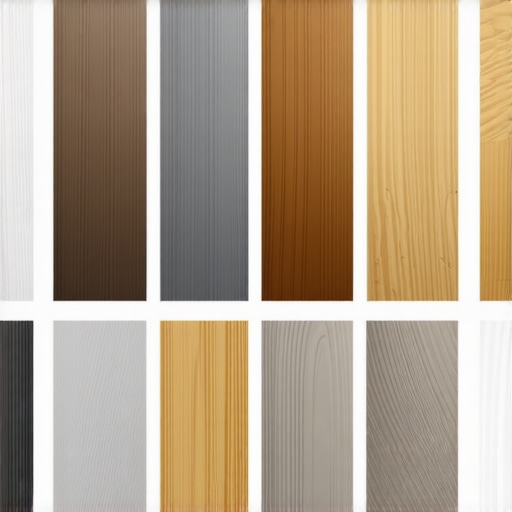
I remember the exact moment I realized my backyard deck might be a ticking time bomb. My energetic Labrador, Max, was happily tearing through the latest composite deck boards, his claws sinking into the surface like tiny daggers. Watching him rip into those boards, I felt a wave of panic — was all my hard work about to be ruined? That lightbulb moment made me dive deep into a question that many outdoor enthusiasts will face in 2026: which composite boards truly withstand dog claws?
Understanding the Claw Challenge: Why Deck Durability Matters More Than Ever
In recent years, composite decking has become the go-to choice for homeowners seeking low-maintenance outdoor spaces. It’s durable, resistant to rot, and comes in a variety of stylish finishes. But if you have a dog — or plan to get one — the story changes. Claws can be surprisingly destructive, especially when your furry friend loves to scratch, dig, or simply run like the wind across your deck. Early on, I made the mistake of assuming all composite boards are created equal. I chose a popular brand based solely on aesthetics and price, only to discover that my dog’s claws had left deep scratches in just months. That experience taught me an invaluable lesson: the best composite decking for 2026 must stand up to the unique pressures of pet life. Experts affirm this, noting that pet owners should prioritize scratch resistance when selecting decking materials (source: [composite-decking-trends](https://deckdesignbuild.com/composite-decking-trends-2025-the-ultimate-guide-for-outdoor-enthusiasts)). Today, I want to share what I’ve learned and how you can avoid the pitfalls I stumbled into. But first, let’s address the biggest skepticism I hear from homeowners: “Can any composite board really survive my dog’s claws?” This is a fair concern, and I promise — there are options that truly hold up over time. So, if you’re tired of replacing scratched-up decks and want a solution that lasts, stay tuned. We’re about to explore the top contenders for pet-proof outdoor spaces and what makes them stand out. Now, let’s dive into the details of what to look for when choosing a composite board that survives even the most energetic pups.
Prioritize Scratch Resistance in Material Selection
When choosing composite decking, focus on brands known for their high scratch resistance. Visit this guide to compare top options that withstand canine claws, which is crucial for durability.
Test Samples Before Installing
Order samples from multiple suppliers and let your dog test them firsthand. Observe which surface resists scratches during playtime. This practical step helped me identify a deck board that my Labrador Max couldn’t damage, saving me costly replacements later. Remember, testing on actual samples is more reliable than relying solely on manufacturer claims.
Choose Textured, Anti-Slip Surfaces
Select decks with textured finishes that hide scratches and improve safety. For example, these textured boards not only endure claws but also prevent slips during wet conditions. I installed a textured surface in my yard, and it kept Max from slipping while camouflaging minor scratches.
Opt for Denser, Harde Material Types
Higher-density composites like capped polymer boards tend to be more resistant to claw marks. When I upgraded my deck, I consulted the comparison article. The denser material I chose held up better against Max’s energetic scratches, maintaining its appearance over time.
Implement Protective Additions and Maintenance
Use protective pads or mats in high-traffic areas and regularly inspect for new scratches. Applying a fresh coat of clear sealant can also help maintain surface integrity. I learned that routine monitoring and minor touch-ups significantly extend my deck’s lifespan, even with a playful pup.
Work with Professional Deck Builders for Custom Solutions
A skilled deck builder can customize your installation with features like deeper joists or reinforced surfaces, further resisting claw damage. For my project, I hired professional builders who suggested embedding tougher materials in vulnerable spots. The result was a resilient outdoor space that still looks great after months of Max’s adventures.
**Incorporating these steps ensures your outdoor deck remains beautiful and functional despite your dog’s claws. Proper material choice, testing, protective measures, and professional guidance form the backbone of a long-lasting, pet-proof deck. For more inspiration on maximizing your outdoor space, check out this resource.Many homeowners and even seasoned DIY enthusiasts fall into the trap of oversimplifying outdoor living projects. A common misconception is that selecting the right composite decking material is solely about appearance and price. However, the nuanced reality involves understanding the complex interplay of material composition, environmental exposure, and long-term performance, especially when designing stairs and transitions that integrate seamlessly into your outdoor space.
Is Your Choice of Decking Overlooking Structural Nuances?
A prevalent mistake is assuming all composite boards offer equal durability against elements like UV rays, moisture, and temperature fluctuations. According to construction experts, the specific composition—such as capped polymer versus traditional composite—significantly influences longevity and resistance to common issues like warping or mold. Neglecting these details can lead to costly replacements or safety hazards, especially in stairs where structural integrity is paramount. For example, framing techniques and support structures must account for expansion and contraction of materials, a nuance often overlooked but critical for ± longevity. When working with a professional [deck builder](https://deckdesignbuild.com/the-benefits-of-working-with-a-professional-deck-builder-in-your-outdoor-projects), you gain insight into these subtleties, ensuring your project withstands the test of time.
An additional area where mistakes lurk is in transition design. Many underappreciate how the choice of stair nosing, riser height, and handrail placement affect not only safety but also the overall aesthetic appeal. Advanced builders understand that seamless transitions elevate the visual flow; thus, meticulous detailing—like matching grain patterns and finishes—makes a substantial difference. Remember, a well-designed stair isn’t just about looks; it’s about functionality and durability, especially in high-traffic outdoor settings. For ideas on elevating your stairs, check out [these stunning stair designs](https://deckdesignbuild.com/elevate-your-home-top-stairs-designs-for-modern-outdoor-spaces).
Beware of the trap of shortcuts. Applying quick fixes without considering load distribution or material compatibility can result in structural failures down the line. A common pitfall is using nails instead of screws or neglecting proper flashing, which can cause water infiltration and rot—issues that are not immediately obvious but quietly compromise your deck’s safety, especially on multi-level structures. Emphasizing careful planning and consulting with experts, like trusted [deck designers](https://deckdesignbuild.com/creating-seamless-transitions-stairs-as-key-elements-in-outdoor-living), helps avoid these costly errors.
Finally, consider the advanced question: How does your climate influence the choice of materials and design features? Climate-specific factors—such as salt exposure near coastlines or freeze-thaw cycles in colder regions—demand specialized solutions. For instance, a deck building in a seaside area must incorporate corrosion-resistant fasteners and composite boards capable of handling salt spray. Ignoring these nuances can drastically shorten the lifespan of your outdoor investment. Experts recommend reviewing material specifications and ensuring proper installation techniques that cater to your environment—making use of resources like [this comprehensive guide](https://deckdesignbuild.com/choosing-the-right-composite-decking-for-durable-low-maintenance-outdoor-areas) can be invaluable.
By digging into these details and understanding the intricate factors at play, you position yourself for a successful, long-lasting outdoor living space. Don’t fall prey to overly simplistic assumptions—embrace the complexity, and your deck will reward you with years of beauty and safety. Have you ever fallen into this trap? Let me know in the comments!Maintaining your outdoor decking isn’t just about keeping it looking good; it’s about ensuring safety, longevity, and keeping your investment in top shape. Over the years, I’ve found that investing in the right tools and adopting proven methods makes all the difference in how fast and effectively you can care for your deck. One essential tool I rely on is a high-quality power washer. I recommend a model with adjustable pressure settings, like the Karcher K5, because it allows me to gently remove dirt without risking damage to the composite surface. I’ve learned from expert advice that a proper cleaning regime, using the correct pressure level, prevents buildup that could cause staining or mold over time.
How do I maintain my deck over time? The secret is in regular, targeted upkeep—think of it like tuning a car to keep it running smoothly. I also use a specialized composite deck cleaner, like the Revive3000, which is designed to lift stubborn stains and restore the surface’s appearance without harming the material. Applying this with a soft-bristled deck brush ensures gentle cleaning, especially after harsh weather. As composite trends evolve, I stay ahead by checking the latest in cleaning technology and methods—like how mineral-based composites in 2026 resist UV and stains better, but still require periodic maintenance, as explained in [composite-decking-trends](https://deckdesignbuild.com/composite-decking-trends-2025-the-ultimate-guide-for-outdoor-enthusiasts). To protect my investment further, I occasionally apply a sealant formulated for composite surfaces. This creates a water-resistant barrier that helps prevent dirt penetration and minimizes scratches from pets or debris.Keep tools sharp and ready for quick fixes
Regularly inspecting your deck is crucial. I use a multi-tool with a carbide blade to gently trim away minor splinters or loose grits that can accumulate around stair edges or joints. Having a versatile set on hand means I can handle small repairs promptly, preventing them from escalating into costly issues. Additionally, I always keep a set of rust-resistant fasteners and brackets nearby, especially for long-term projects like reinforcing stair supports or securing loose boards. This proactive approach ensures safety and reduces the need for extensive renovations down the line.
Plan for future growth and scalability
As your outdoor space expands or your needs change, so should your maintenance routine. Incorporating modular cleaning tools like telescoping pole brushes allows me to reach higher or wider sections of the deck quickly, without risking injury or missing spots. It’s also wise to stay informed about emerging materials—like how composite decking in 2026 uses advanced caps and cores—and adjust your maintenance accordingly. For example, with the increasing popularity of UV-resistant resins, I’ve found less need for aggressive cleaning or sealing but still prioritize regular inspection.
Partner with professionals for a lasting finish
Sometimes, DIY isn’t enough, particularly when it comes to deep cleaning or structural adjustments. I recommend working with a skilled deck builder for periodic evaluations and treatments. They have specialized equipment, like steam clean systems that remove embedded grime without damaging the surface, and the expertise to spot early signs of wear or structural compromise. Engaging experts not only extends your deck’s life but also ensures that when you do scale your outdoor project, it’s built on a solid, well-maintained foundation. Check out [transform-your-space](https://deckdesignbuild.com/transform-your-space-expert-deck-builder-tips-for-stunning-outdoor-living) for professional insights on elevating your outdoor environment.
The Hidden Mistakes That Can Undermine Your Deck Durability
One of my biggest revelations was realizing that even the most high-end composite boards can fall short if overlooked details aren’t addressed. For instance, not considering the expansion gaps for temperature changes or failing to reinforce vulnerable areas during installation can lead to cracks and decay over time. These subtle oversights, often dismissed by DIYers eager to finish quickly, can cost a fortune in repairs and replacements in the long run. I learned that collaborating with professional deck builders who understand these nuances makes an enormous difference, especially when designing stairs and transitions that blend aesthetics with resilience.
The Power of Proactive Maintenance Beyond Basics
Regular inspections are essential, but what truly transformed my deck’s longevity was adopting an anticipatory approach—spotting early signs of wear before they become issues. This meant keeping a detailed maintenance schedule, using targeted cleaning solutions, and promptly addressing minor scratches or loose fittings. Such proactive care not only preserved the appearance but also caught potential structural flaws early, saving me from costly overhauls. It’s a habit I now recommend to every outdoor enthusiast who wants their deck to withstand both time and dog claws.
Overestimating the Easy-Life Myth
I used to believe that choosing a branded composite meant I could neglect regular upkeep. Turns out, even the toughest materials require proper cleaning routines and protective measures like mats and sealants. Assuming “set it and forget it” is a trap—outdoor conditions, pet activity, and climate variations are relentless. The insight that diligent, consistent maintenance amplifies the lifespan of your decking is a game-changer. It emphasizes that quality materials work best when paired with attentive care, not shortcuts.