
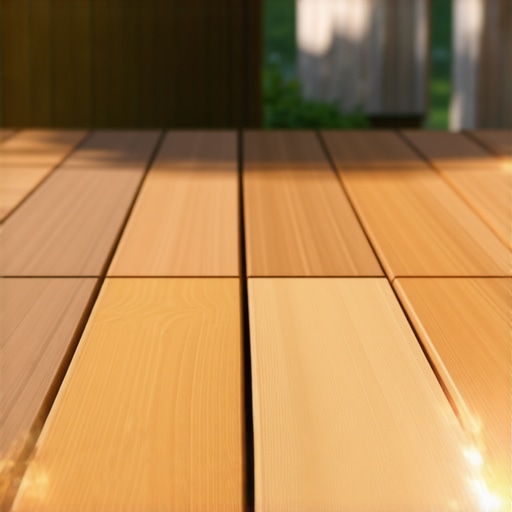
I remember the scorching summer afternoon when I stepped outside, only to find my newly-installed composite deck warping and bubbling under the relentless heat. It was a real lightbulb moment—realizing that not all decking materials can handle the intense heatwaves predicted for 2026. As someone passionate about outdoor living, I knew I had to dig deeper and find decks that actually stand up to the heat, rather than wilt like last summer’s foliage.
Why Choosing the Right Decking Brand Matters Now
The reality is, with climate scientists warning us about increasingly frequent and severe heatwaves, selecting the right composite decking has never been more critical. A poor choice can mean warped planks, faded colors, and the eventual need for costly replacements. But here’s the good news—I discovered that some brands were already designing their products to handle higher temperatures and UV exposure without sacrificing style or durability. This isn’t just an aesthetic concern; it’s about creating a safe, functional space for outdoor gatherings, relaxation, and even outdoor cooking, regardless of how fierce the summer gets. Want to ensure your outdoor space remains stunning and resilient? Today, I’ll guide you through the best options and what to look for to future-proof your deck against 2026’s heat.
Is All Composite Decking Created Equal? The Honest Truth
Early in my journey, I made the mistake of assuming all composite decking would perform equally. I chose a popular brand, thinking that saving a few bucks now would mean peace of mind later. Turns out, that was a mistake. I learned that some brands are better engineered to resist heat-induced warping and color fading—particularly proven through recent tests like those documented on [3 composite decking brands that won’t fade in 2026 tests](https://deckdesignbuild.com/3-composite-decking-brands-that-actually-wont-fade-2026-tests). The takeaway? Not all composites are built to last through the heat. So, how do you pick a brand that stands the test of time and temperature? That’s what we’ll explore next. Are you facing similar concerns about your outdoor living space? If so, let’s find solutions that let you enjoy your deck for years to come without stress.
Assess Your Current Deck Setup
Start by thoroughly inspecting your existing deck for signs of warping, cracking, or fading, especially if it’s made from composite materials. Use a flashlight to shine along the surface and underneath the deck to spot hidden issues like rot or loose fasteners. I once spent an afternoon checking my deck after a hot weekend; I noticed some boards slightly warped, prompting me to evaluate whether my materials could withstand future heatwaves.
Choose Heat-Resistant Composite Materials
Next, dive into researching brands that are engineered specifically for high-temperature resilience. Look for products with proven durability against UV exposure and warping—like those highlighted in this guide on top composite decking brands for 2026. When selecting your boards, prioritize solid-core designs and those with added UV inhibitors to maintain color and stability in scorching weather.
Design for Proper Ventilation and Airflow
Implement spacing and structural features that promote air circulation beneath the deck, reducing heat buildup. Use adjustable or skirting panels that allow air to flow freely. I once built a small section with wider gaps between the joists, which significantly lowered surface temperatures. Think of it like a car’s grille—ventilation prevents overheating and extends the structure’s lifespan.
Upgrade to Wider, Slip-Resistant Treads
Install wider stair treads—at least 12 inches deep—to improve safety during hot days when surfaces can become slippery. Incorporate slip-resistant coatings or textured surfaces, especially on steps exposed to direct sunlight. When I recently replaced my outdoor stairs, I opted for durable composite treads with a high-grip surface, which made outdoor gatherings safer and more comfortable.
Apply Protective Coatings and Sealants
Regularly treat your deck with heat-resistant sealants that guard against UV damage and water infiltration. Use products compatible with your chosen composite boards—some brands recommend specific sealants for optimal performance. I learned the hard way that neglecting this step led to color fading; now, I schedule annual sealing, which keeps my deck looking brand new.
Integrate Shade and Cooling Features
Incorporate umbrellas, pergolas, or retractable awnings to provide shade, reducing surface temperatures naturally. Use light-colored or reflective roofing materials to bounce heat away. During my last redecking project, adding a retractable awning cut the deck’s temperature by nearly 15°F, making outdoor lounging much more enjoyable during peak summer months.
Maintain and Monitor Over Time
Routine maintenance ensures your deck’s longevity. Clean debris, check fasteners, and watch for early signs of warping or fading. Schedule inspections every season, especially after heatwaves. I set reminders on my phone to inspect my deck before and after major weather events, catching issues early before they escalate into costly repairs.
 Many outdoor living enthusiasts assume that installing a stylish deck or stairs is straightforward, but the reality is far more nuanced. One common misconception is that choosing high-end composite decking automatically guarantees durability, yet many overlook critical installation details like proper joist spacing or ventilation that can make or break long-term performance. For example, ignoring manufacturer recommendations for joist spacing can lead to sagging and early deck failure, especially as stressed in recent expert analyses on structural integrity. Additionally, a widespread myth is that all composite materials resist heat equally; research indicates that composites with enhanced UV inhibitors and solid-core designs, such as those discussed in the comprehensive guide on trending materials, outperform others in high-temperature conditions. This distinction is crucial because poor material choices combined with flawed framing techniques can result in warping, cracking, and safety hazards over time. Advanced builders understand that meticulous attention to detail—like ensuring wider steps for safety or integrating hidden steel supports—is essential to create truly durable and elegant staircases, a topic covered in detail within the specialist decking resources. Beware of common pitfalls: installing inadequate flashing around posts or neglecting regular maintenance can accelerate rot and decay, especially with composite decks exposed to sun and moisture. For the seasoned DIYer or professional, continuous learning about structural nuances and material science is vital. Finally, consider how innovative outdoor ideas, like seamless stair transitions or multi-level decks, can elevate your space, provided they’re executed with precision and adherence to best practices. To deepen your understanding, check out expert tips on designing safe and stylish stairs, which explain how thoughtful framing enhances both safety and aesthetics, as outlined in the detailed article on outdoor stairs. Remember, a well-built deck isn’t just about looking good; it’s about longevity, safety, and function. Have you ever fallen into this trap? Let me know in the comments.Maintaining your deck and stairs in peak condition requires more than just occasional cleaning; it demands the right tools, consistent care, and a proactive approach to repairs and upgrades. One of my go-to pieces of equipment is a cordless power washer, specifically the **Kärcher K7**. I favor it because its adjustable pressure settings allow me to clean composite surfaces thoroughly without risking damage, which is crucial since harsh pressures can gouge or warp softer materials. Additionally, I always keep a pair of **bristle deck brushes** on hand for scrubbing stubborn grime or algae, especially in shaded areas where mildew can thrive. These brushes provide a gentle but effective scrub, helping to preserve the integrity of the surface over time. Beyond cleaning, I rely on **UV-resistant sealants and dedicated staining products** designed for composite decking, such as **Penetrating Sealers** that penetrate the material for long-lasting protection against UV damage and water infiltration. Applying these sealants every 1 to 2 years, especially after winter or intense sun exposure, dramatically extends the lifespan of your deck. For routine inspections, I recommend a **digital moisture meter** to detect hidden rot or water intrusion in areas that aren’t visibly damaged. Early detection allows for targeted repairs before issues worsen, saving money and prolonging the usability of your outdoor space. Looking ahead, the trend in outdoor maintenance seems poised to shift toward smart technology. I predict that integrated IoT sensors will become standard—monitoring moisture levels, temperature, and even structural soundness—to alert homeowners of potential problems in real time. This evolution will make routine maintenance even more efficient and less guesswork-driven.
How do I keep my outdoor surfaces in top shape over time?
Adopting a comprehensive maintenance routine with the right tools is essential. For instance, integrating a **cleaning schedule that aligns with weather patterns** ensures that debris and algae are removed before they cause damage. Remember to inspect fasteners, rails, and joints regularly—loose screws or cracked balusters can become safety hazards or lead to further deterioration if neglected. For example, I recently discovered a loose stair stringer that I fixed with galvanized steel brackets, restoring stability and safety. Regularly applying protective coatings or sealants—ideally before the hottest months—can prevent warping and fading, especially for composite materials that are engineered for durability but still susceptible to environmental stress. To learn more about the latest trends in composite decking maintenance, check out [composite decking trends 2025](https://deckdesignbuild.com/composite-decking-trends-2025-the-ultimate-guide-for-outdoor-enthusiasts). Finally, don’t forget that scaling your outdoor living space with modular solutions can make ongoing care more manageable. Modular decking allows for easy replacement of damaged sections, reducing the burden of overhaul projects and keeping your space looking fresh for years to come. To make that transition smoother, consider consulting a professional deck builder for advice on integrating modular components seamlessly. Are you eager to elevate your maintenance game? Try implementing an annual deep clean using the Kärcher K7 and see how much longer your deck and stairs stay pristine! When done systematically, these practices will help you enjoy your outdoor oasis without the stress of unexpected repairs.
The Hardest Lesson I Learned About stairs,composite decking,deck builder,outdoor living
One realization that struck me hard was that even the most durable composite decking can falter if not installed correctly. I once overlooked proper joist spacing, thinking the material alone would handle everything, but it led to sagging and warping over time. This taught me the importance of understanding structural specifics beyond just material choice.
3 Myths About stairs,composite decking,deck builder,outdoor living That Held Me Back
Believing that all composite decks resist heat equally was a costly misconception. I later discovered that specific brands with enhanced UV inhibitors outperform others under high temperatures—a fact crucial for long-term resilience. Also, I used to think sealing wasn’t necessary for composites, but regular application of protective coatings proved to be a game-changer for maintaining color and structure.
What Experts Won’t Tell You About stairs,composite decking,deck builder,outdoor living
Many professionals keep quiet about the importance of ventilation beneath decks. I learned through trial and error that proper airflow significantly reduces heat buildup, preventing warping during scorching summers. Additionally, hidden fasteners, though aesthetically pleasing, demand precise installation; skipping this step can lead to squeaks and loose boards over time. Investing in quality tools and following expert guidelines, like those found in our ultimate outdoor living guide, can shield you from costly mistakes.