
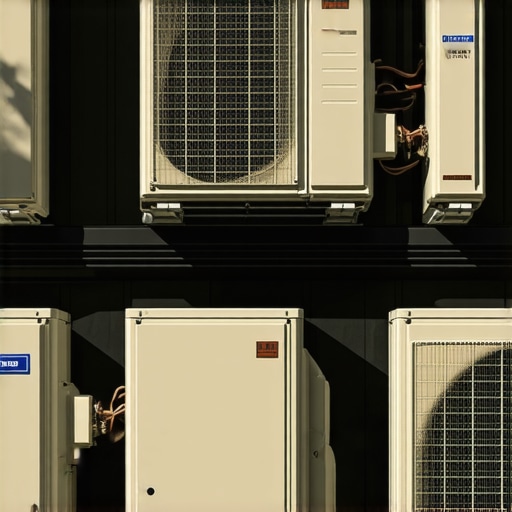
3 Ways Reversible AC Units Change 2026 Deck Installation Prices
As we move into 2026, the boundary between interior comfort and outdoor living has completely dissolved. Homeowners are no longer satisfied with a simple wooden platform in the backyard; they demand a seamless transition where the climate-controlled luxury of the living room extends to the deck. However, this evolution comes with a technical price tag. As an expert at CLIMETUDE climatisation ventilation Barani, I have seen firsthand how the integration of modern HVAC systems – specifically reversible air conditioning – is fundamentally altering the economics of deck construction. The “Standard Deck” of 2020 is obsolete. Today, a deck must be an engineered structure capable of housing sophisticated machinery while maintaining aesthetic integrity and operational efficiency.
The intersection of HVAC and carpentry is where many 2026 budgets go to die. If you are planning a renovation, you must understand that your clim installation prix is inextricably linked to your decking material, framing strategy, and spatial layout. A “cheap” deck that chokes a high-end heat pump will eventually cost thousands in energy waste and equipment failure. In this comprehensive guide, we will explore the three primary ways reversible AC units are driving up deck installation prices in 2026 and why these investments are non-negotiable for the modern homeowner. Whether you are looking for clim reversible prix transparency or structural advice, understanding these variables is the first step toward a successful outdoor project.
1. Structural Reinforcement for Year-Round Vibration
In the past, air conditioning units were seasonal beasts. They hummed for three months of the year and sat silent through the winter. The introduction of the reversible AC unit changed everything. These systems are now the primary heating and cooling source for many modern homes, meaning they operate 365 days a year. This constant operation introduces a factor that traditional deck builders often overlook: harmonic resonance and micro-vibrations. When a unit runs in heating mode during a freezing January night, the compressor works under high pressure, creating a specific vibration frequency that can travel through wood framing like a tuning fork.
To combat this, 2026 deck designs are moving away from traditional all-wood substructures. We are seeing a massive surge in the use of hybrid systems. Why I Use Hybrid Steel-and-Wood Frames for 2026 Decks is a question I answer daily; the reason is simple – mass and rigidity. Steel does not resonate at the same frequency as pressure-treated pine. By integrating steel beams under the HVAC mounting zone, builders can isolate the vibration of the unit from the rest of the leisure space. This structural upgrade, however, adds significant cost to the initial installation, often increasing the framing budget by 15% to 25%.
Furthermore, the weight of modern high-efficiency reversible units has increased. To achieve the SEER ratings required in 2026, heat pumps have larger coils and heavier compressors. A standard deck rim joist is often insufficient to support a 300-pound unit without sagging over time. Sagging leads to refrigerant leaks. When we discuss the clim installation prix, we must include the cost of dedicated concrete footings or “piers” specifically for the AC unit, even if it is technically “attached” to the deck frame. Failure to provide this level of structural support is why many homeowners face the 100€ to 300€ annual maintenance bill just to tighten fittings that have vibrated loose. If you want to Stop Deck Stair Vibration: 4 Quick Structural Fixes [2026], you need to start with a frame that respects the power of the machine it carries.
2. The “Airflow Tax”: Why Clearance Drives Labor Costs
Airflow is the lifeblood of a reversible AC unit. A heat pump works by moving heat, not creating it. To do this efficiently, the outdoor condenser needs an unrestricted supply of ambient air. The biggest mistake I see in 2026 deck design is “boxing in” the AC unit to hide it. When you restrict airflow, the clim reversible prix effectively doubles over the life of the unit because the system has to work twice as hard to achieve the same temperature differential. This is what we call the “Airflow Tax.”
To avoid this tax, 2026 builders are employing complex “Scribing” techniques. Instead of building a simple rectangular deck, carpenters must now cut and fit the decking boards around the HVAC unit with precise clearances – usually 24 to 36 inches of open space. This labor-intensive process requires more “blocking” (internal framing) to support the cut board ends. When you look at a quote for a 4,000€ to 18,000€ deck installation, a significant portion of that labor is now dedicated to ensuring the HVAC unit can “breathe.” This is also why Clim Installation Prix: Is Your 2026 Deck Ready for Modern AC? is a critical question to ask before the first board is laid.
Accessibility is the second half of the airflow equation. In 2026, building codes have become stricter regarding equipment access. You cannot simply build a deck over a unit and hope it never breaks. This has led to the rise of specialized components. For example, Why I’m Using Hidden Access Panels for 2026 Under-Deck Storage is a trend driven by the need to reach HVAC lines and electrical disconnects without tearing up the expensive composite boards. These custom-built hatches require stainless steel hinges, gas struts, and precise framing, adding another layer of cost to the project. However, without them, a simple 200€ repair could turn into a 2,000€ deck teardown. When evaluating Clim Reversible Prix: 3 Budget Hacks for 2026 Outdoor Decks, never compromise on the access panel – it is the most important “hidden” feature of your deck.
3. Aesthetic Integration and Soundproofing Materials
The third way reversible AC units are changing deck prices is through the demand for “invisible” integration. Homeowners in 2026 want the 21-degree comfort of a reversible system, but they don’t want to look at a large metal box while sipping wine on their new deck. This has birthed a new market for premium sound-dampening materials and aesthetic shrouds. Traditional wood decks act like a drum, amplifying the sound of the AC fan. To counter this, we are seeing a shift toward “Capped-Polymer” or “Mineral-Based Composite” decking. These materials are much denser than wood and possess natural sound-absorbing qualities.
While these materials are superior for noise reduction, they are significantly more expensive than traditional lumber. Integrating these into a project where a clim installation prix is already high can be a shock to the budget. Furthermore, we are seeing a trend in “Sunken Seating” areas. By lowering the seating area of the deck away from the level of the AC unit, builders use the deck’s own structure as a sound barrier. This requires complex multi-level framing and additional stairs. Speaking of stairs, many homeowners find that the noise is most noticeable when walking near the unit, which is why they often need to 3 Structural Hacks to Fix Bouncy Deck Stairs for Good in 2026 to ensure that the added weight and vibration don’t compromise the safety of the transition zones.
Aesthetic integration also includes the use of custom trellis work or “AirDeko” style shrouds. These are not your grandmother’s lattice fences. They are engineered covers designed to hide the unit while maintaining the 95%+ airflow efficiency required for a high-performing clim reversible prix. These covers often cost between 500€ and 1,500€ depending on the material. When you add the cost of a How to Build a Weatherproof Outdoor Kitchen on Your 2026 Deck into the mix, the placement of the AC unit becomes a central design pillar. You cannot have a luxury outdoor kitchen next to a loud, vibrating compressor. The cost of relocating the unit or soundproofing the immediate area is now a standard line item in high-end deck quotes.
2026 Pricing Breakdown: HVAC meets Decking
Understanding the numbers is essential for any homeowner. In 2026, the market has stabilized into several distinct tiers of integration. Below is a breakdown of what you can expect when merging your HVAC needs with your outdoor living space. Remember, these figures are estimates based on current market trends for professional installations.
- Fixed Monobloc Units: These are entry-level reversible systems. Expect to pay between 1,000€ and 3,000€ for the unit and basic installation. On a deck project, these require minimal structural changes but still need proper airflow clearance.
- Split Systems (Multi-Zone): This is the gold standard for 2026. The cost is often calculated by the area treated, ranging from 60€ to 100€ per m². Integration into a deck requires sophisticated line-set routing and vibration dampening.
- Comprehensive Project Range: A full deck installation that includes integrated HVAC housing, premium soundproofing, and structural reinforcement typically ranges from 4,000€ to 18,000€. The higher end reflects the use of hybrid steel framing and mineral-based composites.
- Annual Maintenance: To protect your investment, a professional check-up is mandatory. Budget 100€ to 300€ annually to ensure the vibrations haven’t affected the deck’s integrity or the unit’s efficiency.
The ROI of these higher upfront costs is found in energy efficiency. A properly integrated system, where the deck facilitates rather than hinders airflow, can save a homeowner up to 30% on their monthly energy bills compared to a “choked” system. Furthermore, The Benefits of Working with a Professional Deck Builder in Your Outdoor Projects cannot be overstated. A builder who understands the technical requirements of a clim installation prix will save you thousands in future repairs.
Conclusion & Call-to-Action
In 2026, the “Smart Deck” is more than just a place to grill; it is a vital component of your home’s climate ecosystem. The integration of reversible AC units has fundamentally changed the pricing structure of deck installations, shifting the focus from mere aesthetics to engineering and thermodynamics. By investing in structural reinforcement, respecting airflow requirements, and choosing sound-dampening materials, you ensure that your deck remains a sanctuary of comfort for decades to come. Don’t let a poorly planned deck ruin a high-performance HVAC system. Contact a professional deck builder today who specializes in HVAC integration to get a quote that covers all the bases. Your future self – and your wallet – will thank you.