
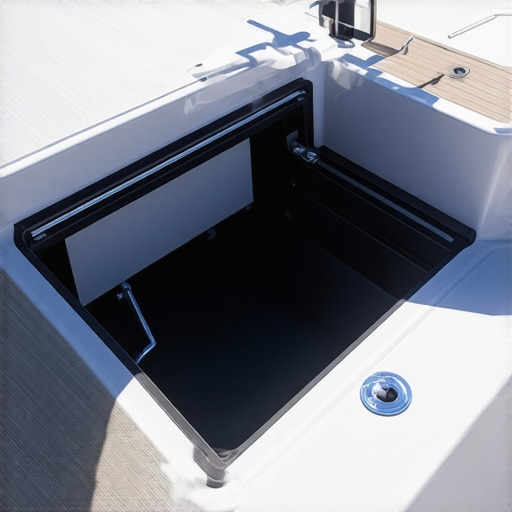
It was a sunny Saturday afternoon when I finally looked under my deck and realized I had a messy mountain of hoses, tools, and seasonal decor crammed into a tight, awkward space. The problem? No easy way to access those stored items without crawling on my hands and knees or knocking over a stack of boxes. That lightbulb moment made me wonder: How do I make this storage accessible yet discreet? The answer I discovered was surprisingly simple — hidden access panels.
The Secret to Neatly Organized Under-Deck Storage
Many outdoor enthusiasts like myself want to maximize their decks, especially as more homeowners tap into the benefits of composite decking in 2025 trends. But the challenge has always been access. A storage area that’s difficult to reach quickly becomes neglected, turning into a cluttered eyesore. My biggest breakthrough came when I realized concealed access panels could blend seamlessly into the deck’s aesthetics while providing straightforward access to storage space. This small upgrade has saved me countless hours and prevented my storage area from becoming a dumping ground.
Have you ever faced a similar issue, where access to your outdoor storage feels more like a chore than convenience? If so, keep reading — I’ll walk you through how this simple solution can transform your outdoor space.
Worried about sacrificing style for practicality?
When I first considered adding access panels, my biggest fear was they might ruin the sleek appearance of my deck. But early mistakes, like choosing cheap, flimsy covers, taught me that quality and proper installation are crucial. I learned that selecting panels designed specifically for outdoor use and ensuring they’re flush with the decking surface make all the difference. This way, you get the best of both worlds: easy access and a seamless look.
For more expert tips on elevating your outdoor space, check out [top stairs design ideas](https://deckdesignbuild.com/elevate-your-home-top-stairs-designs-for-modern-outdoor-spaces) or explore the latest composite decking trends for 2025 at [this comprehensive guide](https://deckdesignbuild.com/composite-decking-trends-2025-the-ultimate-guide-for-outdoor-enthusiasts). These resources can help you craft a stunning and functional outdoor environment.
In the following sections, I’ll share practical steps and insider advice on selecting, installing, and maintaining hidden access panels. Ready to take your under-deck storage from cluttered chaos to clean convenience? Let’s dive in.
Select the Perfect Access Panel Design
Start by choosing a durable, weather-resistant panel that blends with your deck’s finish. I recommend opting for low-profile, flush-mounted covers made specifically for outdoor use. For my project, I selected a stainless-steel panel with a matching composite finish, which maintained the sleek look of my deck while providing easy access to storage. Remember, quality matters; cheap panels tend to warp or rust, defeating the purpose of a discreet, long-lasting solution.
Measure and Mark Correctly
Before cutting, accurately measure the opening needed for your storage access. Use a level and chalk line to mark the outline directly onto the deck surface. I learned this the hard way when I misaligned the first panel, causing it to sit unevenly and stand out. Double-check your measurements twice, and consider leaving a small gap around the panel to account for expansion and make installation smoother.
Cut Through the Deck Surface Safely
Use a circular saw with a fine-tooth blade suitable for composite or hardwood decking. Set your saw depth to match the thickness of the deck surface plus a slight margin. When I cut into my deck, I carefully sawed along the marked lines, taking my time to avoid splintering. Wearing safety goggles and ear protection is a must. For tight spaces or complex shapes, a jigsaw can help, but always prioritize cleanliness and control to prevent splintering or damaging underlying structures.
Frame the Opening for Strength and Stability
Enhance the panel’s longevity by framing the opening with pressure-treated framing lumber or composite trim. This creates a sturdy frame that prevents warping and ensures the panel stays flush. I added a 2×4 perimeter around my cut, anchoring it to the existing joists for extra support. This step also simplifies panel installation and removal, making future access and maintenance easier.
Secure and Seal the Panel Effectively
Install the panel using weather-resistant fasteners, such as stainless-steel screws, and ensure it sits flush with the deck surface. Apply a bead of outdoor-grade sealant or gasket around the edges to prevent water infiltration and protect underlying components. When I sealed my panel, I used a silicone gasket and checked for gaps, which kept my storage area dry during rainstorms. Proper sealing is crucial to maintaining the integrity and appearance of your deck.
Blend the Panel with Deck Aesthetics
Finally, conceal the panel’s edges with matching composite trim or paint. I painted my trim to match the deck boards, making the access point virtually invisible. For added disguise, consider installing deck boards or stone overlays over the panel area, achieving a seamless look. This approach maintains your deck’s aesthetic appeal while providing quick, discreet access to your stored items.
By following these concrete steps, you can transform what once was a frustrating, cluttered space into a hidden, functional storage area that complements your outdoor design. Proper planning, measuring, and quality material selection will give you a durable, attractive solution that can handle weather and wear for years to come.
When it comes to outdoor living projects, many homeowners fall prey to misconceptions that can compromise their entire backyard experience. A widespread myth is that choosing the most affordable materials will yield the best long-term results. However, I’ve seen DIY enthusiasts and novice deck builders skimp on quality, only to face warping, rot, or fading within a few years. Investing in high-quality composite decking, like those discussed in [2025 trends](https://deckdesignbuild.com/composite-decking-trends-2025-the-ultimate-guide-for-outdoor-enthusiasts), actually saves money and time over the lifespan of your deck.
One common trap is underestimating the importance of precise measurements and proper framing when installing stairs or the deck surface itself. It might seem minor, but incorrect joist spacing or underestimated stair riser height can lead to structural instability or safety hazards, which are costly to repair later. An advanced mistake many overlook is the significance of ventilation and proper drainage beneath the deck. Without sufficient airflow, moisture accumulates, accelerating decay even with the best composite materials. Experts like [professional deck builders](https://deckdesignbuild.com/how-a-skilled-deck-builder-can-turn-your-garden-into-a-private-oasis) emphasize these details often get ignored by DIYers eager to expedite projects.
Moreover, a nuanced misunderstanding is thinking that all composite decking brands are created equal. While the surface appearance varies, the real difference lies beneath—such as core composition, reinforcement, and resistance to thermal expansion. For example, some brands employ solid-core constructions that handle heat better, preventing warping during summer heatwaves [see more about heat-resistant brands](https://deckdesignbuild.com/4-high-density-composite-decking-brands-built-for-2026-heat). Choosing the wrong binding systems or fasteners can lead to squeaks, creaks, or loose panels over time, undermining your investment.
What Does True Structural Integrity Require Beyond Basic Build?
Achieving a durable outdoor structure demands understanding the advanced principles of load distribution, material behavior under weather stress, and edge-to-edge fastening systems. For instance, using hidden steel stringers or specialized fasteners prevents gaps and squeaks, which are common mistakes that weaken the overall stability. These insights are often overlooked, especially by those unfamiliar with [professional techniques](https://deckdesignbuild.com/why-2026-deck-builders-are-switching-to-capped-polymer-boards). Also, remember that composite decking isn’t just about aesthetics; it needs a breathable sub-frame to prevent heat buildup and moisture retention, which can cause expansion or mold growth.
Finally, many underestimate the importance of professional guidance for complex projects—particularly when designing seamless transitions from stairs to decks or integrating features like hidden access panels. A skilled deck builder considers every nuance, ensuring safety, longevity, and style are balanced perfectly. Skipping expert input can lead to costly mistakes or unsafe structures. Want to see how design and craftsmanship come together? Explore [creating safety and style through proper stair design](https://deckdesignbuild.com/designing-safe-and-stylish-stairs-for-outdoor-decks-in-2025).
Are you aware of the advanced pitfalls most overlook? Have you ever fallen into this trap? Let me know in the comments and share your experiences or questions.Maintaining your outdoor deck, stairs, and composite materials requires the right tools and a disciplined approach. Over the years, I’ve refined my toolkit to include specific equipment that ensures lasting quality and minimizes future headaches. One game-changer has been investing in a high-power cordless oscillating multi-tool. Its precision makes trimming, detail sanding, and even minor repairs on composite decking fast and clean, preventing damage to the material’s surface. I prefer models from brands like Milwaukee or Fein because of their durability and battery life, which is crucial for multi-day projects.
Invest in Quality Power Tools for Precision and Durability
Beyond the multi-tool, I rely heavily on a good cordless drill with adjustable torque settings. This allows me to tighten fasteners just enough to avoid cracking composite boards or loosening over time. For long-term projects, a laser level is indispensable. Attaching deck boards and setting stairs to exact specifications isn’t just about appearance—it’s about safety and structural integrity. I recommend brands like Bosch or DeWalt for their reliable accuracy and rugged build. Using the right tools reduces errors and ensures your deck maintains its appeal for years to come.
Prioritize Weather-Resistant Hardware for Longevity
When assembling your deck, stairs, or hidden access panels, opt for stainless steel fasteners and clips. Ordinary nails or screws risk rust and corrosion, especially in climates with high humidity or salty air. I’ve had excellent experiences with fasteners from Simpson Strong-Tie because they meet high standards for outdoor durability. Proper fastening techniques, combined with corrosion-resistant hardware, dramatically extend the lifespan of your outdoor structure, preventing issues like squeaking, loosened boards, or structural failure over time.
Plan Your Maintenance Routine to Stay Ahead
Maintaining your deck isn’t just about tools—it’s about establishing a regular schedule. A simple inspection every season, focusing on fastener tightness, surface cleanliness, and any signs of wear or damage, can prevent costly repairs later. I’ve found that keeping a maintenance log helps track when to reseal, replace worn fasteners, or clean the surface to prevent mold growth. Proactive maintenance also means you get to enjoy your outdoor space without worrying about unexpected breakdowns or safety hazards.
What are the best methods to keep your outdoor structures working smoothly over time?
One approach I swear by is applying a protective sealant on composite decking and wood stairs every two years. This not only preserves the color and texture but also shields against moisture infiltration, which is crucial for preventing rot and mold. Furthermore, using specialized cleaning solutions designed for composite surfaces, rather than harsh chemicals, maintains the finish’s integrity. For comprehensive guidance, check out expert recommendations on [composite deck maintenance](https://deckdesignbuild.com/why-your-2026-deck-stairs-should-use-hidden-steel-stringers).
Make Your Maintenance Routine a Priority
Try implementing a scheduled checklist, including inspecting fasteners, cleaning surfaces, and reapplying sealants. With the right tools and regular upkeep, your outdoor living space can look stunning and perform flawlessly for years to come. By adopting these practices, you’re not just maintaining a deck—you’re ensuring your outdoor retreat remains a safe and beautiful extension of your home for the long haul.
Reflecting on my journey with outdoor renovation, I realized the most valuable lessons came from mistakes—particularly underestimating the complexity of seamless access. I once thought that blending function with aesthetics was a simple matter, but the true breakthrough was understanding that it’s an ongoing process of balance and refinement. Incorporating concealed access panels wasn’t just about hiding clutter; it became a philosophical approach to unobtrusive design and practical longevity. That revelation transformed my entire perspective on outdoor spaces, proving that the hidden elements often hold the most power to elevate your outdoor experience.
Lessons That Changed My Outdoor Philosophy
- Designing with Intent: I learned to think beyond surface beauty and consider every hidden detail, from fasteners to drainage, ensuring my outdoor space remains functional for years to come.
- Investing in Quality: Short-term savings led to long-term headaches. Choosing durable, weather-resistant materials from trusted sources like [composite deck brands](https://deckdesignbuild.com/4-high-density-composite-decking-brands-built-for-2026-heat) has been crucial in maintaining both aesthetics and performance.
- When to Seek Expertise: DIY is rewarding, but recognizing complex structural elements or advanced sealing techniques is where professional insight prevents costly errors. Learning from seasoned deck builders can shield you from common pitfalls.
Tools and Resources That Have Upped My Game
- Milwaukee Multi-Tools: Precision cutting and detail work are made easier with reliable tools, reducing material waste and ensuring a flush finish.
- Deck Design Guides: Up-to-date resources like [composite decking trends for 2025](https://deckdesignbuild.com/composite-decking-trends-2025-the-ultimate-guide-for-outdoor-enthusiasts) keep me informed on latest innovations, helping me select the best options for longevity and style.
- Professional Advice: Consulting with experienced deck builders, as detailed in [their expertise](https://deckdesignbuild.com/the-benefits-of-working-with-a-professional-deck-builder-in-your-outdoor-projects), offers insights that avoid costly mistakes and ensure structural integrity.
Embrace Your Outdoor Potential
Building or upgrading your outdoor space with hidden access panels and thoughtful design isn’t just about aesthetics; it’s an investment in your lifestyle. Every detail, from seamless integration to durable materials, adds value and enjoyment to your home. Remember, the most overlooked aspects often create the greatest impact. So, why not take that step today and turn your outdoor area into a sanctuary of beauty and practicality? Your future self will thank you for it.
What challenges have you faced when trying to blend access with style in your outdoor projects? Drop your experiences and questions in the comments below—let’s learn and grow together!
,