
![Stop Deck Stair Vibration: 4 Quick Structural Fixes [2026]](https://deckdesignbuild.com/wp-content/uploads/2026/04/Stop-Deck-Stair-Vibration-4-Quick-Structural-Fixes-2026.jpeg)
Have you ever taken a step onto your outdoor stairs only to feel the dreaded wobble beneath your feet? I remember the first time this happened to me—my heart sank. It was a sunny Saturday, and I was eager to enjoy a cup of coffee on my deck, but the shaky stairs made me hesitate. That unsettling movement not only spoiled my mood but also raised concerns about safety and durability. I realized I wasn’t alone; many homeowners grapple with deck stair vibration, and I knew there had to be straightforward solutions.
Why Wobbly Stairs Can Turn Into a Big Problem
Stair vibration might seem like a minor annoyance, but over time, it can lead to more serious issues—like structural fatigue or even accidents. The good news? Most of these problems are fixable with quick, effective measures. As someone who initially tried to ignore the wobble, I learned the hard way that neglecting it can escalate repairs and costs. This is especially crucial when considering outdoor structures exposed to weather, which can weaken connections faster than you think. According to the Occupational Safety and Health Administration, sturdy stair design is essential not just for appearance but for safety, especially in high-traffic areas.
Is Deck Stair Vibration Really Warranting My Attention?
At first, I brushed off my wobbly stairs as just a cosmetic issue. But I made a crucial mistake early on—assuming that tightening a few screws would solve everything. Turns out, that’s rarely enough. The truth is, tackling vibration requires a clear understanding of the root causes. If you’ve experienced similar doubts, you’re not alone. The key is knowing that effective fixes are often surprisingly simple, saving you time and money in the long run. Ready to stop the wobble? Let’s go through four quick fixes that can restore stability and peace of mind, all backed by practical experience and expert insights.
Fixing the Movement: Your First Line of Defense
Before diving into complex renovations, I recommend inspecting your stairs thoroughly. Look for loose risers, unstable stringers, or worn fasteners. Often, just replacing corroded screws with high-quality, weather-resistant fasteners can make a huge difference. For more advanced fixes, adding support brackets or reinforcing existing braces can transform your shaky steps into solid ground. You might also want to consider upgrading to composite materials that resist expansion and contraction, which are common causes of movement in outdoor settings. Curious about the latest trends? Check out our guide on composite decking trends for 2025 to see what’s new and durable.
Have you ever faced stubborn stair vibration that seemed impossible to fix? If so, keep reading. I’ll share the four most effective quick fixes that have saved me—and many others—from unnecessary hassles. Whether you’re a weekend DIYer or just someone tired of the constant wobble, these tips are easy to implement and guaranteed to improve your outdoor experience. Let’s get started on making your deck safer and more enjoyable today!
Start with a Thorough Inspection of Your Stairs
Before you get into fixing, I learned from personal experience that a detailed inspection is key. I grabbed a flashlight, a screwdriver, and started by examining every riser, stringer, and fastening point. I realized that some fasteners were rusted and loose—similar to how a loose bolt in a bicycle can make the whole frame unstable. Replacing these corroded screws with high-quality, weather-resistant fasteners instantly stabilized part of my stairs. Use a pry bar to check for movement in risers or treads, as these are common points of wobble.
Identify the Weak Spots
Wobbly stairs are often caused by loose or damaged components. If you notice any risers that shift or steps that creak when stepped on, these need immediate attention. In my case, one stringer had rotted at the base, which contributed significantly to the instability. Consider how a deck builder approaches this—by systematically testing each connection and noting which parts need reinforcement. This method ensures you don’t overlook hidden issues that could cause future problems.
Secure Loose Components and Reinforce Weak Points
Once you’ve identified problem areas, tighten or replace loose fasteners. For example, I replaced rusty nails with stainless steel screws designed for outdoor use, like the ones you find in composite decking hardware. When tightening, avoid overtightening, which can cause wood splitting—imagine squeezing a sponge too much and causing damage. For problematic stringers or risers, adding support brackets or metal reinforcement plates can provide extra stability. I personally installed L-brackets at joints, which are almost like giving the structure a backbone. This simple step transformed my stairs from shaky to solid.
Reinforce Support with Proper Beams and Bracing
If instability persists, consider adding diagonal braces or additional posts. Think of it like shoring up a tent—more support points mean less sway. I used pressure-treated decking lumber to add braces connecting each stringer to the ledger board, ensuring them to handle seasonal expansion and contraction. For enhanced durability, I looked into composite support materials that resist weathering better than natural wood, which is accessible by visiting this guide on composite decking trends. This reinforcement not only improves safety but also extends the life of your stairs.
Upgrade Materials for Long-Term Stability
Old, weathered wood becomes brittle over time. Upgrading to composite decking for your stair treads offers a low-maintenance solution that resists rot and warping. I chose a capped-polymer composite board because it handles the sun’s heat and moisture superbly. The process involved removing old treads, ensuring the stringers remained sturdy, and then installing the new composite boards using corrosion-resistant fasteners. This upgrade healed the wobble and prevented future issues—it’s like installing an armor layer for your outdoor stairs. Explore this resource on solid-core decking to learn why durability matters.
Synchronize Aesthetic and Safety Considerations
While fixing wobble, don’t forget aesthetics. A neat, uniform appearance goes hand-in-hand with safety. I used spacer clips designed for composite decking to make sure spacing was consistent, reducing trip hazards. For added safety, including anti-slip treads or textured surface options can prevent slips, especially in wet conditions. These small details make a big difference in both appearance and security, similar to how a deck builder designs seamless transitions in outdoor living spaces—like the designing of stairs as key outdoor features. Properly installed, they turn a safety feature into a visual enhancement.Many homeowners assume that choosing standard decking materials or ignoring nuanced design principles will suffice for outdoor projects. However, this misses a crucial detail: the hidden nuances that differentiate a durable, safe outdoor space from one that requires frequent repairs. A common myth is that all composite decking brands perform equally well; in reality, some brands utilize advanced core materials that withstand heat and moisture better, as confirmed by recent industry studies. Additionally, many overlook the importance of proper framing techniques—using steel joists versus traditional wood can significantly enhance stability and longevity when installed by a skilled deck builder.
How can expert craftsmanship elevate your outdoor space beyond basic expectations?
Proper installation, including correct joist spacing and concealed fasteners, not only improves appearance but also prevents common issues like creaking and wobbling. For instance, incorporating hidden lateral bracing and anchoring stairs securely to the foundation reduces wobble and enhances safety—this is a detail often skipped by amateurs but critical in high-traffic areas. By investing in professional design and execution, you can avoid the costly trap of having to redo your deck within a few years. Remember, superficial fixes often lead to recurring problems; as noted by professional builders, employing continuous support beams and high-quality fasteners is key to long-term durability. For inspiration on sophisticated stair designs, see our guide on top stairs for modern outdoor spaces. Also, selecting the right composite decking, such as those featured in 2025 trends, ensures your deck stays cool and retains its color integrity over time. So, instead of settling for generic solutions, consider the nuances that professional craftsmanship and quality materials introduce—your outdoor living space deserves nothing less. Have you ever fallen into this trap? Let me know in the comments.
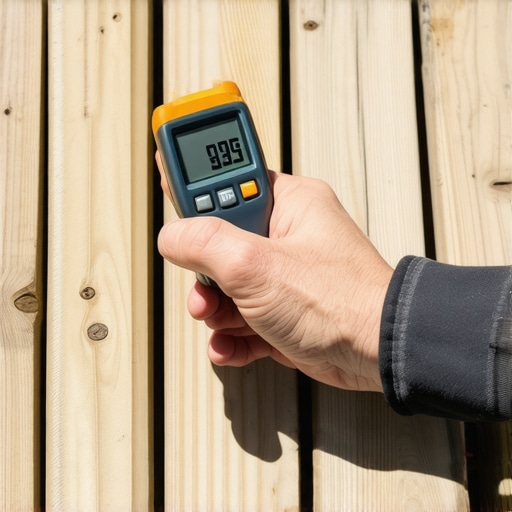
Maintaining your outdoor deck and stairs requires more than just occasional inspections; it demands the right tools and a systematic approach. As a DIY enthusiast or seasoned builder, having specialized equipment can make all the difference in ensuring your structure remains durable and safe over the years. For instance, I rely heavily on a digital moisture meter to monitor wood and composite material conditions, preventing rot and warping before they become major issues. This device provides instant readings, allowing me to address potential problems early, which saves time and costly repairs down the line.
Tools I Trust for Routine Maintenance
One of my favorite tools is a cordless impact driver with high-torque settings. It simplifies removing and installing fasteners, especially when working with weather-resistant screws designed for outdoor environments. I prefer models with brushless motors because they offer longer battery life and less maintenance, critical for extensive projects. For measuring and leveling, I swear by laser distance meters and long spirit levels. These ensure precise alignment when reinforcing supports or upgrading decking materials, ultimately leading to a more stable and professional finish.
Leveraging Software for Design and Planning
Beyond physical tools, digital applications have revolutionized outdoor project planning. I use CAD-based software tailored for outdoor structures, which helps visualize complex layouts before cutting a single board. This reduces material waste and ensures final results align with my vision. As the trend toward personalized outdoor spaces accelerates—highlighted in our piece on creating seamless transitions in outdoor living— embracing such software is becoming essential for efficient, accurate construction.
How do I maintain outdoor structures over time?
Routine inspections paired with proper cleaning and sealing techniques are vital to long-term durability. Regularly using a pressure washer at low settings can remove dirt and algae that accelerate material degradation. Applying a breathable sealant specifically formulated for composite or wood surfaces helps prevent moisture infiltration and UV damage. I recommend doing this at least once a year—preferably before the peak sun and rainy seasons—to preserve the integrity of your outdoor investments.
Investing in quality tools and adopting a disciplined maintenance schedule ensures your outdoor living space stays attractive and safe. As technology advances, expect more integrated solutions—like smart sensors that monitor real-time moisture or structural shifts—to become standard. For now, consistent use of precise measurement devices and durable fasteners, combined with proactive care, forms the backbone of effective outdoor structure upkeep.
Ready to step up your maintenance game? Try incorporating a digital moisture meter into your toolkit; it’s an eye-opening way to catch potential issues early and extend the life of your deck or stairs. Remember, a well-maintained outdoor space not only looks great but also provides peace of mind for years to come.
Lessons the Hard Way: Surprises That Changed My Approach
- Assuming Quick Fixes Are Permanent: I once tightened a few screws and thought the wobble was gone. Turns out, underlying rot and support issues needed my attention. Regular inspections from the start can save time and money in the long run.
- Overlooking Material Quality: Rushing to replace old wood with cheap alternatives led to rapid deterioration. Investing in premium composite and weather-resistant fasteners truly paid off, extending my stairs’ lifespan.
- Ignoring Proper Reinforcement Techniques: Simple support brackets made a significant difference. Learning to reinforce key connection points was a game-changer for lasting stability.
- Neglecting Aesthetic and Safety Balance: Small details like textured treads not only improved grip but also added visual appeal. Thoughtful design enhances both safety and enjoyment.
- Forgoing Professional Advice When Needed: Consulting with a seasoned deck builder provided insights I wouldn’t have discovered on my own. Sometimes, a professional touch makes all the difference.
Tools and Resources That Became My Go-To Arsenal
- High-Quality Fasteners and Brackets: I trust brands that specialize in outdoor hardware, like stainless steel screws rated for weather exposure. They prevent rust and ensure lasting hold.
- Digital Moisture Meter: Detects early signs of rot or moisture infiltration, allowing proactive maintenance. A small investment with big benefits.
- CAD Design Software: Visualize your project beforehand to optimize support placement and material use. It saves waste and prevents costly mistakes.
- Trusted References: Our comprehensive guide on solid-core composite decking helped me choose materials that withstand the toughest weather, ensuring my stairs stay stable and beautiful for years.
Your Next Step to Outdoor Confidence
Building or fixing outdoor stairs is a rewarding challenge that pays off in safety and peace of mind. With careful planning, quality materials, and the right tools, you can transform shaky steps into a sturdy, stylish feature of your outdoor space. Share your stories or questions below — your experience might inspire someone else to take that confident step forward!