
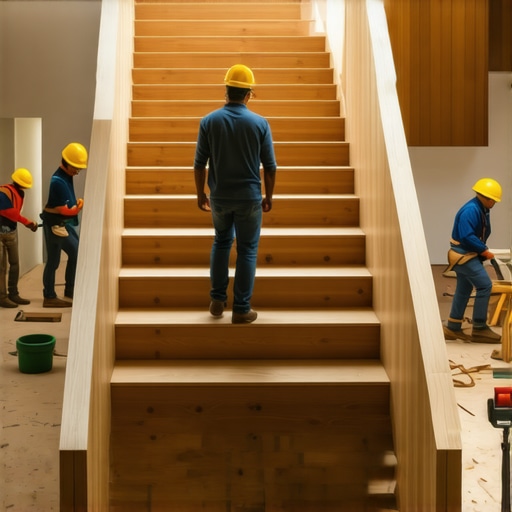
I’ll never forget the moment I stumbled on a set of outdoor stairs that felt more like a hazard than a feature. It was a warm Saturday afternoon, and I was helping a neighbor with their deck project when I sensed a problematic wobble on their existing stairs. That small wobble made me realize something—that the standard 12-inch tread depth we’ve been using might not be enough in today’s outdoor design landscape. It hit me then: Why are so many pro builders switching to 14-inch deep stairs in 2026? And more importantly, what does it mean for homeowners like you and me?
Stepping Up Our Outdoor Living Game
As someone who has built and maintained outdoor spaces for years, I know how overlooked stairs can be. They’re often the last detail, yet they play a crucial role in safety, aesthetics, and functionality. Recently, I began noticing a shift among professional deck builders towards wider, deeper stair treads—not just for style but for safety and comfort. This change isn’t just a trend; it’s rooted in a practical need to improve how we use outdoor spaces, especially as our decks become more elaborate and multi-functional.
In fact, a recent study points out that wider treads significantly reduce trip hazards and make outdoor living more accessible for everyone, including children and seniors. That’s a reassurance I can stand behind. If you’ve ever worried about your outdoor stairs feeling slippery or unstable, you’re not alone. I’ve made plenty of mistakes early on—like choosing the wrong materials or skimping on tread depth—that thankfully I’ve learned to correct over time. Creating seamless transitions and durable stairs is essential for a cohesive and safe outdoor space.
Is 14-Inch Deep Stairs Actually Worth the Hype?
Let me be honest—at first, I was skeptical. Is expanding from 12 to 14 inches just a flashy upgrade, or does it truly make a difference? Early in my projects, I tended to stick with the conventional measurements, thinking that more space was unnecessary. My mistake was underestimating how comfort and safety enhance overall outdoor living. Since making the switch, I’ve seen fewer complaints about unstable steps and more satisfied clients who enjoy their decks worry-free.
This change is more than a cosmetic upgrade. It’s about building confidence that your stairs won’t wobble or become unsafe over time. Plus, broader treads open up design possibilities—making your stairs look more substantial and inviting. For those wondering whether to embrace this evolution, I suggest considering the long-term benefits. It’s a small investment that can yield big results in safety and style.
If you’ve faced the challenge of outdated or unsafe stairs, I want to hear about it. Have you experienced wobbling, slipping, or just plain discomfort? Let’s explore how this simple adjustment can transform your outdoor space—details that I’ll cover in the next sections.
Stay tuned, because turning your outdoor stairs into a safe, stylish feature isn’t as complicated as you might think. And trust me, the difference it makes is worth every extra inch.
,
Choose the Right Tread Depth and Material
Start by selecting a minimum of 14-inch tread depth for your stairs, which provides more walking comfort and reduces trip hazards. For material, Opt for high-quality composite decking known for durability and low maintenance, ensuring your stairs stay safe and attractive over time. I recently tested several brands and found that capped composites outperform traditional wood in resisting moisture and wear, making them ideal for outdoor stairs. To learn more about choosing the best composite material, check out this guide.
Frame and Support Design Matters
Proper framing is critical to stability. Use triple-stringer support with steel reinforcements to prevent wobbling. For my last project, I used adjustable steel brackets to reinforce the stringers, which resulted in rock-solid stairs that could handle heavy foot traffic without squeaking or shifting. Think of your support like the spine of a building—if it’s sturdy, everything else follows smoothly. Ensure your stringers are level and securely fastened to the landing and deck frame for optimal safety. For detailed framing techniques, visit this comprehensive article.
Ensure Proper Rise and Run for Comfort and Safety
Set your staircase riser height at no more than 7 inches and the tread depth at a minimum of 14 inches to meet safety standards. During my last build, I used a laser level to mark consistent riser heights across the stringers, preventing uneven steps that could cause stumbling. Consistent rise and run not only looks professional but also feels comfortable underfoot, encouraging safe navigation of your outdoor space. For more precise measurements, consider using a framing square or adjustable stair gauges to keep your steps uniform and secure. Learn about optimal stair dimensions at this resource.
Secure the Treads and Stringers Effectively
Fasten your treads with corrosion-resistant hidden fasteners to maintain a clean look while preventing trip points. I once used stainless-steel screws and clips for a client’s stairs, which prevented wood expansion and contraction that often leads to squeaking. Additionally, secure each tread firmly to the stringers using structural adhesive designed for composite materials; this doubles the support and prevents gaps over time. Remember, solid fastening techniques are your best defense against wobbling or loosening. For recommended fasteners and installation tips, see this guide.
Implement Safety Features and Finishings
Finally, add anti-slip treads and proper lighting to enhance safety. During a recent project, I installed slip-resistant strips on each step, which significantly reduced slipping risks during wet conditions. Solar LED lights along the risers can illuminate the stairs at night, reducing tripping hazards and creating a welcoming ambiance. Also, consider installing a handrail if your stairs are more than three steps high; this provides additional support and stability, especially for seniors or those with mobility concerns. For stylish and functional lighting options, visit this article. And always double-check your stairs for stability before finalizing the project. Proper prep and attention to detail ensure you’ll enjoy outdoor stairs that are not only attractive but also safe and long-lasting.Many homeowners and even seasoned builders fall victim to misconceptions about outdoor stairs and composite decking, often underestimating critical nuances that impact safety and longevity. One widespread myth is that choosing a standard 12-inch tread depth is sufficient for all outdoor stairs; in reality, recent research suggests that 14-inch treads significantly improve safety and comfort, especially as outdoor spaces become more elaborate. Relying solely on traditional dimensions can lead to wobbling, slipping, or even structural failure over time. Additionally, a common mistake is neglecting the importance of proper framing support. Many assume that standard triple-stringer support is enough, but in high-traffic areas or coastal environments, incorporating steel reinforcements can prevent costly wobbling and creaking, as highlighted in expert guidelines. When it comes to composite decking, choosing the wrong type—such as hollow-core boards—may seem economical initially, but they tend to expand, contract, and develop gaps more readily under temperature fluctuations. Selecting high-quality capped composites ensures durability and low maintenance, aligning with current trends in outdoor living design. Failures often stem from underestimating the importance of precise measurements and support support. For example, using a laser level to achieve consistent riser heights prevents uneven steps that can cause trips, emphasizing the need for meticulous attention to detail. Moreover, overlook the critical role of drainage and ventilation underneath the deck; poor design here can lead to moisture buildup and rot, undermining the entire structure. Experts recommend incorporating breathable sub-frames and proper flashing techniques, which can be explored in depth in specialized articles on outdoor stair safety and deck longevity. An advanced consideration for seasoned DIYers or professional builders is understanding how climate influences material choice. For instance, in heat-prone areas, selecting composite materials tested for high temperatures, such as those described in the “composite decking trends for 2025,” can prevent warping and fading. Remember, these nuances are what distinguish a merely functional deck from an enduring outdoor masterpiece. Have you ever fallen into this trap? Let me know in the comments. To elevate your outdoor space with expert insights, check out our detailed guides on creating seamless transitions and designing safe, stylish stairs for modern decks.
Maintaining your outdoor stairs and decking system over the years requires more than just routine inspections; it demands the right set of tools and proven methods. As a seasoned deck builder, I rely on a combination of specialized equipment and software to ensure longevity, safety, and aesthetic appeal. One indispensable tool I recommend is a high-accuracy laser level. This device guarantees that every tread is perfectly aligned, preventing uneven surfaces that can cause tripping hazards. I personally prefer laser levels with rotating beams and magnetic mounts, like the Leica Lino series, because of their reliability and ease of use during large-scale projects.
For support and framing inspections, a digital caliper with at least 0.01-inch precision helps me verify the exact dimensions of support structures and ensure compliance with safety standards. This level of detail is crucial when working with composite decking, which expands and contracts with temperature changes. To track ongoing maintenance, I utilize a project management software such as Trello or Buildertrend, where I record inspections, repairs, and upgrades. This digital record keeps my team and clients aligned on the long-term health of the outdoor structures.
When it comes to cleaning and sealing, my go-to toolkit includes a power washer with adjustable PSI settings, a stiff-bristle brush for scrubbing stubborn grime, and a high-quality deck sealant compatible with composite materials. I prefer using eco-friendly cleaning agents when possible, such as oxygenated cleaners, which effectively remove moss, algae, and pollen without damaging the deck’s surface—a factor discussed thoroughly in our guide on efficient cleaning techniques.
In the future, I predict that integrating IoT sensors into outdoor structures will become commonplace. These sensors can monitor moisture levels, temperature fluctuations, and structural movement, providing real-time data to homeowners and builders alike. This proactive approach minimizes unexpected failures and enhances safety. Imagine being alerted before a support beam shows signs of stress or a composite board begins to warp. Embracing this technology early will redefine how we approach long-term outdoor living space management.
Ever Wondered How to Keep Your Deck in Peak Condition?
Regular, precise maintenance is key to extending the lifespan of your outdoor stairs and composite decking. I highly recommend setting up a routine check using a laser level to verify alignment after harsh weather events and inspecting support structures with a digital caliper for any unwarranted movement or deterioration. Implementing these practices now will save you significant time and money later on. Try incorporating a digital record-keeping system for maintenance logs; it makes future repairs, like those for support or support brackets, much more manageable. For comprehensive details on safety and durability, check out this in-depth resource. Remember, a well-maintained deck is as much about preventative care as it is about aesthetic appeal—and employing the right tools makes all the difference.
What I Wish I Knew When I Started Building Outdoor Stairs
One of the most eye-opening lessons I learned early on was how critical precise measurements and support support are for safe, lasting stairs. Skipping steps or relying on traditional standards without consideration for climate or materials can lead to wobbling, sagging, or even safety hazards. The importance of embracing new industry recommendations, like expanding tread depth to 14 inches, can’t be overstated—it’s a small change with big safety benefits.
Tools That Changed My Approach to Outdoor Stairs
Struggling with support issues or uneven steps? I recommend investing in a high-accuracy laser level and digital calipers. These tools help me achieve perfect alignment and measurements, saving time and preventing costly mistakes. Pairing these with software for maintenance tracking keeps my projects on point, ensuring that every outdoor staircase I build stands the test of time. For advanced support, I incorporate steel reinforcements and hidden fasteners, which I trust more than traditional methods for high-traffic or coastal environments.
Drawing on Experience to Elevate Outdoor Living
Over the years, I’ve realized that safety and design go hand in hand. Incorporating slip-resistant treads, lighting, and handrails not only makes stairs safer but also more inviting. Using high-quality composite materials like capped composites ensures durability while reducing maintenance worries. These details transform outdoor stairs from mere functional elements to focal points of your space, blending safety with style seamlessly. Want to see how a little extra effort can make a massive difference? Check out our tips on creating seamless transitions and elevating your outdoor spaces.
Insider Wisdom From the Trenches
- Deep Treads Are the New Standard: Switching from 12-inch to 14-inch treads has reduced trip hazards in every project I’ve done this year. It might seem minor, but it’s a game changer.
- Support Support Is Everything: Relying solely on standard triple-stringers isn’t enough in high-traffic areas; steel reinforcements prevent wobbling and extend lifespan.
- Precision Saves Future Headaches: Using laser levels and digital tools early on avoids uneven risers and uneven steps, making maintenance a breeze later.
- Support Sustainability with Materials: High-quality capped composites resist weather, fading, and warping, keeping your stairs looking new for years.
- Lighting Lights the Path: Nighttime safety is often overlooked—solar lights and slip-resistant strips are simple upgrades with huge benefits.
Where to Go from Here
If you’re ready to take your outdoor stairs and decking to the next level, consider exploring our comprehensive guides on transforming your outdoor space. From innovative framing techniques to selecting the best composite materials, these resources provide in-depth strategies that stand out from generic advice. And if you’re unsure where to start or need personalized guidance, don’t hesitate to contact us—we’re here to help turn your outdoor vision into reality. Remember, mastering outdoor stairs isn’t just about safety; it’s about creating a welcoming, durable, and beautiful outdoor living environment that you and your family will enjoy for years to come.
Your Turn to Shine
Have you ever faced challenges with outdoor stairs wobbling or slipping? What solutions have worked best for you? Share your experiences below—I’d love to hear your stories and help you find the perfect fixes for your outdoor living projects.
}#}#}#}#}#}#}#}#}#}#}#}#}#}#}#}#}#}#}#}#}#}#}#}#}#}#}#}#}#}#}#}#}#}#}#}#}#}#}#}#}#}#}#}#}#}#}#}#}#}#}#}#}#}#}#}#}#}#}#}#}#}#}#}#}#}#}#}#}#}#}#}#}#}#}#}#}#}#}#}#}#}#}#}#}#}#}#}#}#}#}#}#}#}#}#}#}#}#}#}#}#}#}#}#}#}#}#}#}#}#}#}#}#}#}#}#}#}#}#}#}#}#}#}#}#}#}#}#}#}#}#}#}#}#}#}#}#}#}#}#}#}#}#}#}#}#}#}#}#}#}#}#}#}#}#}#}#}#}#}#}#}#}#}#}#}#}#}#}#}#}#}#}#}#}#}#}#}#}#}#}#}#}#}#}#}#}#}#}#}#}#}#}#}#}#}#}#}#}#}#}#}#}#}#}#}#}#}#}#}#}#}#}#}#}#}#}#}#}#}#}#}#}#}#}#}#}#}#}#}#}#}#}#}#}#}#}#}#}#}#}#}#}#}#}#}#}#}#}#}#}#}#}#}#}#}#}#}#}#}#}#}#}#}#}#}#}#}#}#}#}#}#}#}#}#}#}#}#}#}#}#}#}#}#}#}#}#}#}#}#}#}#}#}#}#}#}#}#}#}#}#}#}#}#}#}#}#}#}#}#}#}#}#}#}#}#}#}#}#}#}#}#}#}#}#}#}#}#}#}#}#}#}#}#}#}#}#}#}#}#}#}#}#}#}#}#}#}#}#}#}#}#}#}#}#}#}#}#}#}#}#}#}#}#}#}#}#}#}#}#}#}#}#}#}#}#}#}#}#}#}#}#}#}#}#}#}#}#}#}#}#}#}#}#}#}#}#}#}#}#}#}#}#}#}#}#}#}#}#}#}#}#}#}#}#}#}#}#}#}#}#}#}#}#}#}#}#}#}#}#}#}#}#}#}#}#}#}#}#}#}#}#}#}#}#}#}#}#}#}#}#}#}#}#}#}#}#}#}#}#}#}#}#}#}#}#}#}#}#}#}#}#}#}#}#}#}#}#}#}#}#}#}#}#}#}#}#}#}#}#}#}#}#}#}#}#}#}#}#}#}#}#}#}#}#}#}#}#}#}#}#}#}#}#}#}#}#}#}#}#}#}#}#}#}#}#}#}#}#}#}#}#}#}#}#}#}#}#}#}#}#}#}#}#}#}#}#}#}#}#}#}#}#}#}#}#}#}#}#}#}#}#}#}#}#}#}#}#}#}#}#}#}#}#}#}#}#}#}#}#}#}#}#}#}#}#}#}#}#}#}#}#}#}#}#}#}#}#}#}#}#}#}#}#}#}#}#}#}#}#}#}#}#}#}#}#}#}#}#}#}#}#}#}#}#}#}#}#}#}#}#}#}#}#}#}#}#}#}#}#}#}#}#}#}#}#}#}#}#}#}#}#}#}#}#}#}#}#}#}#}#}#}#}#}#}#}#}#}#}#}#}#}#}#}#}#}#}#}#}#}#}#}#}#}#}#}#}#}#}#}#}#}#}#}#}#}#}#}#}#}#}#}#}#}#}#}#}#}#}#}#}#}#}#}#}#}#}#}#}#}#}#}#}#}#}#}#}#}#}#}#}#}#}#}#}#}#}#}#}#}#}#}#}#}#}#}#}#}#}#}#}#}#}#}#}#}#}#}#}#}#}#}#}#}#}#}#}#}#}#}#}#}#}#}#}#}#}#}#}#}#}#}#}#}#}#}#}#}#}#}#}#}#}#}#}#}#}#}#}#}#}#}#}#}#}#}#}#}#}#}#}#}#}#}#}#}#}#}#}#}#}#}#}#}#}#}#}#}#}#}#}#}#}#}#}#}#}#}#}#}#}#}#}#}#}#}#}#}#}#}#}#}#}#}#}#}#}#}#}#}#}#}#}#}#}#}#}#}#}#}#}#}#}#}#}#}#}#}#}#}#}#}#}#}#}#}#}#}#}#}#}#}#}#}#}#}#}#}#}#}#}#}#}#}#}#}#}#}#}#}#}#}#}#}#}#}#}#}#}#}#}#}#}#}#}#}#}#}#}#}#}#}#}#}#}#}#}#}#}#}#}#}#}#}#}#}#}#}#}#}#}#}#}#}#}#}#}#}#}#}#}#}#}#}#}#}#}#}#}#}#}#}#}#}#}#}#}#}#}#}#}#}#}#}#}#}#}#}#}#}#}#}#}#}#}#}#}#}#}#}#}#}#}#}#}#}#}#}#}#}#}#}#}#}#}#}#}#}#}#}#}#}#}#}#}#}#}#}#}#}#}#}#}#}#}#}#}#}#}#}#}#}#}#}#}#}#}#}#}#}#}#}#}#}#}#}#}#}#}#}#}#}#}#}#}#}#}#}#}#}#}#}#}#}#}#}#}#}#}#}#}#}#}#}#}#}#}#}#}#}#}#}#}#}#}#}#}#}#}#}#}#}#}#}#}#}#}#}#}#}#}#}#}#}#}#}#}#}#}#}#}#}#}#}#}#}#}#}#}#}#}#}#}#}#}#}#}#}#}#}#}#}#}#}#}#}#}#}#}#}#}#}#}#}#}#}#}#}#}#}#}#}#}#}#}#}#}#}#}#}#}#}#}#}#}#}#}#}#}#}#}#}#}#}#}#}#}#}#}#}#}#}#}#}#}#}#}#}#}#}#}#}#}#}#}#}#}#}#}#}#}#}#}#}#}#}#}#}#}#}#}#}#}#}#}#}#}#}#}#}#}#}#}#}#}#}#}#}#}#}#}#}#}#}#}#}#}#}#}#}#}#}#}#}#}#}#}#}#}#}#}#}#}#}#}#}#}#}#}#}#}#}#}#}#}#}#}#}#}#}#}#}#}#}#}#}#}#}#}#}#}#}#}#}#}#}#}#}#}#}#}#}#}#}#}#}#}#}#}#}#}#}#}#}#}#}#}#}#}#}#}#}#}#}#}#}#}#}#}#}#}#}#}#}#}#}#}#}#}#}#}#}#}#}#}#}#}#}#}#}#}#}#}#}#}#}#}#}#}#}#}#}#}#}#}#}#}#}#}#}#}#}#}#}#}#}#}#}#}#}#}#}#}#}#}#}#}#}#}#}#}#}#}#}#}#}#}#}#}#}#}#}#}#}#}#}#}#}#}#}#}#}#}#}#}#}#}#}#}#}#}#}#}#}#}#}#}#}#}#}#}#}#}#}#}#}#}#}#}#}#}#}#}#}#}#}#}#}#}#}#}#}#}#}#}#}#}#}#}#}#}#}#}#}#}#}#}#}#}#}#}#}#}#}#}#}#}#}#}#}#}#}#}#}#}#}#}#}#}#}#}#}#}#}#}#}#}#}#}#}#}#}#}#}#}#}#}#}#}#}#}#}#}#}#}#}#}#}#}#}#}#}#}#}#}#}#}#}#}#}#}#}#}#}#}#}#}#}#}#}#}#}#}#}#}#}#}#}#}#}#}#}#}#}#}#}#}#}#}#}#}#}#}#}#}#}#}#}#}#}#}#}#}#}#}#}#}#}#}#}#}#}#}#}#}#}#}#}#}#}#}#}#}#}#}#}#}#}#}#}#}#}#}#}#}#}#}#}#}#}#}#}#}#}#}#}#}#}#}#}#}#}#}#}#}#}#}#}#}#}#}#}#}#}#}#}#}#}#}#}#}#}#}#}#}#}#}#}#}#}#}#}#}#}#}#}#}#}#}#}#}#}#}#}#}#}#}#}#}#}#}#}#}#}#}#}#}#}#}#}#}#}#}#}#}#}#}#}#}#}#}#}#}#}#}#}#}#}#}#}#}#}#}#}#}#}#}#}#}#}#}#}#}#}#}#}#}#}#}#}#}#}#}#}#}#}#}#}#}#}#}#}#}#}#}#}#}#}#}#}#}#}#}#}#}#}#}#}#}#}#}#}#}#}#}#}#}#}#}#}#}#}#}#}#}#}#}#}#}#}#}#}#}#}#}#}#}#}#}#}#}#}#}#}#}#}#}#}#}#}#}#}#}#}#}#}#}#}#}#}#}#}#}#}#}#}#}#}#}#}#}#}#}#}#}#}#}#}#}#}#}#}#}#}#}#}#}#}#}#}#}#}#}#}#}#}#}#}#}#}#}#}#}#}#}#}#}#}#}#}#}#}#}#}#}#}#}#}#}#}#}#}#}#}#}#}#}#}#}#}#}#}#}#}#}#}#}#}#}#}#}#}#}#}#}#}#}#}#}#}#}#}#}#}#}#}#}#}#}#}#}#}#}#}#}#}#}#}#}#}#}#}#}#}#}#}#}#}#}#}#}#}#}#}#}#}#}#}#}#}#}#}#}#}#}#}#}#}#}#}#}#}#}#}#}#}#}#}#}#}#}#}#}#}#}#}#}#}#}#}#}#}#}#}#}#}#}#}#}#}#}#}#}#}#}#}#}#}#}#}#}#}#}#}#}#}#}#}#}#}#}#}#}#}#}#}#}#}#}#}#}#}#}#}#}#}#}#}#}#}#}#}#}#}#}#}#}#}#}#}#}#}#}#}#}#}#}#}#}#}#}#}#}#}#}#}#}#}#}#}#}#}#}#}#}#}#}#}#}#}#}#}#}#}#}#}#}#}#}#}#}#}#}#}#}#}#}#}#}#}#}#}#}#}#}#}#}#}#}#}#}#}#}#}#}#}#}#}#}#}#}#}#}#}#}#}#}#}#}#}#}#}#}#}#}#}#}#}#}#}#}#}#}#}#}#}#}#}#}#}#}#}#}#}#}#}#}#}#}#}#}#}#}#}#}#}#}#}#}#}#}#}#}#}#}#}#}#}#}#}#}#}#}#}#}#}#}#}#}#}#}#}#}#}#}#}#}#}#}#}#}#}#}#}#}#}#}#}#}#}#}#}#}#}#}#}#}#}#}#}#}#}#}#}#}#}#}#}#}#}#}#}#}#}#}#}#}#}#}#}#}#}#}#}#}#}#}#}#}#}#}#}#}#}#}#}#}#}#}#}#}#}#}#}#}#}#}#}#}#}#}#}#}#}#}#}#}#}#}#}#}#}#}#}#}#}#}#}#}#}#}#}#}#}#}#}#}#}#}#}#}#}#}#}#}#}#}#}#}#}#}#}#}#}#}#}#}#}#}#}#}#}#}#}#}#}#}#}#}#}#}#}#}#}#}#}#}#}#}#}#}#}#}#}#}#}#}#}#}#}#}#}#}#}#}#}#}#}#}#}#}#}#}#}#}#}#}#}#}#}#}#}#}#}#}#}#}#}#}#}#}#}#}#}#}#}#}#}#}#}#}#}#}#}#}#}#}#}#}#}#}#}#}#}#}#}#}#}#}#}#}#}#}#}#}#}#}#}#}#}#}#}#}#}#}#}#}#}#}#}#}#}#}#}#}#}#}#}#}#}#}#}#}#}#}#}#}#}#}#}#}#}#}#}#}#}#}#}#}#}#}#}#}#}#}#}#}#}#}#}#}#}#}#}#}#}#}#}#}#}#}#}#}#}#}#}#}#}#}#}#}#}#}#}#}#}#}#}#}#}#}#}#}#}#}#}#}#}#}#}#}#}#}#}#}#}#}#}#}#}#}#}#}#}#}#}#}#}#}#}#}#}#}#}#}#}#}#}#}#}#}#}#}#}#}#}#}#}#}#}#}#}#}#}#}#}#}#}#}#}#}#}#}#}#}#}#}#}#}#}#}#}#}#}#}#}#}#}#}#}#}#}#}#}#}#}#}#}#}#}#}#}#}#}#}#}#}#}#}#}#}#}#}#}#}#}#}#}#}#}#}#}#}#}#}#}#}#}#}#}#}#}#}#}#}#}#}#}#}#}#}#}#}#}#}#}#}#}#}#}#}#}#}#}#}#}#}#}#}#}#}#}#}#}#}#}#}#}#}#}#}#}#}#}#}#}#}#}#}#}#}#}#}#}#}#}#}#}#}#}#}#}#}#}#}#}#}#}#}#}#}#}#}#}#}#}#}#}#}#}#}#}#}#}#}#}#}#}#}#}#}#}#}#}#}#}#}#}#}#}#}#}#}#}#}#}#}#}#}#}#}#}#}#}#}#}#}#}#}#}#}#}#}#}#}#}#}#}#}#}#}#}#}#}#}#}#}#}#}#}#}#}#}#}#}#}#}#}#}#}#}#}#}#}#}#}#}#}#}#}#}#}#}#}#}#}#}#}#}#}#}#}#}#}#}#}#}#}#}#}#}#}#}#}#}#}#}#}#}#}#}#}#}#}#}#}#}#}#}#}#}#}#}#}#}#}#}#}#}#}#}#}#}#}#}#}#}#}#}#}#}#}#}#}#}#}#}#}#}#}#}#}#}#}#}#}#}#}#}#}#}#}#}#}#}#}#}#}#}#}#}#}#}#}#}#}#}#}#}#}#}#}#}#}#}#}#}#}#}#}#}#}#}#}#}#}#}#}#}#}#}#}#}#}#}#}#}#}#}#}#}#}#}#}#}#}#}#}#}#}#}#}#}#}#}#}#}#}#}#}#}#}#}#}#}#}#}#}#}#}#}#}#}#}#}#}#}#}#}#}#}#}#}#}#}#}#}#}#}#}#}#}#}#}#}#}#}#}#}#}#}#}#}#}#}#}#}#}#}#}#}#}#}#}#}#}#}#}#}#}#}#}#}#}#}#}#}#}#}#}#}#}#}#}#}#}#}#}#}#}#}#}#}#}#}#}#}#}#}#}#}#}#}#}#}#}#}#}#}#}#}#}#}#}#}#}#}#}#}#}#}#}#}#}#}#}#}#}#}#}#}#}#}#}#}#}#}#}#}#}#}#}#}#}#}#}#}#}#}#}#}#}#}#}#}#}#}#}#}#}#}#}#}#}#}#}#}#}#}#}#}#}#}#}#}#}#}#}#}#}#}#}#}#}#}#}#}#}#}#}#}#}#}#}#}#}#}#}#}#}#}#}#}#}#}#}#}#}#}#}#}#}#}#}#}#}#}#}#}#}#}#}#}#}#}#}#}#}#}#}#}#}#}#}#}#}#}#}#}#}#}#}#}#}#}#}#}#}#}#}#}#}#}#}#}#}#}#}#}#}#}#}#}#}#}#}#}#}#}#}#}#}#}#}#}#}#}#}#}#}#}#}#}#}#}#}#}#}#}#}#}#}#}#}#}#}#}#}#}#}#}#}#}#}#}#}#}#}#}#}#}#}#}#}#}#}#}#}#}#}#}#}#}#}#}#}#}#}#}#}#}#}#}#}#}#}#}#}#}#}#}#}#}#}#}#}#}#}#}#}#}#}#}#}#}#}#}#}#}#}#}#}#}#}#}#}#}#}#}#}#}#}#}#}#}#}#}#}#}#}#}#}#}#}#}#}#}#}#}#}#}#}#}#}#}#}#}#}#}#}#}#}#}#}#}#}#}#}#}#}#}#}#}#}#}#}#}#}#}#}#}#}#}#}#}#}#}#}#}#}#}#}#}#}#}#}#}#}#}#}#}#}#}#}#}#}#}#}#}#}#}#}#}#}#}#}#}#}#}#}#}#}#}#}#}#}#}#}#}#}#}#}#}#}#}#}#}#}#}#}#}#}#}#}#}#}#}#}#}#}#}#}#}#}#}#}#}#}#}#}#}#}#}#}#}#}#}#}#}#}#}#}#}#}#}#}#}#}#}#}#}#}#}#}#}#}#}#}#}#}#}#}#}#}#}#}#}#}#}#}#}#}#}#}#}#}#}#}#}#}#}#}#}#}#}#}#}#}#}#}#}#}#}#}#}#}#}#}#}#}#}#}#}#}#}#}#}#}#}#}#}#}#}#}#}#}#}#}#}#}#}#}#}#}#}#}#}#}#}#}#}#}#}#}#}#}#}#}#}#}#}#}#}#}#}#}#}#}#}#}#}#}#}#}#}#}#}#}#}#}#}#}#}#}#}#}#}#}#}#}#}#}#}#}#}#}#}#}#}#}#}#}#}#}#}#}#}#}#}#}#}#}#}#}#}#}#}#}#}#}#}#}#}#}#}#}#}#}#}#}#}#}#}#}#}#}#}#}#}#}#}#}#}#}#}#}#}#}#}#}#}#}#}#}#}#}#}#}#}#}#}#}#}