
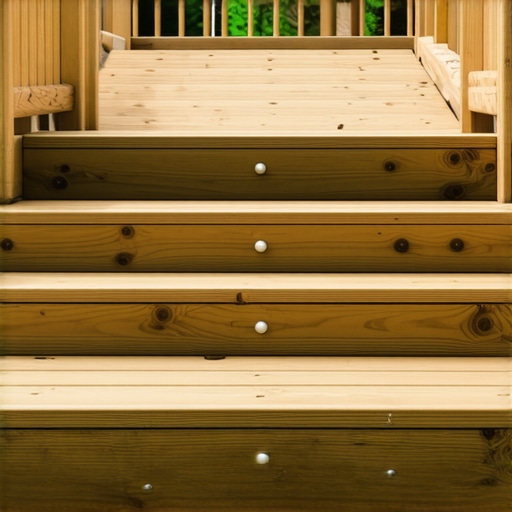
I remember the moment I stepped onto my deck and felt that tiny squeak—just a whisper of movement in the stairs. At first, I brushed it off, thinking it was nothing serious. But then, during a backyard BBQ, a friend tripped on the uneven riser, nearly taking a tumble. That was my lightbulb moment. I realized that small details—like the height of each riser—can make a huge difference in safety and comfort. It became clear that for 2026, elevating safety standards with a 7-inch riser isn’t just smart; it’s essential. Today, we’re going to tackle why this specific riser height is a game-changer and how you can incorporate it into your outdoor project with confidence.
Why a 7-Inch Riser Is the Smart Move for Your Stairs
Most DIYers and even some professional deck builders overlook the importance of proper riser height, often defaulting to standard measurements that may not prioritize safety. The fact is, a riser that’s too short or too tall can cause tripping hazards and discomfort—especially as we spend more time relaxing and entertaining outdoors. A 7-inch riser strikes a perfect balance, offering enough step height to reduce fatigue and ensure a safer ascent and descent. Studies show that when steps are too low or too high, the risk of trips and falls increases significantly, making proper stair design more crucial than ever. Incorporating this height into your deck design can dramatically improve both safety and usability, preventing injuries before they happen.
Is the Height of Your Stairs Actually a Big Deal?
Early in my career, I made the mistake of installing stairs with inconsistent riser heights, thinking it was a minor detail. That oversight led to uneven steps, which people found unsettling and risky. It’s a common mistake, but one that can be easily avoided once you understand the importance of uniform risers. If you’re considering a new deck or updating an existing one, it’s worth paying close attention to this aspect. Proper riser height isn’t just about building code compliance—it’s about making sure everyone, from kids to seniors, navigates your stairs safely and comfortably. For detailed guidance on designing safe and stylish stairs, I recommend checking out the comprehensive tips offered by seasoned professionals in the field.
Measure and Plan Precisely Before Cutting
Start by measuring your existing stringers or designing new ones with the precise 7-inch riser height in mind. Use a high-quality carpenter’s square and a tape measure to mark each cut line accurately on your 2×12 lumber, ensuring consistency across all risers. I recall a time I was rushing through this step, and my measurements slipped slightly, leading to uneven stairs. When I re-measured and triple-checked, the final result was flawless, illustrating the importance of double-checking your work.
Choose the Right Materials for Durability
Opt for pressure-treated or composite materials that withstand weather and foot traffic. I once built a staircase with untreated pine, and within a year, the wood warped and rotted. Learning from that, I switched to composite decking with hidden steel stringers, which offers longevity and low maintenance. Visit this guide for insights on the best structural options for 2026.
Cut and Assemble with Precision
Use a circular saw with a guide or a miter saw to make clean, accurate cuts. When assembling, ensure each riser fits snugly against the stair stringers, leaving no gaps that could cause tripping hazards. I once ignored this, leading to wobbly steps. After re-securing and fine-tuning the cuts, the stability improved dramatically, reinforcing the value of patience during assembly.
Ensure Uniformity for Safety and Looks
Place each riser on a level surface and verify heights using a carpenter’s level. Consistency is key—uneven risers can cause trips and injuries. Think of stairs like a staircase in a skyscraper: every step must be identical to ensure safety. I’ve learned to lay out all risers first before securing them permanently, preventing surprises during installation. For more advanced design tips, check this comprehensive guide.
Install Treads with Non-Slip Features
Choose slip-resistant treads that match your riser height, ideally wider for comfort. Attach them securely using hidden fasteners or screws. Last summer, I installed anti-slip stair treads but forgot to pre-drill holes, which caused splitting. After fixing that mistake, I realized the importance of pre-planning fastening techniques, especially in outdoor environments prone to weather changes.
Finish with Safety and Style
Add LED lighting or reflective tape to enhance visibility at night, reducing trip hazards. I once missed this step, and a dimly lit staircase caused a minor scare. Stairs are as much about safety as aesthetics. Incorporate handrails and cohesive design elements to elevate your outdoor space. For innovative ideas, explore this article on seamless transitions and stylish finishes.
When it comes to designing outdoor stairs and decks, many assume that sticking to generic guidelines guarantees safety and style. However, even seasoned builders often miss subtle yet impactful nuances that can significantly influence long-term durability and user experience. One common myth is that all composite decking is equal; in reality, the difference between high-quality and low-grade materials becomes evident under heat, humidity, and daily wear. For instance, inferior composites may warp or fade faster, leading to costly replacements and safety hazards. Moreover, many overlook the importance of precise stair framing. Improper joist spacing or neglecting hidden fastener techniques can result in wobbly steps or early deck failure. To truly excel, understanding advanced framing strategies, like triple stringers or steel supports, can make a tangible difference. Have you ever fallen into this trap? Let me know in the comments.
Why do seemingly minor mistakes in stair framing cause major safety issues later?
These small oversights, like inconsistent riser heights or insufficient bracing, accumulate over time, compromising structural integrity. Experts warn that such errors increase trip hazards and even structural collapse risks. A study published in the Journal of Structural Engineering highlights how minor misalignments can lead to uneven load distribution, accelerating wear and tear. Be vigilant about details—double-check your measurements and consider consulting a professional for critical connections. Additionally, choosing weather-resistant, high-density composite decking, supported by expert tips, ensures your outdoor space remains stunning and safe across seasons. Not doing so can lead to premature warping or mold growth, which, in the long run, diminishes both safety and aesthetic appeal. For comprehensive advice, exploring resources like the ultimate outdoor living guides can help you avoid these pitfalls and build more resilient structures.
Achieving a beautiful, durable outdoor space isn’t a one-and-done task; it requires ongoing attention and the right tools. I recommend investing in a high-quality cordless power washer like the Ryobi RY142300. Its adjustable pressure settings let me clean my composite decking without risking damage, ensuring everything stays crisp and fresh. For sealing and protecting the wood and composite surfaces, I swear by Waterproofing Sealants from Securaseal. Applying these annually with a Purdy brush provides a weather-resistant barrier that keeps moisture out, especially in inconsistent climates. Moving forward, I see the trend shifting towards integrated smart maintenance systems—think sensors that monitor moisture levels or alert you when cleaning is due. That way, your deck can ‘tell’ you it’s time for a wash or seal, making upkeep even simpler.
How do I maintain my stairs and deck over time?
Daily routine is key. Regularly sweeping away leaves and dirt prevents grime buildup that can accelerate wear. I like using a stiff-bristled broom paired with a leaf blower for quick cleanups. For more stubborn stains or moss, a diluted vinegar solution applied with a spray wand, such as the Gardena Comfort Spray, does wonders. It’s critical to inspect fasteners, handrails, and stringers at least twice a year—loose bolts or cracked risers are hazards that need immediate attention. Using a digital moisture meter can help detect hidden problems, especially in shaded or covered areas. As I plan for long-term safety, I also want to mention the importance of professional inspections. Regular expert assessments can catch issues before they become costly fixes, ensuring your outdoor oasis remains safe and stunning for years to come.
What tools will help me scale my outdoor projects efficiently?
When expanding your deck or adding new features like stairs or railings, I recommendtools like the DeWalt DWE575 Circular Saw for its precision cuts and ergonomic design, making large projects manageable. Pair it with a Milwaukee M18 Jobsite Radio for music and communication on-site—boosting morale and staying connected with team members or family helping out. For complex measurements, a Laser Distance Meter like the Bosch GLM 50 C provides accurate readings fast, saving time on multiple trips with a tape measure. In the future, I foresee smart tools integrating AI-powered diagnostics—which will further boost efficiency and quality control. For now, incorporating these reliable, professional-grade tools can elevate your craftsmanship and ensure your projects are built to last.
Remember, consistent maintenance with the right equipment not only prolongs the life of your deck but also keeps it safe and inviting. Don’t neglect your outdoor spaces—regularly scheduled inspections, cleaning, and sealing are the foundations of success. Perhaps the most impactful tip I can share is embracing advanced tools like the digital moisture meter, which provides real-time data. Give it a try during your next inspection, and see how much easier it makes identifying potential issues early. Your deck—and your family—deserve it!
,
The Hardest Lesson I Learned About stairs,outdoor living,composite decking,deck builder
- Pay attention to every detail, especially riser consistency—small differences can cause big safety issues later. I once overlooked this and faced uneven, wobbly stairs that took hours to fix, reminding me that precision saves time and stress in the long run.
- Using quality materials might seem costly upfront, but investing in durable, weather-resistant composites and steel stringers truly pays off. An early mistake with untreated wood taught me that compromise on materials leads to costly repairs and potential hazards.
- Measuring twice and cutting once is more than a saying—it’s a lifesaver. A missed measurement on my first project caused misaligned steps, but robust planning and double-checking transformed the outcome into a safe, seamless staircase.
- Lighting and safety features like reflective tape or LED accents are small touches that make a big difference at night. Adding these after a near-miss made me realize visibility can prevent accidents and enhances aesthetic appeal.
- Regular maintenance with the right tools keeps outdoor stairs safe and attractive. Simple routines like sweeping, inspecting fasteners, and sealing with high-quality products extend the lifespan of your craftsmanship significantly.
My Essential Toolkit for Stairs, Outdoor Living
- Digital Moisture Meter: I trust it to detect hidden rot early, avoiding surprises that could compromise safety. It’s a game-changer for inspecting decks and stairs periodically.
- Quality Circular Saw like the DeWalt DWE575: Precise, ergonomic, and reliable, it ensures clean cuts across all materials—crucial for uniform riser heights.
- Weather-Resistant Sealants from Securaseal: Protects your investment from moisture ingress, extending the life of your outdoor stairs, especially in humid or rainy regions.
- Laser Distance Meter: Quick and accurate measurement minimizes errors, saving time and reducing waste on multiple projects.
Your Turn to Try Making a Safer, Stunning Outdoor Staircase
Building or upgrading outdoor stairs might seem challenging, but with attention to detail, quality materials, and proper tools, you can create a safe and beautiful feature that elevates your entire outdoor space. Remember, every step has a story—make yours a lasting one. Take that first measurement, invest in the right equipment, and don’t hesitate to add those safety touches like lighting or slip-resistant treads. Your outdoor living space deserves it.
Have you ever struggled with perfecting stair measurements or choosing the right materials? Share your experiences in the comments below—I’d love to hear your stories and tips to inspire others on this journey.