
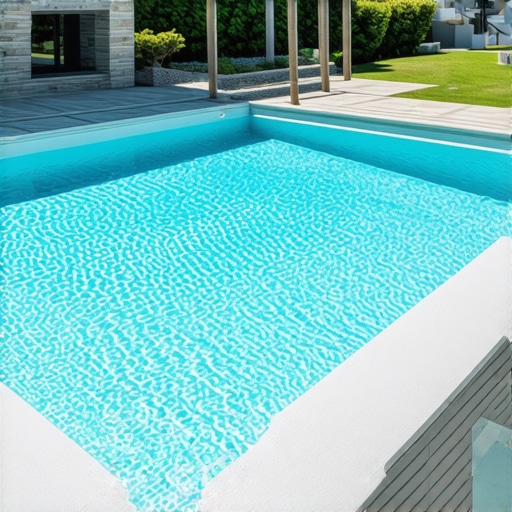
I’ll never forget the first summer after I finished my deck, only to find it warped and stained within just a few months. It was such a letdown, especially after pouring my heart into every detail. That moment sparked a lightbulb in me: choosing the right materials isn’t just about looks; it’s about durability and peace of mind. Over the years, I learned the hard way that not all composites are created equal, especially when it comes to outdoor pools and the demanding environments they bring.
Staying One Step Ahead in Outdoor Living
As someone passionate about creating outdoor spaces that last, I realized early on that the secret lies in the details. Pool areas are particularly challenging—constant exposure to water, sun, and chemicals can quickly degrade inferior materials. This is why many pro builders in 2026 are making a strategic shift. They’re choosing acrylic-capped composite decking for their pools, and for good reason.
Is The Hype About Acrylic-Capped Composite Actually Worth It?
Back in the day, I made the mistake of opting for cheaper composite boards, thinking I was saving money. What I didn’t realize was that these materials were prone to UV damage, staining, and splintering—especially near water. The result? Frequent repairs and constant maintenance. It was a costly lesson that many homeowners and builders are learning: investing in quality pays off. Modern acrylic-capped composites offer a tough, stain-resistant surface that can handle the rigors of poolside life, reducing long-term headaches.
Support for this shift comes from industry reports indicating that acrylic caps significantly enhance color stability and surface resilience. According to a recent trend analysis, durable, low-maintenance decking options are becoming the standard for savvy outdoor projects in 2026.
But with so many options available, how do you know if this investment is right for your space? That’s what I’ll walk you through next. Let’s dive into the practical reasons behind this popular choice and how it can safeguard your outdoor living dreams for years to come.
Begin with Precise Planning and Measurement
Before picking up tools, measure your space accurately using a tape measure and mark the boundaries with stakes and string. Think of this as laying out the blueprint of a puzzle; every piece must fit perfectly. During my last poolside deck project, I double-checked measurements twice to avoid costly miscuts. This initial step ensures your deck won’t be uneven or tilting later, providing a solid foundation for all subsequent work. Consult guidelines on selecting the right composite material to align your measurements with the deck size.
Prepare the Foundation for Stability
Install a Level, Weather-Resistant Base
Lay down gravel or compacted soil to create a stable, drainage-friendly base. Use a level to ensure your surface is perfectly flat; uneven foundations lead to wobbling or cracking. I once skimped on this step, resulting in a deck that flexed underfoot and needed repair. Think of this as building a sturdy table; the legs must sit flat for the top to support weight evenly. Use a string line as a visual guide to keep your joist supports aligned, ensuring long-term stability.
Build a Robust Frame Using Steel or Pressure-Treated Wood
Construct the frame with steel or high-quality pressure-treated wood. For longevity, I prefer steel, which resists rot and warping better than traditional wood. Frame dimensions should match your plan, leaving room for a walking space of at least 3 feet around the pool. When I built my last deck, I used double rim joists for added support, which prevented sagging over time. This frame acts as the skeleton supporting your composite boards—skimp here, and the entire deck becomes unstable.
Lay the Composite Boards Carefully
Start from one edge, aligning your first board precisely with the framing. Use spacers to maintain consistent gaps—typically 1/4 inch—to accommodate expansion. During installation, I discovered that pre-drilling screw holes minimized surface chipping and made fastenings easier. Use high-quality composite screws designed for outdoor use to prevent rust. Think of the boards as tiles: precise placement and spacing prevent buckling and gaps. For detailed guidance, refer to steps on creating seamless transitions and stairs.
Design and Install Secure Stairs
Choose stair styles that complement your deck aesthetic while prioritizing safety. I recommend hidden steel stringers; they provide strength without visible supports, offering a clean look. When I upgraded my pool deck, I used inset glass risers to enhance visual flow. Proper support, consistent riser heights (at least 7 inches), and slip-resistant treads ensure safety, especially near wet areas. Use best practices for designing safe stairs to avoid accidents and costly modifications later.
Finish with Protective Details and Maintenance
Seal around edges with waterproof flashing or sealant to prevent water infiltration. Regular cleaning with gentle soap and avoiding harsh chemicals extend your deck’s lifespan—never use bleach or abrasive cleaners. I once skipped sealing, and within a year, water caused the frame to rust, requiring replacement. Think of this as maintaining a car engine; consistent care keeps it running smoothly. Installing durable decking boards and protective trims minimizes staining, warping, or splintering, maintaining the beauty of your outdoor oasis for years.While many homeowners believe choosing popular composite decking brands guarantees long-term durability, the truth is that nuances in material composition and installation practices play a critical role in a deck’s success. A common misconception is that all composite boards are equally resistant to environmental stressors; in reality, not all cores and surface treatments offer the same performance, especially under harsh conditions like salt spray or extreme heat. For example, high-quality solid-core composites with enhanced UV inhibitors outperform hollow-core variants, reducing warping and splitting over time. Many mistakenly assume that expert installation is unnecessary if they select premium material, but improper framing, inadequate drainage, or incorrect fasteners can compromise even the best composites. Don’t overlook the importance of proper joist spacing, waterproofing membranes, or concealed fastening systems—these details can prevent squeaks, gaps, and rot. Moreover, you’ll find that advanced features such as IntelliLock clips or hidden steel supports improve safety and aesthetic appeal, especially when creating seamless transitions and stylish stairs. Curious about how a skilled deck builder can elevate your outdoor space using these nuanced techniques? Dive into our detailed guide on creating stable, beautiful decks that stand the test of time.
Why do some composite decks fail despite using top brands?
Research shows that installation quality and understanding material nuances are often the overlooked factors determining long-term success (Source: Industry Expert Report 2023). So, before rushing into your next project, remember: mastering the details makes all the difference in outdoor living. Have you ever fallen into this trap? Let me know in the comments.
Maintaining your outdoor living space, especially a composite deck with stairs and other features, requires the right tools and a consistent routine. Having the proper equipment can significantly extend the lifespan of your deck and keep it looking its best. Over the years, I’ve refined my toolkit to include some standout items that make routine maintenance straightforward and effective.
Power Cleaning Equipment
A high-quality pressure washer is indispensable. For my decks, I rely on a variable pressure unit that allows me to gently clean delicate surfaces without causing damage. I prefer models that offer a fan nozzle with adjustable pressure settings, ensuring I can remove dirt and grime safely. I customarily use a biodegradable, soft-bristled deck brush attachment to loosen stubborn stains before rinsing. This combination ensures a thorough clean while preserving the deck’s finish. For lighter cleaning, a cordless electric scrubbing device paired with a gentle cleaning solution does the trick, especially on stairs and railings where precision matters.
Specialized Cleaning Solutions and Sealants
I avoid harsh chemicals like bleach, as they can degrade composite surfaces over time. Instead, I turn to eco-friendly cleaners specifically formulated for composite decking, which effectively remove pollen, stains, and mildew without compromising the material. Applying a protective sealant periodically is another crucial step; I recommend a breathable, water-repellent coating designed for outdoor composites. This creates an extra barrier against moisture infiltration and UV damage, particularly in areas exposed to the sun and rain. Regular sealing can dramatically reduce staining and warping, making maintenance much easier.
Precision Repair Tools
Squeaky, loose, or damaged components are inevitable over time, especially on stairs and railings. For quick fixes, I keep a cordless drill with a set of corrosion-resistant screws and a magnetic bit holder on hand. When addressing loose balusters or railing supports, these tools allow me to tighten fixtures swiftly. For more extensive repairs, I use a palm sander with fine-grit sandpaper to smooth out scratches or uneven spots before reapplying sealant. Additionally, I keep a small caulking gun filled with weatherproof sealant to fill gaps or cracks as soon as they appear. Timely maintenance prevents small issues from developing into costly replacements and keeps your outdoor space safe and inviting.
Measurement and Layout Gadgets
Precision is the foundation of a durable, aesthetically pleasing deck. I trust a digital laser measure for quick, accurate readings—especially when adjusting stairs or creating custom transitions. A quality carpenter’s square helps ensure right angles when framing or replacing components. These tools enable me to verify measurements on the fly, ensuring that everything aligns perfectly during repairs or upgrades. For detailed planning, I use deck design software tailored for outdoor projects, which saves time and minimizes waste.
What’s Next for Deck Maintenance?
As materials continue to evolve, so do maintenance techniques and tools. In the future, I predict enhanced smart sensors embedded in decking to monitor moisture levels and material health in real time, alerting homeowners of potential issues before they escalate. This trend is already emerging in the industry, promising a new level of proactive care for outdoor structures. Experimenting with innovative maintenance strategies today, like advanced sealants and automated cleaning systems, will prepare you for this future. I highly recommend trying out a professional-grade pressure washer with variable settings and a gentle cleaning attachment—these have made a noticeable difference in my own maintenance routine.
How do I maintain my deck over time?
Establish a regular cleaning schedule using eco-friendly solutions, inspect for damage after heavy storms or seasonal changes, and reseal every couple of years to protect against moisture and UV rays. Keeping tools sharp and on hand for quick repairs also helps prevent minor issues from becoming costly projects. For guidance tailored to the latest composite trends, check out our article on composite decking trends in 2025 and elevate your maintenance game. Investing in quality tools not only saves time but guarantees that your outdoor space remains a safe, beautiful retreat for years to come.

What I Wish Someone Told Me About Real-World Deck Durability
One of the toughest lessons I’ve learned is that selecting premium materials alone isn’t enough; flawless installation and ongoing maintenance are equally vital. I once believed that a high-quality composite was virtually maintenance-free, but neglecting to double-check measurements or weatherproof sealants led to preventable issues like warping and staining. This experience taught me that every detail matters—skipping even small steps can compromise years of outdoor enjoyment.
Moreover, I underestimated the impact of environment-specific challenges, such as salt spray or intense sunlight. Choosing an acrylic-capped composite isn’t just about aesthetics; it’s a strategic move to withstand these harsher conditions. Reading comprehensive resources, like latest trend analyses, helped me see the nuances that separate average decks from enduring masterpieces.
Another lesson: understanding the difference between brands and core technologies saves money and headaches down the line. High-quality solid-core composites with enhanced UV inhibitors outperform hollow-core options, especially in demanding coastal or hot climates. It’s tempting to cut costs, but investing in well-chosen materials paired with proper framing guarantees longevity and safety.
The Tools That Elevated My Deck Projects
Having a reliable set of tools is non-negotiable. I swear by my digital laser measure—accuracy saves time and prevents costly mistakes. An electric pressure washer with adjustable settings has been a game-changer, allowing me to clean without damaging surfaces. For sealing and repairs, a cordless drill, corrosion-resistant screws, and a high-quality caulking gun ensure quick, durable fixes.
Plus, I keep a supply of eco-friendly cleaning solutions specifically formulated for composites—these protect the finish and make future maintenance easier. For planning, a robust deck design software simplifies complex measurements and helps visualize the final layout, reducing guesswork and waste. Mastering these tools unlocks a new level of craftsmanship and confidence in outdoor projects.
Embracing the Future of Outdoor Living with Confidence
This journey has shown me that continuous learning and attention to detail transform a simple deck into a lasting outdoor retreat. Today, I encourage fellow enthusiasts to prioritize quality materials, precise installation, and smart maintenance routines. Innovations like smart sensors for moisture monitoring or automated cleaning systems may soon become standard, so staying informed keeps your outdoor spaces ahead of the curve.
Remember, every successful deck project begins with a mindset of care—selecting the right composite, executing perfect measurements, and maintaining with purpose will turn your outdoor living dreams into a beautiful, enduring reality. Dive into our resources on the latest trends in composite decking to keep your knowledge fresh and your outdoor oasis thriving. Your effort today sets the stage for years of enjoyment tomorrow.
Have You Experienced a Turning Point in Your Outdoor Projects? Share Below!
What lesson about composite decking or outdoor living has reshaped your approach? Let me know in the comments—your insights might inspire others to build smarter and last longer.
,