
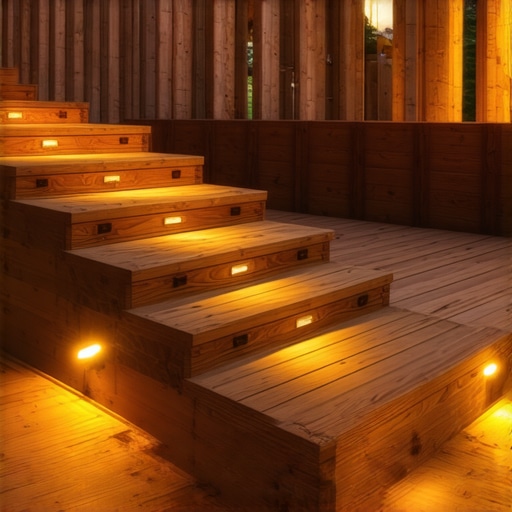
It was a warm Saturday afternoon when I realized my outdoor oasis was more of a safety hazard than a relaxing retreat. As I watched my kids run up and down the stairs, I noticed how poorly lit they were at dusk, and suddenly, the idea of installing fancy recessed lights seemed like the perfect fix. But then I hit a snag that made me rethink everything.
The Hidden Pitfalls of Recessed Lights in Outdoor Stairs
Many homeowners, myself included, fall into the trap of thinking that adding lights—especially sleek recessed ones—will instantly upgrade their deck’s appeal and safety. The promise of a beautifully illuminated staircase sounds ideal, right? But my personal experience taught me that flashy solutions often come with unforeseen issues.
Initially, I believed that these lights would be a low-maintenance, stylish addition. However, I overlooked the harsh realities of outdoor environments—moisture, temperature fluctuations, and debris—factors that can compromise their longevity and performance. Soon enough, I dealt with flickering bulbs and, worse, water ingress causing electrical issues.
This led me to dig deeper. I learned that recessed lighting in outdoor staircases can be prone to failure if not installed with the right weatherproofing measures. A study by the Lighting Research Center highlights that improper outdoor lighting installation can significantly reduce fixture lifespan and safety, which was exactly my experience. The last thing I wanted was to spend more time fixing lights than enjoying my porch.
So, I decided it was time to explore better, more durable options. This blog will walk you through practical, proven strategies to light up your deck stairs effectively—without falling into the common pitfalls I did. We’ll look at smarter lighting solutions and design tweaks that enhance safety and style, all aligned with modern standards for 2026.
Are you tired of dealing with unreliable deck lighting or worried about safety when hosting evening gatherings? Keep reading—I’ve got some game-changing tips coming up.
Is Installing Recessed Lights Actually Worth the Hype?
I made the mistake early on of trusting a cheap, off-the-shelf lighting kit without considering long-term durability. That lesson taught me that not all lighting solutions are created equal, especially for outdoor use. If you’re debating whether to stick with recessed lights or go for other options, I’ll help you weigh the pros and cons so you can make an informed decision.
Next, we’ll explore alternative lighting ideas and how to implement them for both safety and aesthetic appeal—because a well-lit stairway isn’t just a luxury; it’s a safety imperative for my family and yours. Let’s dive into solutions that are built to last and shine brightly for many seasons to come.
Assess Your Space and Lighting Needs
Begin by examining your outdoor staircase to identify dark spots and potential hazards. Measure the length and width of each step to determine the number of lights required. I once spent an afternoon sketching my stairs and mapping out where the shadows fell at dusk, which helped me plan precisely.
Choose Weatherproof Lighting Fixtures
Select fixtures rated for outdoor use that resist moisture, temperature changes, and debris buildup. Once, I ordered a set of LED step lights that claimed to be waterproof but arrived with a temporary protective coating. Testing them in a bucket of water revealed they had subpar sealing, so I returned them for a better-rated option recommended by a trusted supplier.
Implement a Safe Wiring Method
Use underground-rated conduit and outdoor extension cords to prevent water ingress. Be sure to bury wiring at least 6 inches deep along the stairs, avoiding areas where foot traffic is heavy. I learned this the hard way when I skipped proper conduit, and water managed to seep into exposed wiring during a rainstorm, causing flickering. Running the wires through small trenches and sealing entry points with silicone prevented this issue.
Connect to a Power Source
Decide whether to hardwire the lights to your house electrical system or use solar options. Hardwiring provides constant illumination but requires an outlet; I opted for solar lights because they were easier to install and didn’t require an electrician. I installed solar-powered step lights that recharge during the day, providing reliable lighting after dusk.
Install the Fixtures with Precision
Mount the lights securely on the underside of the nosing of each step, ensuring they are evenly spaced. Use the appropriate anchors and screws; avoid cheap fasteners that can loosen over time. When I installed mine, I pre-drilled holes to prevent splitting the composite decking, which prolonged the lifespan of the fixtures.
Test and Adjust the Lighting Effect
Power on the system and walk up and down the stairs to check for shadows or uneven illumination. Adjust the angle of adjustable fixtures as needed to enhance visibility and ambiance. I found that slightly angling the lights downward eliminated glare and highlighted each step clearly, drastically reducing tripping hazards.
Maintain and Troubleshoot Regularly
Inspect fixtures periodically for dirt, debris, or moisture buildup. Clean the lenses with a damp cloth and check for corrosion or loose connections. After a heavy storm, I found a few fixtures with water inside; opening and resealing them with silicone fixed the problem. Regular upkeep ensures your outdoor stairs stay well-lit and safe for years.
While many believe that simply choosing the right materials guarantees outdoor staircase safety and longevity, the real challenge lies in understanding the nuanced aspects that most overlook. One prevalent misconception is that composite decking and modern fixtures are foolproof solutions. In reality, even the best materials can fail without proper installation, maintenance, and design considerations. For example, many assume that installing recessed lighting solves all safety concerns, but without advanced weatherproofing and correct wiring techniques, these fixtures can become hazards rather than enhancements.
Another common myth is that outdoor stairs only need to meet basic height and width regulations. However, advanced users will benefit from considering the details of stair tread depth, riser height, and structural reinforcement — factors that can drastically influence long-term safety and compliance. Overlooking these can lead to costly repairs or dangerous accidents, especially if the stairs aren’t designed with future weather and load conditions in mind.
Let’s address a crucial question that often stumps even experienced builders:
How can understanding the intricate interplay between materials, installation techniques, and environmental factors dramatically improve your outdoor stair project?
Recognized industry experts emphasize that integrating knowledge about climate-specific materials and advanced construction methods results in more resilient, safe, and visually appealing outdoor spaces. For instance, selecting composite decking with high heat resistance prevents warping during summer peaks, and employing hidden bracing techniques adds both strength and aesthetic appeal. You can find more innovative ideas to enhance your outdoor living areas by exploring how a [skilled deck builder transforms garden spaces](https://deckdesignbuild.com/how-a-skilled-deck-builder-can-turn-your-garden-into-a-private-oasis) or learning about [trendsetting composite decking options for 2025](https://deckdesignbuild.com/composite-decking-trends-2025-the-ultimate-guide-for-outdoor-enthusiasts). And remember, consulting with professionals through [our contact page](https://deckdesignbuild.com/contact-us) ensures your project benefits from these insights.
In the end, recognizing that outdoor living is about more than just aesthetics—it’s about durability, safety, and tailored design—can make the difference between a mediocre setup and an outdoor masterpiece. So, next time you plan an upgrade, think beyond the surface and dig into the details that truly matter. Have you ever fallen into this trap? Let me know in the comments.
Keep Your Outdoor Space in Top Shape with the Right Tools
Maintaining a beautiful and functional outdoor living area requires the right equipment and a commitment to regular upkeep. Personally, I swear by a few specific tools that have proven invaluable in my projects. For instance, I always keep a high-quality cordless drill with a set of weather-resistant bits. This tool makes tasks like tightening fasteners or installing fixtures quicker and more precise, especially when working with composite decking or stair connections. Additionally, a digital moisture meter helps me identify areas prone to water ingress, ensuring I can address issues before they escalate, which is critical for longevity.
For cleaning and routine inspections, I rely on an electric pressure washer with adjustable nozzles. It’s perfect for removing dirt, algae, or pollen stains without damaging the surface of your decking or steps. I also use a flexible inspection mirror on a telescoping handle to check hard-to-reach spots, ensuring I catch minor issues like loose fasteners or debris accumulation early on.
Leveraging Software to Plan and Maintain
Beyond physical tools, software plays a crucial role in planning and tracking maintenance activities. I use project management apps like Trello or Asana to set schedules for inspections, cleaning, and upgrades. For design adjustments or modifications, 3D modeling tools help visualize changes before touching the actual materials, saving both time and resources. As the trend toward smarter outdoor spaces grows, integrating IoT sensors that monitor environmental conditions—such as moisture or temperature—will become standard. These devices notify you when maintenance is due, making long-term upkeep more manageable.
Preparing for Long-Term Results
Investing in quality tools and consistent maintenance routines translates into durable, safe outdoor environments. For example, regularly applying a penetrating sealant to your composite decking can prevent water absorption and reduce warping. I recommend examining your setup at least twice a year, ideally in spring and fall, to catch seasonal wear and tear early. Remember, a proactive approach to maintenance not only preserves the aesthetics but also enhances safety for your family and guests.
How do I keep my outdoor stairs and decking looking their best over time?
Consistent cleaning with gentle detergents, periodic inspections for loose hardware, and timely application of weather-resistant finishes are key. Using a weatherproofing spray compatible with your decking materials, especially after cleaning, adds an extra layer of protection. For complex projects, consulting with a professional deck builder can help you identify vulnerabilities you might overlook. Find expert support to help plan your long-term maintenance at our contact page.
As the industry moves toward more resilient and low-maintenance materials—like heat-resistant composite boards—the importance of proper upkeep remains. Stay ahead by using tools designed for durability and regular checkups to address issues early. Incorporate smart technology, and consider upgrading your hardware or sealants as new innovations emerge. For instance, new heat-deflecting materials discussed in 2025 trend guides can significantly boost your deck’s lifespan when combined with diligent maintenance.
Try implementing a seasonal inspection routine using the tools I’ve described, and watch your outdoor space thrive for years to come. Remember, consistency is king in maintenance, and the right equipment makes all the difference in keeping your outdoor living areas stunning and safe.
Unearthing the Unexpected: What I Wish I Knew About Outdoor Stair Lighting
One of my biggest lightbulb moments was realizing that not all outdoor lighting is created equally, especially when it comes to durability and safety. I once installed recessed lights in my stairs expecting a sleek look, only to find water seeping in after heavy rain, causing flickering and potential hazards. This taught me the importance of choosing weatherproof fixtures and professional-grade wiring techniques that withstand the elements unlike common store-bought solutions.
How My Realizations Can Save You Time and Money
Through trial and error, I discovered that investing in quality materials—like heat-resistant composite decking and properly sealed fixtures—not only enhances safety but also longevity. I’ve learned that lesser-known brands with solid reviews and trusted certifications are worth the extra effort because they resist corrosion and harsh weather, minimizing future repairs. Visiting reputable sources like the detailed trends in 2025 composite decking trends helped me pick smarter products that last.
Minimal Repairs, Maximum Peace of Mind
What truly changed my outlook was understanding that maintenance is key. Regular inspections—using tools like moisture meters and pressure washers—prevent small issues from escalating. Keeping my deck and stairs spotless and sealed with the right products ensures a safe, enjoyable outdoor space for my family year-round. It’s amazing how consistent upkeep, combined with innovative hardware like hidden steel brackets, can dramatically reduce accidental injuries and repair costs over time.
My Biggest Lesson from a DIY Mishap
I once ignored the proper depth for wiring conduits, which led to water ingress and electrical problems. That costly mistake highlighted the importance of professional techniques and code-compliant installations. Now, I always consult trusted resources and even consider professional assistance for complex projects; the benefits far outweigh the initial expense. If you’re looking for expert guidance, I recommend reaching out via their contact page for tailored advice.
Embrace the Knowledge to Elevate Your Outdoor Living
Learning from these experiences has empowered me to create safe, stylish, and long-lasting outdoor stairs and decks. Remember, thorough planning, quality materials, and consistent maintenance are the pillars of success. If you’re inspired to redesign or improve your outdoor space, dive into the latest ideas and tips from seasoned professionals—like the innovative trends in 2025 outdoor living concepts. Your outdoor sanctuary awaits—so start today, and don’t let common pitfalls hold you back.