
I remember standing on my old, narrow back deck during a family reunion, clutching a plate of ribs like my life depended on it. Every time someone wanted to move from the grill area down to the fire pit, the entire flow of the party ground to a halt. It was a literal bottleneck. My stairs were tucked away in a corner, barely wide enough for one person, let alone a grandkid running up while an uncle walked down. I realized then that I hadn’t built a transition; I’d built an obstacle. If your backyard feels like a series of disconnected boxes, it’s likely your stairs are to blame. Today, I want to share how shifting to a wrap-around design changed everything for my outdoor life, and how it can do the same for yours.
Give Your Yard the Flow It Deserves
When I finally decided to tear out those old ‘ladder’ steps, I was nervous. I was worried I’d blow my budget on materials, especially since I was looking at choosing the right composite decking for long-term durability. But the moment those wide, inviting treads started taking shape, the whole energy of the yard changed. Wrap-around stairs aren’t just for getting from the top to the bottom; they act as a social hub. They provide extra seating when the chairs run out and create a visual ‘waterfall’ effect that makes even a steep slope look intentional rather than aggressive. [image_placeholder_1] One major mistake I made in my early DIY years was failing to account for how much weight these wide spans actually hold. I didn’t realize the structural reason your deck feels bouncy often comes down to insufficient blocking under the stair treads. I had to go back and reinforce everything because I wanted that rock-solid feel. According to the American Society of Landscape Architects, well-integrated outdoor transitions and professional deck features can increase a home’s perceived value by up to 15%, making the investment as much about finances as it is about lifestyle.
Do wrap-around stairs take up too much precious space?
A lot of folks worry that by widening the staircase, they’re sacrificing their lawn. I thought the same thing. I was obsessed with keeping every inch of grass I could. But here’s the reality: a narrow staircase makes the surrounding yard feel smaller because it’s hard to get to. By creating seamless transitions, you actually invite people to use the entire property. You stop living in just one corner and start using the whole lot. Plus, if you’re worried about aesthetics, there are clever tricks like learning how to hide the cut edges of a wrap-around stair stringer to keep everything looking polished and professional. Before I dive into the actual framing secrets, let me ask you: Have you ever found yourself avoiding a part of your yard just because the path to get there felt like a chore? That’s the first sign your stairs are failing you. Let’s look at how we can fix that structural vibe and make your home the go-to spot for the next neighborhood BBQ.
Master the Stringer Geometry to Avoid a Leaning Mess
Thinking of wrap-around stairs as a single unit is a mistake. They are actually a series of individual stair sections that meet at 45 or 90-degree angles. If your math is off on just one stringer, the whole ‘waterfall’ effect turns into a jagged mess. I remember a project in Reeds Spring where I tried to eyeball the transition. By the time I reached the bottom tread, one side was an inch higher than the other. I had to dismantle two hours of work. Now, I tell everyone that the trick to cutting perfect deck stringers on the first try is using a framing square with stair gauges to ensure every cut is identical. If you don’t, you’ll eventually notice the structural reason your stairs feel like they are leaning is usually an uneven base or a miscalculated rise.
Stop the Bounce with Heavy-Duty Blocking
A wide staircase feels cheap if it flexes when two people walk on it. Think of blocking like the ribs of a ship; they provide the lateral strength that keeps the ‘skin’ or your decking from sagging. For wrap-around designs, standard framing isn’t enough because the spans are often wider than a typical 36-inch stair. This is why we always double block the middle of a long stair run for stability. In my own backyard, I added solid 2×10 blocks between every stringer at the midpoint of the run. It turned a bouncy walk into a solid thud that feels like walking on concrete. 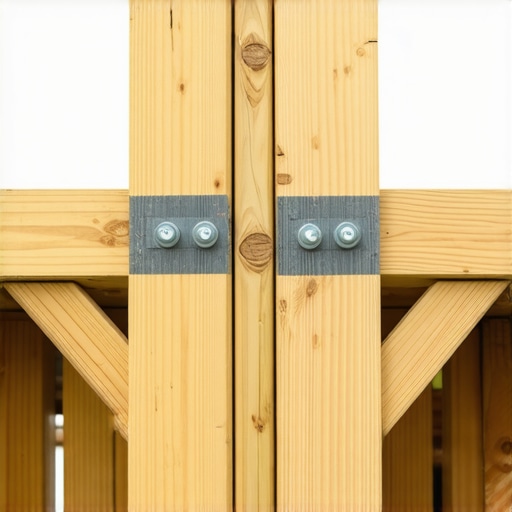
Finish the Edges Like a Pro
The hardest part of a wrap-around design is where the two sets of stairs meet at the corner. This is called a miter. If you leave the raw, cut ends of your composite boards exposed, it ruins the high-end look. You need to learn how to hide the cut edges of a wrap-around stair stringer by using fascia boards or picture-framing the treads. Beyond aesthetics, why stair treads need more than just screws to stay quiet comes down to using a bead of construction adhesive on every stringer before you lay the board down. It stops that annoying click-clack sound every time the dog runs outside.
Don’t Ignore the View After Sunset
Because wrap-around stairs cover so much territory, they can become a tripping hazard at night. Standard overhead lights cast long, confusing shadows on the steps. Instead of one big floodlight, use innovative stairs solutions for safe outdoor deck access like low-voltage riser lights. The key is the best way to light stairs for safety without creating a glare: aim the light downward so it hits the tread, not your eyes. This keeps the mood cozy while ensuring everyone finds their footing on the way to the fire pit.
Your Deck Skeleton Matters More Than the Skin
I see it every summer: homeowners invest thousands in high-end materials but skip the most critical step—the underlying anatomy. Everyone says composite decking is ‘zero maintenance,’ but that only applies to the skin, not the skeleton. In my experience, the biggest myth in outdoor living is that you can simply slap composite boards over an existing wood frame. Composite is heavier and more flexible than cedar or pine. If you don’t account for that, you’ll soon find the structural reason your deck feels bouncy when you walk is that your joists are literally groaning under the new weight. I once visited a site where the homeowner was baffled by their sagging stairs, only to realize they had used a 16-inch on-center spacing for a material that strictly required 12-inch support for stairs. It’s a classic ‘oops’ that turns a luxury upgrade into a safety hazard. This is also why I advocate for learning how to keep your deck joists from rotting under the boards using joist tape; otherwise, you’re putting a 25-year board on a 10-year frame.
Why do my composite boards look like they’re growing and shrinking?
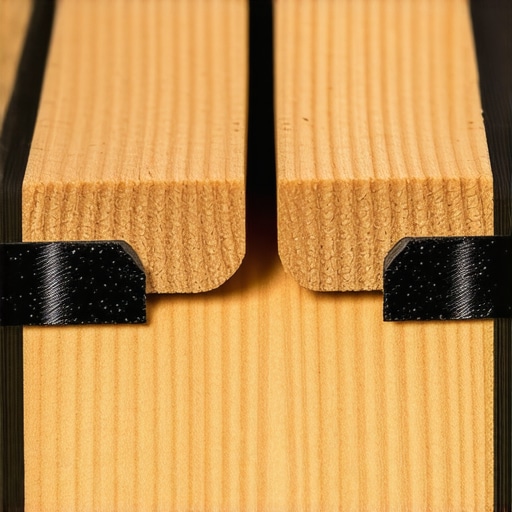
This is where the nuance of choosing the right composite decking really comes into play. Unlike wood, which expands with moisture, composite expands with heat. I’ve seen beautiful mitered corners on wrap-around stairs open up like a shark’s mouth because the installer didn’t know the spacing secret for installing composite decking in winter. If you pin both ends of a long board, it has nowhere to go but up, resulting in buckling. A study by the North American Deck and Railing Association (NADRA) highlights that nearly half of the 60 million decks in the U.S. are past their useful life, often due to these subtle structural oversights. To avoid this, I always recommend why a digital designer is the best move for planning a complex backyard deck; it catches these expansion gaps before you even pick up a saw. Proper planning ensures your stairs and main deck surface remain flush throughout the seasons.
Avoid the Big Box Trap and Build for Longevity
Another common trap is falling for the truth about cheap composite decking from big-box stores. These budget boards often lack the protective capping on all four sides, making them vulnerable to mold in the very places you can’t see. When you’re designing your dream outdoor space, you have to think about the ‘invisible’ components. For example, why your composite boards are expanding more than expected often comes down to the core material’s density. It’s better to spend a bit more upfront than to be the person calling a professional deck builder two years later to fix a warped mess. We also pay close attention to the seams; why we use double joists under every composite seam for a flat floor is a secret most DIYers miss until they see their boards dipping. Have you ever fallen into the trap of thinking a project was ‘good enough’ only to have it bite you a season later? Let me know in the comments—I’ve been there, and I’d love to hear how you fixed it. If you’re still in the planning phase, contact us to make sure your foundation is as solid as your vision.
Why I Ditched Lag Bolts for Good
When I’m out in the field, I still see folks hauling around massive impact wrenches to drive half-inch lag bolts into their ledgers. Honestly, it’s a waste of energy and a potential risk to the wood. I’ve shifted my entire professional workflow toward structural screws. The reason we use structural screws instead of old-fashioned lag bolts isn’t just about speed; it’s about the technical shear strength and the fact that they don’t require pre-drilling, which preserves the integrity of the lumber. According to the American Wood Council’s (AWC) DCA 6 (Prescriptive Residential Wood Deck Construction Guide), specifically regarding lateral load connections, these modern fasteners provide a more reliable pull-out resistance than traditional bolts in many residential applications. If you want a connection that won’t loosen over a decade of Missouri seasons, this is the professional move. 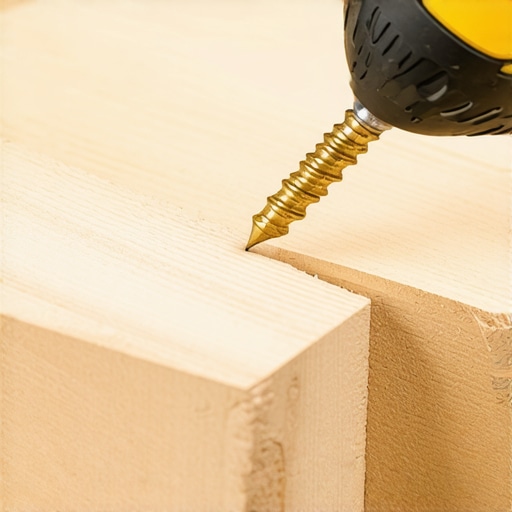
How do I keep my deck looking sharp for decades?
Maintenance for composite is often sold as ‘none,’ but that’s a dangerous promise to believe. You need a strategy for the small stuff that adds up over time. For example, I’ve seen homeowners use power washers on the highest setting and literally strip the wood-grain texture right off their expensive boards. Instead, learn how to clean grease stains off composite without ruining the finish by using a simple mix of warm water and mild dish soap with a soft-bristle brush. This is especially vital around the grill area where hot oils can settle. Similarly, if you have a dark-colored deck, you’ll quickly find the best way to clean bird droppings off dark brown composite boards involves immediate soaking rather than aggressive scraping. Scraping is the fastest way to end up with permanent gouges in your ‘forever’ deck.
The Future of Deck Building is Moving Toward Steel
I’m predicting that within the next few years, pressure-treated lumber for framing will start to feel as dated as lead paint. We are already seeing a massive surge in the hidden benefit of using steel deck framing instead of wood. Steel doesn’t rot, it doesn’t warp, and it allows for much longer spans with fewer posts, which is essential when maximizing space with modern designs for composite decks. When you combine this with the bolt pattern that finally stops railing post wobble for good, you’re building a structure that will literally outlive the house. It’s about moving from a disposable mindset to a legacy mindset. If you’re building right now, I challenge you: swap out your ledger lag bolts for structural screws on your next repair. It’s a small change that drastically improves the safety and longevity of your build. If you need help figuring out the spacing or the load requirements, contact us to ensure your project meets the highest professional standards.
3 Hard Truths About Composite Stair Geometry I Had to Learn the Hard Way
Over the years, I’ve realized that the ‘looks’ of a deck are only as good as the math behind them. First, never underestimate the power of a physical template; drawing your stairs out on the ground with marking paint saves hours of frustration later. Second, if you ignore the stair tread depth that feels safest for kids and the elderly, you’ll end up with a beautiful staircase that no one actually feels comfortable using. Finally, I learned that a wrap-around design is a total commitment to precision. If your first stringer is off by even a quarter inch, by the time you reach the last one in the curve, that error will have doubled or tripled. It’s why I always advocate for designing safe and stylish stairs for outdoor decks in 2025 with a clear, digital plan before the first board is cut.
The Exact Gear I Keep in My Truck for Every Stair Build
To get that high-end, professional finish, I rely on a few specific tools and resources that never let me down. I never start a wrap-around project without Starborn DeckFast Cap-Stock screws for the perimeter; they are the only ones I’ve found that truly disappear into composite fascia. For the framing, I swear by Simpson Strong-Tie stair stringer connectors; this is the bracket that makes your deck stairs feel rock-solid even during a packed house party. Lastly, for technical specs, I always reference the NADRA Deck Safety Manual. These items help you transition a simple DIY project into a professional-grade masterpiece that lasts for decades.
Turn Your Outdoor Vision into a Concrete Reality
Building a wrap-around staircase is about more than just adding financial value to your home; it’s about removing the literal barriers between your family and the yard. When you take the time to focus on the underlying anatomy, you’re creating a space where memories happen without the annoyance of bouncy boards or the safety risk of poor lighting. A skilled deck builder can turn your garden into a private oasis, but even if you are tackling this as a weekend warrior, the key is patience and using the right fasteners. Go build something that makes your neighbors stop and stare. Have you ever struggled with getting those tricky 45-degree miter joints to stay tight on a wrap-around corner? Let me know in the comments below!