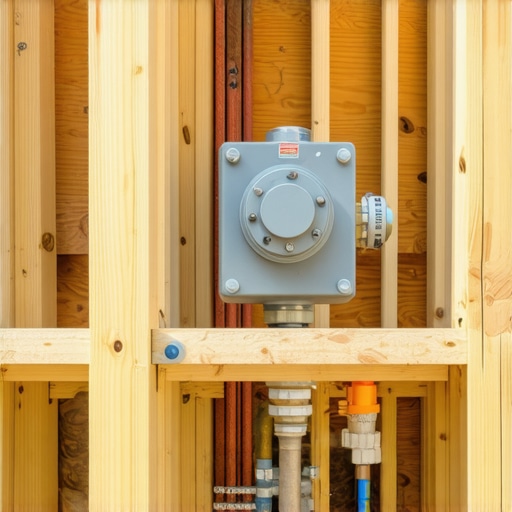
I’ll never forget the day I stood back to admire my handiwork—a gorgeous wraparound deck with custom composite decking ideas that looked like it belonged in a magazine—only to have my eyes land squarely on that rusted, industrial-looking gas meter. It was sitting right there, mocking my aesthetic choices. I stood there, hammer in hand, sweating in the August heat. My wife came out with two glasses of iced tea, ready to celebrate. But instead of ‘it looks amazing,’ she said, ‘What are we going to do about *that*?’ She pointed at the tangle of gray pipes and the circular glass dial that looked like it was growing out of our new foundation. It hit me like a ton of bricks. We’d spent weeks agonizing over the shade of gray for our boards, but we were still looking at the same industrial mess we’d had for twenty years. I’d spent weeks obsessing over designing safe and stylish stairs for outdoor decks in 2025, yet I had completely ignored the giant metal spider living under the frame. It’s the kind of detail that separates a DIY weekend project from a space that feels like a professional outdoor living retreat. [IMAGE_PLACEHOLDER]
Stop Letting Utility Pipes Kill Your Backyard Vibe
We spend thousands of dollars on high-end materials and composite decking trends 2025, but we often treat the gas meter like an uninvited guest we just have to tolerate. I used to think I could just “ignore it,” but every time I sat down with a cold drink, my eyes would gravitate right back to those gray pipes. I’ve even seen folks try to hide the ugly edge of a composite stair tread while leaving a massive meter exposed just three feet away. Today, I’m going to show you how to tuck that meter out of sight using your deck frame as a natural screen, ensuring it remains accessible but invisible. We are going to turn that utility eyesore into a seamless part of your outdoor deck access.
Will the gas company come after me for covering this?
This is the biggest fear I hear from homeowners, and honestly, it’s a valid one. Years ago, during my first attempt at this, I built a solid wooden box that looked great but completely blocked the regulator’s vent. Not only was that a safety hazard, but it also violated the National Fuel Gas Code (NFPA 54), which requires specific clearances for pressure relief. The trick isn’t to “bury” the meter; it’s to mask it with airflow-friendly materials. Have you ever started a project only to realize halfway through that you might be breaking a local code? It’s a gut-sinking feeling I want to help you avoid.
When you work with a skilled deck builder, they’ll tell you that ventilation is king. You can use the same durable low-maintenance outdoor areas philosophy for your utility screens as you do for your floorboards. By using removable panels or wide-slat designs, you keep the meter accessible for technicians while reclaiming your view. It is about balancing safety with the desire for a clean look. I’ve found that using the same fascia material from the main deck helps the screen disappear into the background. Let’s look at how to frame this out so it doesn’t just look like a “box” stuck to your house, but rather an intentional architectural element. We want to avoid the common trap of making the ‘fix’ look worse than the original problem. If you’ve ever had a meter reader leave a grumpy note on your door, you know exactly why accessibility matters as much as beauty. What’s the one utility eyesore in your yard that drives you the most crazy every time you step outside?
Give Your Meter Some Breathing Room
Before you even touch a saw, you need to measure for the ‘safety bubble.’ Most gas companies require at least 3 feet of clearance from any ignition source and ample room for the meter reader to actually see the dials. When I first started experimenting with durable low-maintenance outdoor areas, I made the mistake of building a tight box that trapped moisture. Within two years, the pipe had started to pit from corrosion. Now, I always leave at least a 6-inch gap between the meter and the screen. Think of it like a cage, not a coffin. You want air to circulate freely so gas can’t build up if there’s ever a tiny leak. This is the same reason why i paint the tops of my joists black before installing composite—it’s all about protecting the longevity of the structure and the safety of the home.
Attach the Frame to Your Deck Not Your House
One of the biggest mistakes DIYers make is bolting their utility screen directly to the siding. This creates a nightmare for future repairs and can lead to water intrusion. Instead, cantilever a small sub-frame off your existing deck joists. I use the same technique for this as I do when I’m figuring out how to hide your decks structural beams with fascia. By extending two short joists past the main beam, you create a floating platform for your screen. I remember a project in Branson where I tried to use standard lag bolts for a heavy screen door, but the wood split. That’s when I realized why i use structural screws instead of lag bolts for stairs and heavy-duty screening—they bite into the grain without the wedging effect that destroys your frame. 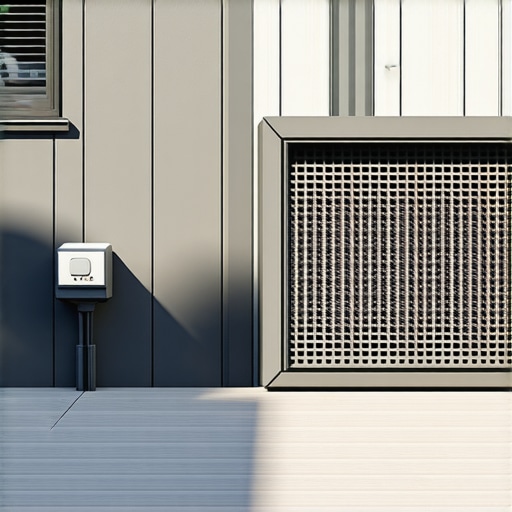
Use Removable Panels for Stress Free Maintenance
You don’t want a permanent wall; you want a ‘secret’ door. I’ve found that using the same fascia boards as the rest of the deck provides the most seamless look. To keep it clean, I avoid visible hinges. Instead, I use a simple gravity-fit system or French cleats. The screen just lifts up and off. It’s a trick I picked up while looking for the simple way to hide ugly metal hangers under your deck—if you can see the hardware, the magic is gone. I once built a hinged door for a client that sagged so badly after a month that they couldn’t even get to their shut-off valve during a minor emergency. It was embarrassing. Now, I stick to lightweight, removable panels that maintain the joist spacing secret for a solid feeling composite surface without adding unnecessary torque to the deck’s edge. By aligning the slats of your screen with the lines of your deck boards, the entire utility area becomes invisible to the casual observer.
The Dangerous Myth of the Super-Secure Deck Board
Common wisdom suggests that if you want a structure to last, you should screw everything down as tight as possible. If a board squeaks or moves, you just add more fasteners, right? In my experience, this ‘over-securing’ is the fastest way to ruin custom composite decking ideas. Unlike traditional wood, which primarily expands and contracts based on moisture levels, composite is a thermal engine. According to the North American Deck and Railing Association (NADRA), high-density polyethylene (HDPE) composites can expand up to 1/32 of an inch for every 10-degree change in temperature. If you pin a long board at both ends without leaving a proper gap, that energy has nowhere to go but up. This creates the ‘oops’ factor of buckling or, even worse, shearing the heads right off your expensive fasteners. This is a classic hidden clip mistake that leads to buckling deck boards, and it’s why deck builder insights designing your dream outdoor space always emphasize thermal movement over brute force.
Why do my deck stairs feel like they are pushing me forward?
It’s not your imagination; it is a design flaw I call the ‘ladder effect.’ Many homeowners assume that as long as the steps are level, they are safe. However, the true secret to innovative stairs solutions for safe outdoor deck access lies in the specific ratio between the rise and the run. If your rise is too high—even if it is technically ‘code legal’—and your tread is too shallow, your brain perceives the descent as a vertical drop. This is why your deck stairs feel like a ladder and how to fix the rise. I see this mistake constantly with the hidden flaw in pre-built deck stairs from big box stores. Those stairs are built for a generic height that rarely matches your specific grade. By deepening the tread and slightly shortening the rise, you create a staircase that feels like a natural extension of the home. For a truly professional finish, I always explain why your deck stairs should have closed risers for a modern look, which hides the ugly structural stringers.
Another advanced nuance people often miss is the ‘bounce’ factor. You can buy the thickest, most expensive boards on the market, but if you do not understand the joist spacing secret for a solid feeling composite surface, the deck will feel like a trampoline under your feet. While many manufacturers say 16 inches on center is acceptable, a premium build always demands 12 inches. It is these invisible structural choices that determine if a deck feels like a permanent part of the house or a temporary platform. Have you ever fallen into this trap of over-tightening your fasteners or skipping the extra joists? Let me know in the comments.
Precision is the separator between a ‘good’ deck and a ‘great’ one. I never start a composite project without a dedicated smart-bit depth setter. Why? Because over-driving a screw by even an eighth of an inch creates a mushrooming effect on the surface that catches dirt and water. If you want those expert deck builder tips for stunning outdoor living, you have to respect the material’s surface from the very first fastener. I also swear by a high-tooth-count carbide blade specifically for composites. Standard wood blades generate too much friction heat, which actually melts the plastic core as you cut, leaving a jagged, messy edge. This is critical when you are trying to hide the ugly edge of a composite stair tread to get that high-end, finished look. According to Section R311.7.5 of the International Residential Code (IRC), stair treads must have a very specific uniformity to prevent accidents; even a 3/8-inch deviation between steps is a major safety violation. Using a digital angle finder ensures every stringer I cut is mathematically identical, avoiding the hidden flaw in pre-built deck stairs from big box stores. I also always make sure my clients understand why your deck stairs need a concrete landing pad at the bottom; without it, the wood eventually wicks moisture from the soil and rots from the inside out, regardless of how ‘weatherproof’ the boards claim to be. #IMAGE_PLACE_HOLDER_D#
How do I maintain my composite deck over time?
People often fall for the myth that ‘low maintenance’ means ‘no maintenance.’ That’s a dangerous trap. I always tell my clients that why you should never use a pressure washer on composite decks is the single most important rule to remember. High pressure will blow the wood fibers right out of the plastic resin, leaving the boards porous and prone to deep staining. Instead, a simple soft-bristle brush and a pH-neutral cleaner once a year will keep the surface looking new. This is especially true if you chose the best deck colors for hiding pollen and dust, which can still look dull if a layer of grime is allowed to build up. I also recommend a quick check of your hardware annually; look for the simple way to hide ugly metal hangers under your deck by using color-matched paint, but more importantly, ensure they haven’t loosened during the freeze-thaw cycle.
Smart Decks are the Next Frontier
I’m seeing a massive shift toward integrated technology in the outdoor living space. We aren’t just building platforms anymore; we’re building outdoor ecosystems. By 2025, expect to see more innovative outdoor living ideas with composite decking in 2025 like built-in wireless charging stations tucked into cocktail rails and automated drainage sensors that sync with your phone. We are moving toward ‘set it and forget it’ engineering where the deck actually alerts you if a joist is holding too much moisture or if a structural post has shifted. The future isn’t just about beauty; it’s about a deck that communicates its health to you. Try this today: next time you’re out on your deck, check the secret to a rock-solid deck to house connection on old siding for any trapped leaves or debris. Clearing that small gap now is the best maintenance tip I can give to prevent thousand-dollar siding repairs later.
Why Pro-Grade Details Beat Weekend Warrior Shortcuts
I’ve learned the hard way that a deck is a living thing. Thinking you can “win” against the sun by screwing boards down too tight is a recipe for disaster. If you avoid the hidden clip mistake that leads to buckling deck boards, you’re already ahead of 90% of DIYers. Don’t overlook the “feel” for the sake of the look. A beautiful stair that feels like a ladder is a safety failure waiting to happen. Always check why your deck stairs feel like a ladder and how to fix the rise before you finalize your stringer cuts. Finally, remember that accessibility is non-negotiable; if a utility worker has to tear apart your work to get to a valve, the beauty of the screen won’t save you. Removable is always better than fixed.
The Tools I Never Leave the Workshop Without
For consistent results on every build, I rely on a depth-setting bit to prevent “mushrooms” around screw heads. It’s a small investment that ensures your durable low-maintenance outdoor areas actually stay clean and professional. I also keep a digital angle finder handy for those tricky slopes. It’s the only way to ensure innovative stairs solutions for safe outdoor deck access aren’t compromised by settling or uneven ground. To get the foundation right, I always revisit the joist spacing secret for a solid feeling composite surface because no amount of expensive decking can fix a bouncy frame.
[IMAGE_PLACEHOLDER]
Taking the First Step Toward a Better Backyard
Your backyard isn’t just a patch of grass; it’s the backdrop for your family’s best memories. Whether you’re masking a meter or maximizing space modern designs for composite decks, remember that every detail contributes to the overall peace of the space. Don’t be afraid to take it slow and prioritize the structural integrity that lasts. A well-planned deck project is a marathon, not a sprint, and the result is a sanctuary you’ll enjoy for decades. Seeing how a skilled deck builder can turn your garden into a private oasis is the ultimate inspiration to keep pushing for that perfect finish. What’s the one utility eyesore that’s currently bothering you most in your backyard? Let me know in the comments below!