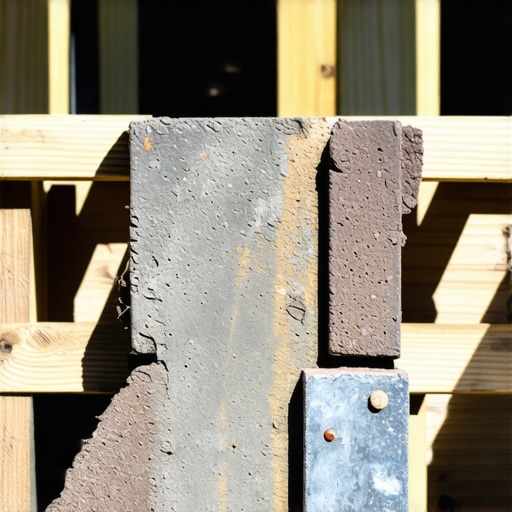
Last July, I hosted a neighborhood barbecue. I was carrying a tray of marinated steaks down from the kitchen, feeling like the absolute king of backyard hosting. Then, I hit the third step of my deck stairs. The wood gave a sickening, springy bounce. My foot slipped, the steaks took a tragic dive into the grass, and my pride was thoroughly bruised. It was that exact moment I realized my stairs weren’t just a transition to the yard—they were a trampoline in disguise. When we invest in beautiful composite decking or hire a professional deck builder to create our dream outdoor living space, we expect everything to feel rock-solid. Yet, bouncy stairs are one of the most common, irritating issues homeowners face.
The Hidden Structural Culprit Under Your Feet
When most people experience shaky or bouncy stairs, their first instinct is to blame the deck boards themselves. I used to think the same thing. Early in my DIY journey, I made the classic mistake of simply throwing extra screws into the tread boards, hoping they would magically tighten up. Spoiler alert: they didn’t. The actual culprit is almost always hiding underneath the surface, specifically in the spacing and support of your stair stringers. According to structural safety reports by the American Wood Council, stairways are subjected to immense dynamic loads, meaning they take a far heavier beating than the flat surface of your main deck. If your builder spaced those stringers too far apart—especially when using modern synthetic materials—you are guaranteed to get that unsettling trampoline effect every time you descend.
Are composite treads actually more prone to bending?
Yes, absolutely, and it is a major surprise to many homeowners. While composite materials are unmatched for durability and low maintenance, they do not possess the same natural structural rigidity as traditional lumber. If you are working with synthetic materials, you cannot rely on standard stringer spacing. You have to adapt. I learned this the hard way after watching my gorgeous new steps sag under the summer sun because I didn’t read the spacing guidelines properly. If you want to dive deeper into making your staircase feel incredibly stable, you might also want to look at the hidden flaw in pre-built deck stairs from big box stores, which often shortcut these critical structural needs.
Today, we are going to look past the surface cosmetic fixes and address the core framing issues. We are going to solve this wobble once and for all so you can walk down your stairs with a full tray of food and absolute confidence. Have you ever stepped on a deck stair and felt that dreaded, spongy dip? Let me know in the comments below, because you are definitely not alone. Now, let’s get into the actual physics of why this happens and how we can reinforce your framing without tearing the whole system down. If you’ve ever wondered how to quickly stiffen the structure without a complete rebuild, check out my guide on how to fix a bouncy deck without adding new posts to get a head start on your weekend project.
Stiffening Your Stair Framework From Below
To eliminate that spongy bounce, you have to treat your stair stringers like the floor joists of your deck. If you span a 2×10 over too long of a distance without support, it will flex. When I was rebuilding my own stairs after the great steak disaster, I realized my three pressure-treated stringers were spanning nearly nine feet without a single point of mid-span support. It was a textbook recipe for a trampoline. The most effective way to eliminate this flexibility without tearing down your beautiful composite decking is to install mid-span blocking or build a hidden helper bearer underneath the stringers.
Sistering the Stringers with Cleats
If you can access the underside of your staircase, you can structurally reinforce the weak points. Sistering involves placing an uncut 2×6 or 2×8 directly alongside the throat of the existing stringer. During my messy first attempt, I tried to wedge a warped piece of standard pine up there, which ended up squeaking worse than the original bouncy steps. I quickly learned that using straight, structural timber secured with structural screws—not nails—makes all the difference. For more details on choosing the right hardware, check out my guide on why I never nail deck boards, which explains why screws hold structural elements together far better over time.
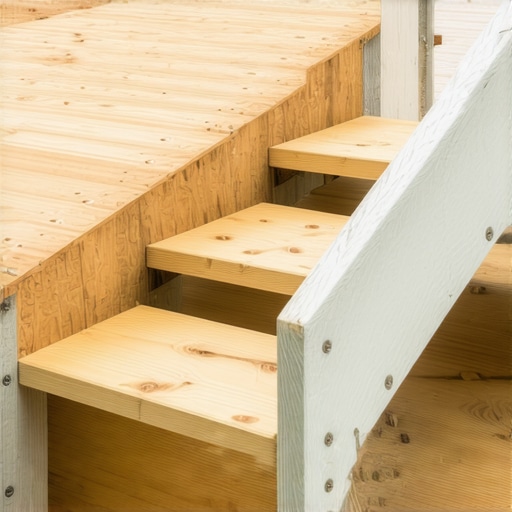
Add a Mid-Span Support Beam
For staircases with more than five or six risers, sistering alone might not cut it. You need a solid point of contact to transfer the load directly to the ground. Building a small, low-profile beam beneath the stairs is the ultimate solution. This involves pouring two small concrete footings, setting short 4×4 posts, and running a double 2×6 beam directly underneath the stringers. When I first attempted this, I tried to skip the concrete footings and just rested the posts on loose patio stones. Within one winter, the frost heaved the stones, pushing the middle of my stairs upward and creating a dangerous trip hazard. That is why your stairs always need proper ground preparation, much like why your deck stairs need a concrete landing pad to remain perfectly stable and level through the seasons.
Install Solid Wood Blocking Between Stringers
Lateral movement is another silent contributor to bouncy stairs. If your stringers can twist or sway side-to-side even slightly when you step on them, the entire staircase will feel unstable. You can solve this by cutting tight, solid wood blocks from leftover framing lumber and placing them between the stringers. I like to install these blocks in a straight line right across the midpoint of the span. Drive three structural screws through the face of the stringer directly into the ends of each block. This simple addition ties the individual stringers into a single, cohesive truss system, distributing your weight across the entire staircase rather than forcing a single piece of wood to bear the full load alone.
Why Standard Stringer Spacing Fails Synthetic Boards
If you are working with synthetic materials, you must adjust your framing layout. Traditional wood stair treads can easily span 16 inches between stringers without bending. However, because composite has no natural grain structure to resist bending, most manufacturers require a maximum stringer spacing of 12 inches on center—and sometimes even 9 inches if you are installing the treads on a diagonal. If you or your deck builder spaced the stringers at the standard 16 inches, the bouncy feeling is actually the composite material sagging between the supports. Adding an extra “dummy” stringer right down the middle is the only way to restore that rock-solid feeling to your high-end outdoor living space.
Why More Wood Won’t Fix Poor Framing Math
Everyone in the DIY community tells you to just double up on framing lumber when things feel loose. In my experience, throwing more weight at a bouncy staircase without fixing the fundamental load distribution actually makes the sag worse over time. If your stairs are bouncing, adding thick wood treads over poorly supported stringers just loads more dead weight onto the sagging structure. According to a structural load study by the American Forest & Paper Association, wood and composite stair systems require targeted resistance against dynamic deflection, not just static bulk. This means you need strategic points of stiffening, rather than blindly adding heavy, un-notched lumber. If you want to bypass these structural headaches completely, consulting with a professional deck builder can save you hours of trial and error.
Why does my staircase bounce even though my stringers are spaced at 12 inches?
This is the ultimate head-scratcher for meticulous builders. You followed the manufacturer rules for high-end composite decking, spaced everything beautifully, and yet you still feel a slight, rhythmic dip when walking down. The culprit here is almost always moisture absorption and thermal expansion of the stringers themselves, or worse, poor anchoring at the top header. If the stringers are not mechanically locked to the rim joist using structural connectors, the entire staircase acts like a massive tuning fork, vibrating back and forth. This is why I always emphasize creating seamless transitions stairs as key elements in outdoor living by securing the top connections with heavy-duty tension ties instead of standard deck screws.
The Risky Shim Trap That Ruins Solid Stairs
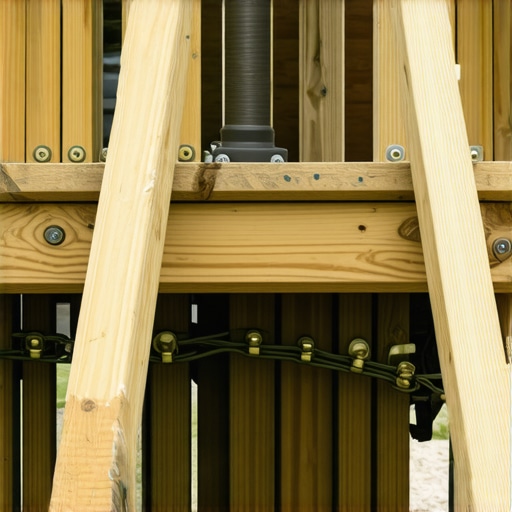
When leveling out a slightly uneven stringer, the temptation to use plastic or cedar shims under the treads is incredibly high. Do not do it. This is a classic trap that works beautifully for about three months until the seasonal humidity shifts. The physical pressure of constant foot traffic eventually pulverizes soft wood shims, while plastic ones tend to slide out under thermal expansion, leaving you with noisy, unstable steps. If you want to know how I combat this without resorting to temporary fixes, read my analysis on why I never use plastic shims for stair stringers. When crafting high-performance outdoor living structures, every component must be structurally permanent.
Have you ever fallen into this trap and had to pull your stair treads back up? Let me know in the comments below. If you want to elevate your design further, make sure to read my guide on why your deck stairs should have closed risers for a modern look, which adds both incredible lateral strength and a clean, premium aesthetic to your backyard build.
My Personal Toolkit for Forever-Solid Stairs
Over the years, I have realized that eliminating bounce from your deck stairs is only half the battle. The real challenge is keeping them that way through seasons of blistering heat, heavy foot traffic, and freezing winter snow. Wood movement is inevitable, but you can control how your framing reacts. When I am working on a staircase, I don’t rely on a standard impact driver alone. I highly recommend using a calibrated torque wrench when tightening structural tension ties at the ledger connection. Over-tightening can crush the wood fibers, while under-tightening allows the staircase to sway. If you are looking to take your structural game to the next level, I suggest reading my guide on the 3-screw fix for squeaky deck stairs, which will save you hours of tracing phantom noises in your frame.
How do I maintain my structural stair integrity over time?
Maintenance isn’t just about cleaning the surface of your high-end composite decking; it is about inspecting the key structural intersections once a year. I make a habit of crawling under my staircase every spring to look for loose joist hangers, rusted connectors, and signs of rot where the timber meets the soil. For the ultimate peace of mind, I apply high-quality butyl joist tape over the top of the sistered stringers before laying down the treads. This simple step prevents trapped moisture from rotting out your support system from the inside. If you want to make sure your lower support structure is equally resilient, you should understand why your deck stairs need a concrete landing pad at the bottom to prevent settling and sinking.
The Future of Deck Framing and Composite Systems
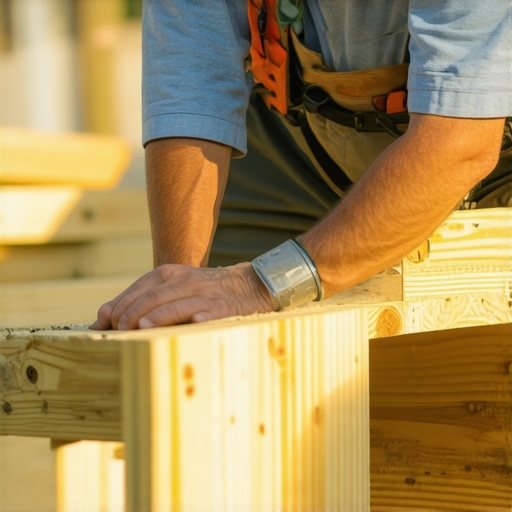
As we look forward, the outdoor living industry is shifting rapidly toward smarter, more resilient materials. I predict that within the next few years, traditional pressure-treated wood stringers will be almost entirely replaced by light-gauge structural steel frames for premium stairs. Steel doesn’t warp, shrink, or bounce, which perfectly matches the long-lasting nature of synthetic boards. Manufacturers like Simpson Strong-Tie are already releasing specialized hardware designed specifically to connect composite materials to steel sub-frames. If you are planning a long-term investment, collaborating with a professional deck builder who understands these advanced framing systems is the best way to future-proof your home. For some inspiration on how these modern structural elements can elevate your backyard aesthetic, check out these innovative stairs solutions for safe outdoor deck access. My challenge to you this weekend is to go outside, step on your lowest stair, and look underneath to see if your stringers are properly supported—try adding solid blocking to just one bouncy span and feel the immediate difference.
Last July, I hosted a neighborhood barbecue. I was carrying a tray of marinated steaks down from the kitchen, feeling like the absolute king of backyard hosting. Then, I hit the third step of my deck stairs. The wood gave a sickening, springy bounce. My foot slipped, the steaks took a tragic dive into the grass, and my pride was thoroughly bruised. It was that exact moment I realized my stairs weren’t just a transition to the yard—they were a trampoline in disguise. When we invest in beautiful composite decking or hire a professional deck builder to create our dream outdoor living space, we expect everything to feel rock-solid. Yet, bouncy stairs are one of the most common, irritating issues homeowners face.
The Hidden Structural Culprit Under Your Feet
When most people experience shaky or bouncy stairs, their first instinct is to blame the deck boards themselves. I used to think the same thing. Early in my DIY journey, I made the classic mistake of simply throwing extra screws into the tread boards, hoping they would magically tighten up. Spoiler alert: they didn’t. The actual culprit is almost always hiding underneath the surface, specifically in the spacing and support of your stair stringers. According to structural safety reports by the American Wood Council, stairways are subjected to immense dynamic loads, meaning they take a far heavier beating than the flat surface of your main deck. If your builder spaced those stringers too far apart—especially when using modern synthetic materials—you are guaranteed to get that unsettling trampoline effect every time you descend.
Are composite treads actually more prone to bending?
Yes, absolutely, and it is a major surprise to many homeowners. While composite materials are unmatched for durability and low maintenance, they do not possess the same natural structural rigidity as traditional lumber. If you are working with synthetic materials, you cannot rely on standard stringer spacing. You have to adapt. I learned this the hard way after watching my gorgeous new steps sag under the summer sun because I didn’t read the spacing guidelines properly. If you want to dive deeper into making your staircase feel incredibly stable, you might also want to look at the hidden flaw in pre-built deck stairs from big box stores, which often shortcut these critical structural needs.
Today, we are going to look past the surface cosmetic fixes and address the core framing issues. We are going to solve this wobble once and for all so you can walk down your stairs with a full tray of food and absolute confidence. Have you ever stepped on a deck stair and felt that dreaded, spongy dip? Let me know in the comments below, because you are definitely not alone. Now, let’s get into the actual physics of why this happens and how we can reinforce your framing without tearing the whole system down. If you’ve ever wondered how to quickly stiffen the structure without a complete rebuild, check out my guide on how to fix a bouncy deck without adding new posts to get a head start on your weekend project.
Stiffening Your Stair Framework From Below
To eliminate that spongy bounce, you have to treat your stair stringers like the floor joists of your deck. If you span a 2×10 over too long of a distance without support, it will flex. When I was rebuilding my own stairs after the great steak disaster, I realized my three pressure-treated stringers were spanning nearly nine feet without a single point of mid-span support. It was a textbook recipe for a trampoline. The most effective way to eliminate this flexibility without tearing down your beautiful composite decking is to install mid-span blocking or build a hidden helper bearer underneath the stringers.
Sistering the Stringers with Cleats
If you can access the underside of your staircase, you can structurally reinforce the weak points. Sistering involves placing an uncut 2×6 or 2×8 directly alongside the throat of the existing stringer. During my messy first attempt, I tried to wedge a warped piece of standard pine up there, which ended up squeaking worse than the original bouncy steps. I quickly learned that using straight, structural timber secured with structural screws—not nails—makes all the difference. For more details on choosing the right hardware, check out my guide on why I never nail deck boards, which explains why screws hold structural elements together far better over time.
Add a Mid-Span Support Beam
For staircases with more than five or six risers, sistering alone might not cut it. You need a solid point of contact to transfer the load directly to the ground. Building a small, low-profile beam beneath the stairs is the ultimate solution. This involves pouring two small concrete footings, setting short 4×4 posts, and running a double 2×6 beam directly underneath the stringers. When I first attempted this, I tried to skip the concrete footings and just rested the posts on loose patio stones. Within one winter, the frost heaved the stones, pushing the middle of my stairs upward and creating a dangerous trip hazard. That is why your stairs always need proper ground preparation, much like why your deck stairs need a concrete landing pad to remain perfectly stable and level through the seasons.
Install Solid Wood Blocking Between Stringers
Lateral movement is another silent contributor to bouncy stairs. If your stringers can twist or sway side-to-side even slightly when you step on them, the entire staircase will feel unstable. You can solve this by cutting tight, solid wood blocks from leftover framing lumber and placing them between the stringers. I like to install these blocks in a straight line right across the midpoint of the span. Drive three structural screws through the face of the stringer directly into the ends of each block. This simple addition ties the individual stringers into a single, cohesive truss system, distributing your weight across the entire staircase rather than forcing a single piece of wood to bear the full load alone.
Why Standard Stringer Spacing Fails Synthetic Boards
If you are working with synthetic materials, you must adjust your framing layout. Traditional wood stair treads can easily span 16 inches between stringers without bending. However, because composite has no natural grain structure to resist bending, most manufacturers require a maximum stringer spacing of 12 inches on center—and sometimes even 9 inches if you are installing the treads on a diagonal. If you or your deck builder spaced the stringers at the standard 16 inches, the bouncy feeling is actually the composite material sagging between the supports. Adding an extra “dummy” stringer right down the middle is the only way to restore that rock-solid feeling to your high-end outdoor living space.
Why More Wood Won’t Fix Poor Framing Math
Everyone in the DIY community tells you to just double up on framing lumber when things feel loose. In my experience, throwing more weight at a bouncy staircase without fixing the fundamental load distribution actually makes the sag worse over time. If your stairs are bouncing, adding thick wood treads over poorly supported stringers just loads more dead weight onto the sagging structure. According to a structural load study by the American Forest & Paper Association, wood and composite stair systems require targeted resistance against dynamic deflection, not just static bulk. This means you need strategic points of stiffening, rather than blindly adding heavy, un-notched lumber. If you want to bypass these structural headaches completely, consulting with a professional deck builder can save you hours of trial and error.
Why does my staircase bounce even though my stringers are spaced at 12 inches?
This is the ultimate head-scratcher for meticulous builders. You followed the manufacturer rules for high-end composite decking, spaced everything beautifully, and yet you still feel a slight, rhythmic dip when walking down. The culprit here is almost always moisture absorption and thermal expansion of the stringers themselves, or worse, poor anchoring at the top header. If the stringers are not mechanically locked to the rim joist using structural connectors, the entire staircase acts like a massive tuning fork, vibrating back and forth. This is why I always emphasize creating seamless transitions stairs as key elements in outdoor living by securing the top connections with heavy-duty tension ties instead of standard deck screws.
The Risky Shim Trap That Ruins Solid Stairs
When leveling out a slightly uneven stringer, the temptation to use plastic or cedar shims under the treads is incredibly high. Do not do it. This is a classic trap that works beautifully for about three months until the seasonal humidity shifts. The physical pressure of constant foot traffic eventually pulverizes soft wood shims, while plastic ones tend to slide out under thermal expansion, leaving you with noisy, unstable steps. If you want to know how I combat this without resorting to temporary fixes, read my analysis on why I never use plastic shims for stair stringers. When crafting high-performance outdoor living structures, every component must be structurally permanent.
Have you ever fallen into this trap and had to pull your stair treads back up? Let me know in the comments below. If you want to elevate your design further, make sure to read my guide on why your deck stairs should have closed risers for a modern look, which adds both incredible lateral strength and a clean, premium aesthetic to your backyard build.
My Personal Toolkit for Forever-Solid Stairs
Over the years, I have realized that eliminating bounce from your deck stairs is only half the battle. The real challenge is keeping them that way through seasons of blistering heat, heavy foot traffic, and freezing winter snow. Wood movement is inevitable, but you can control how your framing reacts. When I am working on a staircase, I don’t rely on a standard impact driver alone. I highly recommend using a calibrated torque wrench when tightening structural tension ties at the ledger connection. Over-tightening can crush the wood fibers, while under-tightening allows the staircase to sway. If you are looking to take your structural game to the next level, I suggest reading my guide on the 3-screw fix for squeaky deck stairs, which will save you hours of tracing phantom noises in your frame.
How do I maintain my structural stair integrity over time?
Maintenance isn’t just about cleaning the surface of your high-end composite decking, it is about inspecting the key structural intersections once a year. I make a habit of crawling under my staircase every spring to look for loose joist hangers, rusted connectors, and signs of rot where the timber meets the soil. For the ultimate peace of mind, I apply high-quality butyl joist tape over the top of the sistered stringers before laying down the treads. This simple step prevents trapped moisture from rotting out your support system from the inside. If you want to make sure your lower support structure is equally resilient, you should understand why your deck stairs need a concrete landing pad at the bottom to prevent settling and sinking.
The Future of Deck Framing and Composite Systems
As we look forward, the outdoor living industry is shifting rapidly toward smarter, more resilient materials. I predict that within the next few years, traditional pressure-treated wood stringers will be almost entirely replaced by light-gauge structural steel frames for premium stairs. Steel doesn’t warp, shrink, or bounce, which perfectly matches the long-lasting nature of synthetic boards. Manufacturers like Simpson Strong-Tie are already releasing specialized hardware designed specifically to connect composite materials to steel sub-frames. If you are planning a long-term investment, collaborating with a professional deck builder who understands these advanced framing systems is the best way to future-proof your home. For some inspiration on how these modern structural elements can elevate your backyard aesthetic, check out these innovative stairs solutions for safe outdoor deck access. My challenge to you this weekend is to go outside, step on your lowest stair, and look underneath to see if your stringers are properly supported—try adding solid blocking to just one bouncy span and feel the immediate difference.
The Critical Hardwood Realizations I Wish I Knew Sooner
When I first tackled framing, I assumed that code compliance automatically guaranteed a premium feel. It does not. Building code is a safety minimum, not a comfort standard. If you build to the absolute minimum code limits, your stairs will still feel like a cheap suspension bridge. Another major shift in my thinking came when I realized that moisture is a dynamic structural enemy; framing lumber swells and shrinks constantly while your composite treads remain dimensionally stable, creating micro-gaps that worsen the bouncy feel over time. Finally, I learned that fixing the rise and run of your stairs is not just about comfort—it is a safety necessity. If you feel like your stairs are unbalanced, check out my analysis on why your deck stairs feel like a ladder and how to fix the rise before you start reinforcing the wood.
My Recommended Structural Hardware Gear
To eliminate wobble permanently, you need specialized hardware designed for harsh outdoor environments. Standard deck screws will not handle the sheer force of foot traffic. Here is what I personally use and trust on every job:
- Simpson Strong-Tie LSCZ Stair Stringer Connectors: These are absolute lifesavers for making a rigid connection between the stringer and the deck frame. No more relying on toe-nailing screws.
- Heavy-Duty Structural Wood Screws: I swap out standard wood screws for structural fasteners like Spax or FastenMaster HeadLok screws, which provide incredible clamping power without needing pre-drilling.
- Butyl Joist Tape: I never lay down a tread without applying a protective layer of butyl tape over the top of the framing. This seals the screw holes and stops rot from loosening your fasteners.
Make the Leap to a Solid Foundation
At the end of the day, your backyard should be a sanctuary of relaxation, not a source of structural anxiety. Taking the time to properly stiffen your framework is what separates a frustrating DIY project from a masterpiece of outdoor living. If you are feeling overwhelmed by the math or physical labor, do not hesitate to contact a professional deck builder to ensure your family’s safety. Invest the effort now, and you will enjoy a wobble-free deck for decades to come.
Have you ever tried sistering your stringers to stop a bounce, or did you have to rebuild them entirely? Let me know in the comments below!