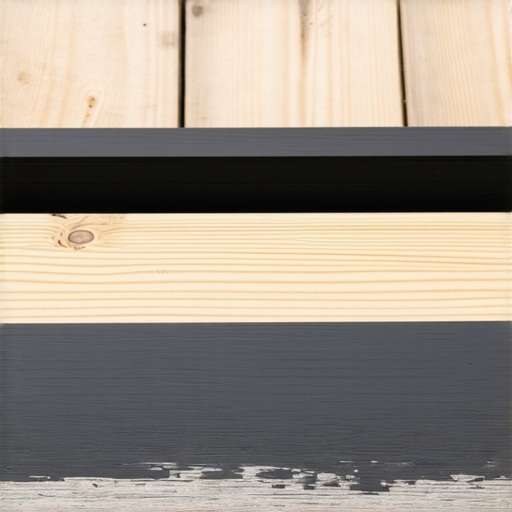
I remember standing on my neighbor’s brand-new deck a few years back, looking down, and seeing nothing but bright, sickly green stripes. He had spent a fortune on premium boards, but the pressure-treated lumber underneath was screaming for attention through every single gap. It was a total mood killer. I’d made the same mistake myself on an early build, thinking the gaps were too small to matter. I was wrong. When you are [maximizing outdoor space](https://deckdesignbuild.com/maximizing-outdoor-space-inspiring-deck-and-stair-ideas-for-every-budget) with high-end materials, the last thing you want is a structural distraction. Today, I’m going to show you why a five-dollar gallon of black paint is the best investment you’ll make for your backyard.
Blacking Out Joists Creates the Shadow Line You Need
When I first started as a [deck builder](https://deckdesignbuild.com/the-benefits-of-working-with-a-professional-deck-builder-in-your-outdoor-projects), I was focused on the big stuff—the structural integrity, the [stairs](https://deckdesignbuild.com/innovative-stairs-solutions-for-safe-outdoor-deck-access), and the permit hurdles. But as I leaned into [composite decking trends 2025](https://deckdesignbuild.com/composite-decking-trends-2025-the-ultimate-guide-for-outdoor-enthusiasts), I realized that luxury is in the details. Painting the tops of your joists black before the boards go down creates a visual ‘void.’ Instead of seeing a piece of wood, your eye sees a deep, clean shadow. It makes the deck surface look like a solid, continuous floor rather than a series of planks. If you’ve ever wondered [how a skilled deck builder](https://deckdesignbuild.com/how-a-skilled-deck-builder-can-turn-your-garden-into-a-private-oasis) achieves that ‘magazine-ready’ look, this is one of the oldest tricks in the book. It is especially vital if you are [choosing the right composite decking](https://deckdesignbuild.com/choosing-the-right-composite-decking-for-durable-low-maintenance-outdoor-areas) in darker shades like mocha or slate, where the contrast with light-colored pressure-treated pine is most jarring.
Is This Extra Step Actually Worth the Hype?
I get it. You’re tired, your back hurts, and you just want to get those boards down. You might think nobody will notice the joists once the furniture is in place. Trust me, you will notice. Every time the mid-afternoon sun hits those gaps, that raw wood will glow. Beyond the looks, there is a longevity argument to be made. While paint isn’t a structural sealant, the mindset of ‘blacking out’ the joists often leads pros to use joist tape, which is the real hero of durability. According to the North American Deck and Railing Association (NADRA), moisture trapped between the board and the joist is a leading cause of premature rot in the substructure. By taking the time to treat the top of the joist, whether with paint or tape, you are learning [how to keep your deck joists from rotting under the boards](https://deckdesignbuild.com/how-to-keep-your-deck-joists-from-rotting-under-the-boards). Have you ever finished a project only to realize a tiny detail you ignored is now the only thing you can see? Let me know if you’ve ever regretted skipping a ‘small’ step like this! We’re about to get into the nitty-gritty of the best materials to use for this vanished-joist effect.
Pick Between Cheap Paint and Premium Tape
You have two main paths when it comes to hiding that subframe: the budget-friendly paint method or the high-performance joist tape route. If you are strictly looking for the visual ‘void’ effect, any flat black exterior latex paint or solid black stain will do the trick. You don’t need anything fancy because the wood will be covered by the boards; you just need to kill the reflection of the light-colored pine. However, if you are also looking for how to protect your deck frame from rot for thirty years, I always suggest using butyl-based joist tape. It’s a thick, black, waterproof membrane that seals the top of the wood and the screw holes. It’s more expensive than a gallon of paint, but it kills two birds with one stone: it creates that deep shadow line while acting as a structural shield. For most of my high-end builds, I use tape on the main joists and save the black paint for the vertical sides of any blocking or the best way to seal the end cuts of pressure-treated lumber to prevent rot.
Speed Up the Job with a Small Foam Roller
Don’t bother with a high-quality brush for this. I use a cheap 4-inch ‘weenie’ roller with a 3/8-inch nap. It fits perfectly on the 1.5-inch width of a standard joist. The trick is to run the roller down the top of every joist after your framing is complete but before you lay a single deck board. You want to be generous with the application so the paint or stain wraps slightly over the top edges—about half an inch down the sides. This ensures that even if a board has a slight crown or the gap is a bit wider than usual, you won’t see a sliver of raw wood peaking through. It’s a fast process; I can usually ‘black out’ an entire 400-square-foot frame in about twenty minutes. If you’re building a complex layout where you’ve doubled up your lumber, remember why we use double joists under every composite seam for a flat floor; those wider 3-inch surfaces are even more prone to reflecting light, so make sure they get a heavy coat. 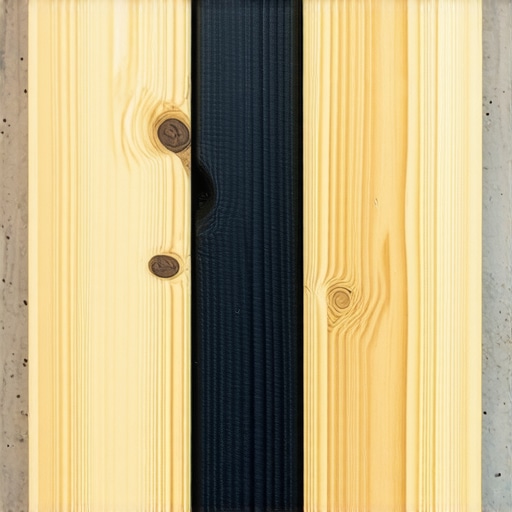
Avoid the Barcode Effect on Large Spans
I learned the hard way about the ‘barcode effect’ during a massive build in Branson a few summers ago. We were installng a beautiful dark mocha composite, and in my rush to beat a rainstorm, I skipped the blacking out process on the last twelve feet of the deck. When the sun came out the next morning, that section looked like it was striped with lime-green neon. From the ground looking up, and from the house looking down, the joists were screaming for attention. I ended up spending four hours on my hands and knees with a tiny artist’s brush, trying to paint between the gaps of the finished floor. It was miserable. Beyond the aesthetics, taking this time allows you to double-check your spacing. Since you are looking at the tops of every joist anyway, it’s the perfect moment to ensure your gaps are consistent, which is also how to stop your deck boards from creaking in the summer heat by preventing board-on-board friction. When you are why picture framing your deck is more than just a style choice, that dark border creates a high-contrast edge that only looks right if the interior shadows are deep and uniform. Don’t let a tiny bit of green wood ruin a five-figure investment.
While that five-dollar gallon of black paint works wonders for the ‘visual void,’ the real expertise lies in understanding what’s happening underneath the surface. Many homeowners, and even some rookie crews, fall into the trap of thinking a thick coat of paint acts as a structural sealant. It doesn’t. In fact, if you’re not careful, you can create a ‘moisture sandwich.’ This happens when water gets trapped between the bottom of your deck board and the painted top of the joist, with no way to evaporate. I’ve seen frames that should have lasted thirty years rot out in ten because the builder ‘protected’ them too well without considering airflow.
Beyond the Shadow and Why Breathability is Your Best Friend
The contrarian view in high-end deck building is that less is often more when it comes to liquid coatings on the subframe. You aren’t trying to waterproof the wood with paint; you are merely changing its color. A study by the USDA Forest Products Laboratory emphasizes that wood decay thrives when moisture content stays above 20% for extended periods. If you slop on a thick, non-breathable oil-based paint, you might actually be trapping water in the grain. This is why I always prioritize learning how to protect your deck frame from rot for thirty years through a combination of high-quality butyl tape and proper ventilation. The tape seals the fastener holes, while the rest of the joist remains free to ‘breathe’ and shed seasonal humidity.
Can You Actually Seal a Deck Subframe Too Well?
The short answer is yes. If you encase the entire joist in a non-breathable membrane or heavy paint, you’re asking for trouble. Moisture will always find a way in—usually through check marks or end-cuts—and if it can’t get out, it eats the wood from the inside. This is a common nuance often missed by those choosing the right composite decking solely based on top-side aesthetics. You also need to consider how to vent the space under your deck to prevent mold and wood rot, especially on low-profile builds where ground moisture is a constant threat. I’ve gone back to jobs where the homeowner complained about ‘cupping’ boards, only to find the subframe was so saturated it was literally pushing the boards upward.
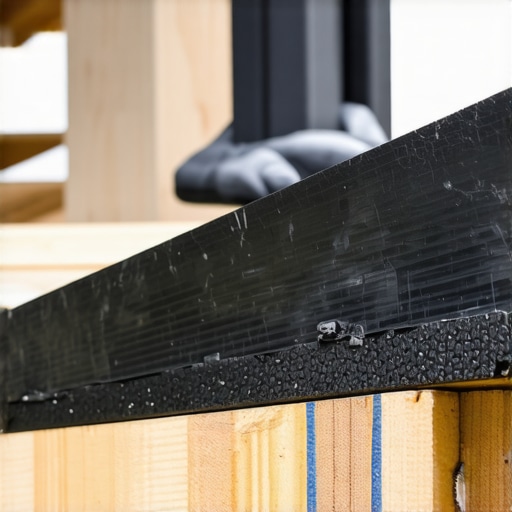
Another ‘oops’ factor involves the temperature of those dark shadows. We know why your composite boards are expanding more than expected in the summer heat: it’s all about thermal gain. While blacking out the joists looks great, it can also absorb more heat, slightly increasing the temperature of the air gap between the board and the frame. This isn’t a dealbreaker, but it’s why I never use standard wood for certain elements and why using the best fastener for building a deck in a high moisture area is non-negotiable. Those fasteners need to handle the micro-movements of boards expanding and contracting over a dark, heat-absorbing subframe without snapping or causing how to stop your deck boards from creaking in the summer heat. Have you ever fallen into the trap of over-sealing your project only to deal with moisture issues later? Let me know in the comments!
I used to spend hours with a framing square and a pencil, sweating over a stack of 2x12s and praying I didn’t miscalculate a single rise. Now, I don’t even start a project without my Stair Wizard or a similar tread template tool. If you want to master the trick to cutting perfect deck stringers on the first try, you have to stop relying on luck and start using precision jigs. These tools allow you to lock in the exact depth and height of your treads, which is vital when you are designing safe and stylish stairs for outdoor decks in 2025. It turns a stressful afternoon of math into a simple game of ‘trace and cut.’ If you’re building solo, this isn’t just a luxury; it’s a necessity for professional results.
Why I Swapped My Tape Measure for a Digital Template on Complex Stairs
Beyond the physical tools, I’ve fully embraced 3D modeling for every build. I realized early on that a hand-drawn sketch doesn’t cut it when you’re trying to explain why a wrap-around staircase is the best choice for multi-level yards. Using a digital designer is the best move for planning a complex backyard deck because it catches structural conflicts before you buy a single board. You can see exactly how the shadows fall, where the joists will visible, and even how the innovative stairs solutions for safe outdoor deck access will interact with your existing landscape. It’s about more than just a pretty picture; it’s about avoiding the ‘rip it out and redo it’ tax that kills your budget.
The Steel Revolution is Coming for Your Wood Frame
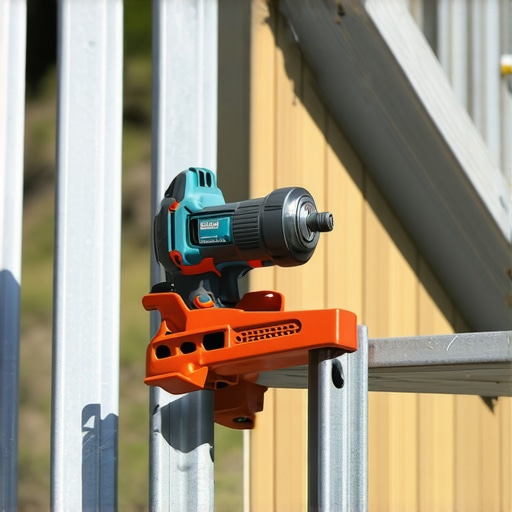
If you ask me where the industry is headed, the answer is light-gauge steel. I’m seeing more homeowners move away from pressure-treated lumber entirely for the subframe. According to the Cold-Formed Steel Engineers Institute (CFSEI), steel deck framing offers a strength-to-weight ratio and dimensional stability that wood simply cannot match, especially in regions with extreme temperature swings. When you consider the hidden benefit of using steel deck framing instead of wood, the main win is that it stays perfectly flat forever. No crowning, no warping, and no rotting. This is the ultimate way to ensure your innovative outdoor living ideas with composite decking in 2025 actually last the thirty or forty years the manufacturers promise.
How do I maintain my composite deck without losing my weekends?
The beauty of modern materials like choosing the right composite decking is that ‘maintenance’ usually just means a garden hose and some mild soap. However, long-term success involves checking the ‘hidden’ spots once a year. I recommend a quick walk-under every spring. Look for any debris trapped in the gaps, as this can hold moisture against the joists. You should also know why you should never use a pressure washer on composite decks; the high pressure can etch the surface and create permanent scars. Instead, use a soft-bristle brush for stubborn spots. If you want your space to look like it was built by a skilled deck builder for years to come, treat it like a kitchen floor—not a driveway. My big tip? Invest in a high-quality tread template for your next set of stairs; it will change the way you build forever.
Everything I Learned the Hard Way While Staring at Joists
I spent years thinking that speed was the only way to be a profitable deck builder. I was wrong. The time you ‘lose’ painting the tops of joists or taping them is recovered ten-fold when you do not have to deal with call-backs or unhappy clients who cannot unsee a strip of green wood. One lightbulb moment was realizing that how to hide the gap between your deck and the house siding is just as important as the floor itself for a high-end look. Finally, never trust your eyes on a forty-foot run—always pull a string line to ensure your boards stay straight. Precision is not just about aesthetics; it is about the long-term structural health of the home.
The Gear That Actually Lives in My Truck
If you are serious about your craft, get a Stair Wizard or a similar tread template tool. It is the difference between stairs that feel ‘okay’ and stairs that feel like they were carved out of stone. I also swear by butyl-based joist tapes; once you see how they seal around a screw to prevent rot, you will never build without them. For the planning phase, I rely on deck builder insights designing your dream outdoor space to help homeowners visualize why the bracket that makes your deck stairs feel rock solid is worth the extra investment. These tools do not just save time; they ensure the results match the vision in your head.
#IMAGE_PLACEHOLDER_E#
Building More Than Just a Floor
At the end of the day, we are not just slapping boards together; we are creating the backdrop for summer BBQs, morning coffees, and family reunions. Taking that extra twenty minutes to black out your joists is a sign of a craftsman who cares about the details. As you move forward with your transform your outdoor living with custom composite decking ideas, remember that the most beautiful decks are built on a foundation of small, smart choices. Your outdoor living space is an extension of your home—build it with the same care you would use for your living room floor. Have you ever noticed that annoying ‘glow’ between deck boards on a sunny day, or did you find a better way to hide it? Let me know in the comments below!