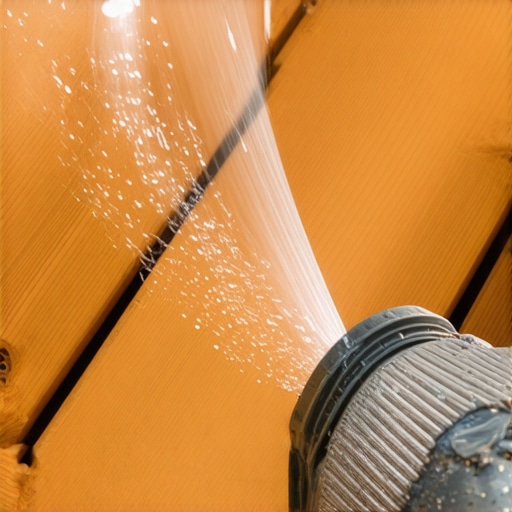
I will never forget the sickening feeling of watching my expensive deck boards start to ‘fuzz’ right before my eyes. It was a sunny Saturday morning, and I had just bought a high-powered pressure washer, thinking I was being the ultimate proactive homeowner. I aimed the nozzle at a stubborn bird dropping on my stairs, pulled the trigger, and instead of a clean surface, I saw the composite material literally shredding under the force. That ‘clean’ spot became a permanent scar on my outdoor sanctuary. If you are looking into choosing the right composite decking for durable low-maintenance outdoor areas, the last thing you want to do is destroy that durability in ten minutes with a tool that is simply too aggressive for the job. We invest thousands into these spaces, yet one misguided cleaning session can undo years of careful planning and construction. [image_placeholder_1]
The Hidden Danger Under That High-Pressure Stream
Most of us buy composite because we want to spend our weekends relaxing, not scrubbing. We see the latest composite decking trends for 2025 and dream of a perfect, sleek surface that stays beautiful forever. But here is the reality: composite is a carefully engineered blend of wood fibers and plastic. While it is incredibly tough against rot and insects, it is surprisingly vulnerable to concentrated, high-pressure water. When you blast it, you are not just removing dirt; you are often forcing water deep into the pores or compromising the protective ‘cap’ layer that gives the board its color and UV resistance. I learned this the hard way on my own first deck. According to the International Association of Certified Home Inspectors, high-pressure water can actually degrade the structural integrity of various building materials and cause premature failure of finishes. For composite boards, it is essentially like using a sandblaster when all you needed was a wet rag.
Does My Deck Really Need Such a Gentle Touch?
You might be thinking, ‘But it is partially plastic! How can water hurt it?’ I thought the same thing until I saw the permanent etching I had left behind. The pressure can actually ‘delaminate’ the boards, causing the outer layer to peel away from the core. Once that happens, there is no magic fix; you are looking at an expensive replacement or a deck that looks permanently damaged. If you have already noticed some weird texture issues or if your deck feels bouncy for other reasons, adding surface water damage into the mix is a recipe for a total teardown. I want to help you avoid the panic I felt that morning. Today, we are going to walk through exactly why this happens and what you should be doing instead to keep that finish looking brand new without the risk of an expensive mistake. Have you ever been tempted to just ‘blast’ away the grime on your deck because it seemed easier than a scrub brush?It is a tempting shortcut, but think of your deck boards like a high-end leather jacket. You would not use a fire hose to clean mud off your favorite coat, and your composite surface requires that same level of respect. To get that showroom look without the risk, you need to shift your focus from raw power to the right chemistry and mechanical action.
Use a Fan Tip Not a Jet Stream
If you absolutely feel the need to use a pressure washer, you have to treat it like a delicate instrument. Use a fan-shaped tip—usually the green or white one—and keep it at least 12 inches away from the surface. I once watched a neighbor try to get a bit of dried gum off his stairs with the ‘zero-degree’ red tip; it did not just take the gum off, it took a quarter-inch of the board with it. He ended up needing designing safe and stylish stairs for outdoor decks in 2025 much sooner than he planned because those treads became a permanent tripping hazard. Always move the wand in the direction of the grain, never across it, to avoid creating ‘cross-hatch’ scars that catch the light.
Scrubbing Secrets That Protect Your Finish
The most effective tool in your arsenal is not a machine; it is a long-handled, soft-bristle brush. Think of it as a giant toothbrush for your outdoor living space. When I was first learning expert deck builder tips for stunning outdoor living, an old pro told me that mechanical agitation does 90% of the work that people try to force high-pressure water to do. By using a gentle circular motion with a specialized composite cleaner or simple dish soap, you lift the dirt out of the wood-grain texture rather than pinning it down or forcing it into the material’s core. 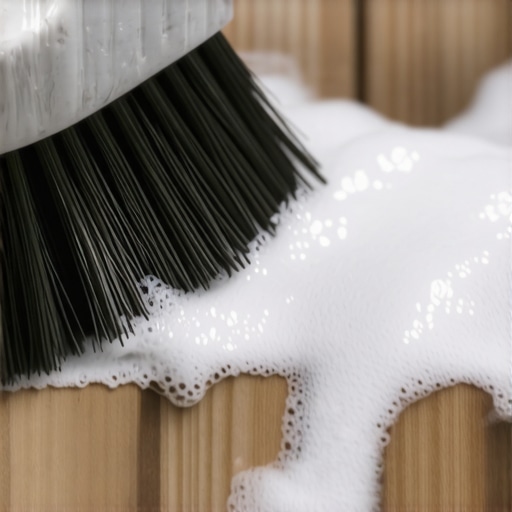
Why Your Choice of Soap Matters More Than Pressure
Avoid bleach at all costs. I learned this the hard way when I tried to whiten some ‘moldy’ looking spots on a gray deck. The bleach did not just kill the mold; it ate into the plastic binders of the boards, leaving them chalky and prone to permanent staining later. Instead, look for ‘sodium percarbonate’ based cleaners. They fizz up and lift organic matter without stripping the UV inhibitors. This is particularly important when you are trying to find the best way to clean bird droppings off dark brown composite boards, as dark colors show chemical damage and ‘fading’ much faster than lighter earth tones.
How to Handle Grease and Grime the Right Way
If you have been hosting a lot of summer cookouts, you are eventually going to deal with a burger landing face-down on your deck. Do not reach for the pressure washer. For oil-based messes, you need a degreaser. I once had a grease spill from a grill that I tried to ‘blast’ away, and I only succeeded in pushing the oil deeper into the wood-fiber pores, creating a permanent dark shadow. Now, I apply a concentrated grease-cutting dish soap immediately and let it sit for ten minutes before a light scrub. Understanding how to clean grease stains off composite without ruining the finish is about patience, not power. Rinse it with a standard garden hose, and the stain will lift right out without compromising the board’s integrity.
Stop Believing the Maintenance-Free Myth
Many homeowners buy into the marketing that composite decking is a set-it-and-forget-it product. In my years as a builder, I have seen this mindset lead to more deck failures than actual product defects. While the boards won’t rot like cedar, the organic debris that gets trapped in the gaps creates a ‘micro-compost’ pile. This leads to the very mold and mildew you were trying to avoid. Everyone says composite is invincible, but in my experience, ignoring the gaps is the fastest way to invite trouble. If you find your composite boards are expanding more than expected, it is often because that trapped moisture is creating localized heat and pressure that the engineering can’t handle. Don’t fall into the trap of thinking a clean surface equals a healthy deck.
Will My Composite Decking Still Look New in Ten Years?
The short answer is yes, but only if you respect the physics of the material. A common advanced mistake is ignoring the importance of airflow. According to the North American Deck and Railing Association (NADRA), proper ventilation is the most overlooked factor in deck longevity. If you don’t keep the underside of the deck clear of debris, you are effectively baking the plastic from the bottom up. This is why the spacing secret for installing composite decking in winter is so critical; it accounts for the thermal movement that protects the structural integrity of the entire system. Have you ever fallen into this trap of thinking ‘clean enough’ was good enough? Let me know in the comments. 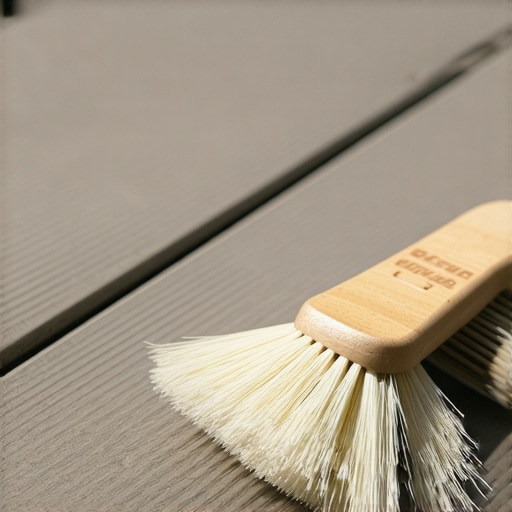
The Structural Flaw Most DIYers Ignore
When we talk about ‘outdoor living,’ we often focus on the aesthetics, but the nuance is in the stability. I often see beautiful composite decks paired with shaky stairs because the builder treated the composite like wood. Composite has a higher ‘flex’ than pressure-treated lumber. This means stair treads need more than just screws to stay quiet and feel solid. If you don’t use the right adhesive and blocking, those expensive boards will eventually squeak and shift. On larger builds, I always insist that we always double block the middle of a long stair run for stability. This prevents the ‘bounce’ that makes guests feel uneasy. True expertise isn’t just about how you wash the surface; it’s about knowing how to keep your deck joists from rotting under the boards by ensuring that water and air flow freely through every connection point. Building a deck that lasts thirty years requires looking past the surface and respecting the science of the materials.I have spent a lot of time talking about the ‘dont’s,’ but let’s pivot to the ‘must-haves’ that keep a deck looking like a magazine spread for decades. In my own shed, you won’t find a gas-powered pressure washer anymore. Instead, I keep a high-quality Unger telescopic pole with a soft-nylon brush head. I use it because it lets me reach the corners of the stairs without bending over, ensuring I never miss the spots where organic matter likes to hide. For the cleaning solution, I strictly stick to oxygen-based bleaches rather than harsh chemicals. If you’ve been searching for the best way to clean bird droppings off dark brown composite boards, you already know that a gentle touch and the right chemistry are your best friends. Beyond the surface, I’ve become obsessed with ‘flashing tapes.’ When I am focusing on how to protect your deck frame from rot for thirty years, I apply a butyl-based tape to the top of every joist. It is a small investment—maybe a couple of hundred dollars—but it stops the wood from rotting underneath your indestructible composite boards. I’ve seen decks where the surface looks brand new, but the frame underneath was basically oatmeal because the installer skipped this simple step. 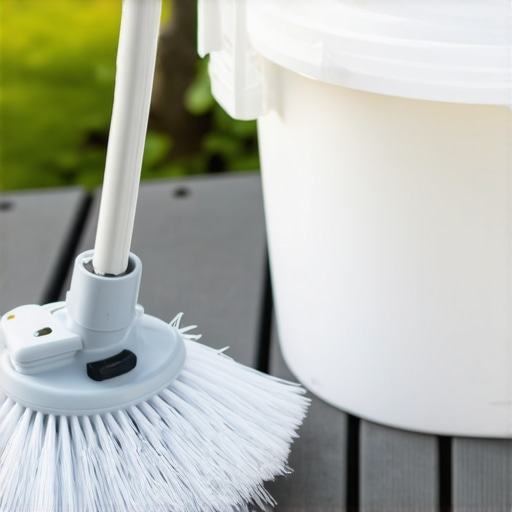
How do I maintain my deck’s structural integrity over time?
Maintenance isn’t just about a spring scrub; it’s about a five-minute inspection every autumn. I take a flashlight and go underneath to look for ‘weeping’ or signs of movement at the house connection. You can use the simple way to check if your deck ledger is pulling away from the house to ensure your family is safe before the heavy snow or holiday gatherings. I also keep a box of structural screws on hand for quick repairs. I’ve found that the reason we use structural screws instead of old-fashioned lag bolts is that they offer superior shear strength and don’t snap under the immense pressure of a deck’s seasonal thermal movement. According to the American Wood Council’s DCA 6 – Prescriptive Residential Wood Deck Construction Guide, following a specific fastener schedule and using corrosion-resistant hardware is non-negotiable for preventing catastrophic ledger failure. Looking ahead, I predict we are going to see ‘smart’ composite boards hit the mainstream by 2030. Imagine a deck with embedded sensors that alert your phone when moisture levels under the boards are too high or when a joist has shifted slightly. Until that tech arrives, we rely on good old-fashioned craftsmanship. If you are still in the planning phase, I highly recommend you look into why picture framing your deck is more than just a style choice. It seals the ‘cut ends’ of your boards, which are the most vulnerable parts of the material to moisture absorption. My challenge for you: Grab a flashlight this weekend and do a quick crawl under your deck. If you see any standing water or signs of rot on the joists, it’s time to learn how to keep your deck joists from rotting under the boards before the damage spreads to your expensive surface finish.
Hard Truths from a Decade on the Decking Frontlines
I’ve realized that composite decking isn’t just a material; it’s a living part of your home’s ecosystem that reacts to every season. One thing the marketing never tells you is that your furniture choices can be your worst enemy—if you don’t use rubber-backed rugs or felt pads, those ‘invincible’ boards will develop micro-scratches that trap dirt. Also, pay attention to your fastener choices. Over time, I’ve learned the reason we use structural screws instead of old-fashioned lag bolts is because they better accommodate the subtle thermal expansion that causes standard hardware to loosen or snap. Finally, remember that your stairs are the high-traffic gateway to your home. Keeping the stair tread depth that feels safest for kids and the elderly free of slippery algae isn’t just about looks; it’s about making sure your outdoor living space remains a safe haven for everyone.
[image_placeholder_5]
The Gear I Actually Use Every Season
You don’t need a massive storage shed for tools, just a few high-quality items that respect the material. First, a telescoping soft-bristle brush is non-negotiable—it provides just enough agitation to lift grime without the violence of high-pressure water. Second, I always keep a bottle of pH-neutral cleaner on hand; it’s much safer than the harsh acids found in some ‘all-purpose’ cleaners. If you are managing a complex layout, such as why tiered decks are the superior choice for steeply sloped backyards, a small handheld cordless leaf blower is your best friend for keeping those tight corners clear of moisture-trapping leaves. These simple tools ensure your deck builder-approved finish stays showroom-ready.
Protect the Sanctuary You Worked Hard to Build
Your deck is more than just a collection of boards and screws; it’s the stage where your family makes memories. By ditching the high-pressure mindset and adopting these gentle, pro-level habits, you ensure your composite decking looks as vibrant and welcoming in twenty years as it does today. Don’t be afraid to take it slow and focus on the details that matter. Use these deck-builder insights designing your dream outdoor space to keep your momentum going and protect the investment you’ve worked so hard for. Have you ever accidentally damaged a surface while trying to clean it? Share your ‘oops’ moments or your favorite cleaning hacks in the comments below!