
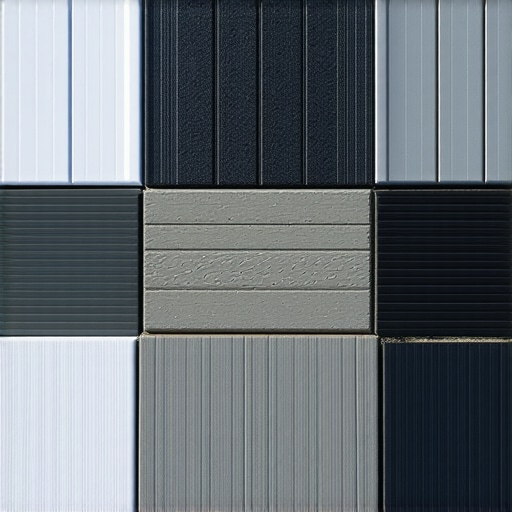
I remember the day I realized that my sloped outdoor stairs had become a danger zone rather than an inviting entry. It was a rainy morning, and as I hurried to grab the newspaper, I felt that dreaded slip under my foot. That moment hit me hard—proper grip and safety can’t be an afterthought, especially on a sloped entryway. If you’ve faced similar worries, you’re not alone. The good news is, I’ve found effective solutions, and today I want to share how 5 high-traction composite boards can make your 2026 outdoor stairs safer, more durable, and visually appealing.
Why Safety and Style Should Go Hand-in-Hand in Your Outdoor Entryway
We’re living in an era where outdoor living spaces are more vital than ever. But as homeowners, we often push aesthetics over safety—until that first slip or fall forces a rethink. Sloped entryways are especially tricky because they’re prone to water pooling, moss, and algae—making them slick and hazardous, particularly when weather turns wet. And with 2026 just around the corner, staying ahead of the game means choosing the right materials now.
High-traction composite decking is not a fad; it’s a necessity for those of us who want to enjoy our outdoor spaces without fearing a fall. Unlike traditional wood, composite boards offer low maintenance, longevity, and—most importantly—enhanced grip that keeps your family safe. I made the mistake early on of choosing glossy or smooth decking, only to find myself slipping more often than I’d like—imagine my embarrassment and concern. That’s when I started exploring safer options, which led me to discover the remarkable benefits of textured, high-traction composite boards.
Research by the National Institute for Occupational Safety and Health indicates that slip-resistant surfaces significantly reduce fall injuries, especially in outdoor environments. This evidence cemented my decision to invest in safer materials for my stairs. Now, I want to make sure that you don’t repeat my mistakes. Whether you’re planning a complete overhaul or just a facelift, the right composite decking can drastically improve your home’s curb appeal and safety.
Ready to learn which materials deliver on these promises? Let’s dive into understanding the best high-traction options for 2026, so your outdoor stairs can be both beautiful and safe for years to come.
Prepare Your Workspace and Gather Materials
Begin by clearing the area around your stairs, removing any debris, loose boards, or old paint that could impede smooth installation. Measure the total length and width of each step to determine the amount of high-traction composite boards needed. Choose a textured, slip-resistant composite decking suitable for outdoor stairs—check out options discussed in this guide. Gathering proper fasteners, such as corrosion-resistant nails or screws, is crucial—avoid plastic clips, which can fail over time, as explained in this article. Set up your workspace with adequate lighting and safety gear to ensure a smooth process.
Remove Old Boards and Prepare Supports
If replacing existing stairs, carefully remove old decking boards with a pry bar. Inspect underlying supports—stringers and framing—look for signs of rot or damage, which must be addressed before installing new boards. Reinforce weak supports with additional framing or steel brackets, following tips from this resource. For a cleaner look, consider hidden support systems like steel stringers that won’t detract from the aesthetics or safety of your steps.
Cut Composite Boards to Fit Precise Measurements
Use a fine-tooth saw or a circular saw with a carbide blade for clean, precise cuts. Measure each step individually, accounting for overhangs and riser heights, to ensure a flush fit. Wear safety goggles and ear protection during cutting. Remember, accurate measurements prevent gaps or uneven surfaces that can cause trips or slips. For a neater appearance, consider pre-cutting all boards before installation, and double-check measurements for every piece.
Install Treads and Risers Systematically
Lay the cut boards onto the supports, starting from the bottom for convenience. Secure each board with corrosion-resistant fasteners—drill pilot holes first to prevent splitting. For extra grip, pre-drill with a slightly smaller bit, especially on textured surfaces. Use a level to maintain evenness across treads, and ensure risers are aligned perfectly to avoid tripping hazards. For a professional finish, countersink fasteners to sit flush with the surface, which not only improves safety but also enhances aesthetic appeal. Check out this guide for hidden fastening tricks.
Apply Finishing Touches and Verify Stability
Once all boards are secured, walk over the stairs to check for wobbling or loose sections. Tighten any loose fasteners, and add additional support brackets where needed—especially on unsupported spans. Consider sealing or treating the composite surface for added durability, following tips from this article. Finally, clean the surface with a mild soap solution or composite-specific cleaner to remove sawdust and fingerprints, ensuring your stairs look as good as they are safe.
Maintain the Safety and Looks Over Time
Routine inspections should become part of your maintenance routine—look for signs of damage or wear, especially after harsh weather. Re-tighten fasteners periodically and keep the surface clean to prevent moss or algae build-up, which can compromise traction. Using high-quality composite decking, as recommended in this resource, ensures longevity and safety for years to come.
Many homeowners believe that choosing durable materials like composite decking automatically guarantees safety and longevity, but in my experience, that’s only half the story. One common misconception is that all composite boards offer the same grip, when in reality, many are marketed as slip-resistant but fall short under real-world conditions. For example, textured surfaces labeled as high-traction can vary significantly in performance, especially when algae or moss develops—a problem that becomes even more critical in sloped outdoor stairs. Some assume that simply installing a popular brand suffices, but failure to consider factors like proper installation techniques and support framing often leads to issues like warping, squeaking, or even dangerous bounciness over time.
A crucial nuance overlooked by many is the importance of detailed planning around expansion and contraction. Composite boards expand with heat, and ignoring this can cause unsightly gaps or uneven surfaces—potential hazards for trips and falls. Taking the time to understand how to accommodate these movement patterns through proper spacing and supported framing can significantly enhance safety and appearance.
Another trap is the overconfidence in aesthetics overshadowing functional design. Sure, a sleek, modern look appeals, but neglecting the practicality of tread depth, riser height, and slip-resistance features can compromise safety, especially in wet conditions. An advanced homeowner might ask: “How can I combine aesthetics with the functional safety features that are often overlooked?” Incorporating wider treads and using non-slip composite boards in critical areas can make the difference. For further insights on innovative safety and design features, check out this detailed guide.
Myth-busting also reveals that some believe regular maintenance alone can fix issues like expansion gaps or warping. However, a proactive approach, such as applying specialized sealants to support framing and regularly inspecting fasteners, is essential. External studies, including those published by the Building Research Establishment, confirm that preventive maintenance and precise installation are key to maximizing your investment and ensuring lasting safety.
In sum, understanding these nuances—is your material choice suitable for your climate? Are your installation practices aligned with best standards?—can elevate your outdoor space from merely attractive to truly safe and durable. Remember, even the best composite decking will fall short if not installed and maintained with attention to detail.
Are you making any of these common mistakes? Let me know in the comments. To optimize your project, consider exploring expert tips and innovative ideas through resources like this article.
Maintaining your outdoor decking and stairs isn’t just about occasional cleaning; it requires the right tools and a strategic approach to ensure longevity and safety. Over the years, I’ve fine-tuned my toolkit to handle everything from routine inspections to complex repairs, and I want to share some of my top recommendations that are invaluable for any homeowner committed to keeping their outdoor spaces in prime condition.
Invest in a Quality Cordless Rotary Tool
This versatile device is my go-to for detailed work like cleaning textured surfaces or sanding small areas. I prefer models with variable speed controls, such as the Dremel 4300, because they allow precise control when removing moss or minor surface imperfections without damaging the composite decking’s textured finish. Its compact size makes it perfect for tight corners and intricate repairs.
Use a Digital Moisture Meter for Early Detection
Moisture issues can silently compromise your deck supports and stair stringers. I’ve been using a FLIR moisture meter to monitor hidden areas beneath the surface. Consistent readings help me identify potential rot before it becomes visible, enabling proactive maintenance. Given that rot can develop behind decking boards and supports rapidly, early detection is crucial—especially in climates prone to high humidity or heavy rainfall.
Power Washer with Adjustable Settings
Regularly cleaning your decking with a pressure washer keeps moss and algae at bay, maintaining slip resistance. However, I recommend using models like the Kärcher K5 Power Control equipped with adjustable pressure settings and a rotating brush attachment. This setup ensures thorough cleaning without eroding the textured surface or causing damage to the composite material, which can be a concern with high-pressure or improper techniques.
Applying Sealants and Support Treatments Correctly
Most homeowners overlook the importance of sealing supports and joints. I personally use a high-quality, breathable sealant like this recommended sealant to extend the lifespan of the support framing. Proper application every few years insulates against moisture penetration, preventing rot and maintaining structural integrity over time.
Looking ahead, I predict that advancements in smart maintenance technology, such as IoT sensors that monitor moisture and structural fatigue in real-time, will revolutionize how we care for outdoor decks. Until then, combining these tools with regular inspections will serve you well. Try integrating a digital moisture meter or a versatile rotary tool into your maintenance routine—these small upgrades can make a significant difference.
How do I maintain my stairs and decking over time?
Routine visual inspections combined with proactive measures like tightening fasteners, cleaning textured surfaces with a rotary tool, and monitoring moisture levels will keep your outdoor spaces safe and attractive for years. Remember, a little preventive work today saves substantial repairs tomorrow, especially as weather patterns become more unpredictable. For comprehensive ideas on upgrading your outdoor space, check out this inspiring guide.
What I Wish I Knew Before Installing Safer Outdoor Stairs
One of the most surprising lessons I learned was how small details, like proper support reinforcement and precise measurements, can make a significant difference in safety and durability. I once underestimated the importance of leave enough expansion gaps, which led to unsightly and hazardous gaps over time. That moment taught me to pay closer attention to manufacturer guidelines and environmental factors.
Another realize was that textured, high-traction composite boards require diligent cleaning to maintain their grip. It’s tempting to think they’re maintenance-free, but neglecting regular cleaning can cause moss and algae buildup, defeating their purpose. Investing in the right tools, like a versatile rotary tool and a good power washer, has saved me from future repairs and safety concerns.
Finally, I learned that understanding the climate’s impact on composite materials helps in choosing the right products. Some brands perform poorly under intense heat or humidity, leading to warping or fading. Gathering knowledge from trusted sources and honest reviews has empowered me to make better decisions, ensuring my outdoor stairs remain safe and beautiful for years to come.
My Go-To Resources for Safer Outdoor Living
Over the years, I’ve curated a toolkit that keeps my outdoor stairs in top shape. The Dremel 4300 rotary tool is invaluable for detailed cleaning, especially textured surfaces prone to moss buildup. For early detection of hidden issues, a FLIR moisture meter helps me spot trouble before it becomes serious, saving time and money. My power washer, the Kärcher K5 Power Control, offers adjustable settings that ensure thorough cleaning without damaging the composite material. Lastly, I rely on expert advice from trusted guides to stay updated on best practices and the latest product innovations. These resources have been instrumental in helping me maintain stairs that are both safe and inviting.
Your Next Step Toward Outdoor Safety and Style
Taking action today can transform your outdoor stairs from a potential hazard to a stunning feature that enhances your home’s curb appeal. Remember, safety and style aren’t mutually exclusive—by selecting textured composite boards, ensuring precise installation, and committing to regular maintenance, you can create a space that your family can enjoy for years. The key is to stay informed, invest in quality, and pay attention to the details. Your outdoor living space deserves it, and with the right approach, so do your loved ones.
Have you ever faced challenges installing or maintaining outdoor stairs? Share your experience below, and let’s learn together how to keep our outdoor spaces both beautiful and safe!
,