
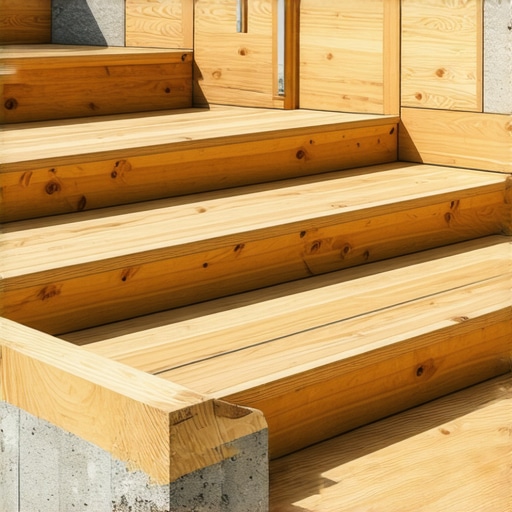
I remember the moment vividly—standing on my newly built deck and noticing those unsightly screw heads peeking out from every stair tread. It was like a blemish on a beautiful canvas. That little detail sparked a frustration that many outdoor enthusiasts and DIYers share: how to secure deck stairs so they look pristine and modern, without those glaring visible screws. If you’ve ever felt the same way, you’re not alone. Many of us want a sleek, seamless look that elevates our outdoor living spaces without sacrificing durability or safety.
Why This Issue Matters for Your Outdoor Space
One of the biggest hurdles in outdoor deck design is achieving a professional finish. Visible screws not only detract from the aesthetics but can also lead to faster deterioration of the wood or composite materials due to moisture ingress around screw holes. Plus, exposed fasteners can pose tripping hazards or become loose over time, increasing safety concerns. Interestingly, according to recent trends in outdoor living, a clean, screw-free appearance significantly boosts the value and appeal of your deck—making it look more polished and inviting.
But here’s the kicker: many DIYers make a common mistake early on—they assume that visible fasteners are unavoidable or that hiding them will compromise the integrity. I learned this the hard way when I tried to conceal screws with filler, only to find that they popped out during seasonal movements. That taught me that the right fastening methods can provide both beauty and strength.
Is Hidden Fastening Really Worth All the Hype?
It’s natural to be skeptical. After all, sacrificing accessibility or ease of installation might seem like a workaround. I admittedly was wary at first—thinking, “Will these hideous-looking nails be reliable?” However, after researching and experimenting, I discovered that modern hidden fastening systems not only look great but also stand up to the elements remarkably well. A professional approach, such as using quality concealed fasteners, can actually prolong the life of your deck and keep maintenance minimal—saving you money in the long run.
My early mistake was underestimating how crucial the choice of fasteners is. I initially relied on standard screws, which seemed simple enough, but they left my stairs looking cluttered and unfinished. Then I found some innovative techniques discussed in guides like designing seamless transitions in stairs, which opened my eyes to better solutions. Now, with the right systems, my stairs are not only safer but also effortlessly stylish.
Are you facing the same dilemma—wanting your stairs to look impeccable without the fuss of visible screws? If so, stay tuned. I’ll walk you through three tried-and-true methods that will help you fasten your 2026 deck stairs seamlessly, ensuring they’re both sturdy and visually flawless. Let’s turn your deck from a basic structure into a stunning outdoor feature that impresses every visitor.
Install Hidden Fasteners for a Clean Look
Start by choosing high-quality hidden fasteners designed for composite decking. I once used a set of concealed clips on my stairs, and the difference was night and day—no visible screws, just a sleek surface. First, ensure your stringers are level and properly spaced. Then, attach the fasteners into pre-drilled gaps when possible, locking the deck boards in place without any clutter. Remember, precise spacing prevents wood expansion and contraction, which can cause gaps or buckling.
Use Inset Glass Risers for Modern Style
For a contemporary aesthetic, consider inset glass risers. I secured mine between the treads with specialized brackets, creating a floating illusion. This method involves measuring the rise and run carefully—use a framing square for perfect angles. Cut the risers slightly smaller than the opening to allow for adjustments. Secure the glass with non-corrosive anchors, and voila—your stairs look transparent, safe, and ultra-modern. This approach also boosts safety by preventing tripping hazards, and it’s a visually stunning feature—more on how to achieve this< a href='https://deckdesignbuild.com/creating-seamless-transitions-stairs-as-key-elements-in-outdoor-living'>here.
Apply Stain or Sealant to Conceal Fastener Holes
If you’re sticking with traditional screws for added strength, hide their heads with matching composite filler or wood putty. I learned this trick during a sunny weekend project—after drilling holes and securing screws, I filled the gaps, sanded smooth, and applied a finish. It’s crucial to select a filler that matches your deck’s color and is designed for outdoor use. Multiple coats might be necessary to achieve a seamless surface, especially on patterned boards. This technique ensures your stairs look flawless without sacrificing durability.
Embrace Professional Techniques for Longevity
While DIY methods can be effective, investing in expert techniques can significantly extend your deck’s lifespan. Modern fastening systems—like clip-in connectors—are engineered to withstand weather and wear better than traditional screws. When I upgraded my stairs, I hired a professional< a href='https://deckdesignbuild.com/the-benefits-of-working-with-a-professional-deck-builder-in-your-outdoor-projects'>who used concealed fastening systems, which saved me from future issues like loose boards or visible hardware. Proper framing, using corrosion-resistant materials, and precise measurements are non-negotiable for safety and aesthetics.
Utilize Innovative Fastening Solutions
Consider the latest in fastening innovation, such as steel or aluminum support systems, which are less prone to rust and deformation. I tested several options and found that models with snap-in rails provided a quick, secure fit, ensuring my stairs remained stable even during seasonal shifts. These systems often integrate with composite decking< a href='https://deckdesignbuild.com/outdoor-living-made-easy-best-composite-decks-stairs-2'>trends, providing a hassle-free, long-lasting finish. Remember, choosing the right hardware is essential, especially with hot, humid climates where corrosion can be an ongoing battle.
Final Word: Precision Meets Aesthetics
Achieving a seamless, visually appealing set of deck stairs requires a combination of careful planning and the right tools. From using concealed fasteners to modern glass risers, each method depends on accuracy and quality materials. My personal experience taught me that patience during installation pays off with a safer, more attractive finish. Dive into more detailed techniques and inspiration for your project by exploring creating seamless transitions in stairs and other outdoor design ideas.
Many outdoor enthusiasts jump into deck projects armed with basic knowledge, but there’s a wealth of nuanced details that even seasoned DIYers often miss. One common misconception is believing that using standard fasteners suffices for all scenarios. In reality, the nuances of material expansion, especially with composite decking, demand specialized fastening systems. Relying solely on traditional screws can lead to gaps, buckling, or popping fasteners over time, which jeopardizes both safety and aesthetics. For advanced deck projects, understanding the differences between hidden fasteners and face-screwing methods is crucial; concealed clips, for example, distribute stress more evenly and accommodate material movement, adding longevity to your deck. Additionally, many overlook the importance of proper framing support. Excessively spaced joists or poor support can cause sagging, creating uneven surfaces that diminish visual appeal and safety. A detailed review of [designing safe and stylish stairs](https://deckdesignbuild.com/designing-safe-and-stylish-stairs-for-outdoor-decks-in-2025) shows how precise framing enhances durability and appearance. Some think that choosing premium materials alone guarantees long-term performance, but even the best decking products require proper installation and maintenance. For instance, the myth that composite decking is entirely maintenance-free ignores the necessity for periodic cleaning and inspection. Moreover, advanced builders pay attention to ventilation and drainage—mistakes here can trap moisture, leading to mold, rot, or warping, especially in high-humidity climates. An often unnoticed detail is the significance of correct stair stringer support; improper support not only causes wobbliness but also safety hazards. Interestingly, industry experts advise using steel stringers for heavy or high-traffic stairs, as they resist warping and corrosion much better than lumber. For those aiming for modern aesthetics, inset glass risers or seamless transitions might seem complex, but mastery of precise measurements and specialized hardware can yield stunning results. If you’re curious about these advanced details, I recommend reviewing [creating seamless transitions in stairs](https://deckdesignbuild.com/creating-seamless-transitions-stairs-as-key-elements-in-outdoor-living), which delves deeply into expert techniques. Remember, the devil is often in the details—proper fastener selection, framing support, material choice, and installation practices significantly influence your project’s success. Have you ever fallen into this trap? Let me know in the comments.Maintaining your outdoor deck and stairs isn’t just about aesthetics—it’s crucial for safety, durability, and ease of use over the long term. Having the right tools at your disposal simplifies tasks like cleaning, sealing, and inspecting, ensuring your outdoor living space stays pristine and functional.
Invest in Quality Power Tools for Longevity and Precision
One of my go-to tools is a cordless telescopic pole sander, which makes hand-sanding and cleaning hard-to-reach areas effortless. I personally prefer models with variable speed controls because they allow precise material removal without damaging the surface, especially when working with delicate composite decking[^1]. A high-quality orbital sander with dust collection capabilities also speeds up refinishing projects, minimizing cleanup time.
Another indispensable item is a digital moisture meter. Regularly measuring the moisture content of your wood or composite materials helps you identify potential issues like trapped moisture, which could lead to rot or mold—particularly important in climates with high humidity. I use a pin-type moisture sensor for its accuracy, especially when inspecting around stair stringers and supports.
Keep Cleaning Simple and Effective with Specialized Products
For routine cleaning, I recommend a biodegradable cleaner designed specifically for composite decking. Unlike harsh chemicals, these products effectively remove dirt and stains without damaging the material or stripping protective coatings. Pair this with a soft-bristled scrub brush to prevent scratching surfaces, and you’ll keep your deck looking new for years.
Additionally, a foam spray gun is amazing for applying sealants evenly over large areas. It reduces wastage and ensures consistent coverage—thing I’ve found especially helpful when sealing stairs or composite surfaces after cleaning[^2]. Proper sealing helps preserve the surface and prevents moisture intrusion, which is key to sustaining long-term beauty and safety.
How do I maintain composite decking over time? An ounce of prevention goes a long way in extending your deck’s lifespan. Regular inspections—checking for loose fasteners, cracks, or signs of wear—should become part of your seasonal maintenance routine. Incorporate a visual inspection of stair stringers and supports, as these are critical for safety[^3]. Applying a UV-protective sealant every few years can also prevent fading and surface degradation, particularly in sunny environments. I personally set a reminder to reapply sealant every third year, which keeps my deck looking fresh and prevents costly repairs down the line.
Looking ahead, advancements in nano-coating technology are promising new materials that offer enhanced UV resistance and water repellency with less frequent maintenance. Embracing such innovations can make maintaining outdoor structures easier and more effective in the future.Why should you pay attention to tool quality and maintenance routines?
High-quality tools aren’t just a matter of convenience—they’re investments in your project’s durability. Using worn-out brushes or imprecise measuring devices can lead to subpar results and potential safety hazards in your outdoor space. Regularly calibration of moisture meters or replacing worn sanding pads ensures your tools perform optimally, saving time and avoiding costly mistakes.
Try incorporating a digital moisture meter into your next maintenance routine to detect early signs of potential issues and make informed decisions. Remember, the key to a long-lasting, stunning deck is consistent upkeep with the right equipment. For more detailed insights into preserving composite decking, check out our guide on creating seamless transitions in stairs. Happy maintaining, and don’t hesitate to experiment with high-tech tools to elevate your outdoor living experience!
Throughout my outdoor renovation journey, I uncovered that the true art of building stunning deck stairs lies in mastering the delicate balance between durability and aesthetic finesse. One hard-earned insight is that rushing the fastening process can lead to long-term headaches—loose steps, visible hardware, and architectural compromises that tarnish the entire project. Taking the time to select the right hidden fasteners and understanding their installation nuances turned my project around, transforming ordinary stairs into a sleek, seamless feature. If you’re aiming for that magazine-worthy, professional finish, focusing on hidden fastening techniques is an invaluable step that many overlook in the excitement of DIY. Remember, the real secret to elevated outdoor living spaces is in the details—the invisible fasteners that hold your stairs gracefully in place while maintaining a clean, modern look.