
I’ll never forget the time I spent weeks building what I thought was the perfect deck, only to see the stair stringers warp and crack within the first summer heatwave. That moment was a lightbulb for me—sealing and maintaining my stairs wasn’t just an afterthought; it was the key to longevity. If you’re like me, diving into outdoor living projects with enthusiasm but then realizing how fragile your work can be, you’re in the right place. Today, we’re going to tackle a common oversight that can turn a beautiful outdoor staircase into a nightmare: proper sealing of your 2026 stair stringers.
Why Your Stair Stringers Deserve More Attention Now
As we move closer to 2026, climate patterns are becoming more unpredictable, and intense heatwaves are no longer an anomaly but an expected occurrence. According to recent studies, heatwaves have increased by over 50% since the 1980s, which means your outdoor structures, especially stairs, are under more stress than ever before (source). If you neglect the sealing and protective treatment of your stair stringers, you’ll likely face warping, cracking, and even safety hazards. I made this mistake early on myself—thinking a quick paint job was enough—and paid the price when the wood (or composite) material deteriorated much faster than expected. Trust me, a little extra effort upfront can save you a lot of headaches later.
Is Sealing 2026 Stair Stringers Really Worth the Effort?
At first, I wondered if sealing was just an overhyped step. But after experiencing the consequences of skipping this crucial process, I realized it’s an essential part of maintaining your outdoor staircase’s integrity. Proper sealing creates a barrier that guards against moisture infiltration, UV damage, and the intense heat of summer days, extending the life of your stairs and keeping them safe. It’s easy to fall into the trap of thinking that modern materials like composite decking don’t need extra protection—yet, as ongoing trends show, even the best outdoor materials benefit from protective treatments (source). My goal here is to help you avoid the costly mistakes I made early on. Implementing the right sealing techniques for your stair stringers is more than just maintenance; it’s an investment in your outdoor living space’s future.
Now that we’ve established why this step is non-negotiable, let’s dive into the practical measures you can take to ensure your stairs withstand the test of time and weather. Ready to learn how to properly seal your stair stringers? Let’s go.
Prepare Your Materials and Workspace Carefully
Begin by gathering high-quality waterproof sealant suitable for outdoor wood or composite materials—consider products designed to resist UV, moisture, and heat, like those recommended in this guide. Clear the area around your stairs, removing debris, leaves, and any loose materials, so the sealing process is clean and effective. Think of this step as preparing a clean canvas before painting—quality prep makes all the difference.
Inspect and Repair Before Sealing
Check your stair stringers for signs of damage, cracks, or warping—if any issues are present, address these first. Use wood filler or epoxy for small cracks, and if warping is significant, consider replacing those sections or consulting a professional. This is akin to fixing a leaky pipe before painting, to prevent future issues from undermining your work. Proper inspection ensures your sealant bonds well and offers lasting protection.
Apply Primer or Preparation Coat
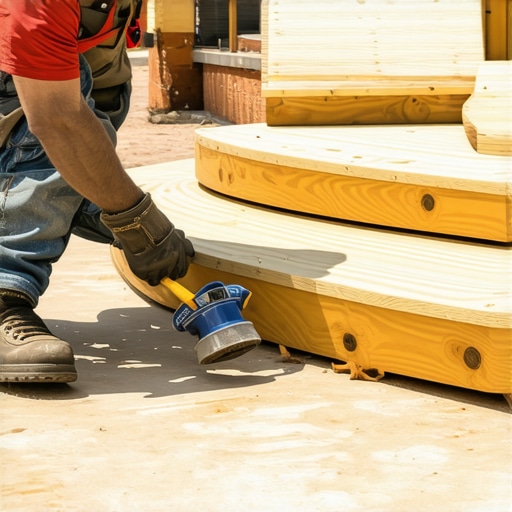
For optimal adhesion, lightly sand the surface of your stringers with medium-grit sandpaper, removing any rough patches or peeling paint. Wipe away residue with a damp cloth, and then apply a primer designed for outdoor use if your sealant recommends it. This step ensures a smooth, durable finish, much like priming a wall before painting—prepping helps the topcoat stick better and last longer. For composite materials, check compatibility before proceeding.
Use a Quality Sealant for Maximum Protection
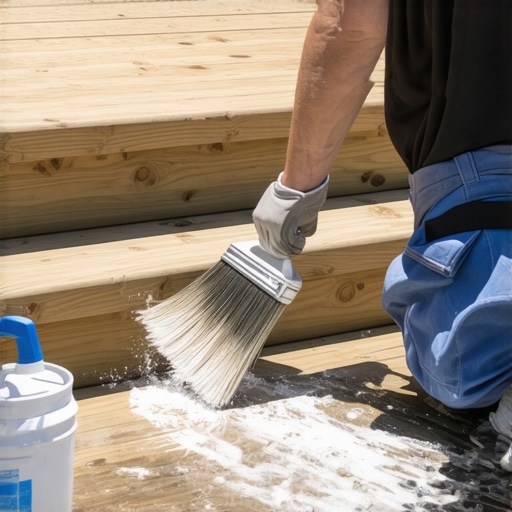
Pour or load your sealant into a spray bottle, brush, or roller depending on your preference. Starting at the top of the stringer, apply an even coat, working in the direction of the wood grain or along the entire length of the composite surface. Be meticulous around edges and joints, as these are most vulnerable. Think of sealing like waterproofing a sponge—the more thorough your coverage, the less moisture will seep in, extending the lifespan of your stairs.
Watch Out for Common Mistakes
Avoid over-application, which can lead to buildup and peeling, or under-application, leaving spots unprotected. Don’t forget to seal all sides, including hidden or less-visible areas, because moisture can infiltrate from any angle. During my last project, I learned this the hard way when neglecting the underside of a stringer led to premature decay. Use painter’s tape for clean edges and ensure proper ventilation during application to accelerate drying.
Let the Sealant Cure Properly
Allow the sealant to cure according to the manufacturer’s instructions—this can take 24-72 hours. Avoid foot traffic or placing objects on the stairs during this period, as disturbing the coating can compromise its integrity. Think of this as letting paint dry; patience here prevents you from doing retouching later. Proper curing ensures your protective barrier remains intact for future seasons.
Maintain and Reapply as Needed
Regularly inspect your stairs annually, especially after harsh weather. Clean the sealant surface with gentle washes and reapply when signs of wear or cracking appear—typically every 2-3 years. This ongoing maintenance is your best defense against warping and cracking, mirroring how a well-maintained garden stays healthy and vibrant. Consistent upkeep preserves not just aesthetics but safety and durability over time.
 While many hobbyists and even seasoned DIYers focus on selecting beautiful materials and eye-catching designs, they often underestimate the complexity behind creating durable, safe, and truly high-quality outdoor structures. One common misconception is the idea that choosing premium composite decking alone guarantees longevity and low maintenance. However, the real success hinges on understanding the nuanced interplay of materials, installation techniques, and environmental factors that influence long-term performance. For instance, not all composite decking options perform equally in extreme heat—some warp or fade faster, especially without proper installation and sealing, as highlighted in recent trends (source).Maintaining a durable outdoor deck and stairs demands the right tools and a systematic approach. I personally rely on a high-quality cordless electric sander for surface prep, particularly models like the Makita XOB01Z, because they’re lightweight, offer variable speed control, and eliminate cords clutter, making detailed work on uneven surfaces more manageable. For applying sealants, I prefer a sprayer like the Wagner Control Spray Max, which allows for even coating on complex surfaces, reducing the chance of missed spots that can lead to moisture infiltration. Additionally, I utilize a digital moisture meter, such as the Protimeter Surveymaster, to assess the substrate’s dryness before sealing, ensuring optimal adhesion and longevity. When it comes to long-term results, employing a rigorous inspection schedule using these tools can help catch potential issues early, saving money and extending the life of your structure. Looking ahead, emerging smart technologies will likely integrate IoT sensors to monitor moisture levels and structural integrity in real-time, giving homeowners immediate alerts before problems escalate. Check out expert tips on building durable additions to your outdoor space, including stairs, at this guide.
How do I maintain my outdoor decking and stairs over time?
Regular maintenance is pivotal. I recommend scheduling seasonal inspections, particularly after harsh weather events, to examine for cracks or warping. Reapplying sealant every 2-3 years, or as indicated by your moisture readings, can prevent moisture ingress and UV damage. Always clean surfaces with gentle solutions—avoiding harsh chemicals that may degrade sealants—and use appropriate tools, like soft-bristled brushes, to preserve the integrity of your protective layers. Adopting these practices ensures your outdoor structures remain safe, functional, and stunning for years to come. If you’re interested in elevating your project’s durability, explore top composite decking options that resist warping even under extreme conditions.
Little Tricks That Make a Big Difference in Durability
One of my most valuable lessons came from just paying attention to the smallest details—like sealing those tricky corners and joints that often get ignored. It’s easy to focus on the visible surfaces, but moisture can sneak into the nooks and crannies, causing long-term damage. Now, I always double-check those hidden spots during sealing and maintenance, which has saved me from costly repairs down the line.
How Being Prepared Transforms Your Projects
Over time, I realized that having a well-organized toolkit and knowing the right products can accelerate the process and improve quality. Trusted tools like the Wagner Control Spray Max and a high-quality moisture meter have been game-changers. Investing in these tools has not only made my work more efficient but also boosted the confidence customers have in my craftsmanship.
Choose Quality Over Quick Fixes—Every Time
In my early days, I’d sometimes opt for shortcuts, thinking that a quick sealant application would suffice. But I learned the hard way that shortcuts lead to warping and cracking, especially with climate fluctuations. Now, I prioritize proper surface prep, the right sealant, and curing time. This commitment has paid off with stairs that stand tall season after season, truly enhancing outdoor spaces.
Stay Curious and Keep Learning
The outdoor living industry is constantly evolving, with new materials, tools, and techniques emerging all the time. I recommend following trusted sources like expert guides on composite decking and attending workshops or webinars. Staying curious and open to new ideas has helped me build more resilient, beautiful stairs and decks for my clients.
Reinforce Your Passion for Craftsmanship
If you’re passionate about creating outdoor spaces that endure and impress, remember that meticulous sealing and regular maintenance are your best allies. The thrill of transforming a simple staircase into a lasting feature is unmatched. Whether you’re a DIYer or a seasoned pro, embracing these insider tips will elevate your outdoor projects to a new level of durability and style. Ready to put these lessons into action? I’d love to hear your experiences or questions below—let’s keep the conversation thriving!