
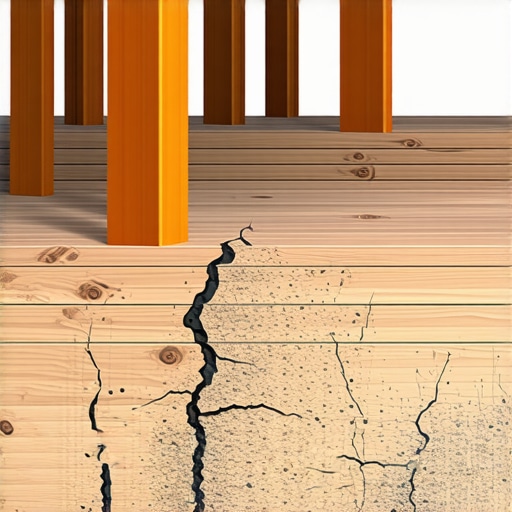
I’ll never forget the day I nervously stepped onto my new outdoor deck, only to feel that unsettling wobble under my foot. It was a lightbulb moment that made me realize how crucial proper stair construction truly is. Just a small oversight can turn a beautiful outdoor space into a safety hazard. After digging into the common issues, I discovered that many homeowners and DIY enthusiasts overlook serious flaws in their stair stringers—those critical support beams that hold up your stairs.
Why These Flaws Could Cost More Than You Expect
Understanding the importance of well-built staircase supports is essential. Poorly designed or constructed stringers can lead to wobbling, sagging, or even structural failure over time. Not only does this compromise safety, but it can also diminish your deck’s aesthetic appeal and lead to costly repairs down the line. My early mistake was assuming that standard framing was enough—that is, until I noticed my stairs starting to creak and wobble after just a few months. It made me realize that the devil’s in the details when it comes to safe outdoor stairs.
Skeptical About These Risks? Think Again
Many deck builders and homeowners underestimate how tiny flaws can snowball into dangerous problems. For example, one mistake I made early on was neglecting adequate support for wider treads, which resulted in trip hazards and uneven steps. According to the expert deck-building tips, addressing these issues before they manifest is crucial for both safety and longevity. Have you faced wobbly stairs or noticed signs of support weakness? If so, you’re not alone, and there’s a practical fix waiting for you.
By the end of this post, you’ll learn exactly what to look for and how you can correct these flaws—saving you money, a trip to the emergency room, and peace of mind. Ready to ensure your deck stairs are strong, safe, and built to last? Let’s dive into the top 3 dangerous stringer flaws that you must fix on your 2026 deck.
Assess and Prepare Before You Build
Start by inspecting your current stairs thoroughly. Use a level and tape measure to identify wobbling, uneven treads, and weak supports. As I did during my last project, I laid out the entire staircase with chalk, marking areas that needed reinforcement. Remove any loose or damaged components carefully, ensuring a clean workspace. This initial assessment clarifies exactly where your support system fails, setting the stage for precise fixes. For complex cases, consulting a professional deck-builder for a structural review can prevent future hazards.
Reinforce or Replace Stringers
Identify Weaknesses
Check if your stringers are sagging or cracked. In my case, I found a cracked support on the lower stringer after a storm. Use a pry bar to gently test for any movement or looseness. Once identified, they need reinforcement or replacement. If the damage is minor, reinforcing with steel brackets can suffice; for severe issues, replace the entire stringer using pressure-treated lumber that resists rot and insects. Proper support supports the entire staircase, much like the foundation of a house.
Use Proper Material
Choosing the right materials is critical. I opted for pressure-treated lumber with a grade proven to withstand outdoor conditions for my replacement stringers. For added durability, consider using aluminum or steel supports under the stringers, especially if you live in a humid or snowy climate. These materials prevent warping, ensuring your stairs stay safe over the years. When replacing, always cut the new stringers to exact dimensions and double-check for levelness before securing them to your stringers to avoid future wobble.
Secure Treads and Risers Effectively
Properly fastening treads and risers ensures stability. Use weather-resistant screws or bolts, avoiding nails that can loosen over time. During my last refit, I drilled pilot holes to prevent splitting and used stainless steel fasteners for corrosion resistance. Position each tread evenly, using a carpenter’s square to maintain consistent overhangs—never overhang over 1 inch to prevent tripping hazards. If you’re working with composite decking, follow the manufacturer’s installation instructions for fastening, which often involve hidden fasteners for a clean look and added grip.
Install Support Bracing for Extra Stability
Adding diagonal braces or cross-bracing stiffens the staircase, preventing sway. I installed metal brackets along the stringers’ sides. This step forced me to measure and cut braces precisely; I screwed them into the stringers and ledger board securely. Think of it as adding ribs to a skeleton—your stairs will handle heavier loads and resist wobbling. For added safety, check whether your stairs flex under load by applying pressure on the middle of a tread; if you notice movement, reinforce with additional bracing.
Seal and Protect All Wooden Components
Weatherproofing preserves your work. After completing repairs, I applied a high-quality sealant to all cut ends and exposed wood. This prevents moisture from penetrating and rotting the supports. For ongoing protection, schedule annual inspections and resealing especially before winter or rainy seasons. Proper sealing extends the lifespan of your stairs and maintains safety standards. If you’re using composite decking for treads, they are less susceptible to moisture but still benefit from regular cleaning and inspection to spot any damage early.
Test and Fine-Tune Your Staircase
Finally, walk your stairs carefully to detect any residual movement. I placed weight on each step, observing for any creaks or wobbles. If necessary, tighten any loose fasteners or add extra support. Consistent checks will catch issues before they become hazards. Remember, safety comes from attention to detail in each step—from initial inspection to final testing. Once complete, you’re not just repairing stairs—you’re ensuring peace of mind every time you step outside.
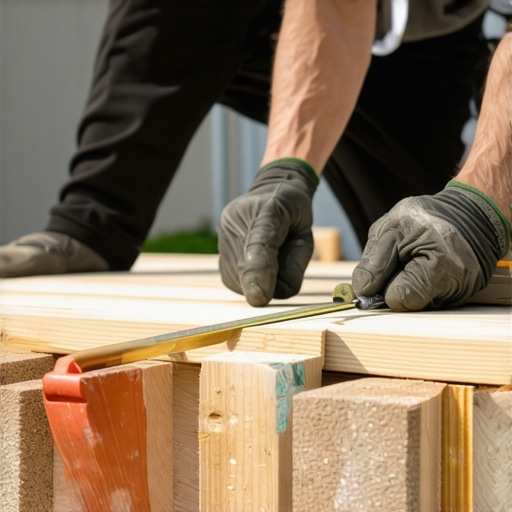 When it comes to designing outdoor stairs or selecting composite decking, many assume that straightforward solutions suffice. However, the real nuances lie beneath surface-level choices. A common misconception is that standard measurements and materials guarantee safety and longevity. In my experience, overlooking the detailed engineering aspects—like the specific angle of staircases or the importance of thermal expansion in composite materials—can lead to costly failures. For example, expecting composite decking to perform identically across diverse climates ignores the importance of choosing products with proven resistance to heat and moisture, such as those discussed in the latest trends in composite decking. One hidden nuance is understanding how subtle design choices influence moisture drainage; poor drainage can cause premature stringer rot and support failures, which many DIY enthusiasts miss. Further, believing that all composite decking is equally low-maintenance overlooks differences in resin formulations and cell structures. Advances in composite materials, such as solid-core boards, offer better impact resistance and fade-proof qualities, critical for preserving your outdoor space over time. Additionally, when planning stairs, some assume wider treads are purely aesthetic; actually, wider steps can significantly reduce trip hazards and trip-related injuries—emphasizing the need for precise measurements that harmonize safety and style. Expert advice highlights that integrating proper support systems—like aluminum or steel reinforcements—can prevent wobbling or sagging, often wrongly attributed solely to wooden support failure. So, when you’re revamping your deck, remember that the devil is in the details. Choosing products and structural solutions based on a comprehensive understanding of these nuances ensures durability and safety in the long run. For more insights on creating safe, stylish stairs, check out designing safe and stylish stairs or consider consulting a professional by visiting our contact page. Have you ever fallen into this trap? Let me know in the comments.
Maintaining your outdoor deck and stairs is crucial for ensuring safety, durability, and aesthetic appeal over the long term. Having the right tools and adopting effective maintenance routines can make this task much more manageable. One of my go-to pieces of equipment is a high-quality cordless impact driver. I use it to tighten fasteners securely without over-tightening, which can compromise the integrity of composite decking or support structures. A versatile tool like this saves time and reduces user fatigue during routine inspections and repairs.
To monitor the health of wooden supports like stair stringers, I rely on a moisture meter. This device helps me detect hidden rot or moisture infiltration before visible signs appear, allowing for proactive repairs. When it comes to cleaning, I swear by a soft-bristle deck brush paired with a gentle cleaning solution designed for composite decking. Avoid harsh pressure washing, as it can erode the surface or loosen fasteners—especially crucial for preserving the integrity of newer, low-maintenance composite boards.
How do I maintain my outdoor stairs and decking over time?
Consistency is key. Schedule an annual visual inspection, focusing on fastener tightness, support stability, and signs of wear like cracking or warping. Applying a protective sealant to exposed supports and cut ends helps prevent moisture ingress, which is a leading cause of rot. For composite decking, regular cleaning combined with sealant maintenance prolongs its life and preserves its appearance. Additionally, I use a laser level to check for any shifts or unevenness in the structure, making adjustments as necessary to ensure safety and aesthetics are maintained. As trends evolve, manufacturers are introducing innovative materials like solid-core composite boards that resist warping and fading better than ever, so investing in these can yield long-term benefits and reduce your maintenance workload.
Looking ahead, I believe technological advancements like smart moisture sensors and remote monitoring apps will streamline residential outdoor maintenance. These tools could alert you to potential issues before they become visible—saving time, money, and frustration. For now, I recommend getting comfortable with traditional inspection routines while gradually integrating these emerging solutions. If you’re eager to upgrade your maintenance approach or need expert guidance, don’t hesitate to reach out for personalized advice. Remember, using the right tools combined with proactive care will keep your outdoor living spaces safe and stunning for years to come. For specific recommendations on composite decking, explore this detailed guide.
The Hardest Lesson I Learned About Stairs and Outdoor Living
- Trusting standard solutions blindly can lead to overlooked risks—sometimes, a carefully scrutinized support makes all the difference. I once assumed a generic stringer would suffice, only to discover it lacked the support needed for peace of mind, prompting me to reinforce with steel brackets.
- Every detail counts—neglecting small elements like proper fasteners or sealants may seem minor but can cause long-term safety issues, especially in harsh climates. My experience taught me that meticulous inspection and upgrades safeguard the longevity of your deck and stairs.
- Materials matter more than you think—what looks good initially might not withstand weather and foot traffic. Switching to high-grade pressure-treated lumber and durable composites transformed my outdoor space into a maintenance-light haven.
- Testing after every fix is essential—walking your stairs with weight and checking for wobble can reveal hidden vulnerabilities before they become hazards. This step is something I now never skip, saving both time and safety concerns.
- Professional advice isn’t optional—consulting experts can reveal nuances that DIY might miss, avoiding costly mishaps. Their insights on structural integrity and material selection guided my project toward lasting success.
My Toolbox for Outdoor Stair Excellence
- The ultimate guide to staircase design from seasoned deck builders has helped me understand the importance of seamless integration and safety features.
- High-quality fasteners like stainless steel screws are game-changers, and I swear by their recommendations for weather-resistant hardware.
- Moisture meters have helped reveal hidden rot early on, preventing costly replacements—an investment I highly recommend for any outdoor project.
- Modern composite decking options discussed in this guide have revolutionized my approach, offering durability with minimal maintenance.
Your Next Step in Creating Safe Outdoors
The journey to flawless outdoor stairs is ongoing—every project teaches something new. Don’t let fear or uncertainty hold you back from elevating your outdoor living space. With attention to detail and the right resources, you can build stairs that stand the test of time and enhance your home’s beauty and safety. Ready to take the next step? Reach out and connect with experts who can guide you toward your outdoor living dreams. Have you faced unexpected challenges with your stairs? Share your stories below—your experience might be the insight someone else needs to succeed.