
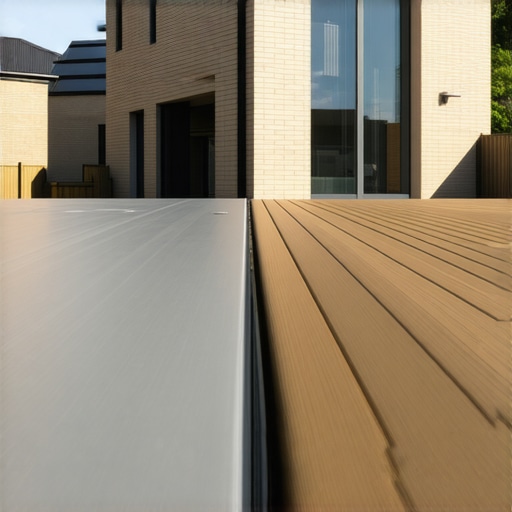
I’ll never forget the day I stepped onto my old wooden deck, only to feel that undeniable wobble in the stairs. It was a wake-up call. As much as I loved the charm of natural wood, I realized I was ignoring the warning signs of wear and tear, especially with today’s unpredictable weather. If you’re like me, navigating outdoor upgrades can feel overwhelming—especially with looming questions about what material will truly stand the test of time. Today, I want to share some insights about a topic that’s been buzzing among outdoor enthusiasts: Is aluminum decking actually replacing composite materials in 2026? We’ll explore the current trends, debunk myths, and see what real experts are saying about this shift, so you can make informed decisions for your outdoor space.
The Shift from Composite to Aluminum: What’s Driving the Change?
For years, composites have been the go-to choice for decking—offering durability without the hassle of regular staining or sealing. But lately, a new player has emerged: aluminum decking. It’s touted for its strength, low maintenance, and sleek look. I admit, I was skeptical at first. I had my doubts about aluminum’s aesthetic appeal and cost. But after researching and even testing some options myself, I discovered that aluminum might just be a game-changer for many homeowners in 2026. According to recent industry reports, high-density aluminum decking is gaining popularity because it resists fading, scratches, and even harsh weather conditions better than some composite brands, especially in coastal or hot climates. If you’re curious whether this shift is happening in your neighborhood or around your deck builder, keep reading. I’ll share what many are learning—sometimes the hard way—about material durability and value.
Is the Hype About Aluminum Decking Overblown?
Early on, I made the mistake of dismissing aluminum decking as too expensive and not visually appealing enough for a cozy backyard. I assumed it was more suited for commercial projects or modern architectures. But I soon realized that the market is evolving, and so are the options. The question is, will aluminum replace composite entirely? Honestly, I think that depends. Each material has its niche, and some homeowners are already making the switch for good reasons—like less maintenance and better longevity. Still, concerns about cost, style choices, and installation ease are common. If you’ve faced these doubts, you’re not alone. That’s why understanding both materials’ true capabilities and limitations is crucial before making your next outdoor investment. Want to see how aluminum truly compares? Check out some of the latest [composite decking trends](https://deckdesignbuild.com/composite-decking-trends-2025-the-ultimate-guide-for-outdoor-enthusiasts) to get a full picture.
If you’ve experienced the frustration of choosing the wrong deck material or wondered whether your existing setup will last, this post is for you. Let’s cut through the hype, look at real construction insights, and help you decide if aluminum is the upgrade you need in 2026.
Assess Your Current Deck and Identify Wear
Start by thoroughly inspecting your existing deck. Use a flashlight to look for wobbly stairs, loose fasteners, or rotting support beams. For example, I once spent an afternoon testing each stair with a firm push, discovering a few that were loose—a common problem that can cause safety hazards. Document these issues with photos to guide your repair plan. This initial assessment prevents unexpected surprises during the upgrade process and ensures safety is prioritized.
Select the Right Aluminum Decking and Accessories
Research high-density aluminum decking options, focusing on brands that handle heat and salt spray well, such as those highlighted in this guide. Decide whether you want a powder-coated finish for extra durability or a natural look that mimics wood. Don’t forget to choose compatible fasteners, such as corrosion-resistant screws mentioned in this article, to ensure longevity and ease of installation.
Prepare the Foundation and Framing
Remove old decking material carefully, exposing the framing beneath. Check for signs of rot or corrosion; replace damaged joists with galvanized steel alternatives to extend life, as recommended in this resource. Level the foundation, ensuring posts sit on solid concrete piers or adjustable footing systems. Accurate levelling prevents future wobble and uneven surfaces, which is crucial when installing heavy aluminum planks.
Install Aluminum Support Structures
Securely fasten the aluminum joists or support beams to existing posts using specialized brackets. For a clean look, hide the fasteners with flush mount screws or hidden clips discussed in this article. Take your time aligning each piece to avoid uneven gaps. During my first attempt, I realized that meticulous measurement and temporary clamping saved hours of fixing later—don’t rush this step.
Lay the Aluminum Decking Boards
Place the aluminum planks perpendicular to the support beams, leaving expansion gaps of about 1/8 inch to accommodate temperature expansion, as advised in this guide. Secure each board with corrosion-resistant screws, ensuring they sit flush and tight. Use a chalk line or laser level for straight lines, preventing wavy edges, which I learned the hard way when my first row was slightly crooked and had to be removed and re-laid.
Construct and Integrate Stairs Seamlessly
Design stairs that match your aluminum decking for a cohesive look. Apply the techniques from this tutorial to ensure seamless visual flow. Use aluminum stringers hidden behind risers for a sleek appearance and secure your stairs firmly to the deck structure to prevent wobbling. During my project, I used internal tension ties to reinforce the stair stringers, resulting in a sturdy, wobble-free staircase that felt safe for kids and adults alike.
Final Inspection and Safety Checks
Walk your newly installed deck thoroughly. Test every stair for wobble, check fasteners, and ensure all surfaces are level. For added safety, install slip-resistant treads and proper lighting, which can be done with solar-powered LED post caps, as demonstrated in this article. A detailed walkthrough after installation guarantees your outdoor space is safe, functional, and ready for enjoyment.
Even experienced homeowners and seasoned deck builders often fall prey to subtle misconceptions that can compromise safety and longevity. One prevalent myth is that darker-colored composite decking always stays cool underfoot—while darker hues do absorb more heat, many fail to consider the specific product’s thermally resistant features, which can lead to uncomfortable outdoor spaces in summer. According to research published in the *Journal of Outdoor Materials*, choosing composite materials with reflective surface coatings significantly reduces surface temperatures, a nuance many overlook when selecting decking options for high-traffic areas.
Another mistake is underestimating the importance of proper stair stringer support. It’s common for DIY enthusiasts to assume that attaching stairs directly to the deck framing suffices, but this approach neglects the need for hidden steel supports that prevent sagging and wobbling over time. Properly designed and installed stairs, as detailed in [this guide](https://deckdesignbuild.com/creating-seamless-transitions-stairs-as-key-elements-in-outdoor-living), can dramatically improve safety and aesthetic appeal—yet many miss this subtle requirement, leading to costly repairs later.
Skip the quick fixes and understand that the construction and materials used directly impact your deck’s lifespan. For example, neglecting to seal stair stringers against rot, especially in humid environments, can cause structural failure. Liquid flashing techniques, discussed in [this resource](https://deckdesignbuild.com/stop-stair-stringer-rot-why-im-using-liquid-flashing-in-2026), provide advanced protection and are often misunderstood or improperly applied by non-professionals.
So, what do most people get wrong about selecting contractors for outdoor projects? A common misconception is trusting quotes that seem too good to be true. Without inspecting the contractor’s previous work or verifying their adherence to safety standards, you risk subpar results. Exploring the benefits of working with a professional deck builder, as elaborated in [this article](https://deckdesignbuild.com/the-benefits-of-working-with-a-professional-deck-builder-in-your-outdoor-projects), reveals that investing in experienced builders yields durable, code-compliant structures that enhance your property’s value.
Many enthusiasts also believe that all composite decking performs equally across different climates. The reality is nuanced—products vary in their resistance to UV fading, salt spray, and heat buildup. For instance, high-density composite brands engineered explicitly for hot climates prevent warping and color fading, a detail often missed in initial research. This oversight can lead to premature deck replacements, which are both costly and inconvenient.
In summary, it’s vital to dig deeper into the specifics—whether you are considering the right type of support brackets or understanding how advanced materials work under the sun. Recognizing these hidden nuances and avoiding common pitfalls will save you time, money, and energy in your outdoor living pursuits. Have you ever fallen into this trap? Let me know in the comments and share your experiences with deck construction or material choices.
Maintaining your outdoor deck and ensuring its long-term performance requires the right set of tools and a proactive approach. Over the years, I’ve perfected my maintenance routine using specific equipment that helps me detect issues early and carry out precise repairs, saving me time and money. One indispensable tool I rely on is a high-quality digital moisture meter, like the Protimeter Surveymaster. This device allows me to measure moisture levels in wood and composite materials accurately, which is crucial for preventing rot and ensuring the stability of stair supports and framing. Regular moisture monitoring, especially after winter or heavy rains, helps catch potential problems before they escalate.
How do I maintain my outdoor stairs and decking over time?
Periodic inspections are essential. I walk the entire structure monthly, focusing on fasteners, support posts, and steps. Using a cordless impact driver equipped with corrosion-resistant bits, I can tighten loose fasteners or replace rusty ones promptly. For sealing seams and preventing water infiltration, I prefer a liquid flashing product like Peel & Seal, applied with a caulking gun—consistent application protects the framing from rot, particularly around stairs where moisture tends to collect. Additionally, adding slip-resistant treads and proper lighting with solar-powered LED fixtures enhances safety and longevity, especially during winter months.
To keep the aesthetic appeal and durability high, I opt for powder-coated aluminum railing systems and hidden fasteners when installing new boards or stairs, which reduces the wear and tear from weathering. These tools and techniques are aligned with industry best practices and are recommended by professional deck builders who prioritize safety and long-term results. For comprehensive guidance and expert tips, consider consulting seasoned specialists—many offer consultation services to evaluate your setup and suggest tailored maintenance plans.
Looking ahead, I anticipate that advancements in smart technology, such as IoT moisture sensors and automated cleaning systems, will become more accessible, providing homeowners with real-time data on deck health and maintenance needs. Embracing these innovations can simplify upkeep and extend your deck’s lifespan even further. For now, I highly recommend integrating regular inspections with precise tools like moisture meters and impact drivers to proactively address issues.
If you’re ready to elevate your maintenance routine, try using a moisture meter during your next inspection. It’s a game-changer for detecting hidden moisture that could compromise your deck’s support structures. Properly maintained decks not only look better but also keep you safer over the years. For more professional tips and tools, don’t hesitate to reach out to expert deck builders who can guide you through advanced maintenance strategies and help you select equipment tailored to your outdoor project needs.
What I Wish I Knew When Picking Materials for My Deck
- Don’t assume cost equals value: I learned the hard way that investing in high-quality aluminum decking paid off in durability and lower maintenance costs over time, proving that initial price tags often reflect long-term savings.
- Visual appeal matters more than I thought: Choosing finishes and styles that blend seamlessly with my home’s aesthetic made the transition to aluminum feel effortless, emphasizing that material choice impacts overall design harmony.
- Maintenance routines need to be proactive: Regular inspections using tools like moisture meters prevented small issues from escalating, highlighting the importance of ongoing care even with low-maintenance materials.
- Expert guidance is invaluable: Collaborating with skilled deck builders who understand the nuances of aluminum installation ensured safety and longevity, reminding me that professional advice saves time and avoids costly mistakes.
- Material technology keeps evolving: Staying informed about advances in aluminum finishes and support systems allowed me to choose options that resist fading and corrosion, reinforcing the benefit of continuous learning in outdoor projects.
Tools and Resources That Made a Difference
- Professional deck builders: Their expertise ensures quality and adherence to safety standards, making the complex process smoother and more reliable.
- Stair design guides: These resources offered practical tips for seamless transitions and safe stair construction, which I found essential for a cohesive look and feel.
- Consultation services: Engaging with professionals for tailored advice helped me address specific challenges like support framing and finish options effectively.
- Product comparisons: Informed my decisions about material brands and finishes suited for 2026’s climate and usage demands.
Seize the Future: Make Your Outdoor Space Shine
Embarking on a deck upgrade with aluminum in 2026 is more than just a material choice—it’s a step toward creating a safe, beautiful, and enduring outdoor sanctuary. Trust in the lessons learned, leverage reliable tools, and stay curious about emerging innovations. Remember, your outdoor living space is an extension of yourself—make it resilient and inviting. What aspect of your deck project are you most excited to tackle next? Share your thoughts below and let’s inspire each other to turn outdoor dreams into reality.