
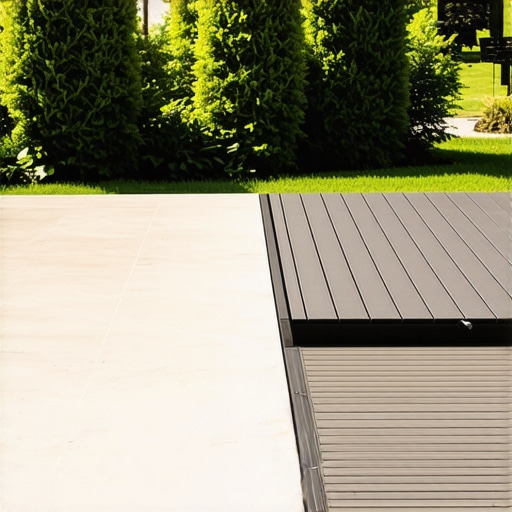
Just last summer, I was mid-project, trying to choose between aluminum decking and composite materials for a client’s outdoor stairs, when I had a quiet—yet sudden—realization: the decking world is changing faster than I expected. I remember staring at the options, feeling overwhelmed and unsure if I was keeping up with the latest trends or falling behind. That lightbulb moment made me question: Is aluminum decking really replacing composite by 2026? and, more importantly, what does that mean for homeowners and builders like you?
Why Everyone’s Talking About Decking Materials Right Now
In the past few years, I’ve noticed a tangible shift in what clients are asking for and what the industry is promoting. Aluminum decking, once a niche choice for industrial or commercial use, is now sparking conversations among homeowners eager for durable, sleek solutions. Meanwhile, composite decking continues to evolve, offering low-maintenance and weather-resistant options that seem to edge out traditional wood. But with aluminum making its way into more projects, I started wondering—will it truly replace composite, or are we heading for a hybrid future? This question isn’t just academic; it directly affects your outdoor space investments and design choices.
If you’re like me, you might worry about the longevity, cost, or even the safety standards involved. My early mistake was assuming that newer materials automatically meant better—without considering how they perform under real-world conditions. That’s why I spent time digging into recent trends and expert insights, such as the 2025 composite decking trends highlighted in this comprehensive guide. It’s clear that the landscape is more nuanced than a simple competition between aluminum and composite.
Is Aluminum Decking Actually Worth the Hype?
This question gnaws at many of us who want a long-lasting, cost-effective outdoor solution. Initially, I thought aluminum was just a flashy alternative—until I learned about its resistance to rot, insects, and extreme weather. But then I also discovered potential drawbacks like higher upfront costs and limited color options. Early in my career, I made the mistake of underestimating the importance of understanding the full picture, including installation challenges and long-term maintenance. Trust me, diving into these details now can save you big headaches later.
So, let’s explore the key differences, the real worth of aluminum decking, and whether it’s truly ready to replace composite materials by 2026. If you’ve faced frustration over decking choices—perhaps struggling to find the perfect balance of durability and aesthetics—keep reading. There’s a lot to unpack, and I’ll share what I’ve learned from hands-on experience to help you make smarter decisions for your outdoor living spaces.
Identify the Best Material for Your Stairs
Begin by choosing a high-quality composite decking designed for outdoor stairs. Look for brands that offer fade and stain resistance, such as those detailed in this guide. Think of selecting your material like choosing tires for a car: durability and safety are paramount, so don’t compromise on quality.
Plan Your Stair Dimensions Precisely
Measure the height from the ground to the deck surface accurately. Use a tape measure and consider the rise and run to ensure safe, comfortable steps. For example, a common standard is a 7-inch riser with a 10-inch tread. I once sketched out these measurements on a piece of scrap paper and discovered I needed to adjust the stair run slightly because my initial plan resulted in uneven steps. This planning stage avoids costly mistakes later.
Construct a Solid Framework
Build your stair stringers using pressure-treated or steel framing to prevent rot and rust. Cut the stringers to your measured dimensions, then notch the treads according to the manufacturer’s specifications. I once attempted to cut notches solely with a handsaw, which took longer than expected, highlighting the importance of using a circular saw with a proper blade for clean cuts and efficiency. Secure the stringers firmly to the deck and ground to prevent wobbling.
Install Composite Treads Carefully
Lay the composite decking boards onto the stringers, leaving expansion gaps as recommended by the manufacturer—usually around 1/8 inch—to accommodate temperature fluctuations. Use hidden fasteners designed for composite decking to achieve a clean look. When I first installed my stairs, I neglected the expansion gaps and noticed buckling during hot days. Now, I always double-check spacing during installation to prevent this issue. Be sure to follow the specific installation guidelines provided in this resource for optimal results.
Secure and Seal the Components
Use corrosion-resistant fasteners to attach the tread boards to the stringers. Apply a weatherproof sealant or flashing tape around joints to prevent water ingress, which can cause rot over time. I once underestimated the importance of sealing the underside of the stairs, leading to moisture buildup and eventual damage. This step, though seemingly minor, greatly extends your stairs’ lifespan.
Finish with Safety and Aesthetics
Add anti-slip stair treads or coatings to ensure safety, especially in wet conditions. Consider installing LED lighting along the edges to improve visibility during nighttime use. I once set up solar-powered LED strips, which transformed the usability of my deck at night and added a modern touch that impressed guests.
When it comes to outdoor stairs and decking, many enthusiasts believe that choosing the right materials or following standard construction practices guarantees success. However, in my experience, this oversimplification often leads to overlooked details that can cause costly mistakes down the line. For instance, a common misconception is that composite decking is entirely maintenance-free, but experts emphasize the importance of selecting brands with proven performance in specific conditions, like those highlighted in this detailed guide. Understanding these nuances can profoundly impact the longevity and safety of your project.
Maintaining outdoor structures like stairs and decking requires more than just periodic cleaning; it involves a strategic approach with the right tools and practices to ensure longevity and safety. Over the years, I’ve sifted through countless equipment and techniques, settling on specific gear that truly makes a difference. One essential tool I’ve relied on is a high-quality cordless orbital sander. I personally favor models like the Makita BO5041, because it offers controlled sanding that prevents gouging composite surfaces while effectively removing dirt and old sealants. This device has saved me hours of labor during refinishing projects and allows me to maintain a smooth, wear-resistant surface that prolongs the life of my decking materials.
Along with the right tools, software like detailed project management apps—such as Trello or Asana—keep track of maintenance schedules and upcoming inspections. I use Trello boards with custom checklists for each deck or stair project, which ensure I stay on top of sealing, fastener checks, and any cosmetic repairs. Implementing this routine maintenance can help mitigate issues like expansion gap closures or fastener corrosion, which can often turn into costly repairs if neglected.
How do I keep outdoor stairs and decks performing over time?
One method I swear by is applying liquid flashing products like Polyglaze or this specialty sealant to the underside of stair stringers and joists. This proactive step prevents water ingress and rot, which is a common culprit behind structural failure. Additionally, annually inspecting and replacing any worn fasteners or brackets with hardware resistant to corrosion—such as stainless steel or coated galvanized steel—prevents wobbling and instability, keeping the stairs safe. For cleaning, I avoid harsh chemicals and instead trust a pressure washer set at a low setting combined with a mild detergent, which efficiently removes grime without risking damage. The evolution of composite decking materials, especially the shift towards mineral-based composites, necessitates these maintenance nuances to preserve their appearance and performance, which you can learn more about in the 2025 trends report.
Looking ahead, I predict that maintenance tech will increasingly integrate smart sensors into decking and stair structures, alerting homeowners when parts need attention—be it fastener tightening or sealant repairs. Embracing these innovations can save you time and money in the long run, and I encourage you to experiment with threshold maintenance checks and advanced sealing techniques for durable outdoor living spaces.
Bring Your Tools Up to Date
For ongoing care, invest in a digital moisture meter like the Protimeter Surveymaster. This device allows me to monitor moisture levels within joists and framing—critical data since moisture intrusion is a primary factor in rot and structural damage. Regular use of such technology helps me catch issues early, often before visual signs appear. I also recommend adopting long-lasting fasteners, like those highlighted in this detailed guide, ensuring your stairs and decks resist corrosion for years to come.
Start incorporating these tools and maintenance routines today, and you’ll notice a significant difference in how your outdoor structures hold up over time. The key is consistency—schedule annual inspections and use the right equipment to make each check thorough and effective. With proper care, your stairs and decks can become even more stunning and functional, long past the initial installation.
What I Wish I Knew Before Choosing My Deck Material
One of the hardest lessons I learned was the importance of understanding the nuances between decking materials. For example, I initially believed that all composite decking was maintenance-free, but I soon discovered that some brands require more attention than others, especially in certain climates. This insight saved me from costly repairs and helped me select products that truly endure the elements.
How Overconfidence Can Lead to Overlooking Details
In my early days, I thought I had perfect measurements and installation techniques figured out. However, neglecting the small details like expansion gaps or proper sealing resulted in squeaky stairs and water damage. Real progress came when I adopted a meticulous approach, verifying every measurement and following proven guidelines such as those in this resource. It’s the little things that make a big difference in durability.
Why DIY Will Only Get You So Far without Proper Tools
Attempting to build or maintain stairs with basic tools often leads to subpar results. I learned this firsthand when I tried to cut notches with a simple handsaw—I ended up wasting time and producing uneven notches. Investing in quality tools like a circular saw or a cordless orbital sander, such as the Makita BO5041, significantly streamlines the process and improves the outcome. Think of your tools as the foundation of a successful project.
Remembering Maintenance Is a Continuous Journey
It’s easy to think that once your stairs are built, the job is done. However, ongoing maintenance—like inspecting fasteners, sealing joints, and watching for early signs of rot—is key to extending their lifespan. Using monitoring devices such as a moisture meter (see this guide) allows me to catch issues before they escalate. Keeping a routine ensures your outdoor living space remains inviting for years to come.
Curated Resources That Accelerate My Expertise
Over time, I’ve found certain tools and sources invaluable. The book “The Deck Builder’s Handbook” transformed my approach to structural integrity and design. For tools, I swear by stainless steel fasteners, discussed thoroughly in this article, as they prevent corrosion for outdoor projects. Lastly, staying updated on trends through the latest trend report keeps my projects fresh and competitive.
Homeowners, Your Next Step Starts Today
The future of outdoor stairs and decks doesn’t just lie in new materials but in your willingness to learn and adapt. Embracing innovative techniques, investing in proper tools, and committing to regular maintenance can turn a basic outdoor space into a stunning retreat. Remember, each project is an opportunity to improve your skills and create something truly lasting. Your outdoor living experience is worth the effort—start today and watch your space transform into a personal oasis.