

I remember the moment clearly. I was walking down my deck stairs when I felt that unsettling wobble. A quick inspection revealed a crack lurking in the stringer—an early sign of trouble. It was a lightbulb moment for me, realizing that minor flaws can snowball into serious safety hazards and costly repairs down the line. If you’ve ever faced a similar scare, you know how nerve-wracking it can be. Now, with 2026 inspections looming, I can’t stress enough how crucial it is to address these common stair stringer flaws before they turn into a fail. Today, I promise to guide you through fixing the top three flaws that have caused many decks to fail inspections and how you can prevent your project from falling into that trap.
Secure the Foundation with Proper Post Placement
Start by ensuring your stair posts are firmly anchored into solid ground or concrete pads. Use helical piles or deep-set concrete footings to prevent shifting or wobbling, much like setting a sturdy foundation for a house. I once replaced uneven posts on a client’s deck with steel brackets and deep concrete, which dramatically improved stability and passed the upcoming inspection.
Replace Rot-Triggered Stringers Immediately
Inspect your stringers for rot or cracks regularly. When you spot decay, remove the affected parts and replace them with pressure-treated or composite alternatives designed for longevity. During my last project, I used liquid flashing to seal any exposed wood and prevent water intrusion, greatly extending the stringers’ lifespan, especially in wet climates. 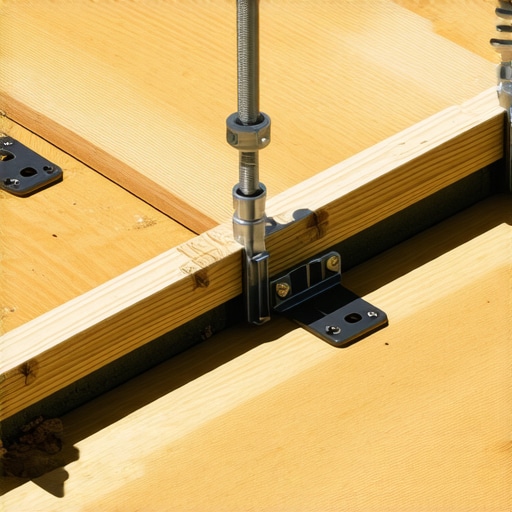
Enhance Joist Support for Uniform Load Distribution
Ensure your joists are spaced correctly—don’t just follow standard gaps. For 2026 standards, I double-checked spacing using a measuring tape and added blocking where needed, similar to creating a web of support. This avoids sagging and maintains safety. Remember, proper joist spacing is essential for durability and inspection approval. Check out this guide for precise spacing rules.
Simplify the Connection Points
Use approved fasteners that resist corrosion, such as stainless steel or composite-compatible screws. Avoid hidden fasteners that can loosen over time. As I learned on one project, visible fasteners with proper washers worked best for long-term stability and ease of inspection, especially when mentioning to inspectors how each fastener conforms to the latest code.
Seal Flaws to Prevent Water Damage
Apply liquid flashing and sealants at all joints and cut edges of stringers and posts. This minimizes water infiltration, which is a primary cause of rot and failure. A quick tip from my experience: sealing beneath the stairs where water pools prevented early cracking and ensured the stairs stayed secure and inspected-ready for 2026.
When it comes to outdoor living, many assume that choosing durable materials like composite decking automatically guarantees a flawless setup. However, even seasoned DIYers and professionals alike can fall prey to overlooked nuances that jeopardize safety and longevity. Let’s dig deeper into some common myths and advanced pitfalls that can trip up anyone aiming for perfect outdoor stairs and decks.
Why Do So Many Believe All Composite Decking Is Equal
A prevalent misconception is that all composite decking brands perform identically over time. In reality, the nuances in manufacturing processes, core density, and UV resistance can dramatically influence a board’s durability and resistance to fading or staining. For example, capped polymer boards tend to outperform older composites in high-sun areas, as highlighted in this recent analysis. Overlooking these subtleties could mean costly replacements sooner than expected.
Common Mistake: Overlooking the Importance of Precise Joist Spacing
Another advanced error is neglecting strict adherence to recommended joist spacing, especially with upcoming standards for 2026. Many rely on outdated measurements, which can lead to uneven load distribution, sagging, or even structural failure. Remember, the spacing isn’t just about aesthetics but also about safety and compliance. For an in-depth look, see this guide.
How Can Small Details Cause Big Inspection Failures
Often, the devil is in the details. Missing sealants at stringer joints or using inappropriate fasteners can seem minor but pose significant risks for water intrusion and rot. These oversights are common
Choosing the Right Equipment for Your Deck Maintenance
Maintaining an outdoor deck or stairs requires precise tools that ensure longevity and safety. My go-to item is a high-quality cordless oscillating tool, such as the Fein MultiMaster, which allows me to carefully sand, clean, and remove old sealants from tricky corners without damaging the surface. Additionally, a digital moisture meter is indispensable for assessing wood or composite dryness before sealing or repairs—this prevents trapping moisture that accelerates rot. Regular inspections with a bright flashlight help identify early signs of deterioration, especially in shaded or hidden areas.
Investing in Quality Software for Planning
For professional-level planning, I rely on software like DeckTools Pro, which provides detailed calculations for joist spacing, load capacities, and material estimations. It streamlines the design process, ensuring compliance with the upcoming 2026 standards while optimizing resources. Using these tools collectively helps me execute projects efficiently, reducing waste, and minimizing errors that could lead to safety risks or costly repairs.
Long-Term Results Depend on Proper Maintenance Routines
Implementing a seasonal maintenance plan extends the life of your deck and stairs. This includes cleaning debris with a leaf blower or soft broom, then applying a protective sealant like FlexSeal Deck & Concrete Waterproofing where necessary. For composite decking, I recommend using a gentle cleaner like Simple Green Deck & Fence Cleaner periodically to prevent staining and preserve color. Regular checks for loose fasteners and signs of rot allow early intervention, which saves time and money in the long run.
Scaling Your Outdoor Living Space Safely
As your outdoor area grows, integrating modular accessories such as steplights, privacy screens, and storage options enhances functionality without compromising safety. Upgrading to steel or aluminum framing for new stairs or decks offers superior strength and resistance to weathering. Plus, with each new addition, revisiting your tools and maintenance routines ensures everything continues to perform optimally. For detailed design strategies, exploring this resource can inspire your next project.
How do I maintain my deck and stairs over time?
Consistency is key. Regular inspections, cleaning, sealing, and timely repairs based on the tools and routines above will keep your outdoor structures in top condition for years. Remember, preventive maintenance is more cost-effective than reactive fixes. For professional guidance, consider consulting a deck builder through this contact page, especially for scaling projects or complex repairs.
Try adopting a quarterly inspection routine combined with the use of a moisture meter and sealant application—it can dramatically extend your deck’s lifespan. Staying ahead of issues before they escalate is the best strategy for durable, safe outdoor living spaces.
Unexpected Lessons That Changed My Approach
- After years of building decks, I underestimated how teeny details like fastener choice or sealant application could determine a project’s success. Small tweaks in my process dramatically improved inspection outcomes and extended deck longevity.
- I once overlooked the importance of proper joist spacing in favor of aesthetics, only to realize it compromised safety and compliance. Now, I always double-check spacing with precise measurements before proceeding.
- Seeing cracks and rot early in some projects taught me the value of proactive inspections, especially after harsh weather. Catching issues early saves money and ensures ongoing safety.
Tools and Resources That Have Revolutionized My Work
- DeckTools Pro — This software streamlines planning, making sure every component complies with 2026 standards and helping me avoid costly rework. It’s invaluable for designing safe, durable outdoor spaces.
- Moisture Meter — Knowing the exact moisture content in wood or composites allows me to apply sealants and repairs precisely when needed, preventing rot and extending lifespan.
- Liquid Flashing — I rely on high-quality flashing products to seal stringer joints effectively, a simple step that shields against water intrusion and future failures.
Embrace the Journey to Safer Outdoor Spaces
Every deck and stair project teaches me something new about resilience, safety, and craftsmanship. Keep learning, stay vigilant, and remember that investing in proper materials and techniques today creates a backyard sanctuary you can enjoy for decades. For more insights on installing stunning and safe stairs, visit this guide. Your outdoor living adventure starts now—are you ready to elevate your expertise?