
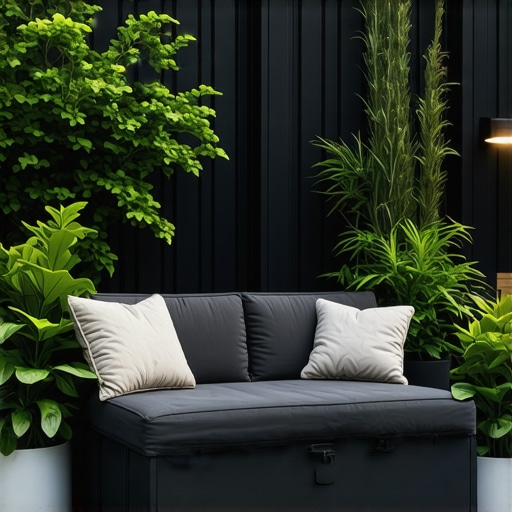
Ever stood in your backyard, staring at a cramped, awkward outdoor corner, feeling like the space is just wasting away? I remember a time not so long ago when I faced the same frustration. My small patio was cluttered with mismatched furniture, and attempts to create a cozy spot always fell flat. One weekend, after a bout of trial and error—plus a few costly mistakes—I had what I call my “lightbulb moment.” That’s when I realized that even tiny outdoor spaces can be transformed into functional, inviting retreats with just a few clever tweaks. Today, I want to share with you the simplest, most effective hacks for installing smart benches that maximize your outdoor living potential in 2026.
Maximize Small Spaces with Multi-Functional Benches
When space is tight, every inch counts. I discovered that choosing versatile, multi-use benches can double as storage units, seating, and even side tables. For example, I replaced my bulky patio furniture with a sleek composite bench that hid all my gardening tools while providing comfortable seating. It might seem like a minor change, but it made a huge difference. These benches are available in a variety of styles, and many are crafted from low-maintenance, weather-resistant materials that stand up to the elements—perfect for the unpredictable outdoor climate. Need some inspiration? Check out transform your space with expert tips on how a custom deck can enhance your small yard.
What’s Holding You Back?
Maybe you’ve hesitated because you think a stylish, durable outdoor bench will break the bank or require complex installation. I hear you—early on, I made the mistake of underestimating how adaptable these benches can be or how affordable quality options are. The truth is, there are plenty of budget-friendly choices that don’t sacrifice style or function. And with a little planning, installing one can be a weekend project rather than a costly overhaul. Don’t let misconceptions hold you back—an outdoor space worth enjoying is achievable, even with limited room. If you’re curious about the latest trends in composite decking, which complements these benches beautifully, dive into our comprehensive guide on composite decking trends in 2025.
So, are you ready to take your tiny outdoor space from forgettable to fabulous? Let’s start with some smart, practical hacks that will make your outdoor living area the highlight of your home in 2026.
Plan Your Layout Carefully to Maximize Space
Start by measuring your outdoor area precisely. I once attempted to place a bench without considering space for walkway clearance, which led to a cramped feel. So, I mapped out the location and allowed enough room for comfortable movement and other features. Use painter’s tape to outline the planned bench positions, helping visualize before committing to installation. This approach prevents costly mistakes and makes the entire process smoother.
Select the Right Composite Bench for Your Needs
Choose a multi-functional bench that offers storage, durability, and style. I opted for a weather-resistant, low-maintenance model with built-in compartments for gardening tools—saving me trips to the shed. Look for options with advanced features like hidden hinges or modular designs that fit your aesthetic. Review specifications carefully and consider visiting a supplier to see different styles firsthand, ensuring your selection aligns with your space and budget.
Prepare the Site by Ensuring a Solid Foundation
Clear the area of debris and level the ground. For a stable base, I used gravel to improve drainage and prevent shifting. If installing on a wooden deck, inspect and reinforce the existing framing—failures here can cause wobbling over time. For uneven terrain, consider leveling with adjustable pedestals, which easily accommodate variations and add height where needed. This preparation guarantees your bench remains stable and safe.
Install the Footings and Secure the Frame
Foundation work is critical. I dug holes and set concrete footings for a permanent, sturdy attachment—especially important if children will use the space. For decks, steel joists offer added strength compared to traditional wood, as highlighted in our guide on deck stability. Wire the frame level with a laser level or long spirit level, ensuring there’s no tilt that could cause imbalance or water pooling.
Assemble Your Bench with Care and Precision
Follow the manufacturer’s instructions meticulously. I recommend pre-drilling holes to avoid splintering composite boards and to ensure tight-fitting fasteners. Use corrosion-resistant screws designed for outdoor use—slowly work around the bench, checking alignment frequently. I learned that rushing assembly led to crooked benches, so take your time, and double-check measurements before fixing components permanently.
Attach the Bench to Its Foundation Securely
Whether bolting into concrete or screwing into framing, ensure every attachment is firm. For concrete patios, use expansion anchors to prevent shifting with temperature changes. When grounding to wooden decks, use heavy-duty brackets and lag screws. This step is essential to prevent wobbling or tipping over, especially during severe weather conditions.
Finish with Aesthetic Touches and Maintenance Planning
Apply weatherproof sealants if needed and add cushions or decorative elements. To keep your bench looking pristine, regularly clean with a mild soap solution—avoiding harsh chemicals that can degrade composite materials. Consider incorporating built-in lighting, like solar LEDs, to extend usability into the evening. A well-maintained, thoughtfully installed bench can last for years and become a central feature of your outdoor living.
Remember, consulting detailed guides such as expert deck-building tips can provide additional insights, especially when working with complex features like stairs or integrated steps. Proper planning and execution ensure your small yard transforms into a spacious, inviting haven without stress or uncertainty.
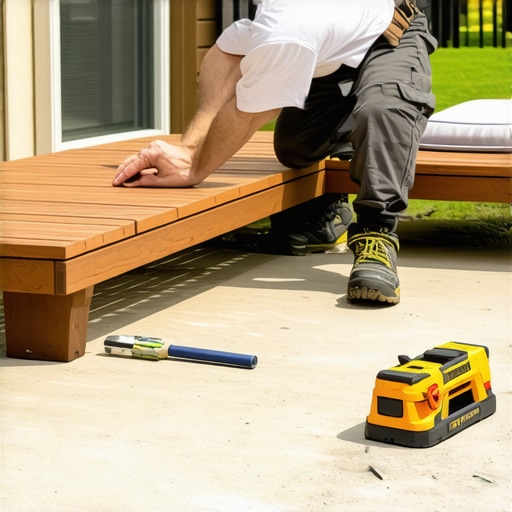
Many homeowners and even some professionals tend to oversimplify composite decking, perceiving it as a universally perfect, maintenance-free solution. However, this overlooks critical nuances that can impact long-term performance and aesthetic appeal. For instance, a prevalent misconception is that all composite materials behave identically under sun exposure or temperature fluctuations, but in reality, formulations vary significantly, affecting fade resistance and heat retention. Understanding these differences is essential; [studies have shown](https://deckdesignbuild.com/composite-decking-trends-2025-the-ultimate-guide-for-outdoor-enthusiasts) that capped polymer decks generally outperform traditional composites in high-heat environments—yet many still opt for cheaper, uncoated alternatives, risking costly repairs down the line.
Why Do Thin-Walled Stairs Fail Faster?
One often overlooked detail is the importance of structural thickness and reinforcement in outdoor stairs attached to composite decks. Many assume that standard stringer design suffices, but thinner or poorly supported stringers are prone to warping, cracking, or even collapse over time, especially without proper drainage and weatherproofing. Choosing a thicker, steel-reinforced framing or using a robust triple-stringer system can significantly extend lifespan and safety. For complex configurations, collaborating with a skilled deck builder ensures that subtle structural nuances—such as load distribution—are correctly addressed, avoiding premature failure.
Another crucial aspect involves the installation area’s grading and drainage. Water pooling at stair footings accelerates rot and corrosion, particularly when composite materials are exposed to moisture. Installing proper flashing, weep holes, and ensuring a level foundation mitigates these issues. This is an advanced detail often missed by DIYers, leading to long-term deterioration. Here, professional guidance might make the difference; a competent stair transition expert can optimize water flow and stability.
When planning your outdoor living area, consider the subtle interplay between material choice, structural reinforcement, and installation accuracy. These factors, while less obvious than color or style choices, are often the hidden keys to durability and safety. Remember, investing in quality and proper craftsmanship upfront can save you a great deal of time and money later. For more insights into premium outdoor living solutions, refer to our expert tips. Have you ever fallen into this trap? Let me know in the comments.

How Do I Keep My Deck and Stairs in Top Shape Over Time?
Regular maintenance is key to ensuring your composite decking and stairs stay beautiful and safe for years to come. I personally recommend scheduling a thorough cleaning at least twice a year, using a scrub-free cleaning method like [specialized composite deck cleaners](https://deckdesignbuild.com/4-scrub-free-ways-to-remove-2026-pollen-stains-tested). These products leverage advanced chemistry to lift stubborn stains without harsh scrubbing, preserving the integrity of the material. Additionally, inspecting for signs of wear or damage after severe weather storms helps catch issues early, preventing costly repairs down the line.
For protective measures, consider applying a breathable sealant designed specifically for composite materials. This enhances resilience against UV damage and minimizes fading—a common concern in outdoor environments. Also, check and tighten fasteners periodically, especially if you notice any wobbling in your stairs or deck boards. Using high-quality, corrosion-resistant screws and fasteners is vital; I prefer stainless steel or coated options that resist rust and mineral deposits, ensuring long-lasting stability.
Upgrading your lighting system with motion-activated LEDs not only adds convenience but also helps identify maintenance needs quickly at night. Installing a modular drainage system beneath your deck can prevent water pooling and encourage faster drying after rain, preserving the substrate and preventing issues like rot or mold. In the future, advancements in nanotechnology might introduce self-healing coatings for deck surfaces—keep an eye on this emerging trend to stay ahead in outdoor living care.
Why Choose Professional Help for Maintenance?
If you’re unsure about the condition of your deck or stairs, consulting with a seasoned deck builder can save you time and prevent costly mistakes. Professionals have the tools and expertise to perform detailed inspections, spot hidden issues like sub-frame corrosion, and recommend targeted repairs or upgrades. Remember, investing in expert maintenance today can extend the lifespan of your outdoor spaces significantly.
Looking ahead, the trend in outdoor living points toward smarter, more durable materials and integrated systems that monitor structural health in real time. For braver DIY adventurers, try implementing a high-tech moisture barrier beneath your deck—such an upgrade, supported by recent research, can significantly reduce wood rot and water damage, as documented in the latest structural guides. Your efforts now will pay off with a maintenance-free, stunning outdoor sanctuary for years to come.
What I Wish Someone Told Me About Durable Outdoor Benches
One of my biggest surprises was realizing that choosing the right composite material could make or break my outdoor project. I initially believed all composites were equal, but quickly learned that formulations vary widely, impacting fade resistance and heat tolerance. This lesson taught me to prioritize capped polymer options, which I now recommend to everyone aiming for longevity and low maintenance.
How Overestimating DIY Skills Can Lead to Costly Mistakes
I once attempted to install a bench without sufficient planning, which resulted in uneven surfaces and wobbling. That experience underscored the importance of precise site preparation and proper foundation work. Investing time in measuring, leveling, and understanding the installation process saved me from future headaches and prolonged the lifespan of my bench.
The Power of Structural Details Many Overlook
Initially, I underestimated the importance of reinforcement in outdoor stairs and bench supports. Using thicker, steel-reinforced framing significantly improved durability. This insight is vital—faint support structures can fail under weather stress or heavy use, so paying attention to structural thickness and support bracing is essential for lasting results.
My Top Resources for Outdoor Living Success
- Deck Design & Build Guide: This comprehensive resource offered me expert insights into optimal layout and material choices, helping me avoid common pitfalls.
- Trusted Composite Brands: I rely on well-reviewed brands like Trex and TimberTech because of their proven weather resistance and aesthetic appeal, ensuring my investment stands the test of time.
- Professional Deck Builders: Collaborating with experienced experts has been cost-effective and Peace of mind, especially when tackling complex installations or custom features.
- Online Forums and Communities: Connecting with fellow outdoor enthusiasts provided practical tips, fresh ideas, and encouragement through challenges I encountered.
Your Turn to Transform Outdoor Spaces
Building a stunning, durable outdoor living area with composite decking and stylish benches is within your reach. The key lies in thoughtful planning, choosing quality materials, and embracing expert advice along the way. As you embark on your project in 2026, remember that each step—no matter how small—brings you closer to the outdoor retreat you’ve envisioned. Don’t wait for the perfect moment—start transforming your space today with confidence and clarity.
What’s been your biggest challenge or breakthrough when installing outdoor benches? Share your experience below—I’d love to hear how you’re making your outdoor dreams come true.