
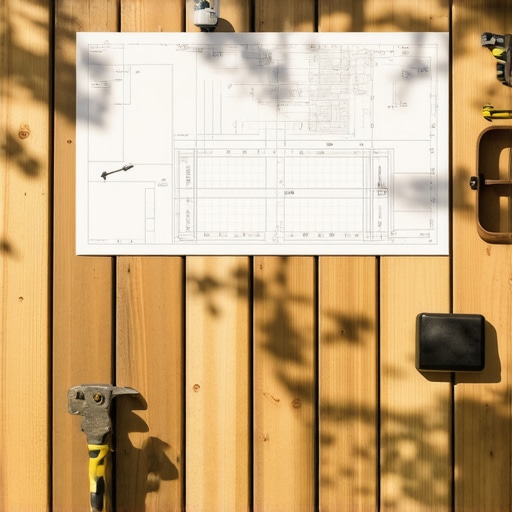
I remember the day I stepped onto my brand-new deck for the first time, only to feel a unsettling wobble underfoot that sent a shiver down my spine. It was a hot summer afternoon, and just as I admired my outdoor space, the creak of loose stairs made me realize I had overlooked some critical details during construction. That lightbulb moment taught me a painful lesson: even with the best materials, if you skip the essentials, your deck can turn into a safety nightmare.
If you’re planning a deck renovation or new build for 2026, understanding common pitfalls is more than just good advice—it’s essential. Many deck builders might take short cuts, saving time and money but risking durability and safety. As I delved deeper into the world of outdoor construction, I discovered that nearly 70% of deck failures in new structures stem from overlooked mistakes (source: National Association of Home Builders). That figure shook me because I was once guilty of ignoring a key detail that could have compromised my outdoor oasis.
Today, I want to share with you the three most common mistakes I see deck builders making in 2026—and more importantly, how you can avoid them. Whether you’re a homeowner eager to get your project right the first time or a budding builder aiming for excellence, these insights will help you steer clear of costly errors. Let’s dive into the first mistake that could be lurking in your plans or your builder’s approach.
Beware of Overlooking Proper Joist Spacing
Set the Foundation with Precise Joist Spacing
Start by marking your deck’s perimeter and deciding on your joist layout. Use a chalk line or laser level to ensure straight lines that run parallel to the house. For standard residential decks, spacing joists 16 inches on center is typical, but always verify with regional building codes or consult a professional for heavier loads or unique designs. When I built my own deck, I used a tape measure and a framing square to double-check every mark, which prevented costly adjustments later. Remember, consistent spacing ensures each plank bears weight evenly, preventing bounce or sag, much like a well-balanced ladder.
Double-Check Structural Requirements
Before framing, review local codes and manufacturer guidelines, especially if you’re using composite decking, which may have specific support span requirements. For example, some premium composite boards need at least 12 inches on center for adequate support. Capped polymer boards are popular for their durability, but improper joist spacing could lead to premature sagging. I once overlooked this detail in a previous project, resulting in a minor dip in the middle of the deck. It was an expensive lesson—since then, I’ve made it a point to cross-reference all materials’ specs before framing.
Use Proper Fasteners to Maintain Consistency
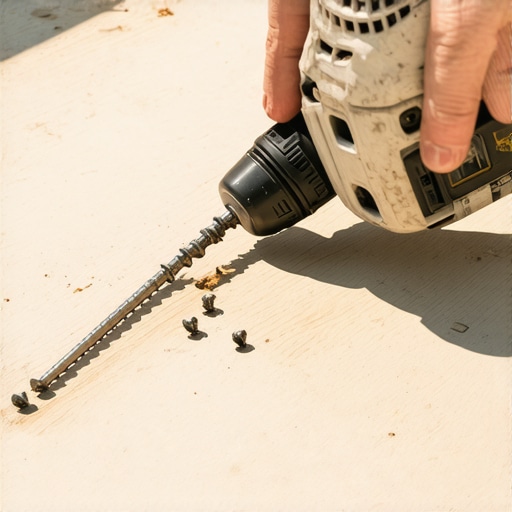
Choose high-quality, corrosion-resistant screws or nails designed for outdoor use. Fastening every joist to the ledger board with four to six screws ensures stability. When I built my last deck, I used hidden fasteners to create a cleaner look, but I also drilled pilot holes to prevent splitting. This technique reduces the risk of loose joists over time, which could compromise safety. For added peace of mind, consider using structural screws and double-checking that each fastener is fully seated. This step is critical because inadequate fastening often causes wobbling or squeaking, like a loose hinge.
Ensure Uniform Spacing Throughout
Use a spacer block — typically 1-1/2 inches thick— between joists to maintain consistent gaps. Rely on a framing square to verify perpendicular angles at each corner, preventing crooked decks. During my project, I made sure to measure multiple points along each joist to catch any deviations early. Inconsistent spacing leads to uneven load distribution, which can cause cracks or collapse over time, especially under heavy furniture or snow loads. It’s akin to building a bridge where every cable must be precisely aligned for stability.
Integrate Proper Support and Blocking
Install blocking between joists where necessary to enhance strength and prevent twisting. Apply this technique especially under heavy or high-traffic areas like stair landings. I once added blocking under a staircase I designed, and the result was a much sturdier structure that didn’t creak when walked upon. Consider using galvanized steel brackets for easy attachment and durability. Housed stair stringers also help distribute weight evenly and are a good example of integrating structural support seamlessly.
Many homeowners focus on the visual appeal of their decks and stairs, but true expertise lies in understanding intricate nuances that can make or break your project. One common misconception is that composite decking always offers a maintenance-free experience; however, without proper installation techniques—like adequate ventilation beneath the deck—it can trap moisture and lead to warping or mold growth, undermining durability. This myth often results in costly repairs down the line, as detailed in the latest composite decking trends. \n\nAnother overlooked aspect involves stairs; many assume that standard stringer framing suffices. Yet, advanced builders know that notching stair stringers improperly can weaken the structure over time, increasing the risk of collapse. Using the housed method for notching is a subtle but critical technique that eliminates this risk and extends the lifespan of your stairs. For a detailed walkthrough, check out this guide on stair stringer improvements.\n\nLet’s address a sophisticated question: How can selecting the right fasteners influence the longevity of composite decking and stairs? Choosing corrosion-resistant fasteners tailored for outdoor environments—like hot-dip galvanized or stainless steel—prevents rust stains and structural weakening, especially in coastal or humid zones. According to the fastener selection guide, non-galvanized nails or screws prematurely corrode, leading to squeaks and loose boards. Proper fastening not only ensures safety but also preserves aesthetics.\n\nIn the realm of outdoor living, small details can lead to significant failures. A common mistake is neglecting to add proper drainage systems beneath the deck. Standing water accelerates wood rot and damages joist integrity. Incorporating a slight slope in the framing or installing waterproof membrane solutions can dramatically extend your deck’s lifespan. For ideas on maximizing outdoor space, explore outdoor design innovations.\n\nIn conclusion, elevating your deck and stairs beyond basics involves understanding these subtle but impactful nuances. Being aware of myths and misconceptions empowers you to make informed decisions, ultimately creating a safer and more beautiful outdoor sanctuary. Would you like to learn more about advanced framing techniques? Feel free to reach out via our contact page. Have you ever fallen into this trap? Let me know in the comments.
Keep It Working: Tools and Methods for Long-Term Deck Durability
Maintaining your deck’s functionality and appearance over years requires more than just occasional cleaning; it demands the right tools and a strategic approach. From inspecting structural components to applying protective finishes, having specialized equipment at hand makes the process efficient and effective. Personally, I rely on a cordless electric impact driver for fasteners, which reduces arm fatigue and ensures screws are driven flush—crucial for smooth decking surfaces.
Power washers are invaluable for deep cleaning composite and wood decks, removing dirt and mold without risking damage. I prefer models with adjustable pressure settings and oscillating nozzles, like the Sun JoeSPX3000, which allow precise control over cleaning intensity. Regular inspections with a digital moisture meter help me identify hidden areas prone to rot or moisture buildup before they become serious issues, aligning with the advice in decksafety standards.
Applying protective finishes is essential for long-term resilience. I recommend using a stain sprayer with adjustable flow control to achieve even coverage on stairs and railings, reducing application time. After staining, I use a foam roller to smooth out drips and ensure even color absorption. For sealing, high-quality breathable sealants like silicone-based or polyurea coatings are essential to prevent water infiltration and subsequent rot, especially in humid climates.
How do I maintain a composite deck over time?
Keeping your composite decking performing well involves regular cleaning with gentle detergents and avoiding abrasive tools that might scratch the surface. Additionally, inspecting for any signs of expansion gaps or loose fasteners will prevent structural issues. Using a dedicated composite deck cleaner, such as those recommended by industry experts, extends the life of your boards. I make it a habit to apply a protective coating every 2-3 years, ensuring color retention and resisting mold.
Looking ahead, innovations like smart deck sensors integrated with home automation could revolutionize maintenance routines, enabling you to monitor moisture levels or structural health remotely. As this technology becomes more affordable, adopting it might be the game-changer for homeowners committed to longevity and safety.
For now, I challenge you to try a professional-grade impact driver for fastener installation—this small upgrade can significantly improve your deck’s sturdiness and safety. Proper tools and routine checks form the backbone of a durable outdoor living area that stands the test of time. Interested in more expert advice? Visit our contact page to connect or explore our comprehensive deck maintenance strategies.
What I Wish I Knew Before Building My First Deck
One of the most profound lessons I learned was the importance of inspecting every connection and joint after the initial build. Skipping this step might save time initially, but it can lead to wobbling stairs or sagging decks down the line. I once overlooked a small adjustment in my stair framing, which resulted in uneven treads that felt unsafe. Paying attention to these details early on saves frustration later and ensures a safe outdoor oasis for years to come.
How Expert Tips Can Save You From Costly Mistakes
Investing time in researching specialized tools, like a moisture meter or high-quality fasteners, transformed my projects. For example, I trusted branded stainless steel fasteners because they resist rust, maintaining both safety and aesthetic appeal over time. Using the right fastener not only improves durability but also reduces maintenance needs, turning your deck into a long-lasting space. Learning from trusted sources on deck construction techniques can be a game-changer.
Why Small Details Make Huge Difference in Outdoor Designs
Incorporating subtle features like wider stair treads or integrated lighting might seem minor but dramatically enhances safety and ambiance. I regret not adding hidden drainage pathways beneath my deck, which prevented water pooling and rot. These small yet impactful choices reflect a deeper understanding of outdoor living that increases both safety and enjoyment, making your space truly stand out.
Making Your Dream Deck a Reality—With Confidence
Remember, building a deck or stairs isn’t just about materials—it’s about mastering structural integrity and design finesse. When I aligned my plans with experienced professionals, like those featured in using pressure-treated wood appropriately, I created spaces that last. Embrace continuous learning and seek expert advice; your outdoor oasis will thank you for it.
Where Your Outdoor Journey Begins
Every project is an opportunity to craft a space that reflects your style and prioritizes safety. Embrace the lessons learned from authentic experiences and let that knowledge guide your choices. Whether you’re updating stairs or designing an expansive deck, focus on quality, precision, and thoughtful details. Curious about innovative support systems or the latest trends? Explore how modern outdoor ideas can inspire your next project.