
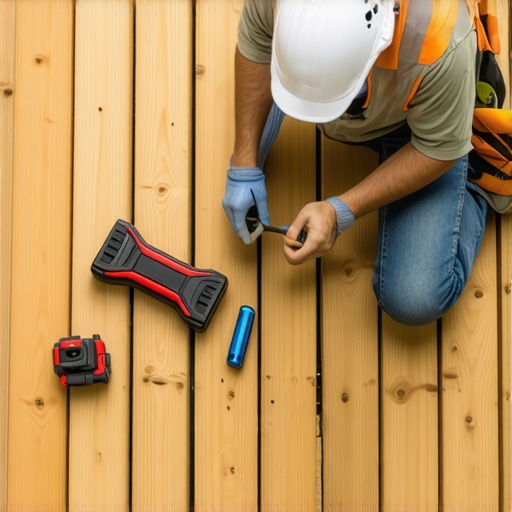
I remember the moment clearly. My new deck was finally finished, and I stepped outside, expecting to enjoy a summer evening. Instead, I felt a creak under my foot—a loud, unsettling sound that made my stomach drop. Turns out, I had overlooked a crucial mistake during the build, one that many homeowners don’t realize until it’s too late. That experience taught me a vital lesson: not all deck builders follow best practices, and some shortcuts can cost you dearly in the long run.
If you’re like me, eager to transform your backyard into a beautiful outdoor oasis, it’s easy to get carried away with the aesthetics. But beneath the surface, some common shortcuts can jeopardize your safety, durability, and budget. Today, I want to share insights into the three most costly shortcuts deck builders often take in 2026 and how you can identify them before they turn into expensive problems.
Why Cutting Corners Can Cost You Big Time
Choosing the wrong contractor, or trusting one who cuts corners, can lead to structural issues, safety hazards, and skyrocketing maintenance costs. According to a report from the National Association of Home Builders, improper installation is one of the top causes of deck failures, often linked to shortcuts like inadequate framing or poor material choices. Recognizing these early signs can save you thousands in repairs and even prevent accidents.
In my case, the creaking sound was a red flag I ignored. Had I known what to look for, I could have pointed it out during construction, saving me stress and money down the road. That’s why understanding the common shortcuts—from subpar fasteners to neglecting proper drainage—empowers you to ask the right questions and demand quality workmanship.
So, what are these costly shortcuts, and how can you spot them? Keep reading, and I’ll guide you through the red flags that can make or break your outdoor living investment. Ready to become a savvy homeowner who doesn’t fall for quick fixes? Let’s dive in.
Have you ever faced unexpected problems from a seemingly well-built deck? Share your experience—I’d love to hear your story!
Assess the Build Site Thoroughly
Start by inspecting the area where your deck will be installed. Clear away debris, check for proper leveling, and identify potential drainage issues. As I did during my project, laying out the site helps reveal hidden problems like uneven terrain or water pooling, which can compromise your deck’s foundation. Use a level and a water hose to simulate rain runoff, ensuring the ground slopes properly away from the structure.
Demand Skilled Framing and Support
Strong framing is the backbone of a safe deck. Instead of accepting standard joist spacing, insist on 12-inch centers, especially if heavy furniture or hot tubs are involved. I once encountered a builder proposing 16-inch spacing, which made the deck wobble under minimal weight. Correct support involves precise measurements and quality materials—avoid shortcuts like using only nails instead of screws, which won’t hold over time.
Verify Material Quality and Fasteners
Choose high-quality composite decking with proven durability against weather and UV damage. During my build, I selected brands tested for heat resistance and low-maintenance, preventing warping after summer heatwaves. Also, specify stainless steel or coated fasteners to prevent rust and ensure longevity. Recognize cheap fasteners are tempting but tend to loosen or corrode, leading to structural issues. For guidance, check out this article.
Inspect Support Post and Beam Connections
Connections must be reinforced with proper brackets and corrosion-resistant hardware. I learned the hard way that neglecting these leads to post rot. Use galvanized or stainless-steel connectors, and ensure posts are anchored on concrete pads or footing blocks that resist moisture intrusion. Sit down with your builder to review their plans; if they overlook these details, look elsewhere.
Ensure Proper Drainage and Ventilation
Good drainage prevents water accumulation that causes wood rot and fastener corrosion. During my project, I installed a slight slope in supports and added vents to promote airflow underneath. Use gravel or crushed stone under the deck to facilitate water runoff. Skimping on drainage methods is a common shortcut that leads to long-term issues; always require detailed drainage plans from your contractor.
Hire Experienced Deck Professionals
Lastly, vet your builder carefully. Request references and review their portfolio to verify craftsmanship. I asked my builder about their experience with composite decks and proper framing techniques; their detailed responses and previous projects reassured me. Recognize warning signs like vague answers or reluctance to share references, which can signal shortcuts or lack of expertise. For tips on vetting contractors, see this guide.
Many homeowners believe that choosing premium composite decking and hiring a reputable deck builder guarantees a flawless outdoor space, but the reality is more intricate.
Why are some seemingly perfect decks prone to cracks or wobbling over time? The answer lies in overlooked nuances that even experienced builders sometimes miss.
One common misconception is that standard fasteners and support structures suffice for all designs. Yet, in practice, these choices can lead to creaking stairs and sagging decks, especially when extreme weather conditions, like the 2026 heatwaves, stress the materials. According to expert sources like this article, using high-quality fasteners and steel supports dramatically improves the longevity and safety of your outdoor structures.
Another subtle pitfall is neglecting proper drainage beneath the deck. Even a slight oversight—such as insufficient slope or poor gravel base—can cause water pooling, leading to post rot and the development of slippery mold. This trap is often hidden until years later, when the damage becomes costly to repair. A deep understanding of drainage strategies is crucial, and working with a skilled deck builder who specializes in these details is invaluable.
Beyond materials, the design of stairs warrants special attention. Many assume standard dimensions are sufficient, but advanced users know that proper riser and tread proportions are vital for safety and comfort. For instance, a riser height over 7 inches can cause tripping hazards, especially for elderly or young users. The subtle art of staircase design involves integrating wider treads and better support, which is often underestimated. For inspiration and technical guidance, explore this dedicated resource.
In fact, one of the most insidious mistakes is underestimating the impact of environmental factors—like UV, moisture, and temperature swings—on composite materials. Many assume that modern composites are maintenance-free, but in reality, improper selection or installation can lead to warping or fading. Choosing brands tested for 2026’s unique climate challenges is essential, as detailed in this post.
For those ready to elevate their outdoor spaces with durable, beautiful decks and stairs, it’s crucial to look beyond surface appearances. Engage with a professional who understands these nuances and employs best practices in every stage— from site prep to finishing touches. A skilled deck builder ensures these hidden details are ironclad, saving you time, money, and future headaches. Have you ever fallen into this trap? Let me know in the comments and share your experience.
Keep Your Deck in Peak Condition with Precision Tools
Maintaining a beautiful, long-lasting deck requires the right equipment to address common issues like fastener rust, wood rot, and surface wear. Personally, I rely heavily on a high-quality orbital sander, such as the Makita BO5041, which allows me to gently strip away surface grime and prepare the decking for cleaning or sealing—saving time and ensuring an even finish. For fastener issues, a magnetic screw retrieval tool proves invaluable for removing embedded or rusted screws without damaging the surface. Investing in a torque wrench helps me ensure that support bolts are tightened to manufacturer specifications, preventing structural wobble over time.
Mastering Deep Cleaning to Prevent Damage
Preventative maintenance involves regular cleaning to minimize mold, algae, and surface dirt accumulation. I recommend using a pressure washer with adjustable pressure settings—setting it to no more than 1500 psi—to avoid damaging composite materials. For routine cleaning, I use a gentle, eco-friendly cleaner like Simple Green, which effectively removes stains without harming foliage or the deck surface. Regular cleaning not only keeps your deck looking fresh but also extends its lifespan, especially when combined with periodic sealing.
Sealing and Protecting for Long-Term Results
Applying a high-end, UV-resistant sealant like Behr Premium DeckOver significantly enhances durability against weather and UV rays, which are major enemies of outdoor structures. I prefer using a sprayer for even application, followed by back-brushing to ensure deep penetration into the composite’s surface. Periodic reapplication, typically every 2-3 years, helps maintain the deck’s appearance and structural integrity. Proper sealing acts as a barrier against moisture intrusion and helps prevent early signs of rot or warping, especially crucial in climates prone to heavy rain or intense sunlight.
How do I maintain composite decking and stairs over time?
Consistent inspection is your best tool. Check for loose or rusted fasteners, surface scratches, and signs of water pooling. For quick fixes, I recommend keeping a set of stainless-steel fasteners and a power drill on hand to tighten or replace hardware as needed. Additionally, me personally, I use a non-abrasive scrub brush in conjunction with a deck cleaner on stubborn stains—this approach prevents scratches and preserves finish quality. In the future, I predict smart monitoring sensors embedded into decking could alert homeowners to early signs of structural issues, enhancing proactive maintenance. To get ahead of these trends, consider trying advanced sealing techniques combined with routine surface checks—it’s the secret to keeping your outdoor living space stunning for years. For comprehensive guidance, visit this resource for ideas on maintaining seamless transitions and durable stairs.
The Hardest Lesson I Learned About Stairs and Decks in 2026
One personal insight that forever changed my approach to outdoor living is realizing that each deck and staircase project demands meticulous attention to nuanced details. For instance, overlooking the importance of proper railing supports could lead to safety hazards I hadn’t initially suspected. Embracing the complexity rather than dismissing it has been the key to achieving durable, stunning outdoor spaces.
Discover the Tools That Turn Maintenance Into a Breeze
Having the right equipment makes all the difference. I trust a high-quality orbital sander for great surface prep and a magnetic screw retrieval tool to handle rusted fasteners efficiently. These tools empower me to maintain the beauty and integrity of composite decking with less hassle and more confidence, inspiring me to explore even more innovative solutions for outdoor upkeep.
Transform Your Outdoor Space – The Power of Proactive Choices
Investing in a skilled deck builder who understands advanced materials and construction techniques ensures your outdoor living area withstands the test of time, weather, and daily use. Don’t settle for shortcuts that could cause long-term regret; instead, seek out expertise and detailed planning. If you’ve faced issues like creaky stairs or early warping, share your story below—your experience could help others avoid the same pitfalls!