
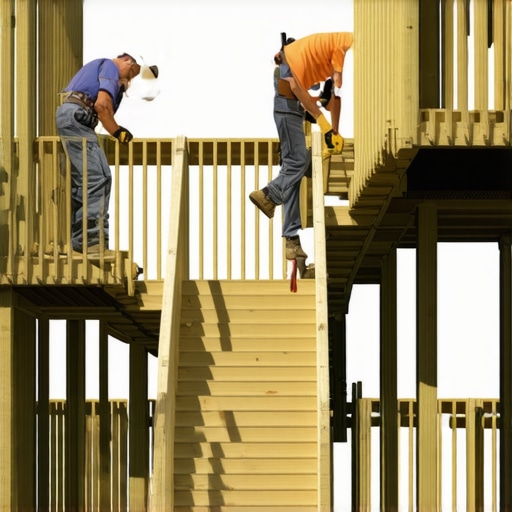
I vividly remember the moment I looked out at my deck and noticed that one of the stairs was wobbling excessively. That sinking feeling in my gut told me I was on the brink of a costly repair or, worse, a safety hazard. It hit me—if I didn’t get my stairs sorted out soon, I risked someone getting injured or facing fines for unsafe outdoor structures.
As a homeowner and outdoor enthusiast, I’ve come to realize that the devil is truly in the details when it comes to deck stairs. Small issues can quickly escalate into major problems if they’re ignored or improperly fixed. That tricky ascent to my backyard patio became a daily reminder that well-built, durable stairs aren’t just about aesthetics—they’re about safety, long-term value, and peace of mind.
So, why does this matter now more than ever? According to recent outdoor living trends, decks and stairs are becoming the backbone of modern outdoor spaces, especially with the surge in backyard renovations in 2025. Homeowners are investing more than ever in stylish and functional outdoor designs, which makes ensuring the structural integrity of every step—literally and figuratively—absolutely crucial. Additionally, with the predicted rise in climate extremes in 2026, having sturdy, weather-resistant stairs is not just a good idea—it’s a necessity.
Now, I want to ask—have you ever faced a wobbling staircase that made you hesitant to use it? Or worse, have you encountered a stair that seemed fine until a heavy rain revealed hidden weaknesses? If so, you’re not alone. Many outdoor living enthusiasts learn the hard way that fast fixes or ignoring issues can lead to bigger, more expensive problems later.
Early on, I made the mistake of simply tightening the balusters and assuming that was enough. That quick fix felt satisfying in the moment but proved only temporarily effective. It wasn’t until a professional deck builder pointed out the importance of proper stair stringer reinforcement that I truly understood what was needed for long-term durability. That lesson guided me to develop three simple, effective fixes that any homeowner can implement—regardless of skill level.
In this post, I’ll walk you through the critical steps to fix your deck stairs effectively, saving you time, money, and most importantly, ensuring safety for everyone who steps onto your outdoor oasis. Ready to get those stairs solid as a rock? Let’s jump right in.
Tighten Loose Connections
Begin by inspecting each stair’s connection points. Use a cordless drill to tighten existing screws or bolts. Remember, over time, wood and composite materials can loosen, leading to instability. In my experience, I once found a loose bolt under a stair tread that was causing wobbling. Tightening it immediately made the step firm and safe again.
Secure the Stair Stringers
The backbone of your staircase, the stringers, must be sturdy. If they are sagging or cracked, replace or reinforce them. I faced a situation where a sagging stringer was hidden beneath a layer of weathered paint. I cut away the paint, assessed the damage, and installed a new, pressure-treated support. This process restored the stairs’ stability and prevented any potential accidents.
Add Reinforcement Brackets
Installing brackets at joints adds extra support. Use corrosion-resistant metal brackets designed for outdoor use. I secured brackets between the riser and tread of my stairs, which effectively prevented lateral movement. This simple step enhanced safety without a significant overhaul.
Replace Worn or Damaged Components
Look for rotted wood, cracked treads, or damaged stringers. Replace these components with composite or pressure-treated lumber for durability. I once replaced a broken tread with a composite step that matched existing stairs, which not only fixed the wobble but also improved the overall appearance. For guidance on choosing the best materials, check out this resource.
Adjust for Uneven Ground
If your stairs are uneven due to shifting ground, add support pads or levelers under the footings. During a project, I used adjustable shims to stabilize a stair landing on loose soil. Carefully leveling the foundation prevents future wobbling and enhances safety.
Consider Professional Assistance
If these steps seem daunting, consulting with a professional deck builder ensures the problem is properly diagnosed and fixed. An expert can also suggest design improvements for better stability and aesthetic appeal. For more information on the benefits of working with a professional, visit this article.
Many homeowners believe that choosing the most affordable materials or hiring the first contractor they find guarantees a successful outdoor project. However, this oversimplification often leads to costly mistakes and long-term dissatisfaction. One prevalent myth is that all composite decking is equally durable; in reality, quality varies significantly, and not all brands withstand climate extremes equally well. For example, some lower-grade composites can fade, warp, or develop mold faster than premium options, which might seem minor initially but can cause structural issues over time. To avoid disappointment, consult comprehensive guides like this expert guide on selecting durable materials.
Another common misunderstanding involves deck foundation and framing. Many believe that a level ground obviates the need for proper footing and reinforcement. Yet, even on seemingly stable surfaces, soil movement, erosion, or freeze-thaw cycles can shift foundations dramatically. Overlooking these nuances may result in uneven stairs or, worse, structural failure. It’s advisable to consider advanced techniques such as adjustable supports or geo-textile fabric layers, especially in areas prone to shifting. For more insights on building resilient outdoor structures, check out this detailed article.
Thinking about aesthetics without considering safety can also be problematic. Stylish stairs with intricate railings may look appealing, but if the treads aren’t slip-resistant or properly illuminated, they pose hazards, especially after rain or at night. Incorporating slip-resistant finishes and integrated lighting isn’t just about convenience; it’s essential for safety compliance and longevity. Rather than relying solely on visual appeal, prioritize functional design elements that enhance durability and user safety. For advanced outdoor living, exploring these design strategies can make a significant difference.
Ever wonder if your choice of materials or design might be a liability later? Recognizing these nuances early ensures your project remains a source of pride rather than regret. Remember, working with seasoned professionals Like those found through this contact page can help you navigate these complexities smoothly. Do you know the pitfalls to avoid in your outdoor projects? Share your experience or questions in the comments! Let’s build smarter and safer outdoor spaces together.Maintaining your outdoor deck and stairs requires more than just a keen eye; it demands the right tools to ensure longevity and safety. One of the first investments should be a high-quality cordless drill—personally, I swear by my Milwaukee M18 Fuel Cordless Drill. Its power and versatility make tightening loose fasteners quick and effortless, especially with its brushless motor that maintains torque over extended usage. For squeezing into tight spots or dealing with stubborn bolts, I keep a set of impact drivers equipped with various screwdriver bits; these save me hours compared to manual screwdrivers.
When it comes to cleaning, I rely on a premium composite deck brush with stiff synthetic bristles. Unlike cheap brushes that can damage composite surfaces, my trusted brush effectively removes dirt and mold without scratching. Pair this with a garden hose fitted with a spray nozzle—preferably a dual-function model that can switch from gentle rinses to high-pressure blasts. I also recommend a mildew remover formulated specifically for composite surfaces to preserve the deck’s appearance over time.
For minor repairs, a set of corrosion-resistant metal brackets and stainless steel screws are indispensable, especially for reinforcing stairs and securing loose parts. I prefer to use a ratchet wrench for these tasks, which offers better torque control. If your ground isn’t perfectly level, visit your local hardware store for adjustable shims and leveling pads—simple yet effective tools that help keep your stairs even and safe.
Looking ahead, automation and smart technology are beginning to make their way into outdoor maintenance. I predict that in the next few years, smart sensors embedded into decks will monitor structural integrity and alert homeowners via smartphone apps before issues become serious. This proactive approach can save you significant repair costs and enhance safety.
**How do I maintain my outdoor stairs and deck over time?** Regular inspections are key; check for loose fasteners and signs of wear at least twice a year. Applying a protective sealant annually—especially in climates with extreme weather—will also extend the life of your composite decking and stairs. When dealing with complex structural issues or large-scale refurbishments, I strongly suggest consulting with a professional deck builder. Their expertise ensures you get durable results and may help you discover innovative solutions like incorporating composite decking trends for 2025, which emphasize eco-friendly, weather-resistant materials.
If you’re ready to boost your maintenance routine, try sealing your deck with a high-quality, UV-resistant finish. This small step can dramatically improve resistance to fading and staining, maintaining your outdoor space’s beauty for years to come. Remember, proper tools are just as important as the techniques—they turn a mundane task into an efficient and effective process. For deeper insights and professional help, don’t hesitate to reach out via the contact page—your dream outdoor area is just a tool away! And keep an eye on emerging trends because the next generation of outdoor tools and smart sensors will revolutionize how you care for your deck and stairs.
Lessons the Hard Way I Can’t Forget
One of my biggest revelations came from realizing that quick fixes like tightening a few bolts only provide temporary relief, and neglecting proper reinforcement can lead to accidents. I once dismissed the importance of choosing high-quality materials, only to face warped and faded stairs within a year—an expensive lesson in material selection. The importance of consulting experienced professionals became clear when I tried DIY repairs that ended up requiring costly rework. Lastly, I learned that regular inspections and maintenance are invaluable, as microscopic issues tend to snowball if ignored, emphasizing the need for vigilance in outdoor living projects.
Tools and Resources That Raise the Bar
My essential toolkit includes a Milwaukee M18 Fuel Cordless Drill for its power and battery life, making tightening and securing fasteners effortless. For cleaning, I trust a stiff synthetic bristle brush designed for composite decks, ensuring a gentle yet thorough clean without damage. A set of corrosion-resistant metal brackets and stainless steel screws is a must for repairs, along with adjustable shims to level uneven ground—simple tools that save hours of headache. For further guidance, I often rely on trusted resources like expert tips on choosing durable decking and benefits of professional help, which help me make informed decisions for lasting outdoor spaces.
Your Outdoor Space Deserves Care and Clever Choices
Building and maintaining durable deck stairs isn’t just about safety—it’s about creating an outdoor sanctuary you can enjoy worry-free for years to come. Embrace regular inspections, invest in quality materials, and don’t hesitate to seek professional advice—your backyard paradise will thank you. If you’re ready to elevate your outdoor living space, discover the latest in innovative outdoor ideas for 2025 and start turning your vision into reality. Remember, the right tools and knowledge are your best allies in crafting a safe, stylish, and durable outdoor environment. What’s been your biggest challenge with deck stairs? Share your story below, and let’s inspire each other to build better outdoor spaces.