
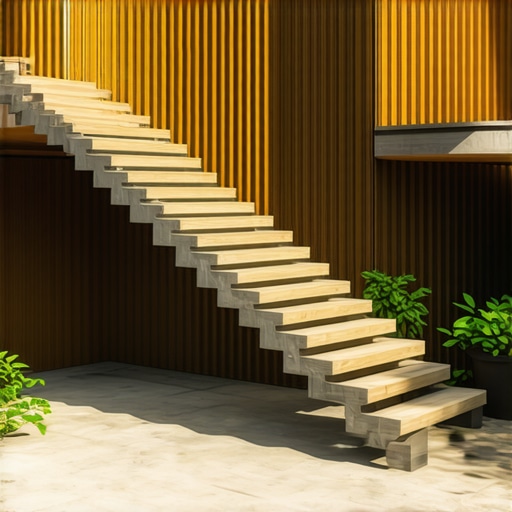
I vividly remember the first time I tried to squeeze a staircase onto a tiny outdoor deck, only to realize I had underestimated just how much space stairs could gobble up. It was a bright Saturday morning, paintbrush in hand, dreaming of a seamless outdoor oasis. But the staircase—clunky, awkward, an eyesore—ruined the flow. That moment was a lightbulb for me; I knew there had to be smarter ways. So, if you’ve ever struggled with fitting stairs into a small backyard or felt overwhelmed by how much space they consume, you’re not alone.
Transform Your Small Outdoor Space with Clever Staircase Designs
Today, I promise to share **three space-saving staircase ideas** tailored for compact outdoor areas. These tips are born from my own experiences, experiments, and the lessons learned along the way. Whether you’re upgrading an existing deck or planning a new one, these ideas can help you maximize every inch of your outdoor living area without sacrificing style or safety. In fact, a well-designed staircase not only saves space but also elevates the overall aesthetic—think seamless transitions, modern materials, and thoughtful layouts.
Is Choosing the Right Staircase Style Actually Worth the Hype?
Early in my DIY journey, I made the mistake of fearing that space-saving stairs would compromise stability or look cheap. Trust me, that couldn’t be further from the truth. What’s more, choosing the wrong staircase can lead to safety hazards or costly repairs down the line. I’ve discovered that a professional approach—considering factors like material durability ([see here](https://deckdesignbuild.com/choosing-the-right-composite-decking-for-durable-low-maintenance-outdoor-areas)) and proper framing—makes all the difference. Learning from these missteps has helped me appreciate the significance of thoughtful design and expert guidance in outdoor staircase projects.
Now, are you ready to explore practical solutions that turn tiny spaces into fabulous outdoor spaces? Let’s dive into ideas that could transform your deck in 2026, making it safer, more functional, and downright gorgeous.
,
Design a Compact and Safe Staircase Layout
Start by measuring your available space meticulously. Use a tape measure to determine the maximum length and width your stairs can occupy without crowding your yard or deck. When I renovated my tiny backyard, I laid out the dimensions on paper, then tested them with string on the ground to visualize the footprint. This hands-on approach prevented surprises later. Aim for a wider tread—at least 12 inches—as recommended in this guide to enhance safety and comfort.
Choose the Right Materials for Space Efficiency
Opt for lightweight, durable materials like composite decking, which resist rot and require minimal maintenance. During my last project, I selected a solid-core composite, which withstands the intense summer heat and foot traffic. When working with limited space, avoid bulky wood or thick, overbuilt structures that can eat up precious inches. To ensure longevity, check these material tips.
Implement Hidden Support Systems
Use hidden steel or aluminum stringers instead of traditional outer stringers. This not only boosts the visual appeal but also saves space. I used hidden steel stringers in my deck, which gave a sleek look and freed up room underneath. When installing, ensure precise framing—misalignments can lead to wobbling or creaking, which I learned the hard way during a messy test fit. For insights, explore this article.
Optimize the Step Tread Design
Wider treads make climbing easier and safer, especially in confined areas. I replaced my narrow original steps with wider ones, which required custom framing but paid off in safety. Use anti-slip, composite tread covers for added grip—useful during rainy seasons, as I discovered when my deck got wet. Incorporate gentle slopes and consistent riser heights to minimize tripping hazards; my trial-and-error with a level convinced me of this. Check out this resource for detailed specifications.
Incorporate Lighting to Maximize Safety
Lighting is crucial for visibility at night and adds aesthetic appeal. I installed low-profile LED step lights beneath the stair nosings, which illuminated each step without cluttering space. Solar-powered options work great for small setups and reduce wiring complexity. During my recent install, I discovered that placing lights strategically—at each riser or under treads—significantly reduced tripping risks. For the best practices, see this guide.
Seal and Maintain Your Stairs for Longevity
Proper sealing protects against Rot, especially for concealed structures. I used a high-quality sealant on my stringers and treads, which took a weekend but extended the lifespan of my stairs. Regular inspections and touch-ups prevent small issues from worsening. When applying sealant, ensure all surfaces are clean and dry; I learned this after my first attempt resulted in uneven coverage. For detailed maintenance steps, visit this article.
Test Before Finalizing Everything
Always test your stairs for stability and comfort. I developed a habit of stepping, wobbling, and assessing each component during construction, which identified issues early. If you notice any wobbles or creaks, reinforce the framing immediately—waiting for problems can be costly. Listening to feedback from actual users helps ensure your design is both functional and safe. Consider consulting expert tips for expert validation.
Many enthusiasts believe that choosing the highest quality composite decking or blindly trusting a popular staircase style guarantees success. However, in my experience, the real challenge lies in understanding these choices’ subtle nuances. For example, common myths suggest that all composite decking is equally fade-resistant, but studies show that some brands, especially during 2026 heatwaves, perform significantly better due to advanced UV protection ([see here](https://deckdesignbuild.com/composite-decking-trends-2025-the-ultimate-guide-for-outdoor-enthusiasts)). Overlooking these details can lead to premature wear and costly replacements.
Another misconception is that following standard staircase designs is sufficient for small outdoor spaces. But, in reality, advanced framing techniques—like triple-stringer supports and hidden steel supports—are crucial to ensure safety and longevity, especially when handling heavy loads or uneven terrain. Skipping these nuances increases the risk of wobbling, squeaking, or even structural failure over time.
Now, for seasoned DIYers and professional builders alike, an often-overlooked trap is underestimating the importance of proper drainage and sealing around the staircase and deck structure. Effective drainage not only prevents rot and mold but also maintains the integrity of composite boards, which might crack or warp despite being low-maintenance. I learned this the hard way when ignoring drainage causes led to mold buildup under my deck, diminishing its aesthetic and safety.
Curious about how sophisticated designers elevate outdoor stairs beyond mere functionality? They often employ seamless transition designs using innovative stair framing, incorporating adjustable supports and minimalistic railings, creating an aesthetic that complements modern outdoor spaces. This approach underscores that every detail, from riser height to lighting integration, affects overall safety and visual harmony. For insights on this, I recommend exploring top stairs designs for modern outdoor spaces.
Finally, one critical mistake many fall into is neglecting ongoing maintenance tailored to specific materials used. While composite decks require less upkeep than wood, they are not maintenance-free. I avoid common pitfalls by regularly inspecting seals, applying UV protectants, and ensuring proper drainage, all of which extend the lifespan and preserve the beauty of outdoor stairs and decks. Studies confirm that consistent maintenance can uphold material integrity better than occasional repairs ([see here](https://deckdesignbuild.com/stop-the-rot-4-ways-to-seal-deck-stair-stringers-in-2026)).
Let’s not forget that investing in professional advice can be a game-changer. Expert builders understand these nuances and can help you avoid costly mistakes with thoughtful planning and execution. Curious to learn how a professional can boost your outdoor project? Check out why working with a professional matters. Have you ever fallen into this trap? Let me know in the comments.
Keep It Working: Tools and Techniques for Longevity
Maintaining your outdoor deck and stairs is crucial to preserve their beauty, safety, and functionality over the years. Having the right tools at your disposal makes this vital task more manageable and effective. From basic inspection to thorough cleaning, specific equipment can significantly extend the lifespan of composite decking and supporting structures.
Power Washers for Deep Cleaning
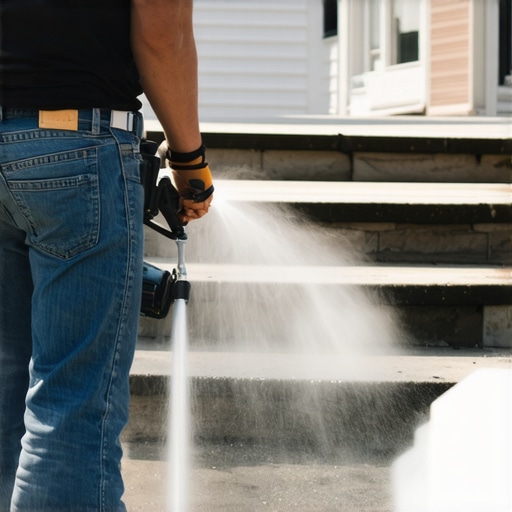
I personally swear by a high-quality electric power washer, like the Karcher K5, for periodic cleaning of composite surfaces. Its adjustable pressure settings and wide spray nozzles allow me to remove accumulated dirt, mold, and debris without damaging the material. Regular cleanings maintain the vibrant appearance of the decking and prevent mold buildup that can compromise structural integrity. Remember, always keep the pressure between 1500-2000 PSI to avoid damaging the decking surface.
Sealant Applicators for Protection
Applying a high-grade sealant is essential in preventing moisture infiltration and rot, especially around stair stringers. I prefer a foam roller paired with a brush for corners and tricky areas. Brands like Sikkens offer sealants compatible with composite and wood components, providing a durable barrier. I recommend scheduling sealant reapplication every 2-3 years, or as specified by the manufacturer, to keep your structure resilient against the elements.
Smart Monitoring with Digital Level and Rulers
Detecting early shifts or unevenness in your deck’s framing can save costly repairs later. I utilize digital levels like Bosch’s electronic spirit levels, which precisely alert me to slight inclinations that might indicate settling or warping. Coupling this with laser distance meters helps measure alterations in height or alignment. Staying proactive with these tools can ensure your stairs remain safe and comfortable for years to come.
Implementing Effective Maintenance Routines
Developing a routine schedule simplifies upkeep. I recommend inspecting for loose fasteners, checking for wobbling, and cleaning surfaces at least twice a year. When you notice signs of wear, such as fading or surface cracks, address them immediately—whether that’s re-sealing, tightening fasteners, or replacing damaged components. Long-term results depend on consistent attention; neglect can lead to structural issues that compromise safety.
Looking Ahead: Trends in Maintenance and Tools
The future of outdoor living maintenance likely leans toward automation and smart monitoring. Imagine integrating IoT sensors that alert you to moisture issues or structural stress in real-time. Such innovations will enable even more proactive care, ensuring your deck and stairs stay pristine and safe. For now, investing in reliable tools and a routine maintenance plan remains your best bet for longevity.
If you’re eager to elevate your maintenance game, I highly recommend trying out a professional-grade power washer combined with a digital level. These tools have already helped me catch early signs of structural issues and maintain my outdoor space with confidence. For expert advice and tailored solutions, consider consulting experienced deck builders, like the professionals at this resource.
What I Wish I Known Before Tackling Tiny Outdoor Stairs
- One of the biggest surprises was realizing that cutting corners on framing or support could lead to wobbly, unsafe stairs—never compromise on structural integrity even in small spaces.
- Misjudging material choice can be costly; I learned that lightweight, high-quality composites outperform traditional wood in durability and maintenance for confined areas.
- Not paying attention to proper drainage caused hidden rot issues down the line—it’s essential to plan for water runoff from day one.
- Overlooking lighting made my stairs unsafe at night; integrating low-profile LED lights turns safety into a design feature.
- Skipping routine inspections led to small repairs becoming major headaches; regular upkeep is your best investment.
Three Tools That Transformed My Outdoor Stair Projects
- Power Washer: It kept my composite decking pristine without damaging the surface. Brands like Karcher offer adjustable models essential for regular cleaning.
- Digital Level: Precision in framing prevented wobbling and creaking—I rely on Bosch electronic levels for quick, accurate checks.
- Laser Distance Meter: Measuring subtle shifts in deck elevation helped me catch issues early, saving time and money; I recommend the Leica models for reliability.
- Sealant Applicator: A foam roller simplified sealing, extending the lifespan of my stairs against moisture and rot.
Keep Pushing Forward—Your Perfect Outdoor Space Awaits
Building safe, stylish outdoor stairs in tight spaces is a real challenge, but with the right lessons, tools, and mindset, you can turn any small backyard into a stunning oasis. Remember, attention to detail and ongoing maintenance are what truly make your outdoor environment stand out. Don’t shy away from experimenting with innovative designs or seeking professional advice—your outdoor sanctuary is worth it. Curious about elevating your staircase game? Explore innovative outdoor living ideas to get inspired. Have you ever struggled with fitting stairs into a small outdoor space? Share your story below!.
I really appreciated how this post emphasizes the importance of hidden support systems like steel or aluminum stringers. When I was working on my own small patio stairs, I initially went for traditional supports, but they made the design look bulky and ate up space. Switching to hidden steel supports totally transformed the look, making the stairs appear more sleek and open. It’s amazing how a subtle change in support design can make such a difference not only aesthetically but also in safety and durability.
Has anyone else found that using hidden supports simplifies installation and maintenance? I’m curious if there are specific brands or types that others recommend for durability and ease of use, especially for DIY projects in confined spaces. This approach really seems to be a game changer for small outdoor upgrades—would love to hear more experiences or tips from others who have tried these methods.