
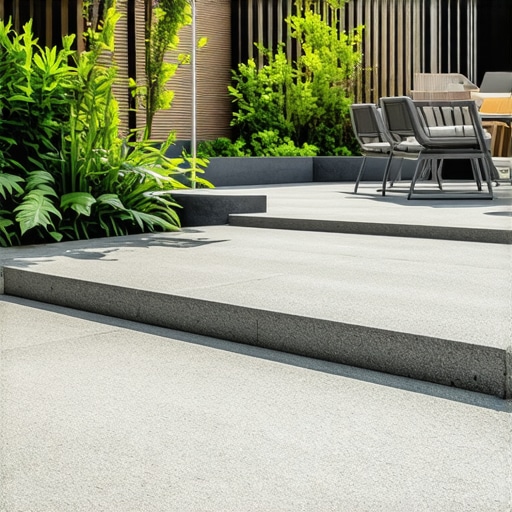
It happened during a sunny weekend barbecuing with friends. My foot slipped on the narrow, uneven stairs leading up to my deck, and I realized—this classic outdoor feature was suddenly a safety hazard. It wasn’t just a mishap; it was a lightbulb moment. Wide-tread stairs could transform outdoor spaces from risky to inviting, from outdated to cutting-edge.
Making Outdoor Living Safer and Smarter
As an outdoor enthusiast and someone passionate about design, I know how crucial it is to create spaces that are both beautiful and safe. Traditional stairs often fall short, especially when they’re narrow or poorly built, leading to accidents or just an uncomfortable feeling of insecurity. That’s why I started exploring how a simple change—widening the treads—could make a significant impact.
Wide-tread stairs aren’t just about aesthetics; they’re about **functionality**, **safety**, and **lifespan**. They provide more foot space, reducing the risk of slips, trips, and falls. Plus, they’re easier to navigate, especially when carrying furniture, plants, or kids’ toys. And with outdoor living trending toward seamless comfort, these stairs help bridge the gap between style and safety.
Did you know? According to the Consumer Product Safety Commission, falls are among the leading causes of injuries in outdoor spaces, often linked to poorly designed stairs (CPSC, 2022). This stat underscores how crucial thoughtful design is in our backyard improvements.
Over the years, I’ve learned that many homeowners overlook this simple upgrade, often because they’re unsure about the costs or the complexity involved. But here’s the truth: upgrading to wider stairs can be surprisingly straightforward, especially when you work with a professional who understands outdoor design. You can check out [this inspiring article](https://deckdesignbuild.com/transform-your-space-expert-deck-builder-tips-for-stunning-outdoor-living) for tips on transforming your deck for maximum comfort.
So, are your current stairs holding you back from enjoying your outdoor space fully? If so, don’t worry—I’m here to walk you through why this upgrade makes all the difference and how to approach it efficiently. Upgrading your stairs isn’t just a renovation; it’s an investment in your safety, style, and outdoor experience, making your space more inviting and resilient.
Get ready to discover practical steps to incorporate wide-tread stairs into your outdoor living plan, turning your backyard into an oasis everyone can enjoy safely. We’ll explore design ideas, material choices, and expert tips to help you elevate your outdoor environment—stay tuned!
Set Your Foundation with Clear Planning
Before lifting a hammer, visualize your staircase. Measure your current stairs accurately: use a tape measure to record the existing width, tread depth, and rise. For example, I once took a weekend to mark out the dimensions on paper, ensuring the new width would align with your deck’s overall aesthetic. Think of it as plotting a route—every step counts. Sketch your desired design and note any structural adjustments needed, especially if your deck isn’t on a perfectly level surface.
Prepare the Site and Materials
Clear the area around your existing stairs. Remove the old treads and risers carefully, using a saw or pry bar, much like peeling layers off an onion—meticulous work prevents damage to surrounding structures. Gather materials: composite decking for low-maintenance durability, pressure-treated framing lumber for strength, and non-slip stair nosings for safety. For instance, I sourced composite boards with a textured surface to prevent slips, which proved crucial during wet weather. Plan your cut list—measure twice, cut once—to avoid costly errors later.
Create a Strong, Wide Frame
Begin by building side stringers that match the new width; use a skilled handsaw or power saw to ensure straight cuts. For my project, I aligned the stringers on concrete blocks to keep them level. Anchor the stringers securely into the ground or foundation, using concrete anchors if needed. Connect the stringers with transverse supports, again respecting your measurements. Think of this as building the backbone of your staircase—stability is essential for both safety and longevity. Remember, a wider staircase distributes weight more evenly, reducing stress on materials and preventing wobble.
Lay Out the Treads and Risers
Attach the composite treads onto the stringers, staggering spacing for each step—like stacking bricks for a wall. Use lag bolts or composite-specific screws to secure each board, ensuring they sit flush for a seamless look. During my own upgrade, I clamped each tread temporarily to verify fit before fastening, which saved time and prevented mistakes. Incorporate non-slip stair nosings at the edge of each step for added safety. These are vital in outdoor settings, where rain can make surfaces slick.
Finish with Style and Safety
Sand any rough edges and seal exposed cuts with a protective finish suitable for outdoor use. Apply non-slip coatings or embed texture into the composite surface if possible. I added LED strip lighting along the risers, enhancing visibility at night—a simple upgrade that boosts safety and ambiance. Check all fasteners for tightness and stability, testing each step for wobble. Always remember, thorough finishing not only elevates aesthetic appeal but also ensures your stairs endure the outdoor elements without deteriorating.
Implement Proper Transition Techniques
Ensure the top of your new stairs melds smoothly with your deck surface. Use transition strips or leveling shims to create a seamless connection—think of it as bridging two puzzle pieces. For a sleek look, flush-mount the treads with the deck surface, avoiding trip hazards. When mixing materials, like wood and composite, pay close attention to expansion gaps—outdoor conditions cause materials to shift. Proper transitions prevent accidents and extend the life of your staircase.
Seek Professional Insight When Needed
If your project feels complex, don’t hesitate to consult an expert. A professional deck builder can help you avoid common pitfalls, like improper support placement or code violations. I worked with a specialist, which expedited the process and guaranteed compliance with safety standards—plus, it took some weight off my shoulders. To explore your options, check out [this detailed guide](https://deckdesignbuild.com/the-benefits-of-working-with-a-professional-deck-builder-in-your-outdoor-projects). Remember, investing in expert advice can transform a simple DIY into a safe, stylish masterpiece that last years.
When it comes to outdoor spaces, many assume that hiring a deck builder is a straightforward process focused solely on materials and aesthetics. However, true expertise involves nuanced considerations often overlooked by beginners. A common myth is that all deck builders are interchangeable—while some may excel at basic structures, only those with advanced knowledge understand the intricacies of composite decking trends, safety standards, and lifespan optimization. For example, choosing the wrong fasteners or neglecting proper support can lead to premature wear or safety hazards, despite initially attractive designs. Moreover, some folks underestimate the importance of transition details between stairs and decks. Poorly designed transitions can cause trip hazards or aesthetic dissonance, detracting from the overall outdoor experience. An advanced mistake is overlooking the environmental impacts of decking choices; certain composite materials may contain additives that degrade or leach harmful substances over time, especially when exposed to sunlight and moisture—something experts monitor carefully, as outlined in the recent deck-building masterclass. Making smart decisions now ensures your outdoor living space remains durable and stylish for years to come. Additionally, choosing a professional who stays updated on industry innovations, like textured non-slip surfaces or heat-resistant composites, can boost safety and comfort—check out this guide on future trends for insights. Don’t fall into the trap of outdated assumptions—understanding the nuances of deck building not only elevates your project but also prevents costly mistakes. Have you ever fallen into this trap? Let me know in the comments.Maintaining your outdoor decking and stairs is crucial to ensure safety, durability, and aesthetic appeal over time. Personally, I rely on a combination of high-quality tools, routine inspections, and proactive care strategies to keep my outdoor spaces in top shape. One tool I swear by is a digital moisture meter, which helps me detect areas where water penetration may be causing damage, especially in composite decking that relies on proper drainage for longevity. Regular cleaning with a soft-bristle brush and a mild composite decking cleaner prevents the buildup of dirt and algae, reducing slip hazards and preserving the surface appearance. For tougher stains or mold, I use a diluted vinegar solution, which is eco-friendly and effective.
Power washers can be tempting for deep cleaning, but I recommend a careful, low-pressure setting to avoid damaging the surface. For composite stairs, especially those with textured surfaces, a handheld scrub brush provides more control. Applying a protective coating or sealant specifically designed for outdoor composite materials every couple of years can also extend the lifespan of your stairs and decking—think of it as a skincare routine for your outdoor furniture.
Predicting future trends, I believe innovative solutions like embedded LED lights for safety and solar-powered sensors that monitor wear and tear will become standard features in premium outdoor living setups. These advancements not only improve safety at night but also enable early detection of structural issues, saving money and preventing accidents.
How do I maintain outdoor stairs and decking over time?
Routine inspections form the backbone of long-term maintenance. Checking for loose fasteners and replacing worn-out components promptly prevent minor issues from becoming major repairs. Upgrading to composite decking with textured surfaces, like those highlighted in [this trend report](https://deckdesignbuild.com/composite-decking-trends-2025-the-ultimate-guide-for-outdoor-enthusiasts), reduces the need for repainting or staining—and resists moisture damage better than traditional wood.
Long-term results depend on adhering to a schedule of cleaning, sealing, and inspecting. I suggest setting a bi-annual reminder to perform a comprehensive check. Replacing worn-out stair nosings with anti-slip variants enhances safety, especially in rainy climates. Using the right tools and a maintenance mindset, you can keep your deck and stairs looking stunning and performing well year after year.
If you’re considering a significant upgrade or simply want expert reassurance, I recommend working with a professional deck builder. Their experience can help you choose the best materials and maintenance practices, ultimately saving you time and money—learn more about the benefits of partnering with experts in this guide. One advanced tip I’ve adopted is installing a semi-permanent anti-slip overlay on the stair treads, which I found increases safety substantially without altering the look of the stairs—try it out if safety is a priority in your outdoor space!
Lessons Learned from My Staircase Journey
One of the biggest surprises I encountered was how underestimated the importance of proper transition details can be. I once rushed the final step of connecting my stairs to the deck, thinking a simple flush connection would suffice—only to find it caused wobbling and a trip hazard. That lightbulb moment taught me to pay close attention to seamless transitions, ensuring safety and aesthetic harmony. Additionally, I realized that selecting the right materials isn’t just about looks; durability under outdoor conditions demands careful research, especially with composite options that resist moisture and sun damage—check out this resource for guidance. Perhaps most unexpectedly, incorporating safety features like lighting and non-slip surfaces early in planning saves time and money, preventing costly retrofits later—my own experience solidified this lesson. Ultimately, building outdoor stairs is part engineering, part art, and full of opportunities to learn from your own tweaks and setbacks. Embrace every step as a chance to refine your project and elevate your outdoor living space beyond expectation.
This post really hit home for me because I recently renovated my outdoor steps with wider treads after a close call with a slip. What stood out was the emphasis on safety combined with style—something I always look for in outdoor design. I appreciated the detailed step-by-step approach, especially the tips on creating a strong, level frame and proper transition techniques between stairs and decks. It’s clear that paying attention to every detail, from materials to finishing touches like lighting, can make a huge difference in longevity and safety. I also found the mention of non-slip textures and embedded LED lighting particularly useful, as these are practical upgrades that blend safety with ambiance. Has anyone experimented with different material combinations for durability? I’d love to hear what has worked well in various climates. Overall, this gave me some new ideas on how to enhance my outdoor space and make it safer for everyone.