
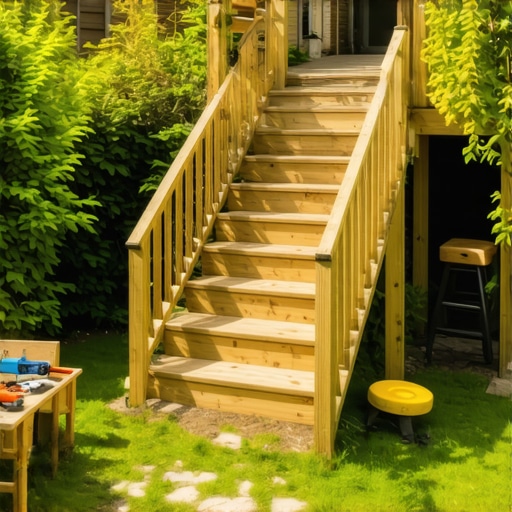
I’ll never forget the moment I realized my backyard was more of a tripping hazard than a relaxing retreat. It was a sunny Saturday, and I was attempting to install a set of stairs for my new deck. Halfway through, I slipped on a loose board, bruised my pride, and narrowly avoided a fall. That lightbulb moment made me understand just how critical proper outdoor stairs and decks are—not just for aesthetics but for safety and usability. If you’ve ever faced similar frustrations or worries about creating a safe, stylish outdoor space, you’re not alone. Today, I promise to share straightforward, expert insights that will help you avoid the mistakes I made and elevate your outdoor living area in 2024.
Why Building the Perfect Deck and Stairs Matters Now More Than Ever
As outdoor spaces become extensions of our homes, the demand for durable, stylish, and safe decks and stairs skyrockets. According to industry trends, more homeowners are investing in outdoor renovations to boost property value and create personal retreats. But here’s the catch: many jump into DIY projects without enough planning, leading to costly mistakes and safety hazards. I learned this the hard way—by rushing and choosing the wrong materials, which resulted in wobbly stairs and a deck that didn’t hold up over time. That initial mistake was a costly lesson, but it also sparked my passion to learn how to do things right the first time. If you’re eager to build confidently and avoid common pitfalls, you’re in the right place. We’ll cover the essential steps to make sure your project not only looks great but stands the test of time.
Is It Worth Investing in Professional Help for Your Outdoor Projects?
One of my biggest doubts early on was whether I could handle it all myself. I thought, “How hard can it be?” Well, I underestimated the complexity of building safe, code-compliant stairs and decks. Trust me, a professional deck builder can turn your garden into a private oasis—saving you time, money, and headaches (here’s a great article about it). My mistake was trying to cut corners by skimping on planning and materials, which only resulted in weak supports and uneven steps. If you want to avoid costly corrections later, considering expert advice early on is a smart move. But don’t worry, whether you decide to DIY or hire help, knowing the basics will always give you a huge advantage. Ready to step up your outdoor game? Let’s dive into how to do it right in 2024.
Start with Precise Planning and Measurements
Recall the time I decided to build a staircase without proper measurements—what a mess that turned into! To avoid repeating that mistake, always begin by meticulously measuring your space. Use a tape measure and graph paper or a digital design tool to plot your deck and stairs. Consider the height from the ground to your deck surface, the ideal riser height (usually 7-8 inches), and the tread depth (around 11 inches). Accurate planning ensures your stairs are safe, comfortable, and compliant with local codes. This upfront step saves you from costly adjustments later and guarantees a professional look from the outset.
Choose Durable, Quality Materials
Next, selecting the right materials is crucial for longevity and safety. I learned this the hard way when I opted for cheap lumber, which warped within a year. For a lasting outdoor structure, I recommend using composite decking for the surface—an excellent choice for low-maintenance, weather-resistant decks. Pair it with pressure-treated or composite framing to support the structure. When it comes to stairs, pick slip-resistant treads and ensure the stringers are sturdy—metal or pressure-treated wood are both reliable options. Learn more about choosing the right composite decking here. High-quality materials might cost more upfront but will pay off with durability and safety over time.
Build the Frame with Precision and Safety
Constructing a solid frame is the backbone of a safe deck and staircase. I once skipped a few steps here, leading to wobbly stairs that made me nervous every time I used them. To avoid this, ensure your ledger board is securely anchored to the house with appropriate bolts, and your footings are deep enough to prevent shifting—generally below the frost line. Use a level and carpenter’s square to keep everything square and level. When installing stringers, cut notches precisely and attach them firmly to the deck surface and ground supports. The stability of your entire structure depends on this core step.
Focus on Proper Stair Design and Safety
Designing stairs that are both stylish and safe is an art. I experimented with different riser heights and tread widths, but I finally settled on a uniform 7.5-inch riser and 11-inch tread, which feel comfortable and look balanced. For added safety, incorporate handrails and balusters that meet local building codes. Use anti-slip treads or textured surfaces to prevent slipping, especially in wet conditions. I found that a well-designed staircase not only enhances the look but also offers peace of mind—no more worrying about accidental slips. Check out this guide on designing safe and stylish stairs for more tips.
Finish and Inspect Before Use
Once built, I applied a weather-resistant sealant to protect the wood and keep the composite surfaces looking new. Before inviting family over, double-check all connections, fasteners, and stability. Make sure the stairs are level, the handrails are secure, and there are no protruding nails or rough edges. Regular inspections and maintenance prolong the life of your outdoor structure and ensure safety. Remember, a well-maintained deck and stairs can be the centerpiece of your outdoor living space for years to come. For inspiration on innovative designs, visit this resource on composite deck ideas.
Many homeowners assume that constructing outdoor stairs and decks is straightforward — just pick some wood, measure a bit, and you’re good to go. But this oversimplification often leads to costly mistakes and safety hazards. Let’s dig deeper into what most people get wrong and why understanding these nuances can save you time, money, and potential injuries.
Why the Popular Belief That DIY Is Always Cheaper Is Misleading
It’s tempting to believe that handling your deck and stairs projects yourself will save money. While DIY can be satisfying, the reality is that many underestimate the costs of errors or the need for specialized tools and skills. For example, improper framing or unsupported stairs can compromise safety and longevity. A study by the National Association of Home Builders highlights that professional builders often avoid costly rework because they understand the importance of precise measurements and quality materials from the start. Working with experts initially might seem expensive but often pays for itself in durability and peace of mind.
Beware of the Trap of Uniform Riser Heights
Many assume that standard riser heights (around 7-8 inches) fit all outdoor settings. The truth is, optimal riser height depends on your specific space, user comfort, and safety considerations. Using inconsistent riser heights can cause trips and falls, especially for children or elderly users. Advanced builders often use digital tools to tailor each riser precisely. This attention to detail ensures a seamless, safe transition between steps, which is often overlooked by DIYers rushing through measurements. For detailed design tips, check out this guide on safe stair design.
The Hidden Danger of Material Selection and Maintenance
It’s a common misconception that all wood or composite materials are created equal. Many believe that cheaper options will last just as long, but this isn’t true. Low-quality lumber is prone to warping, cracking, and rotting, especially in harsh weather. Conversely, high-end composite decking offers weather resistance and minimal maintenance, making it a smarter investment in the long run. Choosing inferior materials can lead to early replacement costs and safety issues, such as loose fasteners or unstable steps. For the best results, consider premium composite options and regular upkeep.
How Do You Achieve a Truly Durable and Stylish Outdoor Space?
Many assume that aesthetics are secondary to safety when building outdoor stairs and decks. However, neglecting design details like proper railings, textured treads, and seamless transitions can compromise both beauty and safety. Skilled designers and builders focus on integrated solutions that enhance your space’s visual appeal while meeting safety standards. For instance, incorporating seamless transitions and custom stair designs elevates your outdoor living experience. Remember, a well-designed deck isn’t just functional — it’s an extension of your home’s style and personality.
Have you ever fallen into this trap? Let me know in the comments. The more you understand these common misconceptions, the better equipped you’ll be to create a beautiful, safe outdoor space that lasts for years to come.
To keep your outdoor decks and stairs in top shape, investing in the right tools and adopting a consistent maintenance routine is crucial. From power washers to specialized sealants, the right equipment can make all the difference in prolonging the lifespan of your outdoor structures. I personally rely on a Kärcher K5 Power Washer because its adjustable pressure settings allow me to effectively clean different surfaces without causing damage. Regular cleaning not only removes dirt and moss but also prevents decay and slippery buildup that can compromise safety.
When it comes to sealing and protecting your deck, I recommend using high-quality weatherproof sealants. I prefer products that are UV-resistant and formulated specifically for composite and wood surfaces, as they help maintain color and prevent cracking. Applying these sealants biannually ensures your deck resists the harsh elements, especially if you’re in a climate with heavy rain or snow.
Another tool I swear by is a digital level. This gadget ensures your deck and stairs are perfectly aligned, which is vital for safety and aesthetics. During construction and periodic inspections, I use a laser measuring device to verify dimensions quickly and accurately, saving time and reducing errors. These tools are invaluable for DIYers aiming for professional results, but even seasoned builders find them indispensable for precision.
Looking ahead, I see the trend moving toward smart maintenance systems. Imagine sensors embedded in your deck that monitor moisture levels or structural integrity and send alerts to your phone. While this technology is still emerging, early prototypes suggest it will revolutionize outdoor upkeep, making maintenance more proactive and less labor-intensive.
How do I maintain outdoor stairs and decks over time?
Consistent inspection is key. Regularly check for loose fasteners, wobbly steps, or signs of rot and address issues immediately. Applying protective coatings before winter and after cleaning sessions will extend the life of your materials. Additionally, scheduling annual professional inspections can catch hidden problems early and prevent costly repairs down the line. Remember, a well-maintained outdoor space not only looks great but also ensures safety for everyone enjoying it. For inspired ideas on how to refresh your outdoor living area, explore this collection of innovative deck ideas—and don’t hesitate to try out some of the advanced maintenance tips I shared today to keep your outdoor oasis thriving for years to come.
Throughout my journey of enhancing my outdoor space, I uncovered some invaluable lessons that transformed my approach to building decks and stairs. One of the most eye-opening realizations was that precision in measurements and planning can save you from costly mistakes down the line. Rushing through this phase often leads to uneven steps or unstable structures—trust me, I learned this the hard way. Another insight was the importance of selecting materials that withstand the elements; cheap lumber might seem like a bargain at first but can lead to warping and safety hazards within a year. Lastly, I discovered that incorporating thoughtful design, like textured treads and secure handrails, not only elevates the aesthetic but also significantly improves safety. These lessons have empowered me to create a durable, beautiful outdoor living space that I enjoy year-round, and I hope they help you avoid similar pitfalls.
Building my own deck last year really opened my eyes to the importance of precise measurements and quality materials. I learned the hard way that rushing through the planning phase can lead to uneven steps and wobbling support beams, which is not only frustrating but also dangerous. I also discovered that investing in good composite decking and sturdy framing materials pays off in the long run, especially when faced with harsh weather. One thing I found particularly helpful was using a laser measuring device to double-check all dimensions during construction. This small investment in tools saves time and ensures accuracy. I’m curious, have others found digital tools like laser levels or design apps to be game-changers in outdoor projects? I think integrating technology really elevates the quality and safety of deck building.
Reading about your experience really resonated with me. Last year, I jumped into building my own deck without much prior experience, and I quickly realized how crucial proper planning and precise measurements are to ensure safety and durability. I did find that investing in quality materials, especially for the support structure, made a big difference in resisting the weather and preventing wobbly steps over time. Like you, I also started using digital tools, such as a laser level and a mobile app for measurements, which made the process much more accurate and less stressful. It’s fascinating how technology has made DIY projects more accessible and professional-looking.
Have you experimented with any other digital design tools, or do you stick mainly to measurement gadgets? I’m curious if you’ve discovered apps that help with layout planning beforehand. Overall, I believe combining careful planning, quality materials, and the right tools can truly elevate outdoor projects, saving time and costly mistakes in the long run.
Your post hit home for me, especially the part about proper measurement and planning. I remember my first deck build trying to rush, and the uneven stairs ended up being a tripping hazard. Since then, I’ve started using a digital level and laser measuring device, which makes a huge difference. It’s interesting how integrating technology elevates DIY projects from amateur to more professional standards. I do wonder—what are your thoughts on using 3D design software for planning outdoor structures? I’ve been exploring some of these tools, and they seem to help visualize the final outcome and catch potential issues early. Have you found them useful in your projects or perhaps recommend any particular programs? I believe that combining good tools with quality materials and thorough planning is the best way to ensure safety and longevity in outdoor builds. Would love to hear others’ experiences with digital planning tools!